Celtic
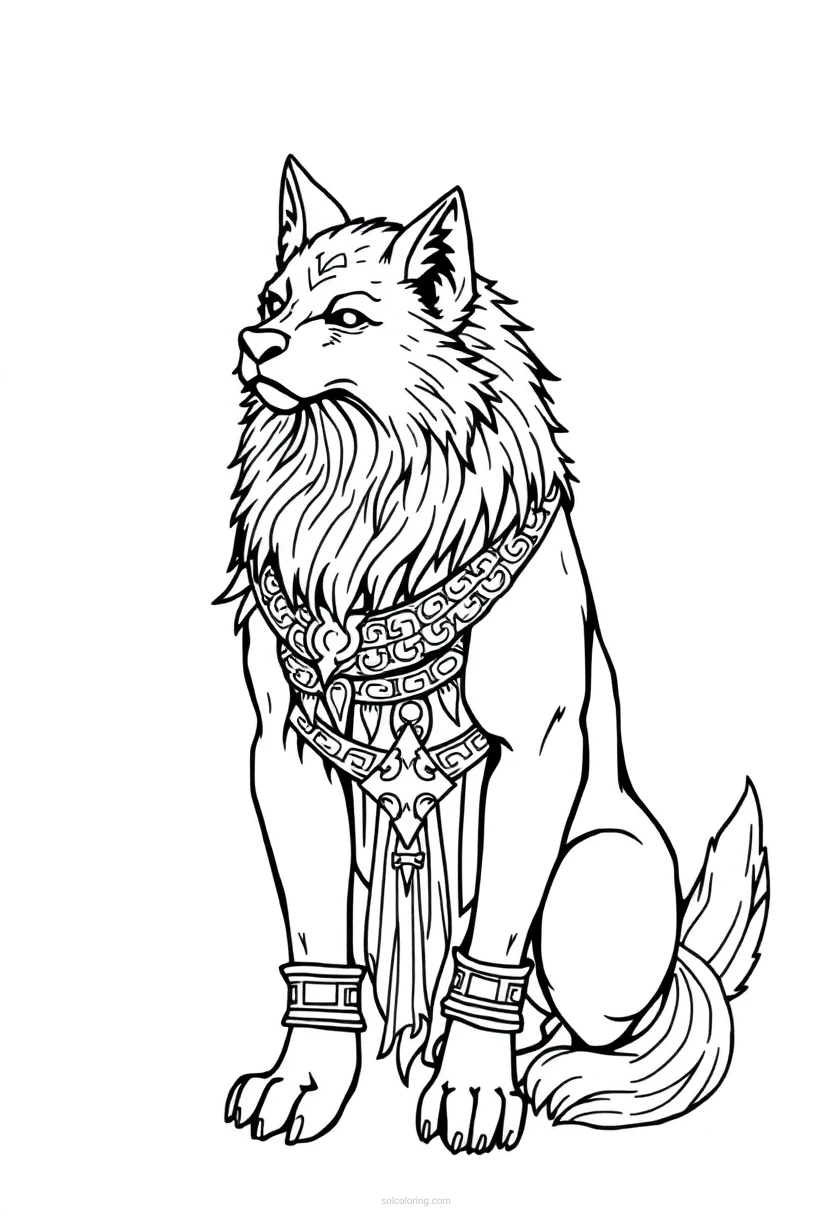
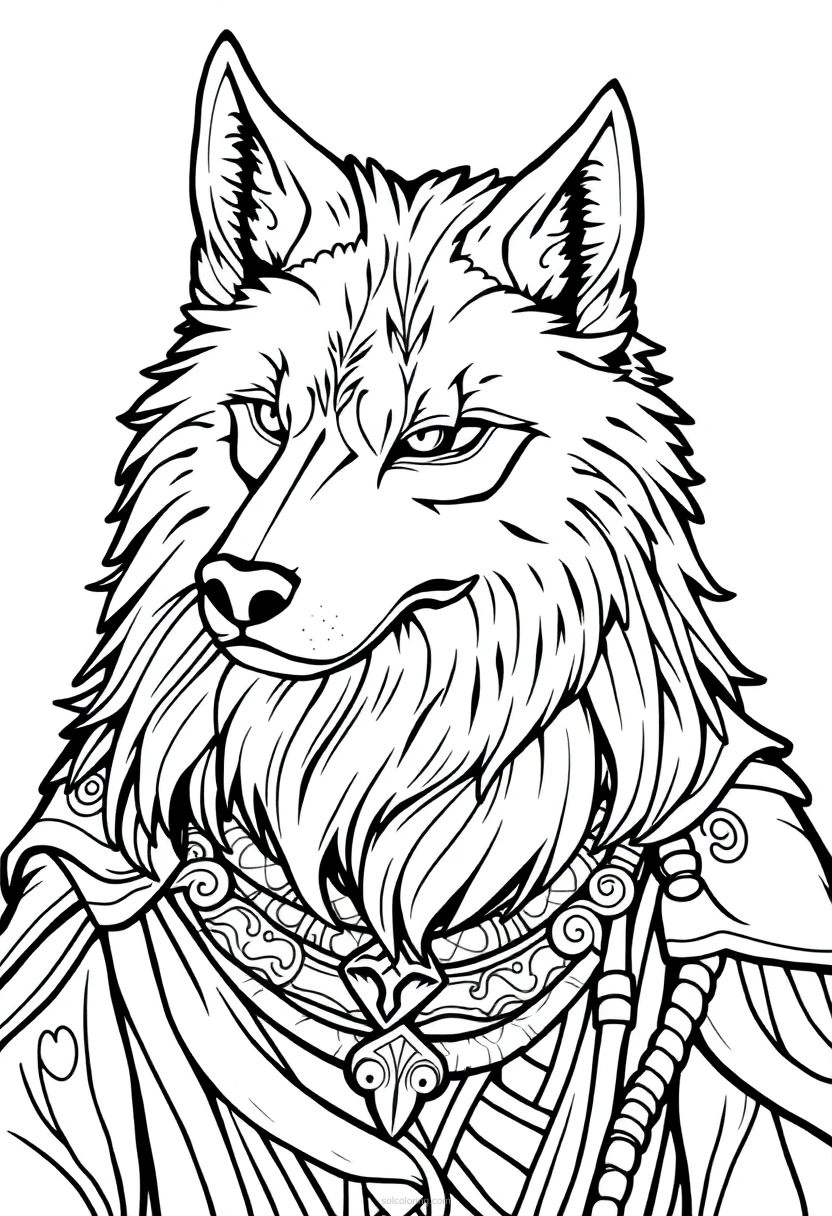
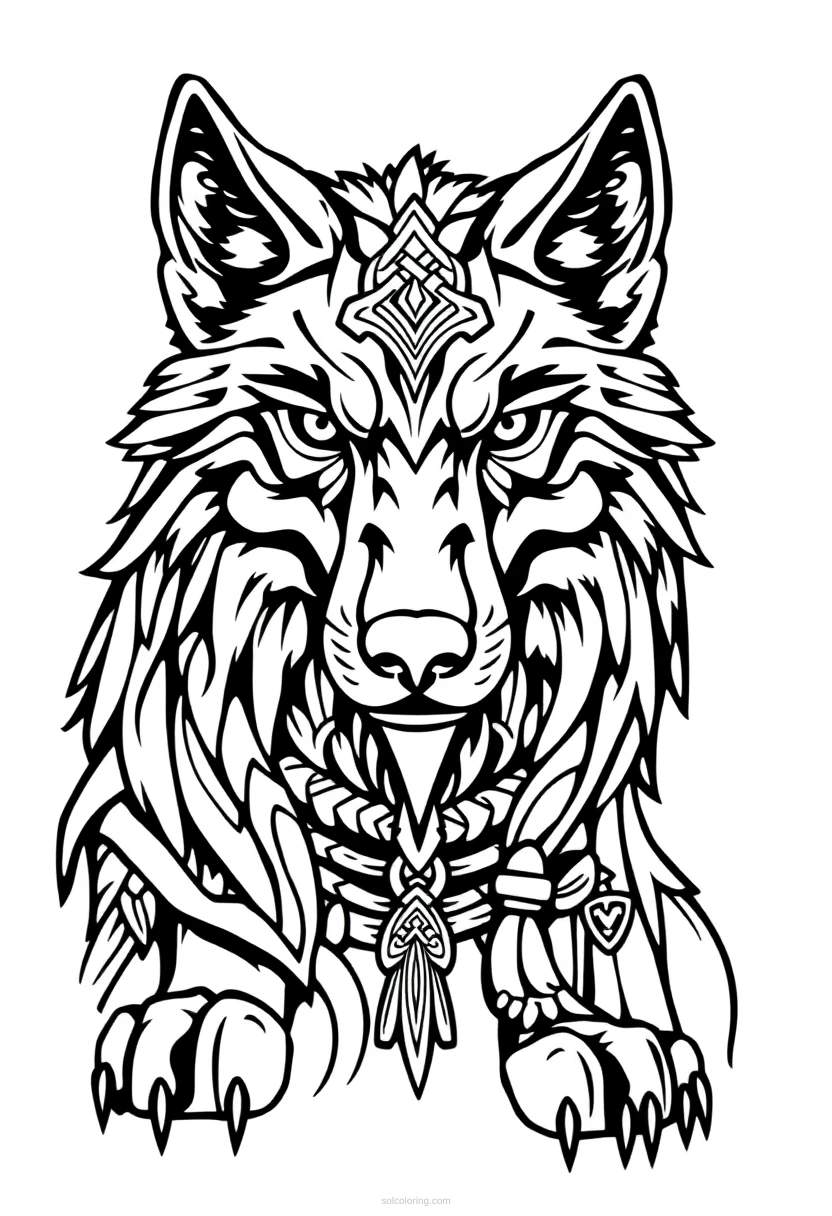
Celtic Wolf Coloring Pages
6 free printable designs including Standard, Standard, Standard, Standard and more.
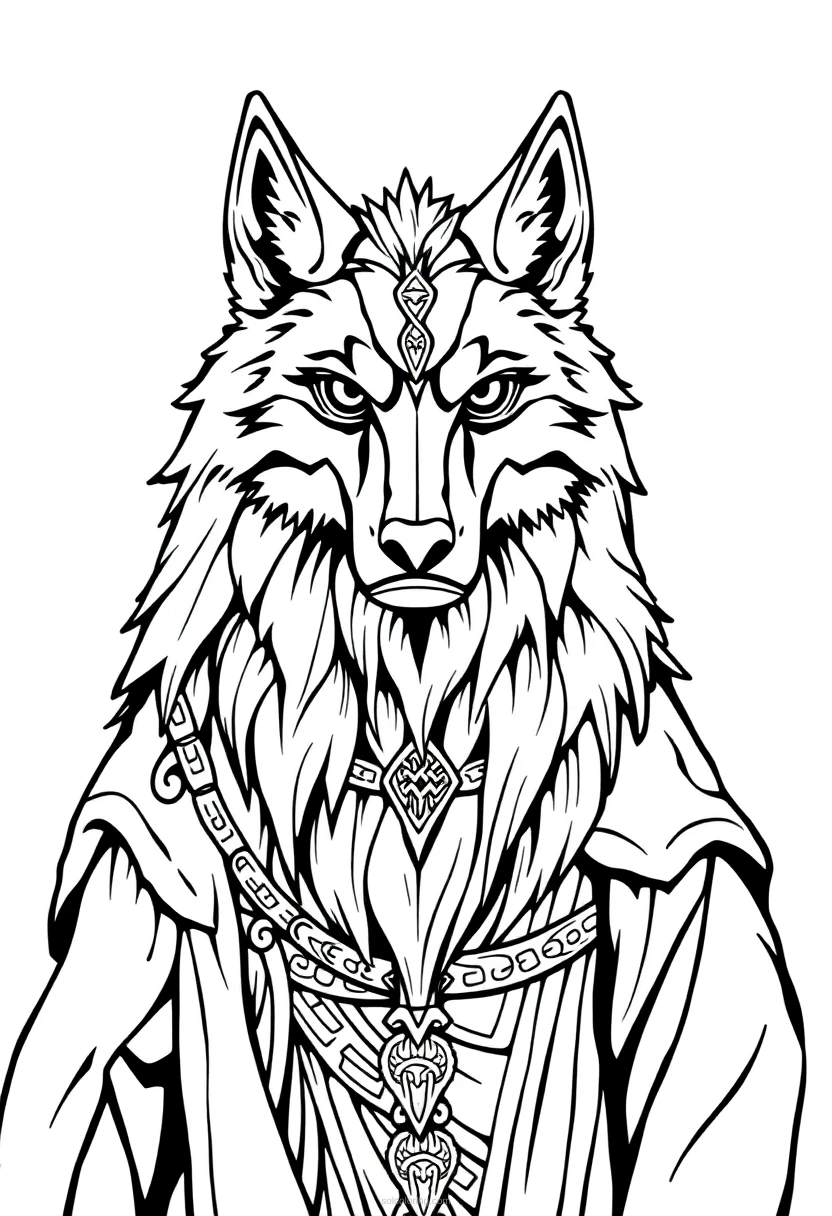
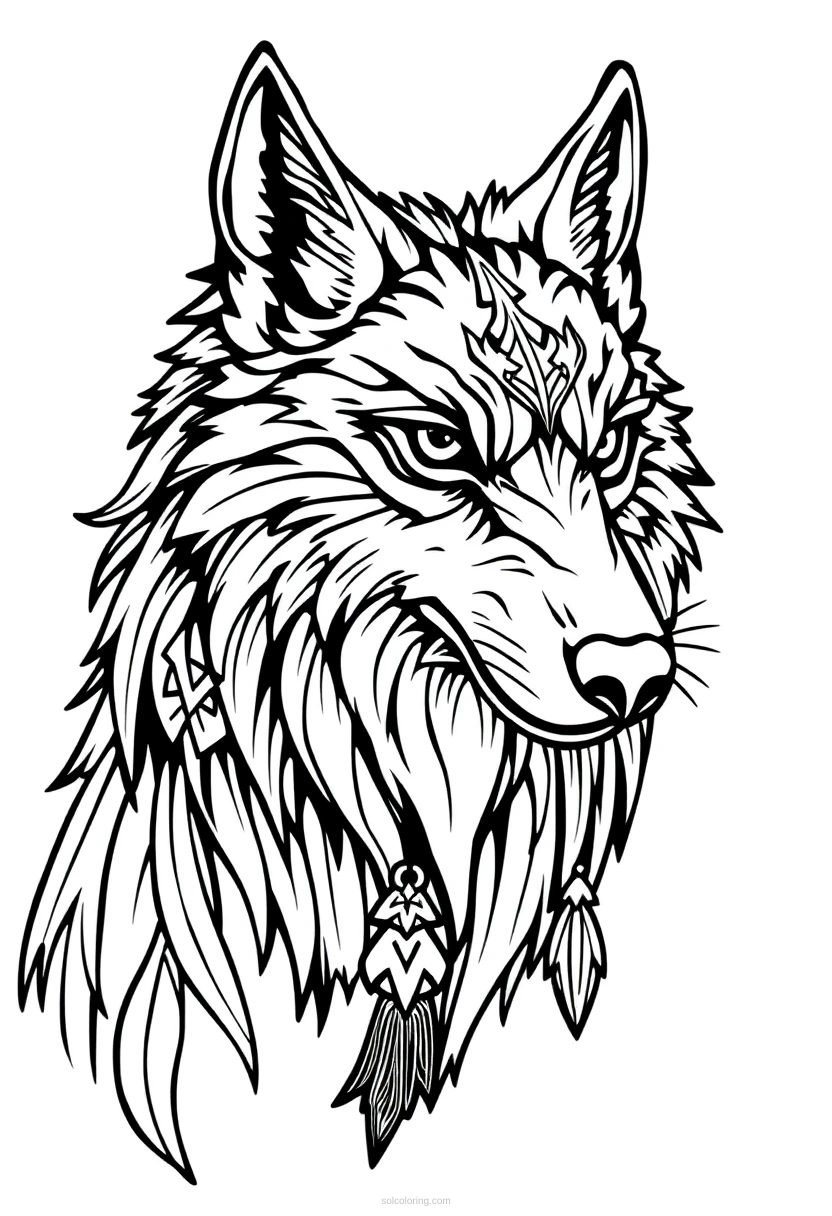
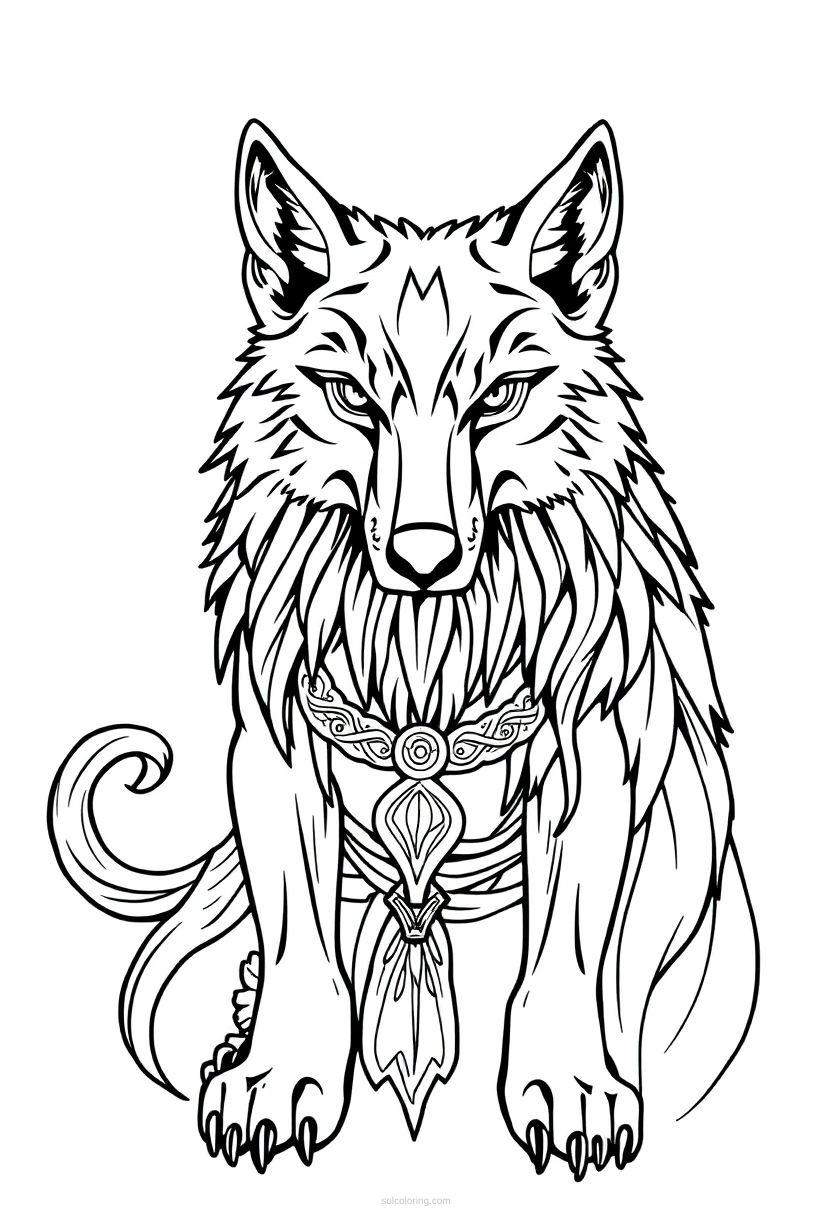
Wolves held a special place in Celtic mythology and culture, symbolizing loyalty, courage, and wildness. These powerful creatures appeared throughout ancient Celtic stories, often as fierce warriors, magical guardians, or shape-shifters in human form. The Celtic Wolf free printable coloring page brings this legendary animal to life with intricate designs inspired by Celtic art and mythology. Whether you are interested in folklore, ancient cultures, or simply love wolves, this free printable coloring page offers a wonderful way to explore the mystical connection between Celts and nature. Color your own Celtic Wolf and discover the rich symbolism behind this iconic mythological creature.
Read more →Read less ↑
Choose a style
Did you know?
Fun facts about Celtic Wolf
Ancient Celtic warriors would sometimes howl like wolves before battle to intimidate enemies and invoke the animal's fierce spiritual power.
The Celtic goddess Cailleach was said to ride wolves across winter skies, and she aged one year with each passing season.
Celtic hero Cú Chulainn could transform into a wolf during his legendary rages, gaining enhanced strength and hunting abilities.
Wolves were so important to Celtic culture that killing one without proper cause was considered a serious crime in some ancient Celtic societies.
Irish and Scottish Celts believed that white wolves were especially magical and possessed healing or prophetic abilities beyond ordinary wolves.
About Celtic Wolf
What did wolves symbolize in Celtic mythology and culture?
In Celtic tradition, wolves represented loyalty, courage, intelligence, and connection to nature and the wild. They were respected as warriors and often associated with fierce protection and survival. Some Celtic tribes even adopted the wolf as their symbol, believing these animals possessed spiritual power and guidance that could inspire humans in battle and life.
Did Celts have real wolves in their lands?
Yes, gray wolves lived throughout Celtic territories in ancient Ireland, Scotland, Wales, and continental Europe. These wild wolves hunted game and occasionally threatened livestock, making them both feared and admired. However, wolves were eventually hunted to extinction across most of Europe by the 1600s due to human expansion and agricultural development in Celtic regions.
Were there Celtic gods or goddesses associated with wolves?
The Celtic goddess Cailleach was sometimes depicted with wolves as companions and guardians. Warriors like Cú Chulainn entered wolf-like battle rages. Additionally, shape-shifters in Celtic legends frequently transformed into wolves to escape danger or gain supernatural abilities, blending human intelligence with wolf strength and survival instincts in powerful combinations.
How did Celts use wolf imagery in their art and jewelry?
Celtic artisans incorporated wolf designs into intricate metalwork, stone carvings, and jewelry using their distinctive knotwork patterns. Wolf heads appeared on shields, sword hilts, and brooches as protective symbols for warriors. These designs demonstrated both artistic skill and spiritual belief in the wolf's power to guard and inspire those who wore or carried Celtic wolf imagery into battle.
What is a Celtic wolf pack like compared to modern wolves?
Ancient Celtic wolves would have lived in family groups or packs similar to modern gray wolves, hunting together and protecting their territory. Celtic storytellers often exaggerated these natural behaviors into legendary accounts of massive packs and intelligent hunters with supernatural abilities. Real Celtic wolves followed natural pack structures with alpha parents leading coordinated hunts across the forests and highlands.
Did Celtic warriors actually call themselves or their groups 'wolves'?
Yes, many Celtic warrior bands named themselves after wolves or adopted wolf symbolism for their identity and reputation. The Galatians and other Celtic groups used wolf names and imagery to inspire fear in enemies while building unit pride and loyalty. This practice connected warriors to the wolf's perceived strength, cunning, and pack loyalty, creating psychological advantage in ancient warfare.
More Celtic coloring pages
Coloring page FAQs
Are these Celtic Wolf coloring pages free?
Yes, all Celtic Wolf coloring pages on Sol Coloring are completely free to download and print. No subscription, membership, or payment is required. Simply visit our website, select your favorite design, and print as many times as you like for personal use at home or in the classroom.
What age are these Celtic Wolf coloring pages for?
Our Celtic Wolf coloring pages are designed for ages 8 to 14, with varying difficulty levels. Younger colorists can enjoy simpler designs with larger areas, while older kids and teens appreciate detailed patterns with intricate Celtic knotwork and shading opportunities for more advanced artistic expression.
How do I print these Celtic Wolf coloring pages?
Printing is simple and requires no account creation. Download the Celtic Wolf PDF to your device, open it with any PDF reader, and print on standard A4 or Letter-sized paper using your home printer. Most pages fit perfectly on standard paper with minimal margins for easy coloring.