Egyptian
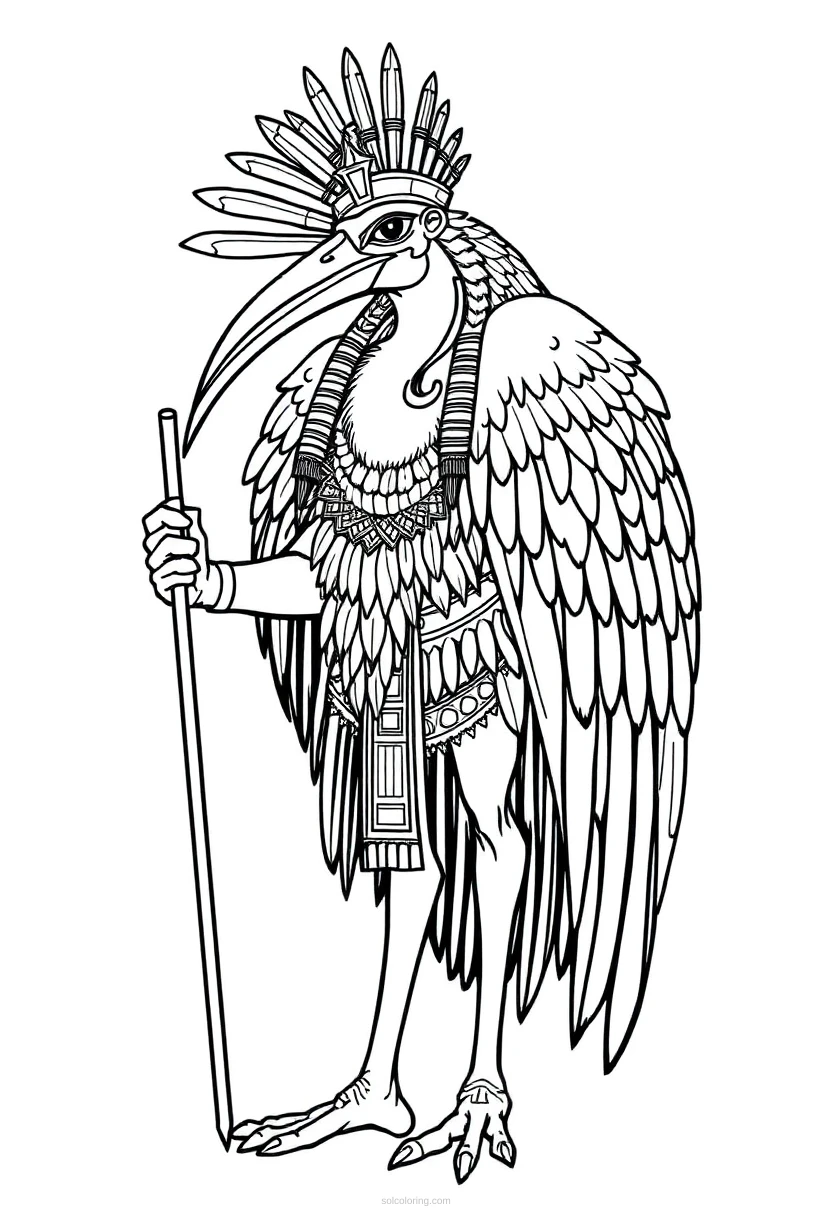
Thoth Ibis God Coloring Page
Standard style
About this coloring page
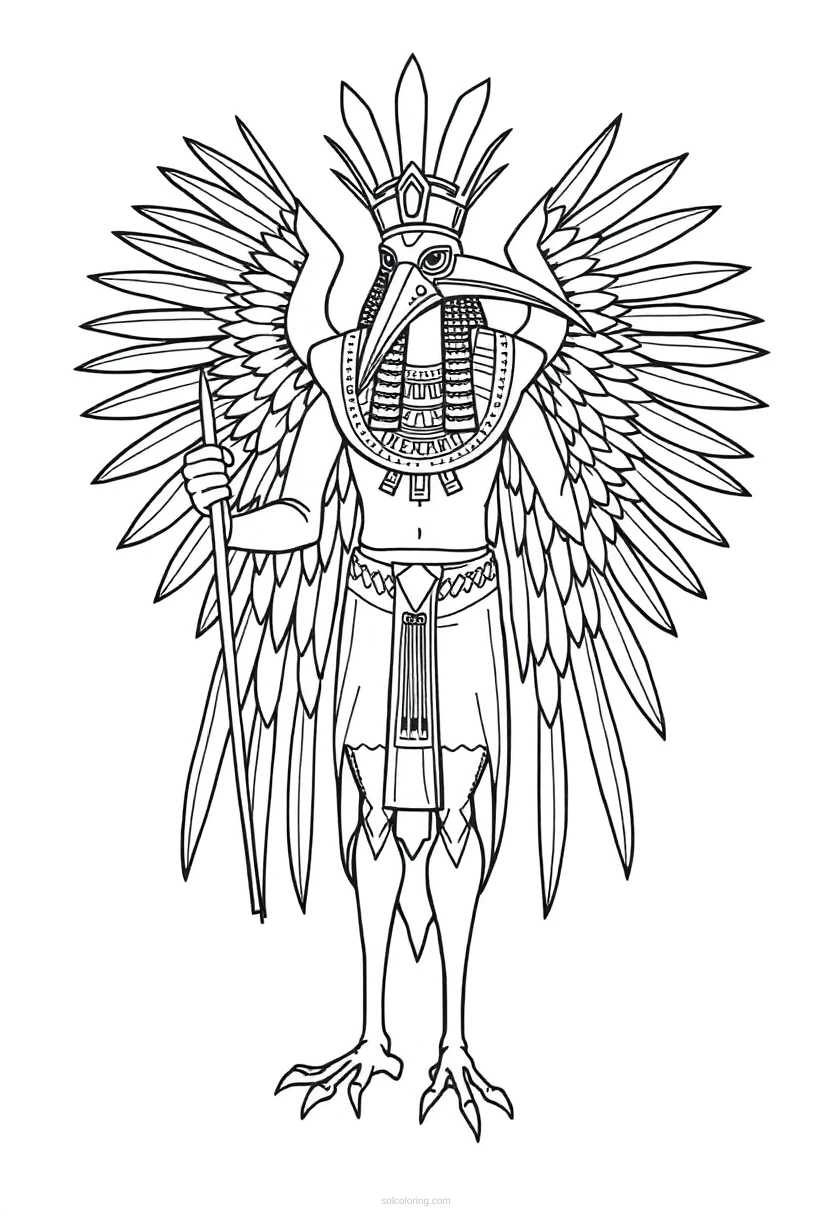
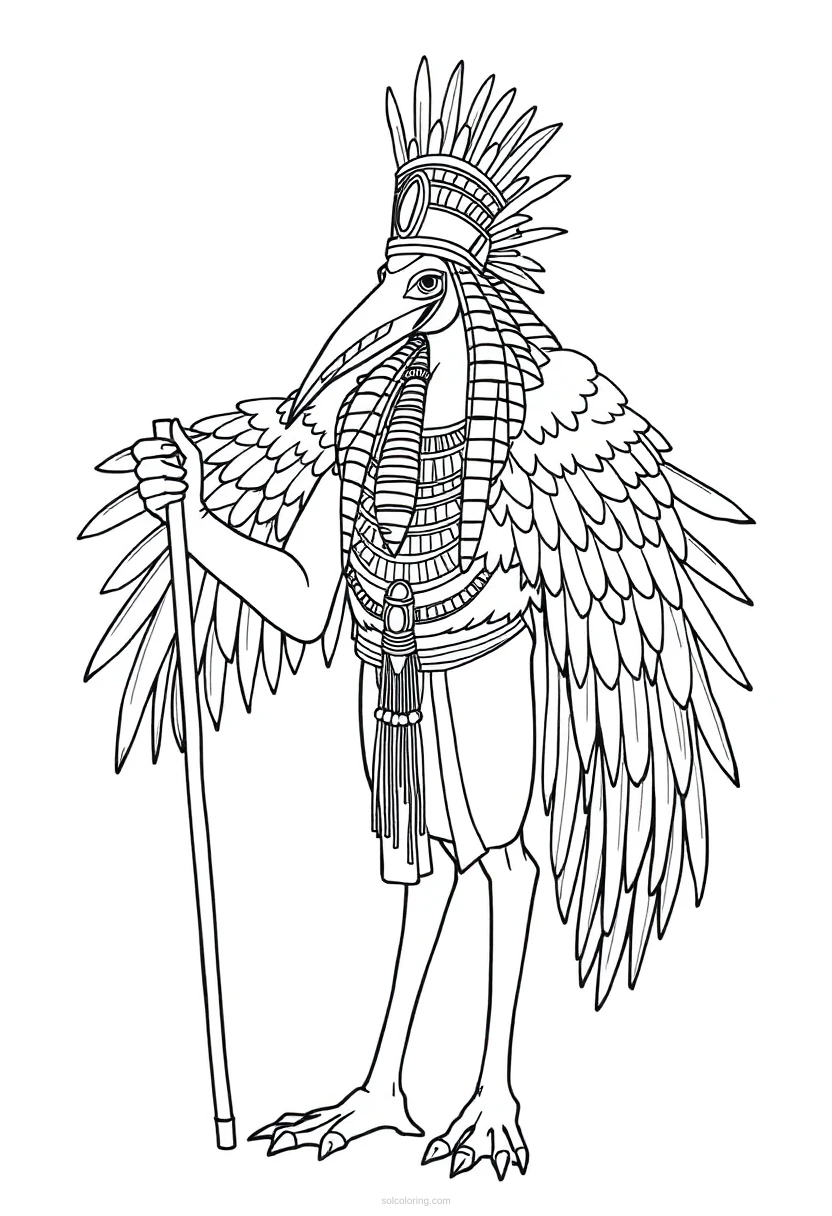
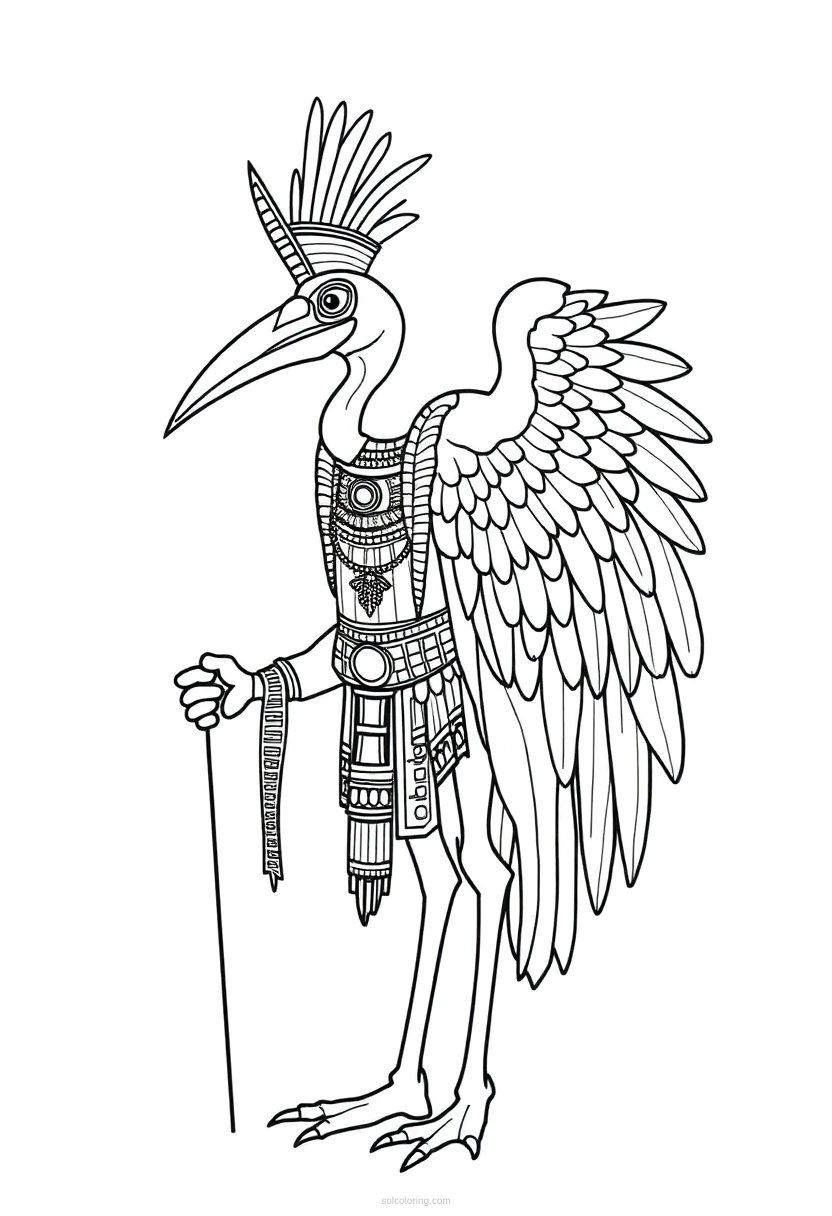
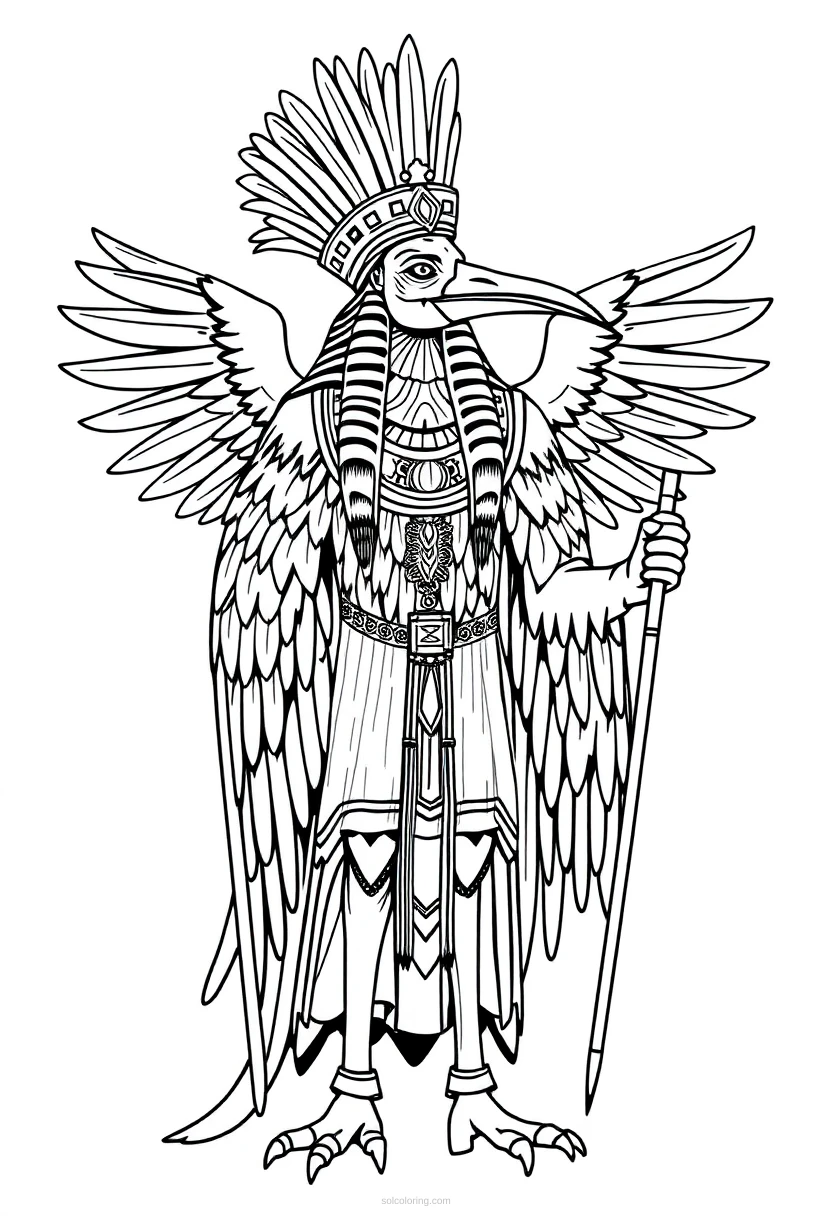
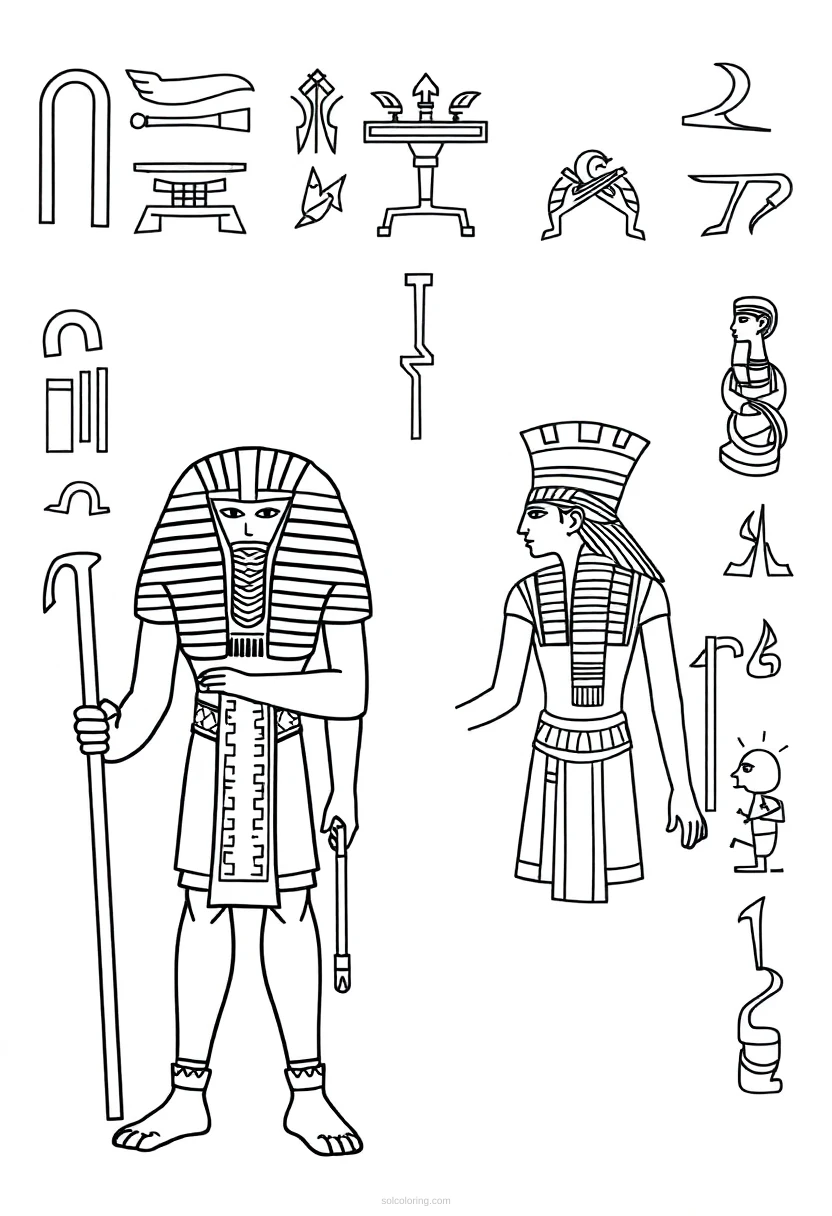
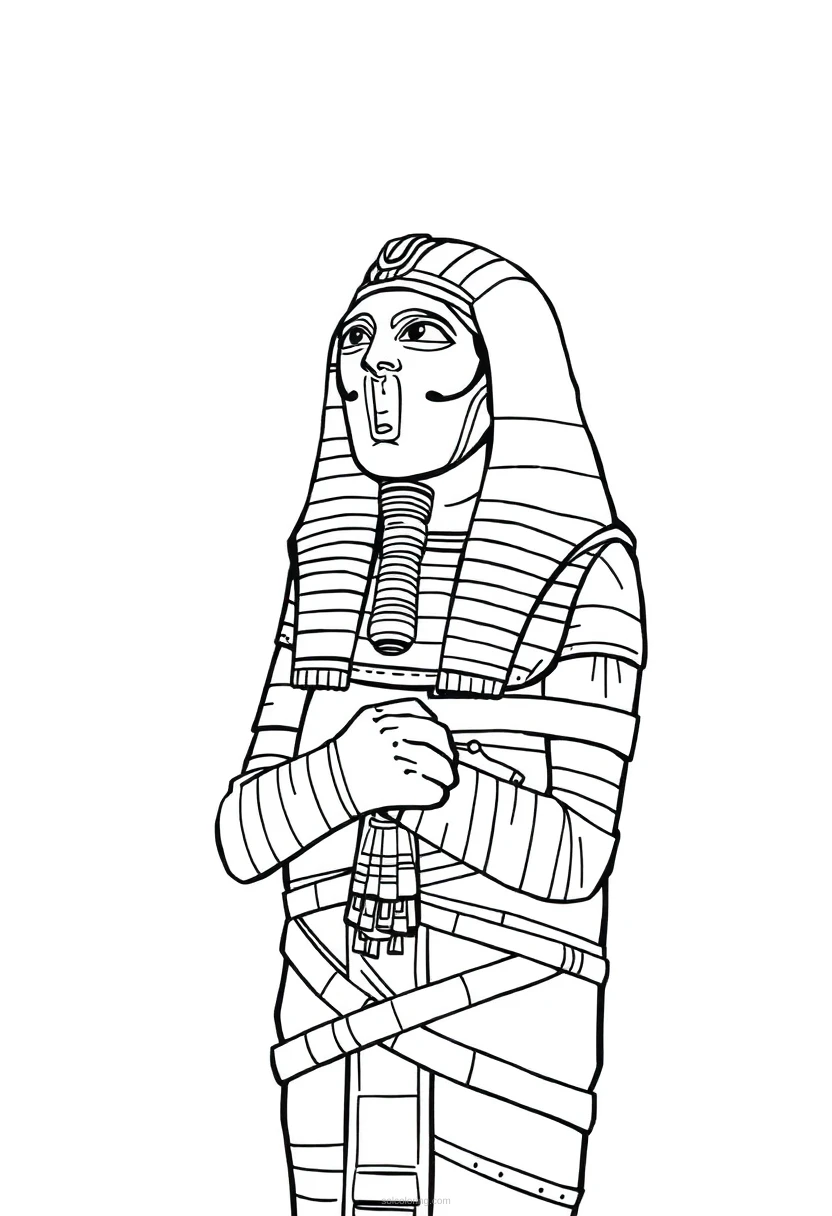
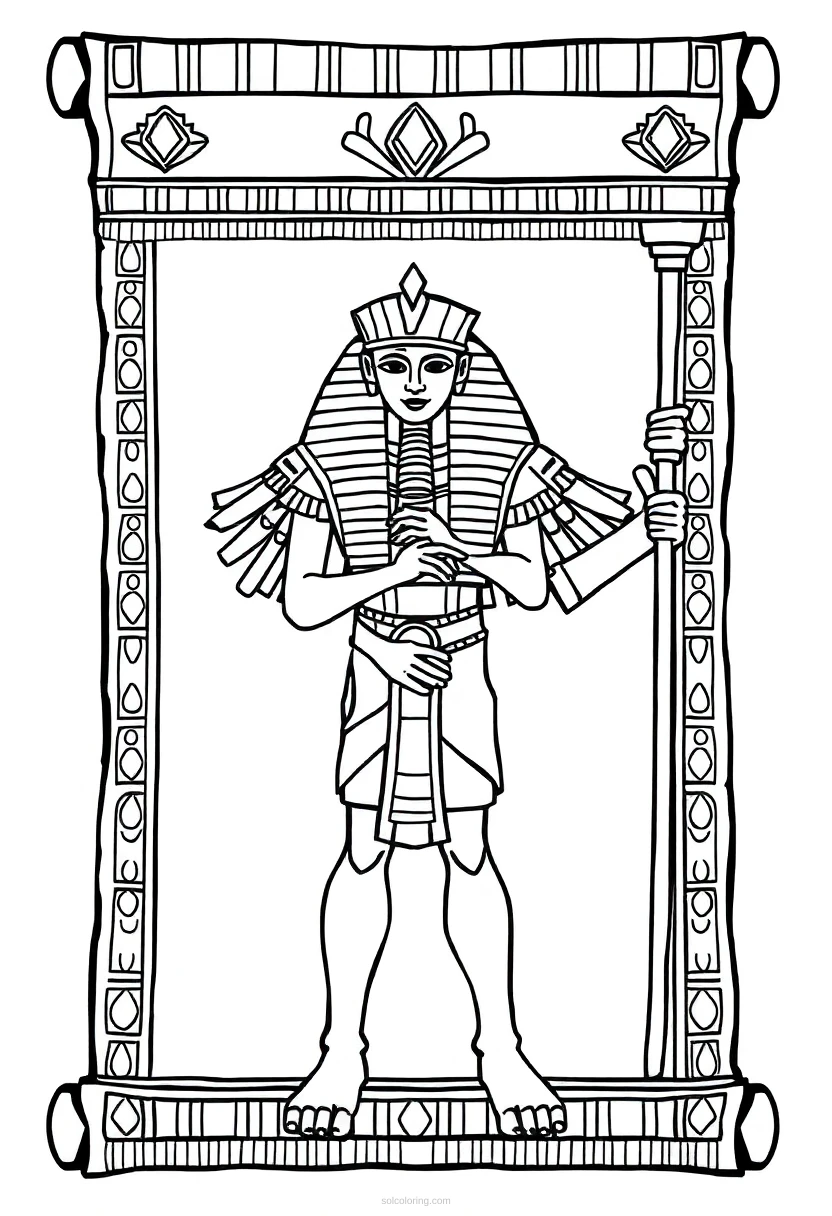
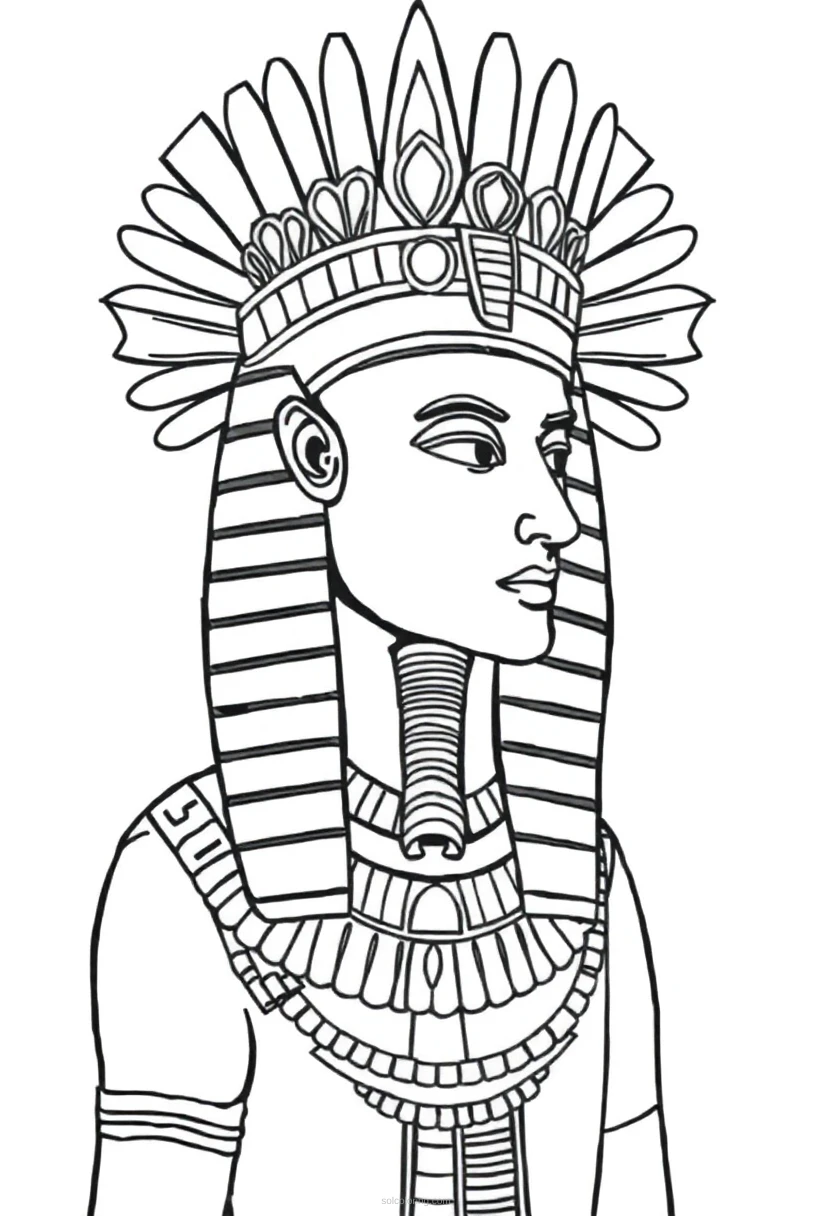
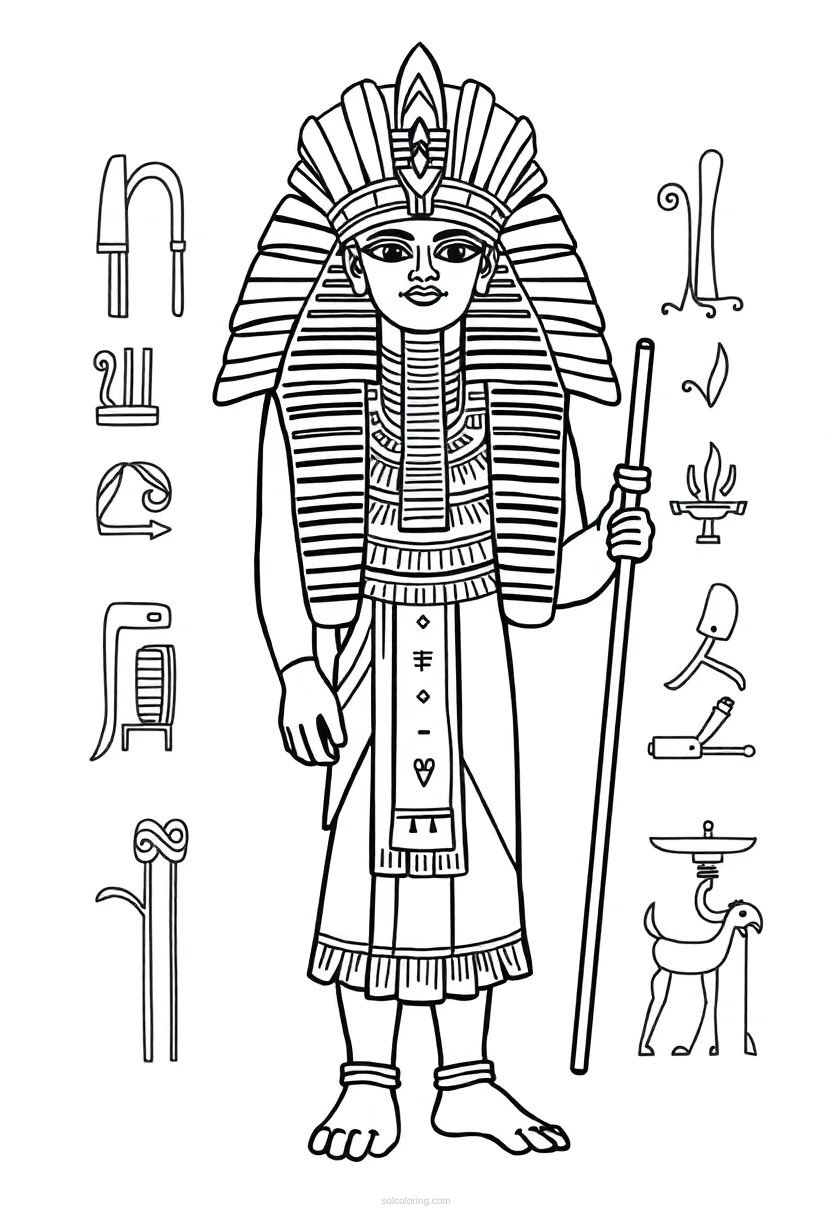
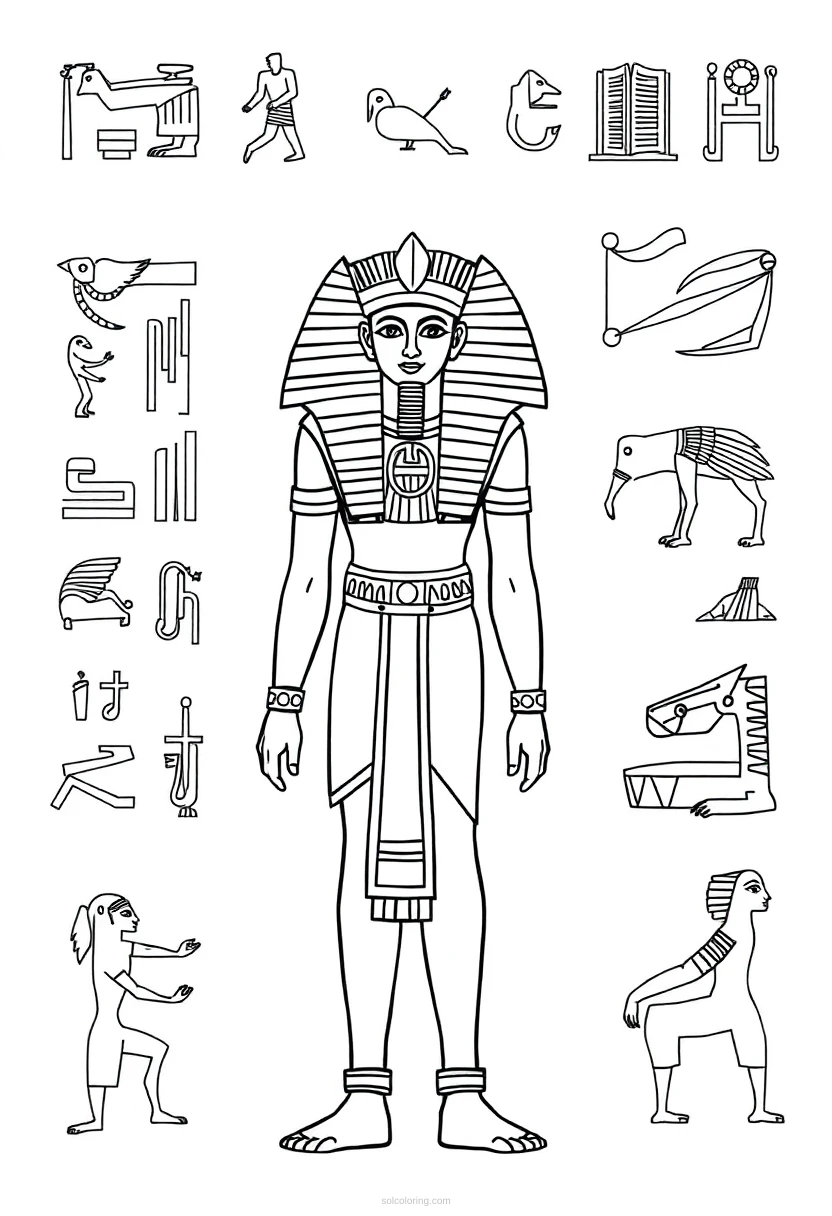
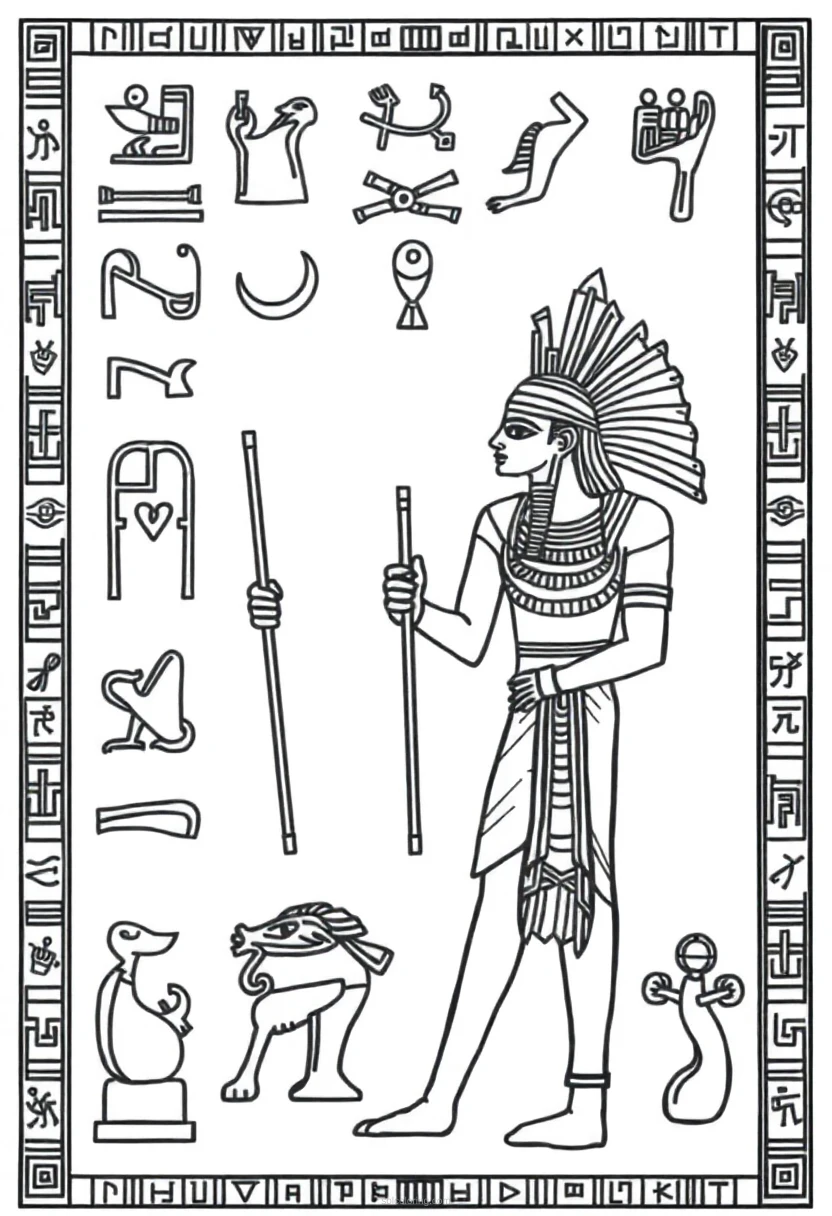
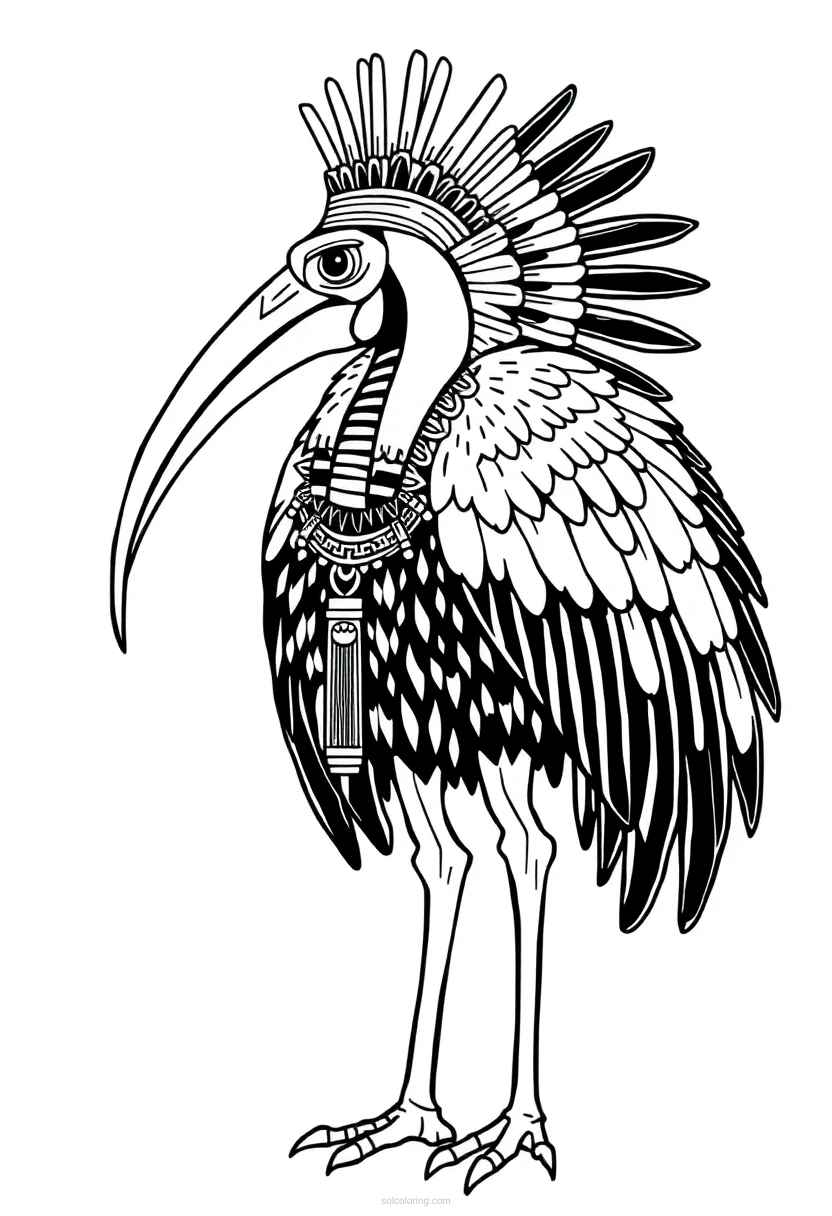
This captivating Thoth Ibis God coloring page features the ancient Egyptian deity depicted with his iconic ibis head and traditional hieroglyphic elements. The design showcases bold, clear outlines perfect for intermediate colorists who love mythology and want to explore Egyptian legends. Print this free coloring page to bring the wisdom god Thoth to life with your favorite colors!
Frequently asked
Why was Thoth depicted as an ibis bird in Egyptian mythology?
The ibis symbolized wisdom because ancient Egyptians observed its intelligent hunting behavior and curved beak resembled the crescent moon, connected to time-keeping. Thoth controlled the lunar calendar and measured time itself, making the ibis the perfect representation of this knowledge-keeper god.
What were Thoth's main responsibilities in ancient Egypt?
Thoth invented writing, mathematics, and hieroglyphics, serving as the divine scribe who recorded all knowledge and sacred truths. He was believed to oversee justice, magic, and wisdom. Egyptians also credited him with creating the 365-day calendar by observing the stars and moon cycles.
Did Thoth appear in any famous Egyptian myths and stories?
Yes, Thoth played a key role in the myth of Osiris and Set, helping to restore Osiris after his murder. He was also the voice of reason among the gods and served as a mediator in divine disputes. Thoth also assisted in the afterlife judgment process, recording whether souls deserved eternal peace.
Are these Thoth Ibis God coloring pages free?
Yes, absolutely! All our free printable coloring pages, including Thoth Ibis God, are completely free to download and print. No hidden fees, no signup required, and no watermarks. Simply visit Sol Coloring, find your favorite design, and print it instantly from home.
What age are these Thoth Ibis God coloring pages for?
Our Thoth Ibis God coloring pages are designed for ages 8 to 14, offering both beginner and intermediate difficulty levels. Younger children enjoy simpler designs with larger spaces, while older kids appreciate intricate details and cultural elements that spark learning and creativity.