Greek
Centaurs: Half Horse Creatures Coloring Pages
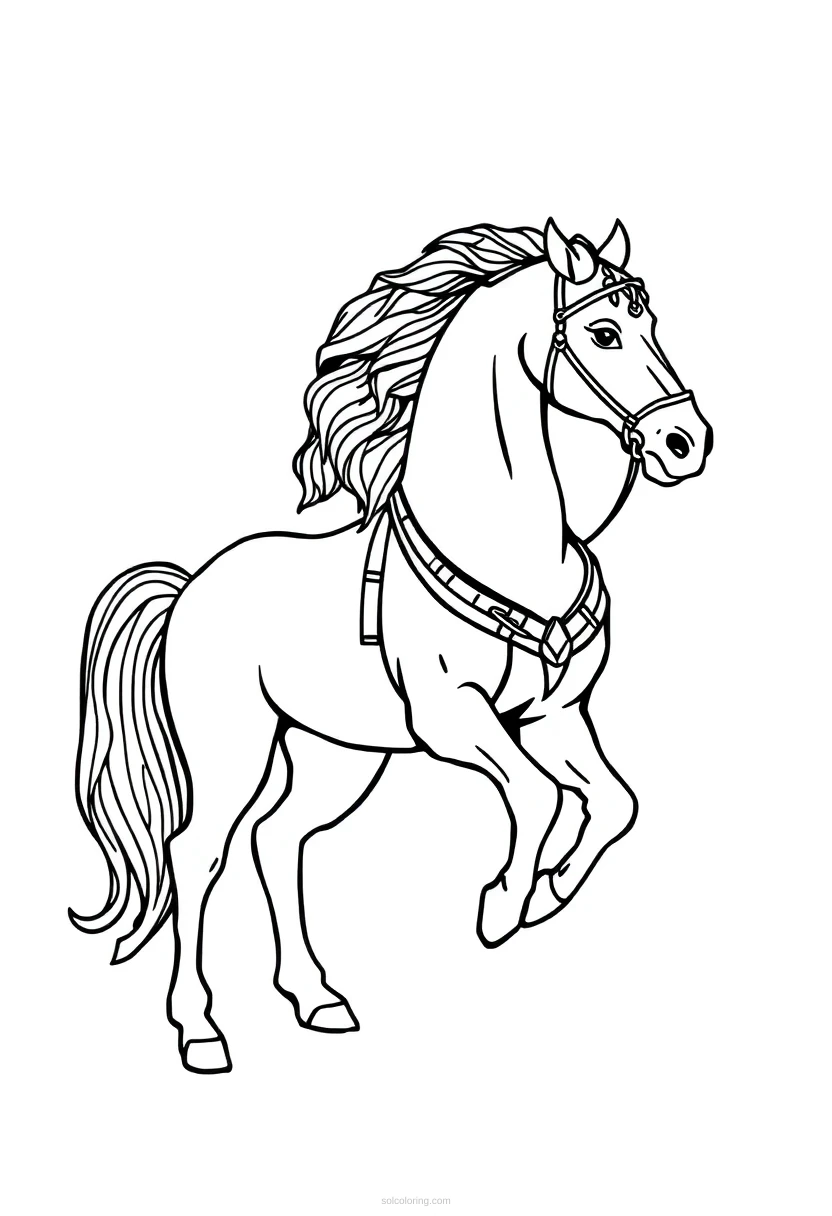
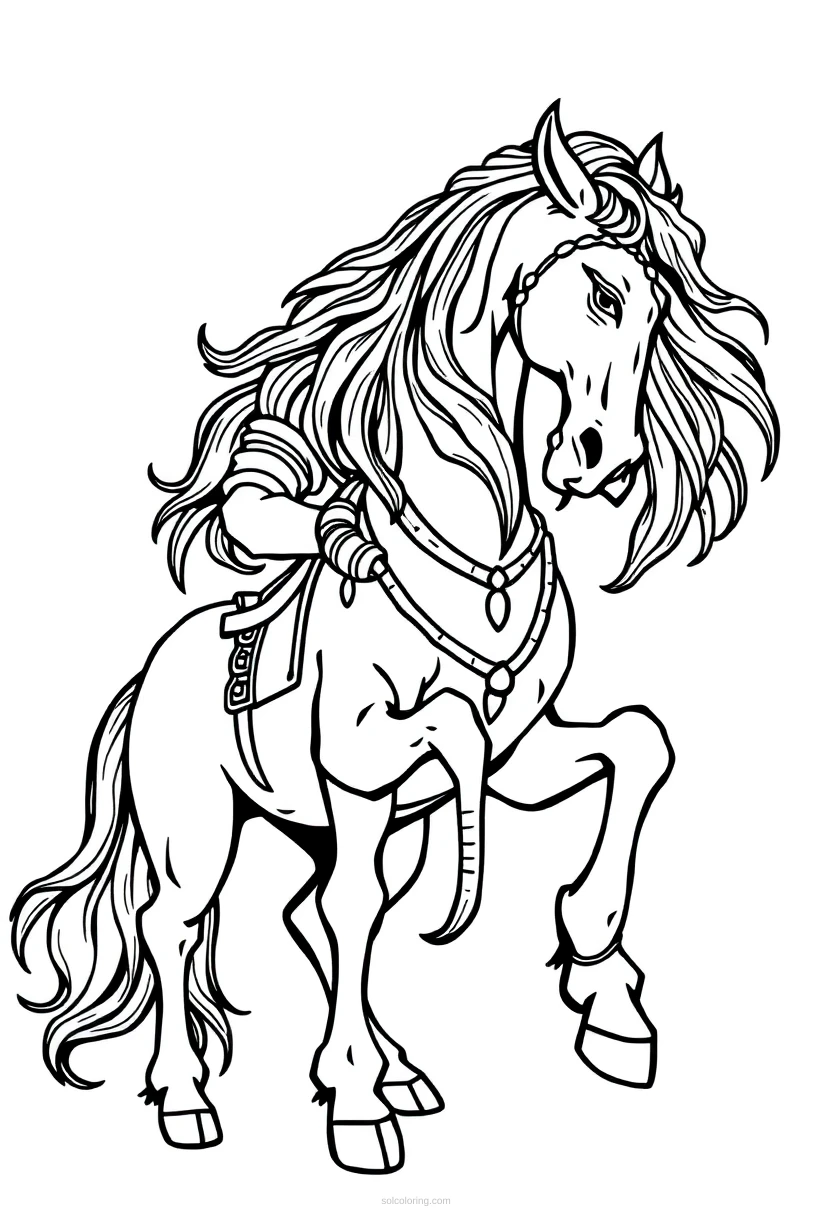
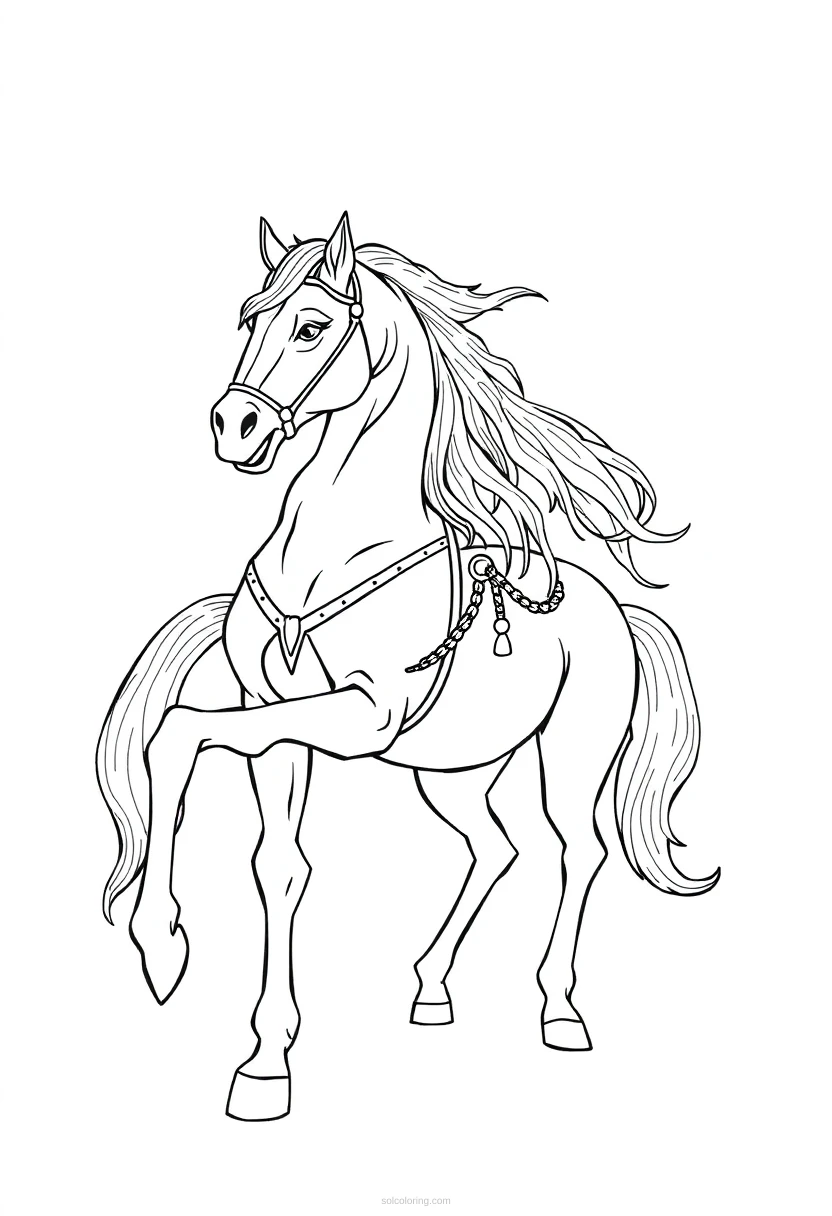
6 free printable designs including Standard, Standard, Standard, Standard and more.
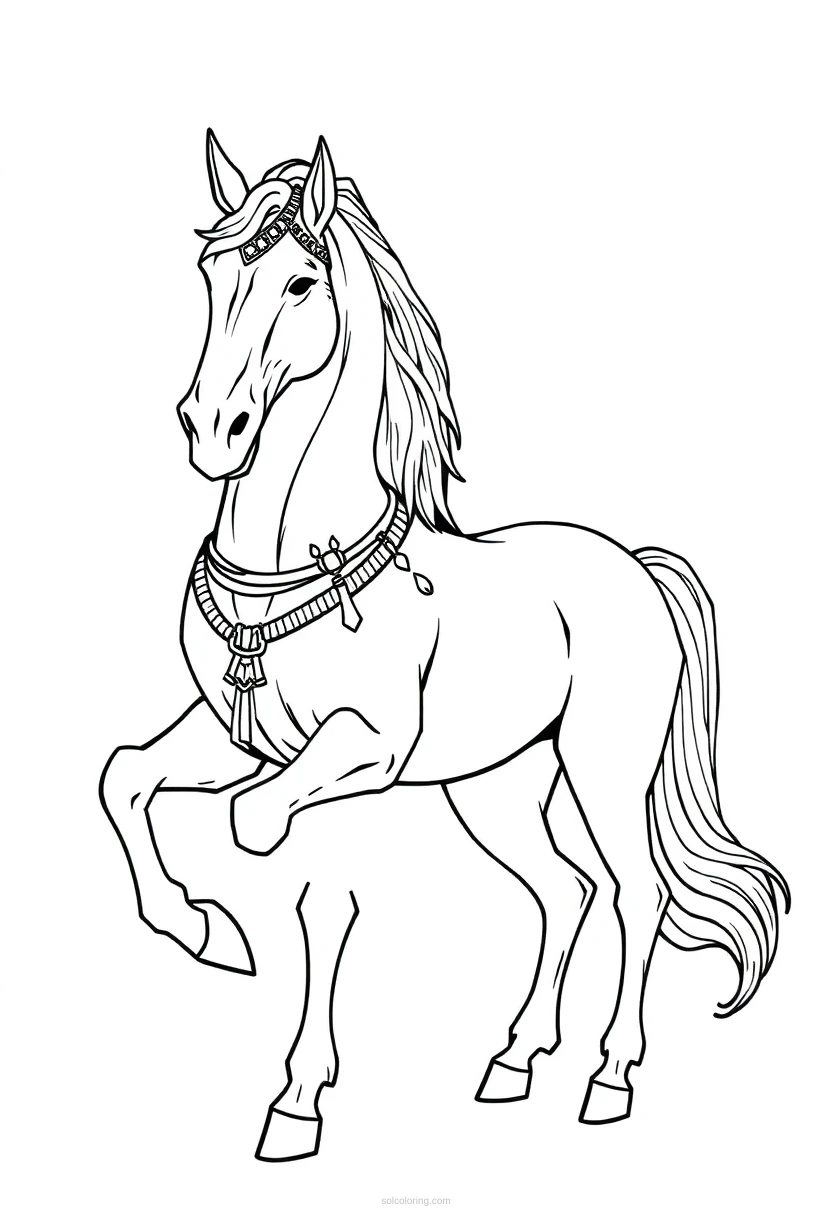
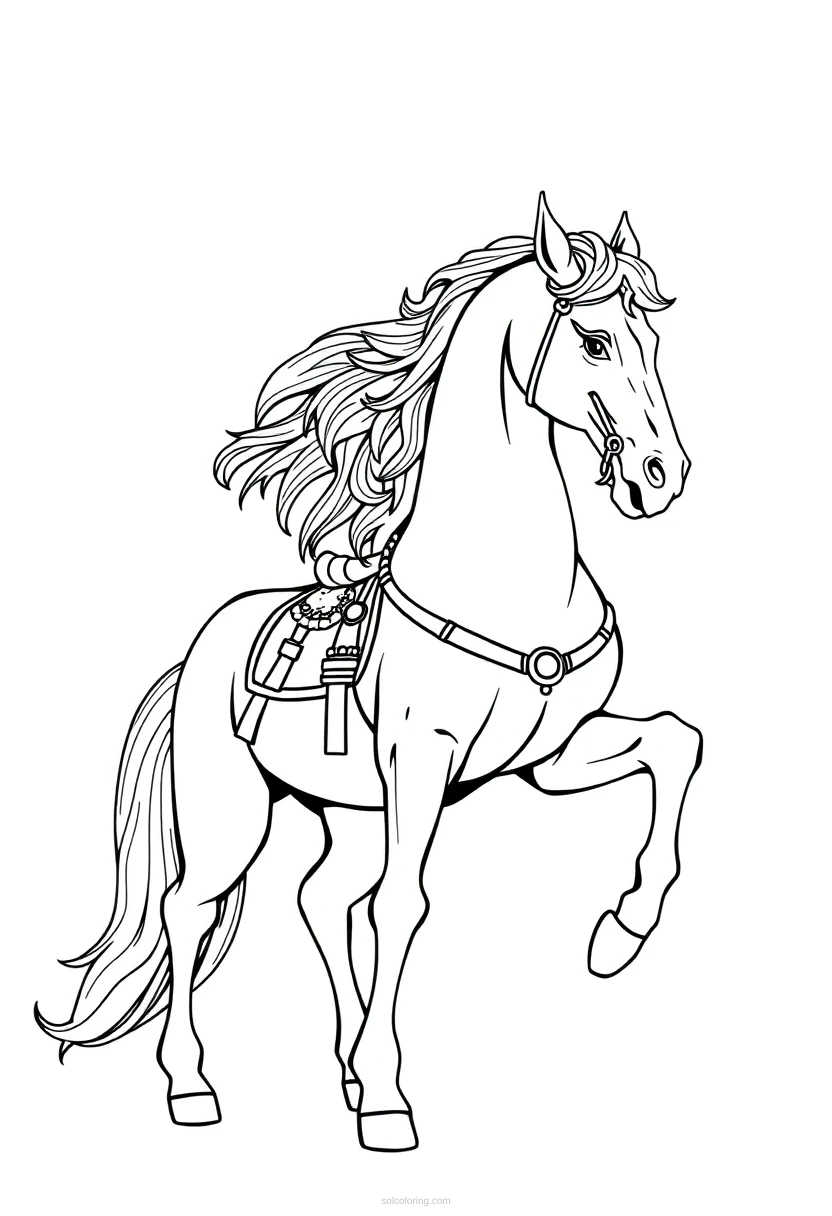
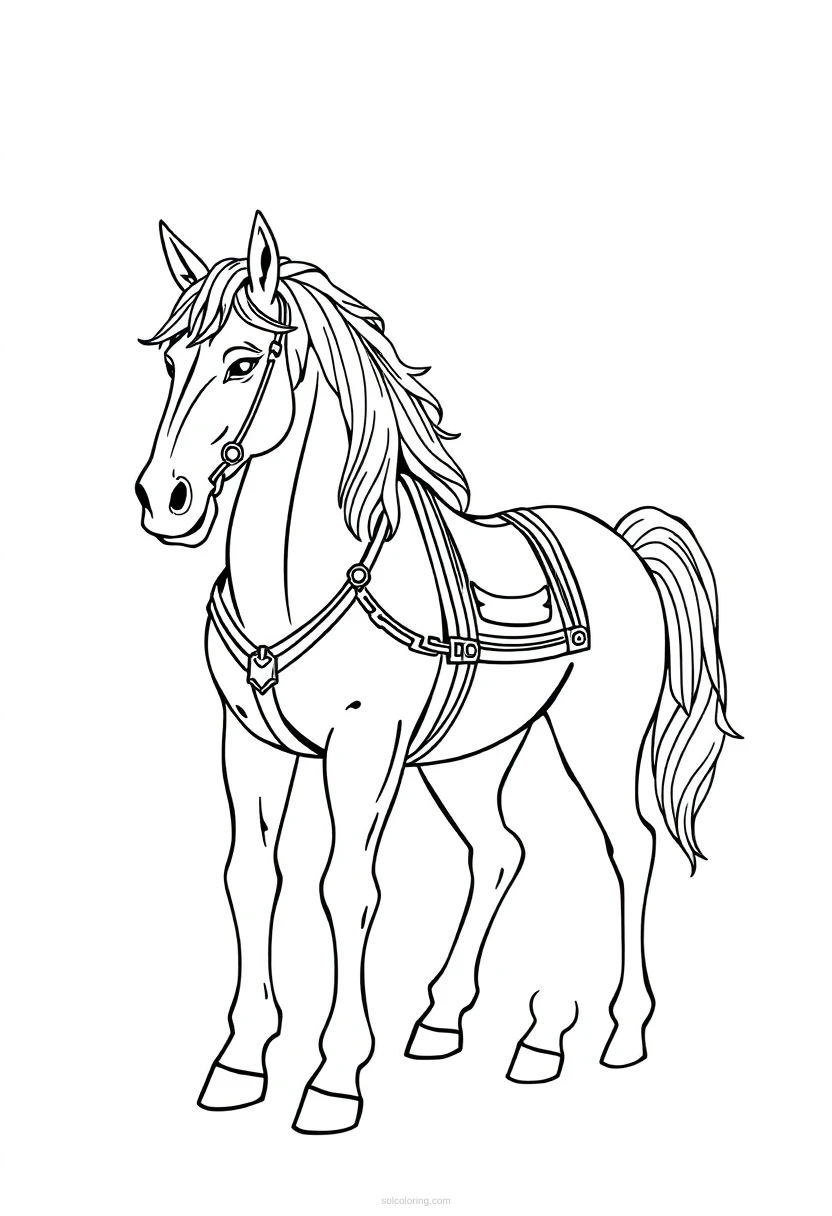
Centaurs are legendary creatures from ancient Greek mythology that combine the upper body of a human with the lower body of a horse. These fascinating beings have captivated imaginations for thousands of years and appear in countless Greek myths and stories. Centaurs represent the clash between civilization and wild nature, often symbolizing the struggle between our human intellect and our animal instincts. Download our free printable coloring page featuring these magnificent hybrid creatures, perfect for bringing these mythological beings to life with color. Whether you are interested in mythology or simply enjoy creative art, our free printable coloring page offers a fun way to explore ancient legends.
Read more →Read less ↑
Choose a style
Did you know?
Fun facts about Centaurs: Half Horse Creatures
Chiron, the wise centaur who taught Greek heroes, was actually the son of a Titan and was immortal, making him unique among centaurs and legendary as the greatest teacher in Greek mythology.
The word 'centaur' comes from the Greek 'kentauros,' which may derive from words meaning 'one who herds cattle,' suggesting early origins in observing mounted warriors.
In Greek mythology, centaurs were typically portrayed as wine-loving and wild, except for the noble Chiron, creating a stark contrast between savage nature and civilized wisdom.
Ancient Greek vases often depicted centaurs wearing human armor on their upper bodies and carrying weapons, showing artists' attempts to blend human civilization with animal nature.
Centaurs were said to inhabit Thessaly in northern Greece, a region known for its skilled horsemen, which likely inspired the mythological connection between humans and horses.
About Centaurs: Half Horse Creatures
Where did the Centaur myth originate in ancient Greece?
Centaurs likely originated from early Greeks encountering skilled horsemen from the Eurasian steppes around 1500 BCE. Since most Greeks had never seen people riding horses before, they imaginatively blended human and horse forms together, creating the iconic centaur mythology that has endured for thousands of years.
What did Centaurs represent in Greek mythology and culture?
Centaurs symbolized the wild, untamed nature that exists within all humans. They represented the constant battle between our civilized, rational human side and our primal, instinctive animal nature. This duality made them popular subjects for exploring human morality and self-control in ancient Greek stories.
Were all Centaurs depicted as wild and dangerous creatures?
Not all centaurs were portrayed as savage beings. Chiron, the most famous centaur, was known as a wise teacher and healer who trained Greek heroes like Achilles. This wise centaur contrasted sharply with other centaurs, showing that some could master their wild instincts through wisdom and virtue.
How were Centaurs typically depicted in ancient Greek art?
Ancient Greek artists showed centaurs in various ways: some depicted them with human torsos seamlessly joined to horse bodies, while others showed them with exaggerated animal features. Famous artworks include scenes of centaurs battling Lapiths and depictions of the wise centaur Chiron training young heroes.
What role did Centaurs play in famous Greek myths and battles?
Centaurs featured prominently in Greek mythology, most famously in the Titanomachy and the Centauromachy. The Centauromachy was a great battle between centaurs and the Lapith people, symbolizing the triumph of civilization over savagery. Centaurs also appeared in the adventures of heroes like Heracles and Theseus.
How have Centaurs influenced modern fantasy and storytelling?
Centaurs remain iconic in modern fiction, appearing in fantasy novels, games, and films. Modern creators have reimagined centaurs as noble warriors, wise mentors, or misunderstood creatures, building on the ancient Greek foundation while adding fresh perspectives to these timeless mythological beings.
More Greek coloring pages
Coloring page FAQs
Are these Centaur coloring pages free?
Yes, all our Centaur coloring pages are completely free to download and print. No signup, no hidden fees, and no restrictions. Simply visit our website, select your favorite design, and print as many copies as you like on standard A4 or Letter paper.
What age are these Centaur coloring pages for?
Our Centaur coloring pages are designed for ages 8 to 14, with varying difficulty levels. Younger children can enjoy simpler designs with larger areas to color, while older kids appreciate more detailed and intricate mythological illustrations.
How do I print these Centaur coloring pages?
Printing is simple and quick. Download the PDF file to your computer, then open it with any PDF reader. Click print, select your printer, choose A4 or Letter paper size, and hit print. No special software or technical knowledge required.