Greek
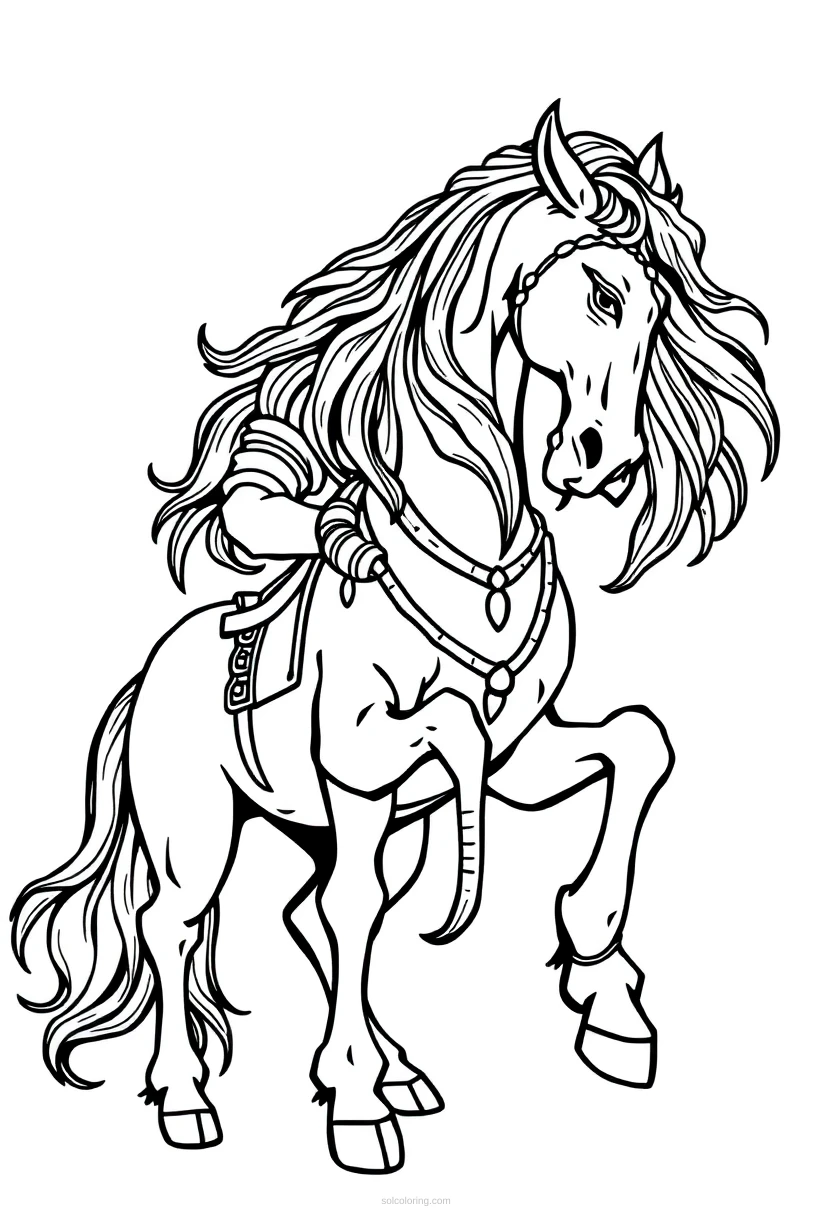
Centaur Half Horse Creature Coloring Page
Standard style
About this coloring page
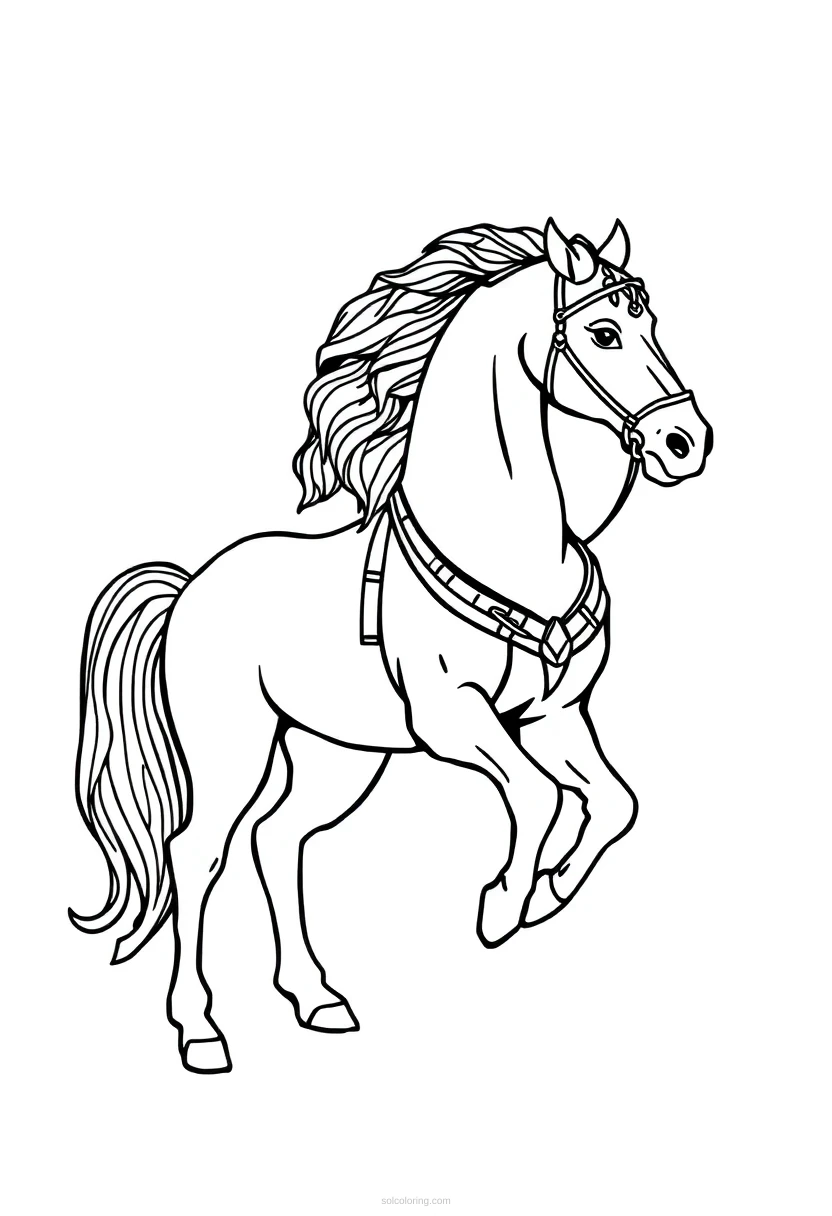
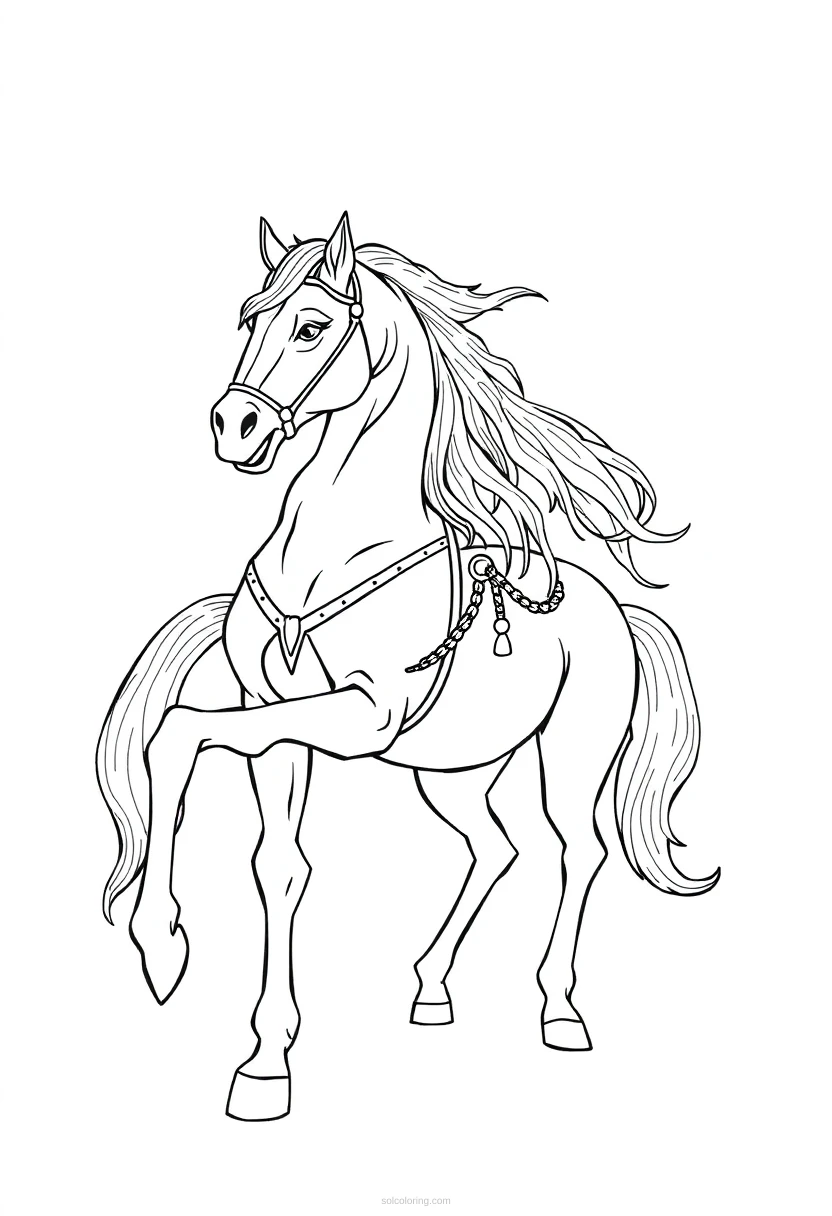
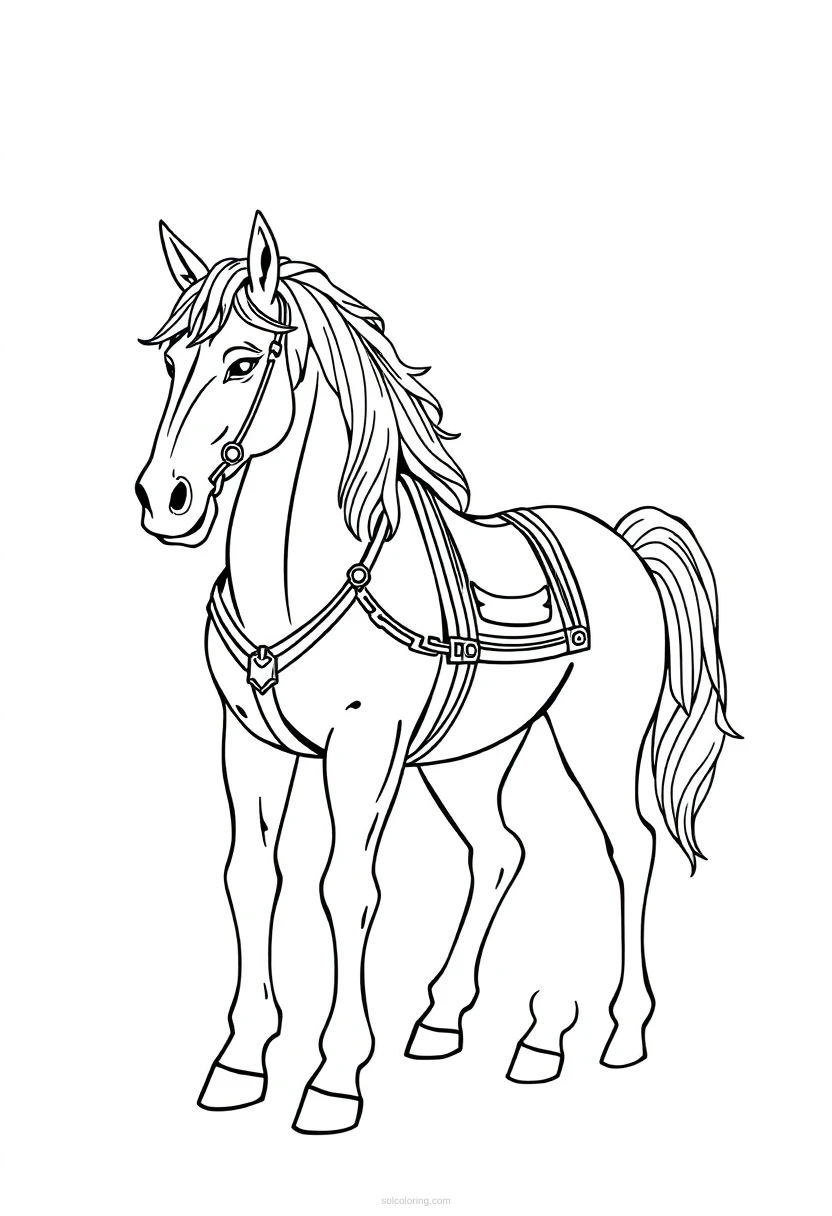
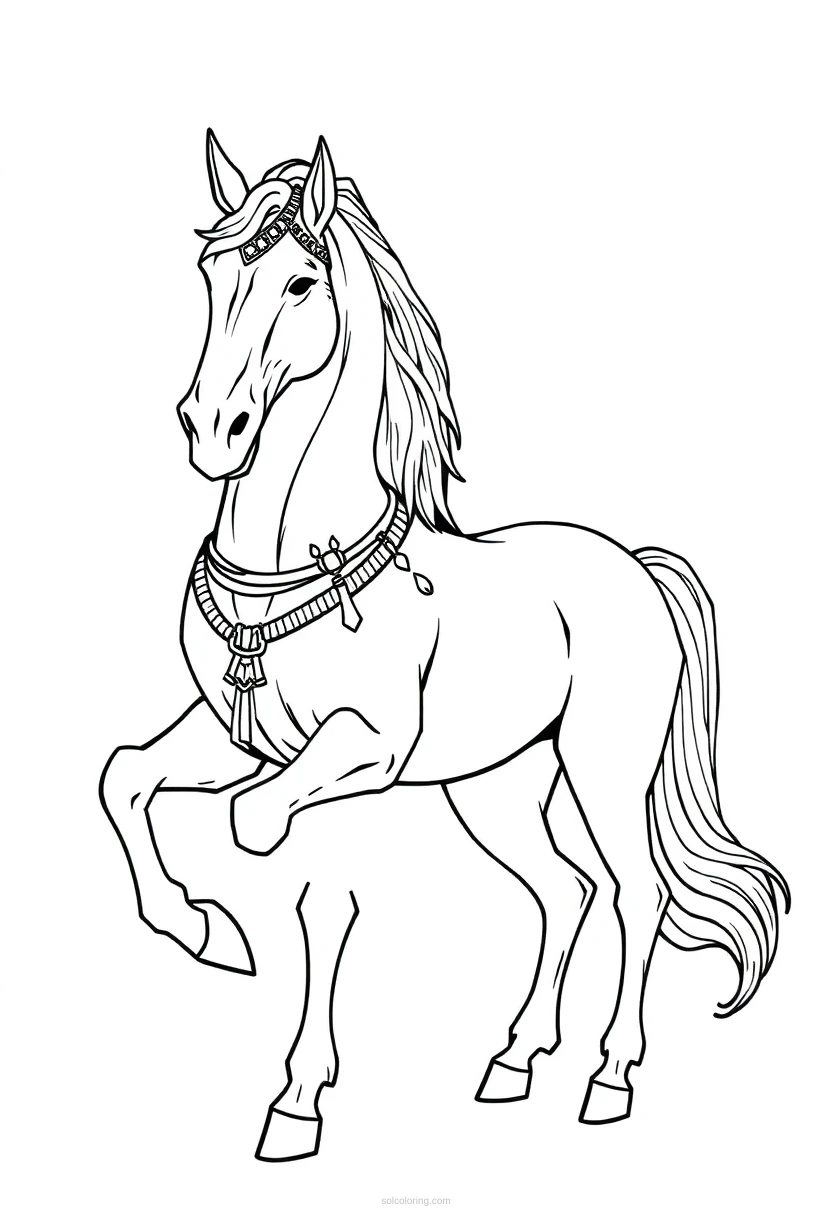
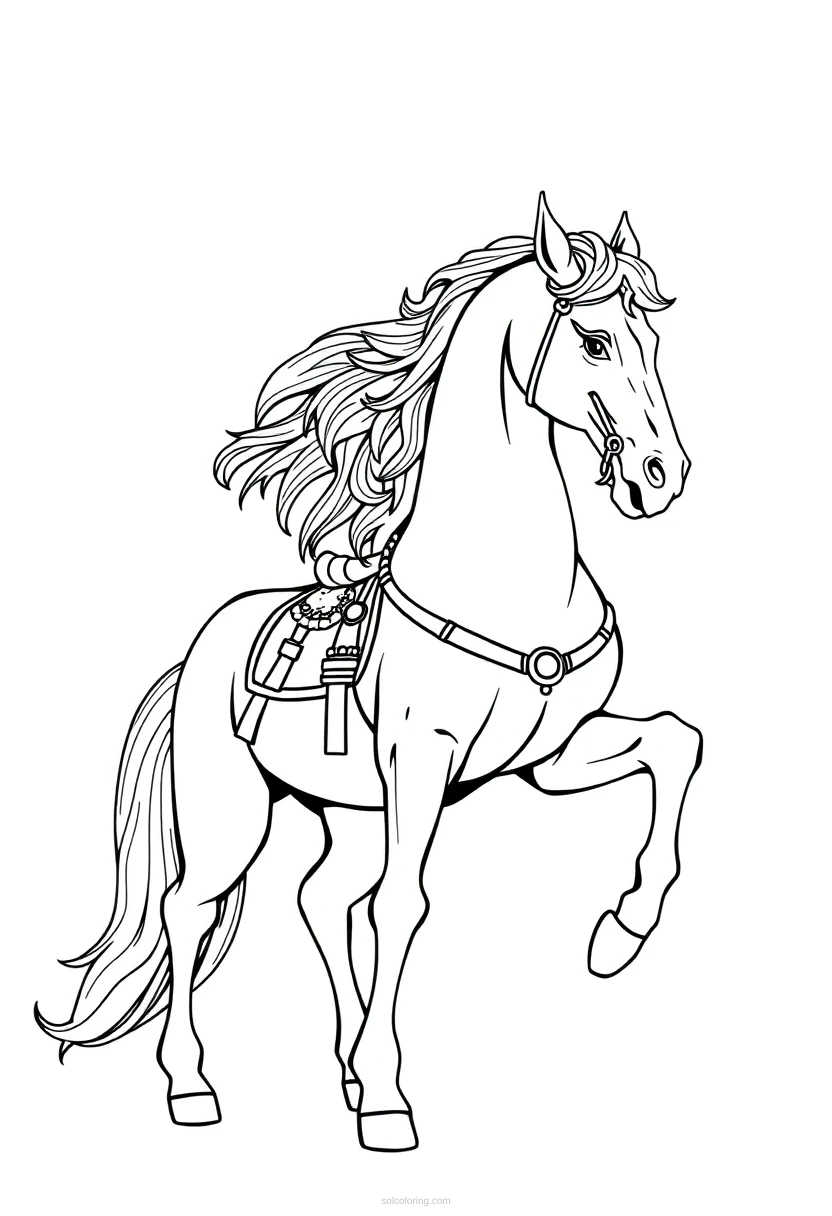
This captivating Centaur Half Horse Creature coloring page features a majestic mythological being with the torso of a human and the powerful body of a horse, complete with bold, clear outlines perfect for all skill levels. The detailed realistic design showcases the centaur in a dynamic pose, making it an exciting free printable coloring activity that brings Greek mythology to life. Perfect for mythology enthusiasts and coloring fans alike!
Frequently asked
Where did the Centaur myth originate in ancient Greece?
Centaurs likely originated from early Greeks encountering skilled horsemen from the Eurasian steppes around 1500 BCE. Since most Greeks had never seen people riding horses before, they imaginatively blended human and horse forms together, creating the iconic centaur mythology that has endured for thousands of years.
What did Centaurs represent in Greek mythology and culture?
Centaurs symbolized the wild, untamed nature that exists within all humans. They represented the constant battle between our civilized, rational human side and our primal, instinctive animal nature. This duality made them popular subjects for exploring human morality and self-control in ancient Greek stories.
Were all Centaurs depicted as wild and dangerous creatures?
Not all centaurs were portrayed as savage beings. Chiron, the most famous centaur, was known as a wise teacher and healer who trained Greek heroes like Achilles. This wise centaur contrasted sharply with other centaurs, showing that some could master their wild instincts through wisdom and virtue.
Are these Centaur coloring pages free?
Yes, all our Centaur coloring pages are completely free to download and print. No signup, no hidden fees, and no restrictions. Simply visit our website, select your favorite design, and print as many copies as you like on standard A4 or Letter paper.
What age are these Centaur coloring pages for?
Our Centaur coloring pages are designed for ages 8 to 14, with varying difficulty levels. Younger children can enjoy simpler designs with larger areas to color, while older kids appreciate more detailed and intricate mythological illustrations.