
Greek
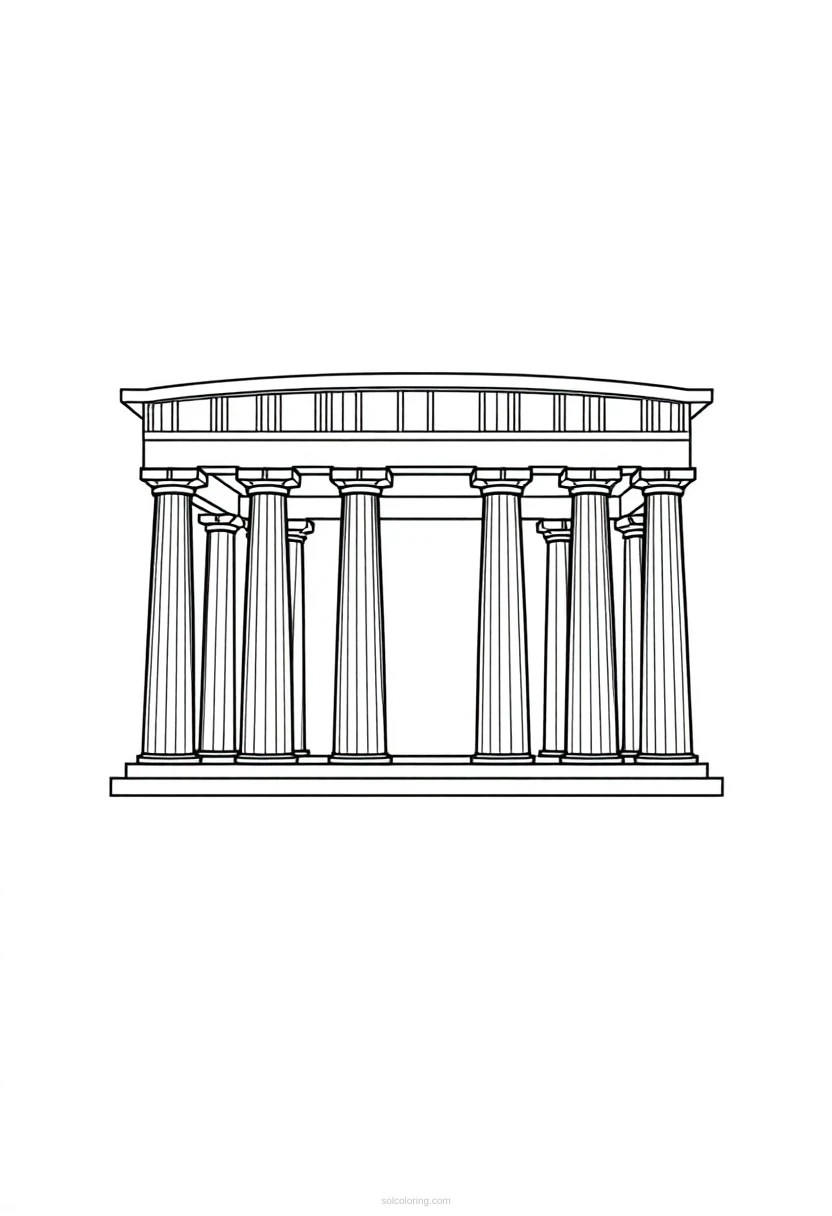
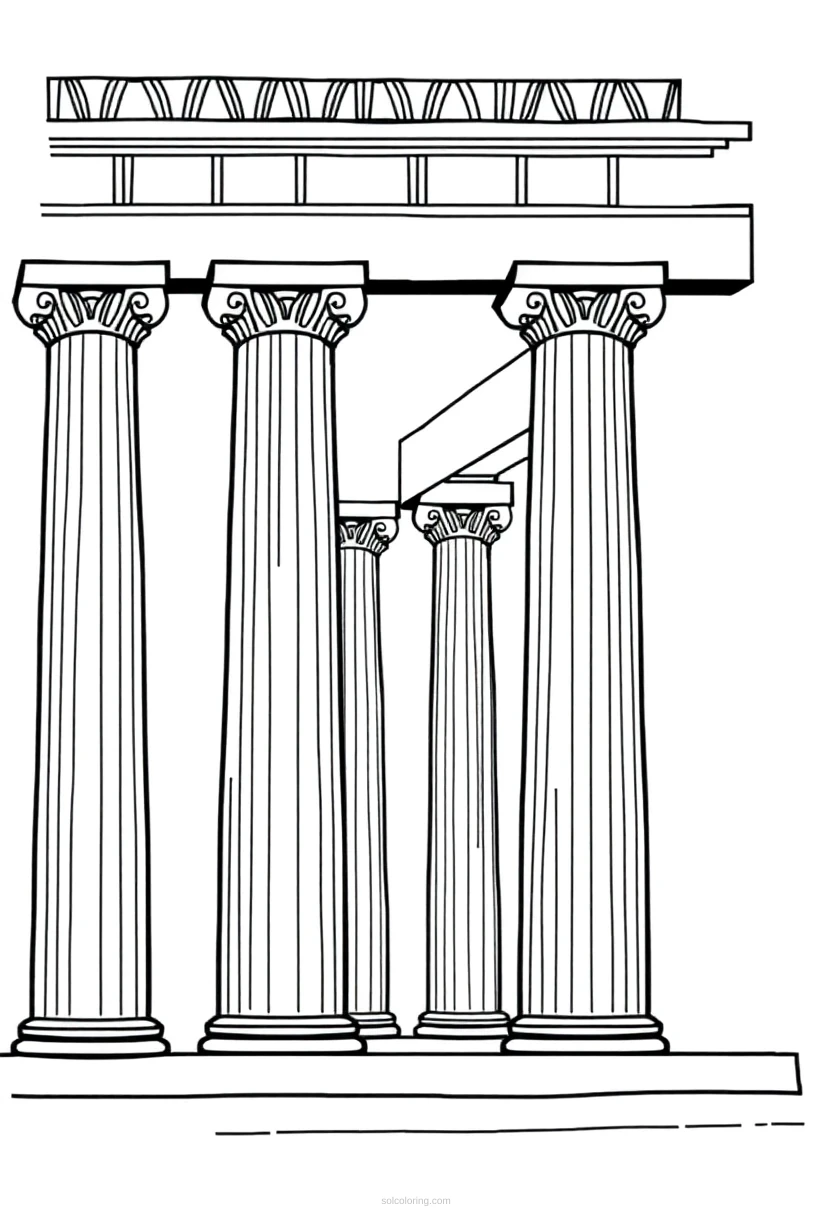
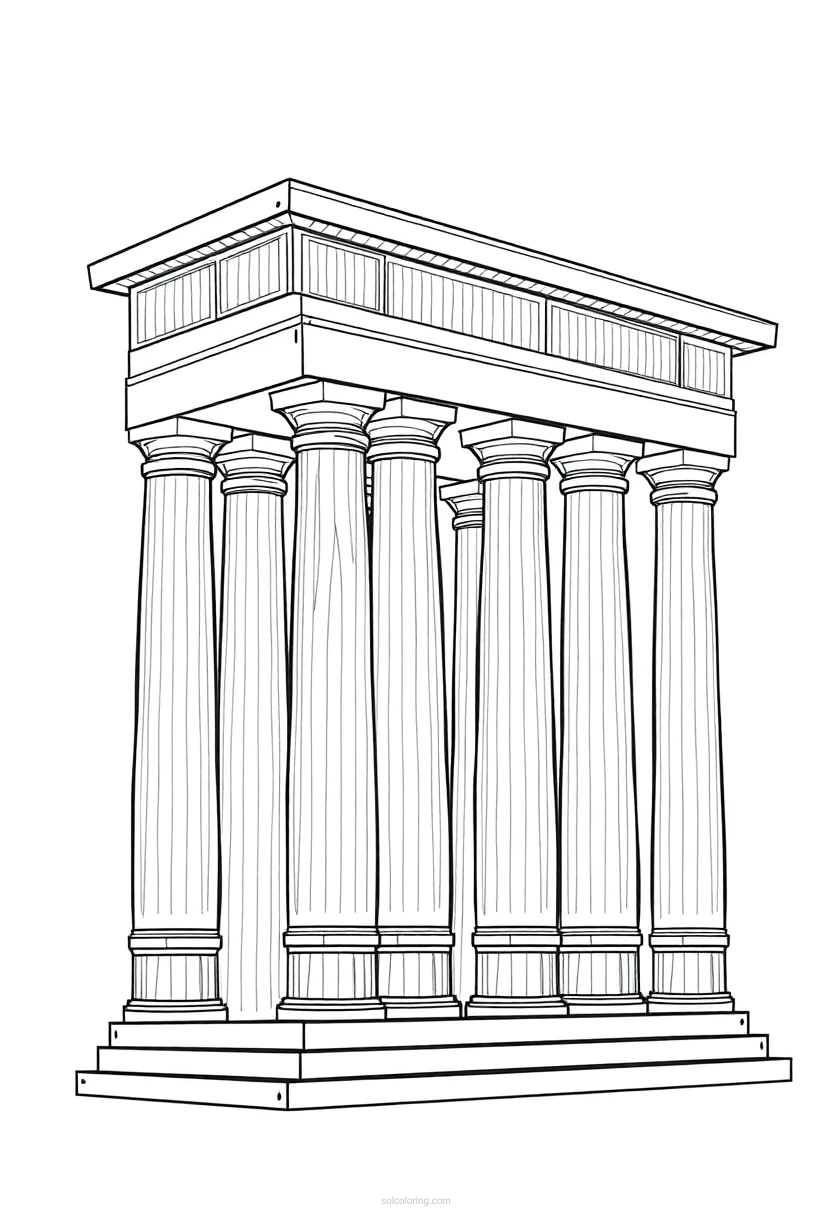
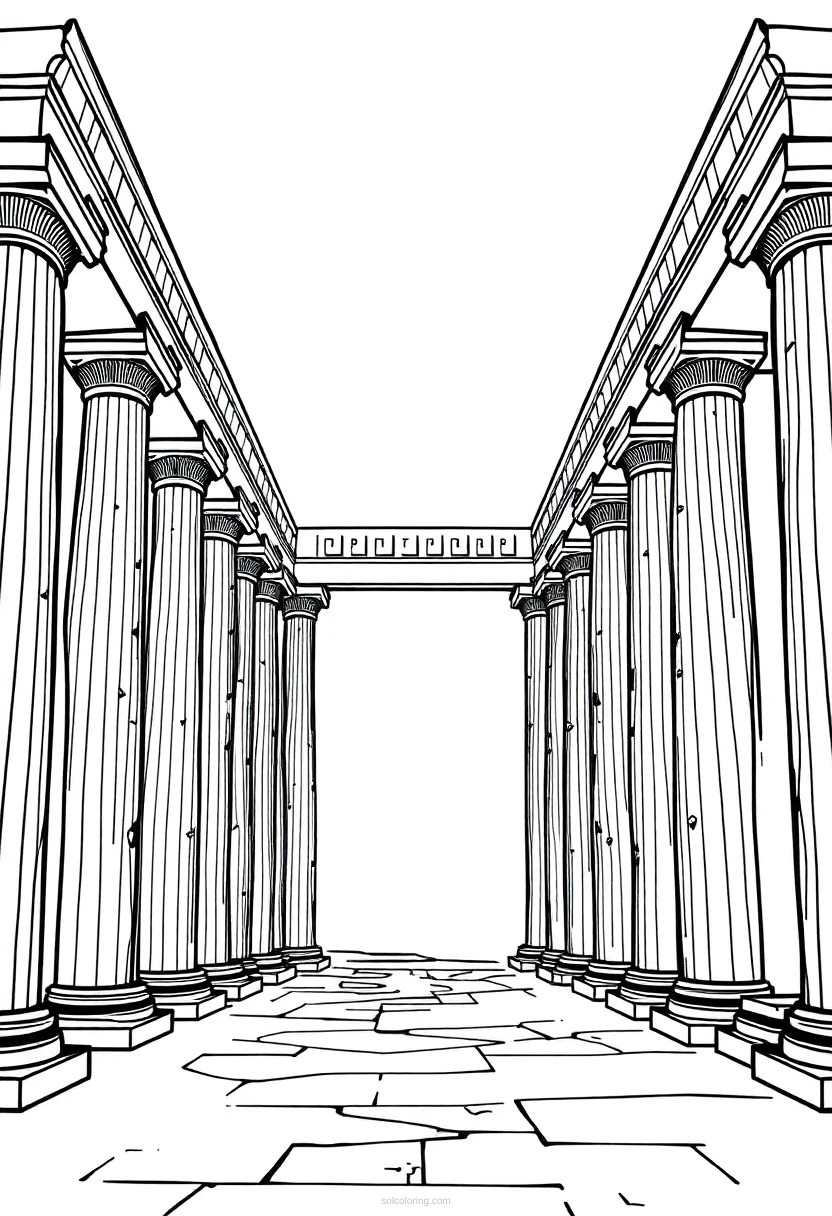
Greek Temple Columns Coloring Pages
6 free printable designs including Standard, Standard, Standard, Standard and more.
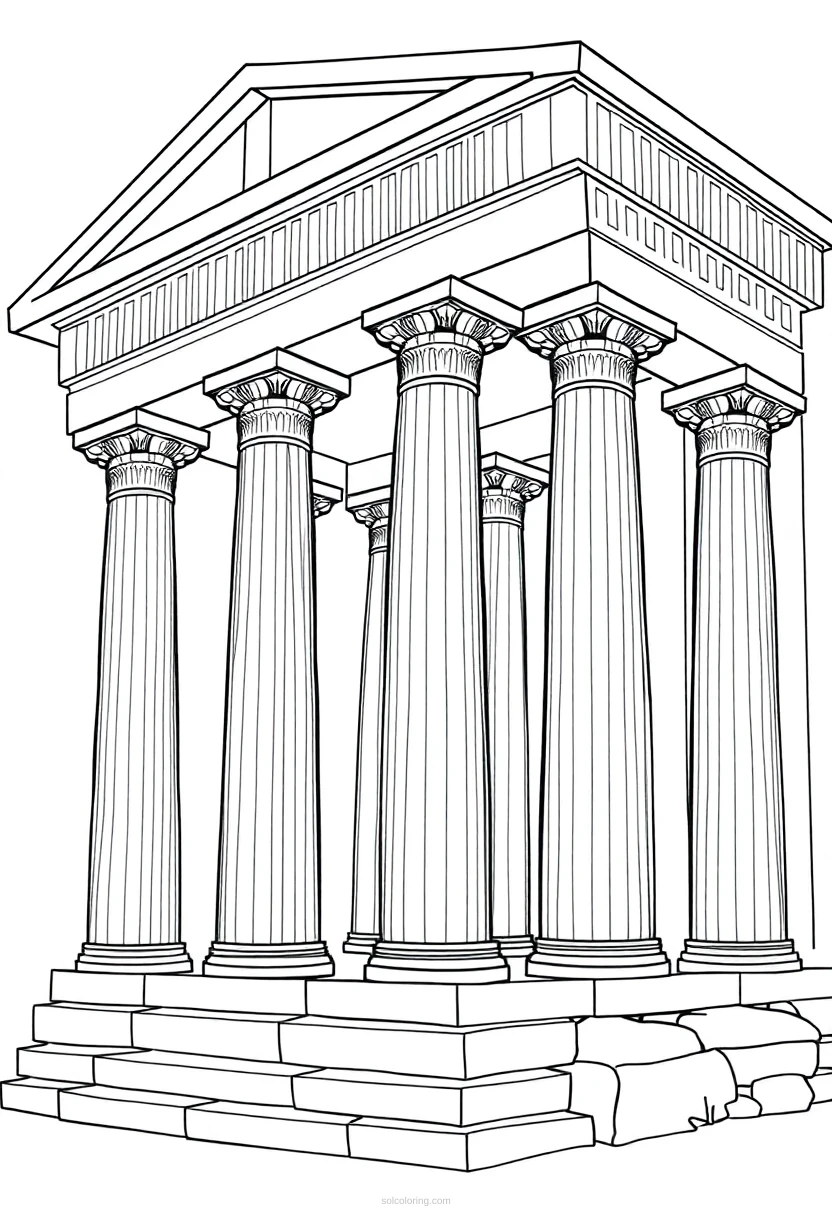
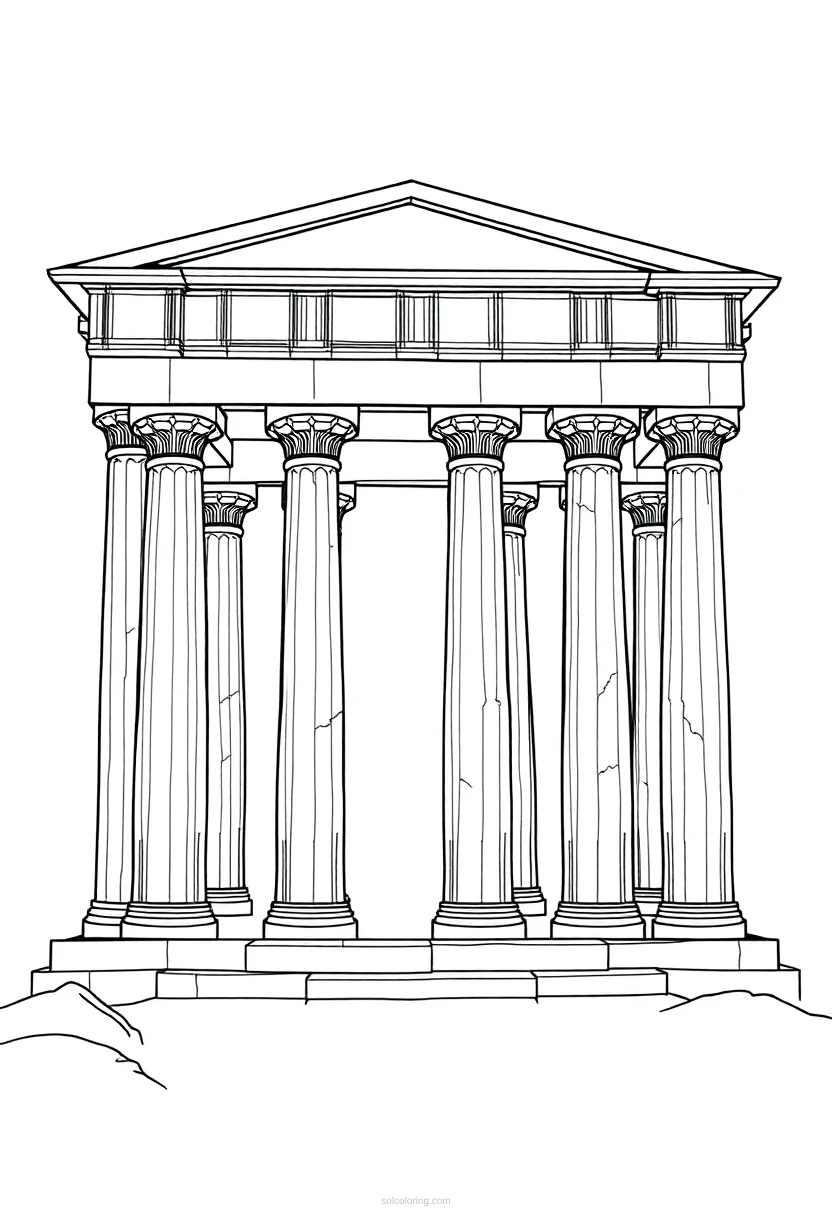
Ancient Greek temple columns are some of the most iconic architectural features in human history. These magnificent structures supported the roofs of grand temples dedicated to gods and goddesses, and their elegant designs influenced architecture for thousands of years. Learning about the three main column styles, Doric, Ionic, and Corinthian, helps us understand how the ancient Greeks solved building challenges while creating beauty. Our free printable coloring pages let you explore these classical designs in detail, perfect for history lovers and art enthusiasts. Color your own Greek temple columns and discover why these structures remain so admired today.
Read more →Read less ↑
Choose a style
Did you know?
Fun facts about Greek Temple Columns
The Parthenon's columns aren't perfectly straight, they bulge slightly in the middle, a technique called entasis that makes them appear more graceful and prevents them from looking like they're bowing outward.
Ancient Greek temples were originally painted in bright reds, blues, and golds, not the plain white we see in museums today, completely changing how impressive they must have appeared.
A single Doric column from the Parthenon weighs about 25 tons, which is as heavy as five African elephants, yet Greeks moved and stacked these blocks without modern cranes.
The word 'column' comes from the Latin word 'columna,' but the Greeks called their vertical supports 'stulos,' and they invented the three foundational column designs still used in architecture worldwide.
Some Greek temples used optical illusions in their columns: they varied column heights and spacing slightly so the temple would look perfectly balanced to viewers, even though mathematically it wasn't.
About Greek Temple Columns
What are the three main types of Greek temple columns?
The three classical Greek column orders are Doric, Ionic, and Corinthian. Doric columns are the simplest and sturdiest, with no base. Ionic columns feature elegant scrolls called volutes at the top. Corinthian columns are the most decorative, adorned with leaf-like acanthus designs. Each style reflected different Greek city-states' preferences and evolved over centuries of temple construction.
Why did ancient Greeks use columns in their temples?
Columns served crucial structural purposes by supporting heavy stone roofs and distributing weight downward to foundations. Beyond function, Greeks saw columns as symbols of strength, beauty, and divine majesty. The vertical lines created impressive silhouettes visible from distances, making temples powerful landmarks. Columns also provided covered spaces for religious ceremonies and sheltered worshippers from Mediterranean weather.
How tall were ancient Greek temple columns?
Greek temple columns varied greatly in height depending on the building's size and order style. Doric columns typically stood between 20 to 30 feet tall, while Ionic and Corinthian columns stretched even higher, sometimes exceeding 40 feet. The Parthenon's Doric columns reached approximately 34 feet high, supporting an entire roof while appearing gracefully proportioned to human viewers below.
What materials were Greek temple columns made from?
Most Greek temple columns were carved from marble or limestone, prized for their durability and beautiful appearance. White Pentelic marble from Athens was especially popular for important temples. Builders stacked cylindrical stone drums with precise fitting, using iron clamps to hold them together. Some columns were later covered with colorful paint, though many appear plain white in museums today.
Did Greek columns have any special decorative patterns?
Yes, columns featured distinctive carved details called fluting, which are vertical grooves running along the shaft. These grooves served both artistic and practical purposes: they created shadows that highlighted the column's shape and made the massive stones appear lighter. The capital (top part) of each column style had unique decorations, from simple Doric designs to elaborate Corinthian acanthus leaves.
Are any ancient Greek temple columns still standing today?
Absolutely! The Parthenon in Athens still displays its original Doric columns, though some are damaged. The Temple of Hephaestus in Athens remains one of the best-preserved Greek temples with nearly all its columns intact. The Temple of Concord in Agrigento, Sicily, showcases 34 standing Doric columns. These surviving structures let us study authentic ancient architecture and appreciate Greek engineering excellence.
More Greek coloring pages
Coloring page FAQs
Are these Greek Temple Columns coloring pages free?
Yes, absolutely! All our Greek Temple Columns coloring pages are completely free to download and print. You'll find a variety of designs from simple columns to detailed temple scenes. Just visit Sol Coloring, select your favorite free printable coloring page, and print as many copies as you like without any signup required.
What age are these Greek Temple Columns coloring pages for?
Our Greek Temple Columns coloring pages work great for ages 8 to 14 and beyond. We offer different difficulty levels, from basic column outlines for younger artists to intricate architectural details for older kids and adults who enjoy a challenge and want to learn more about ancient Greece.
How do I print these Greek Temple Columns coloring pages?
Printing is simple and requires no special software. Download the PDF file, then use your home printer to print on standard A4 or Letter-sized paper. No account creation needed. You can print in color or black and white, and adjust settings for your preferred paper type and quality.