
Futuristic Tech
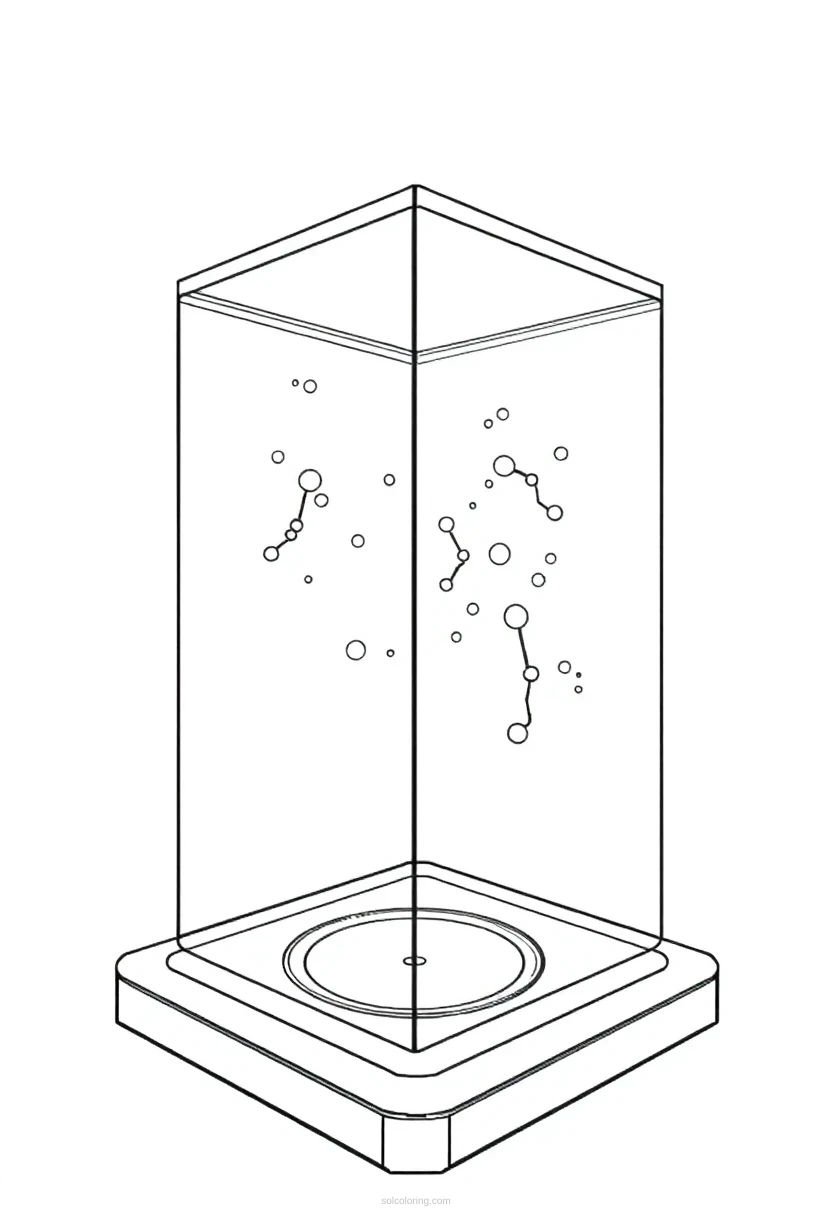
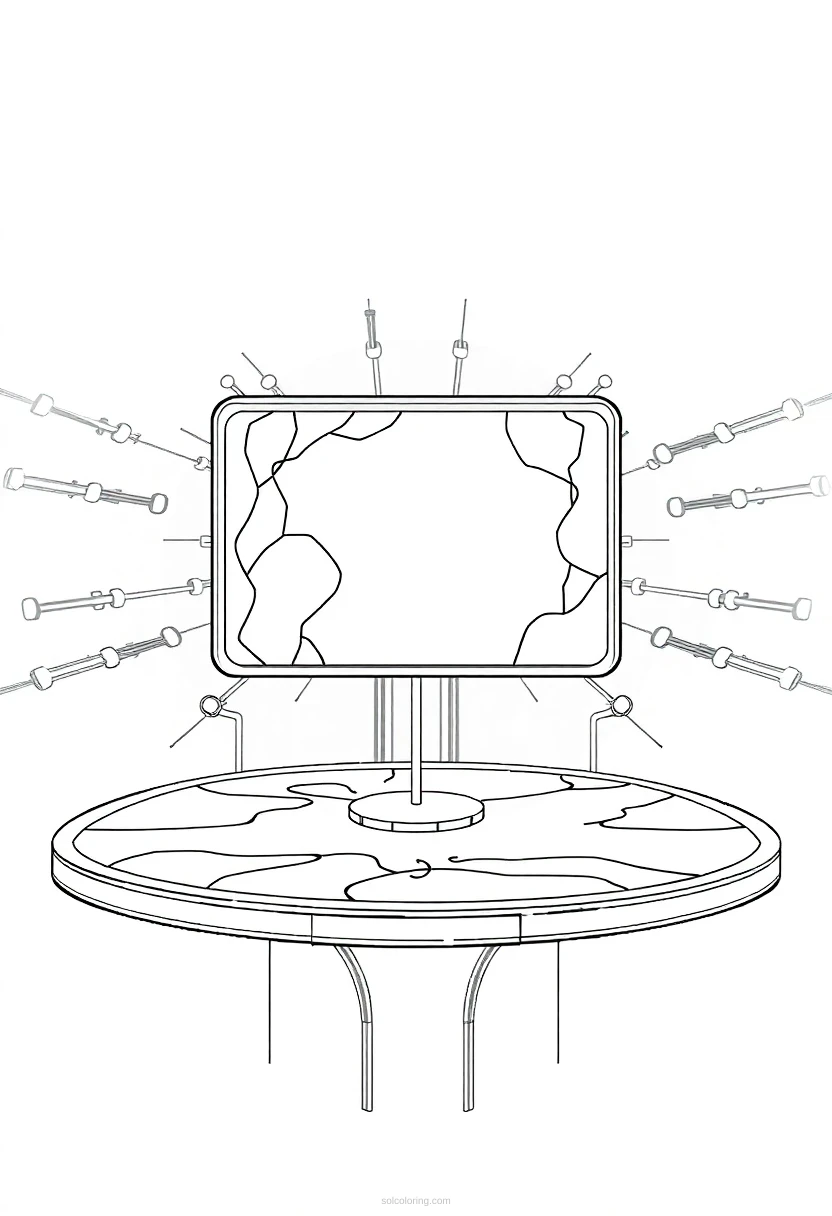
Holographic Display Interface Coloring Pages
6 free printable designs including Standard, Standard, Standard, Standard and more.
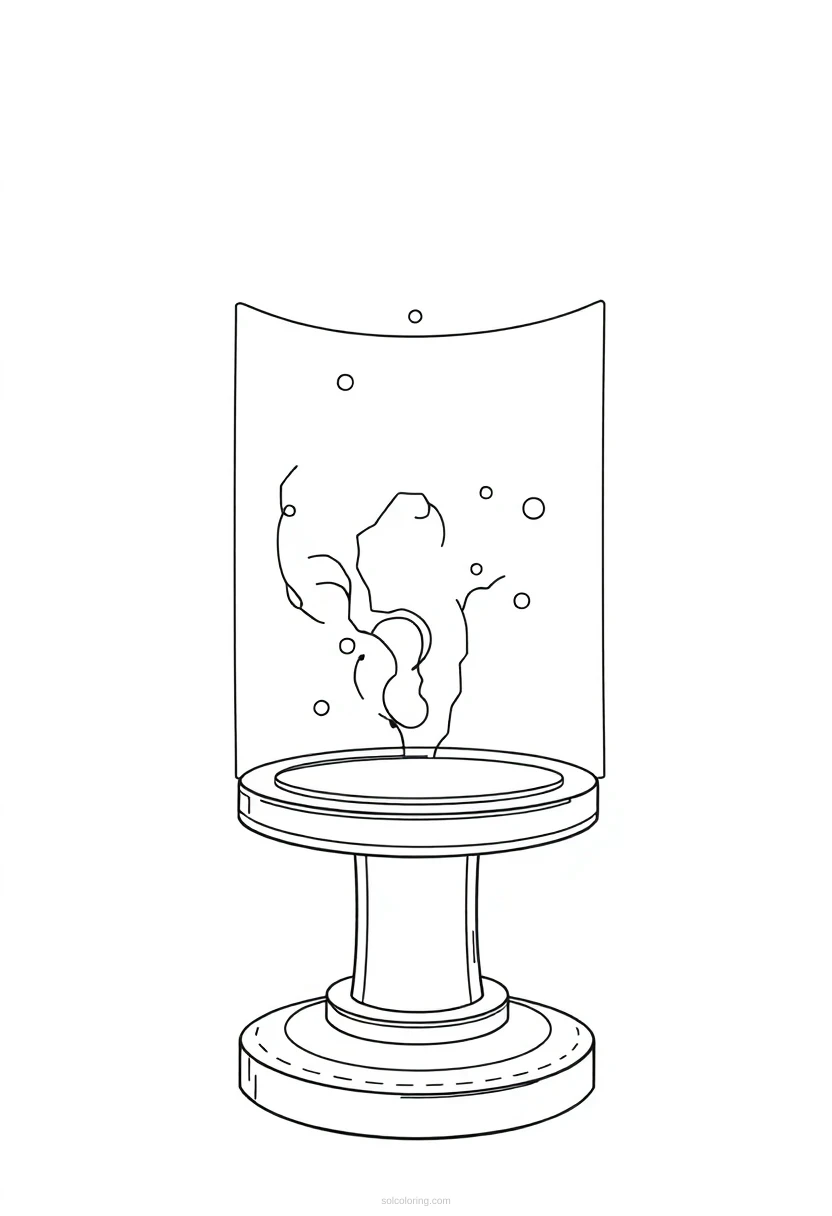
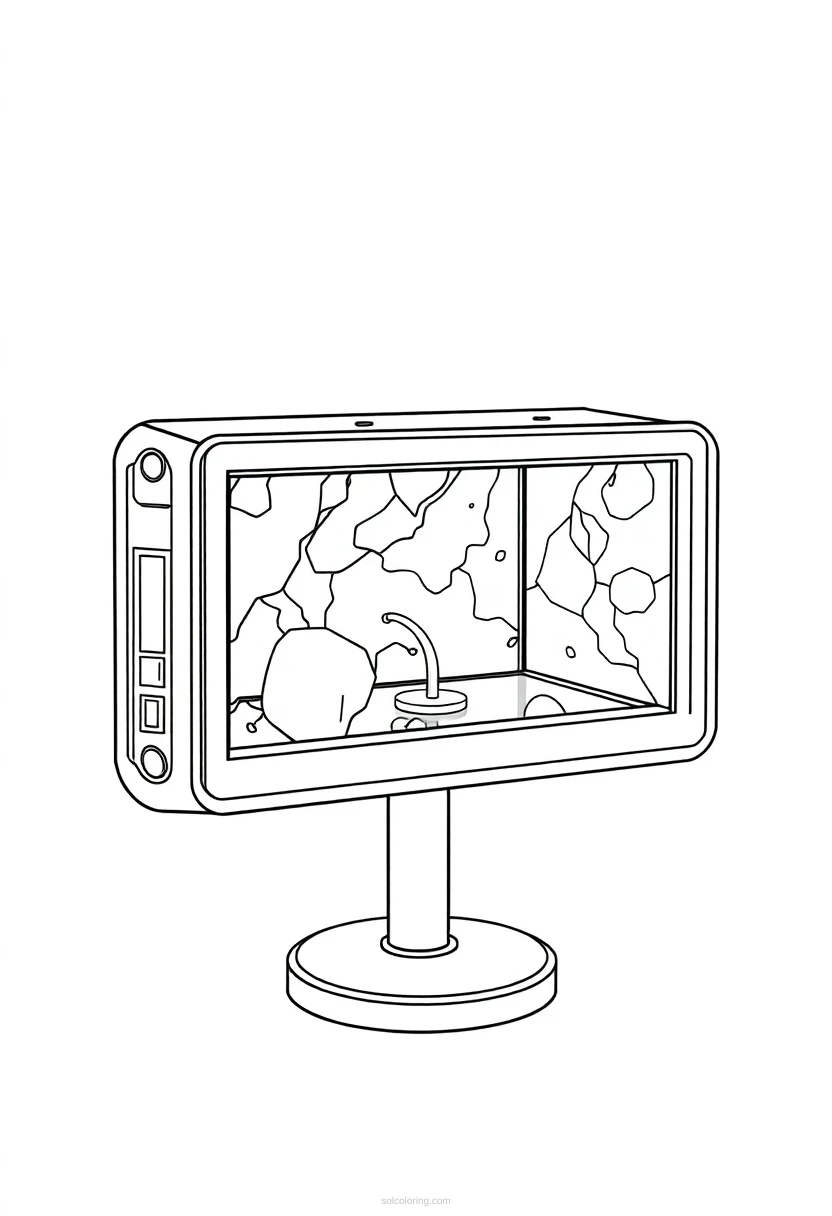
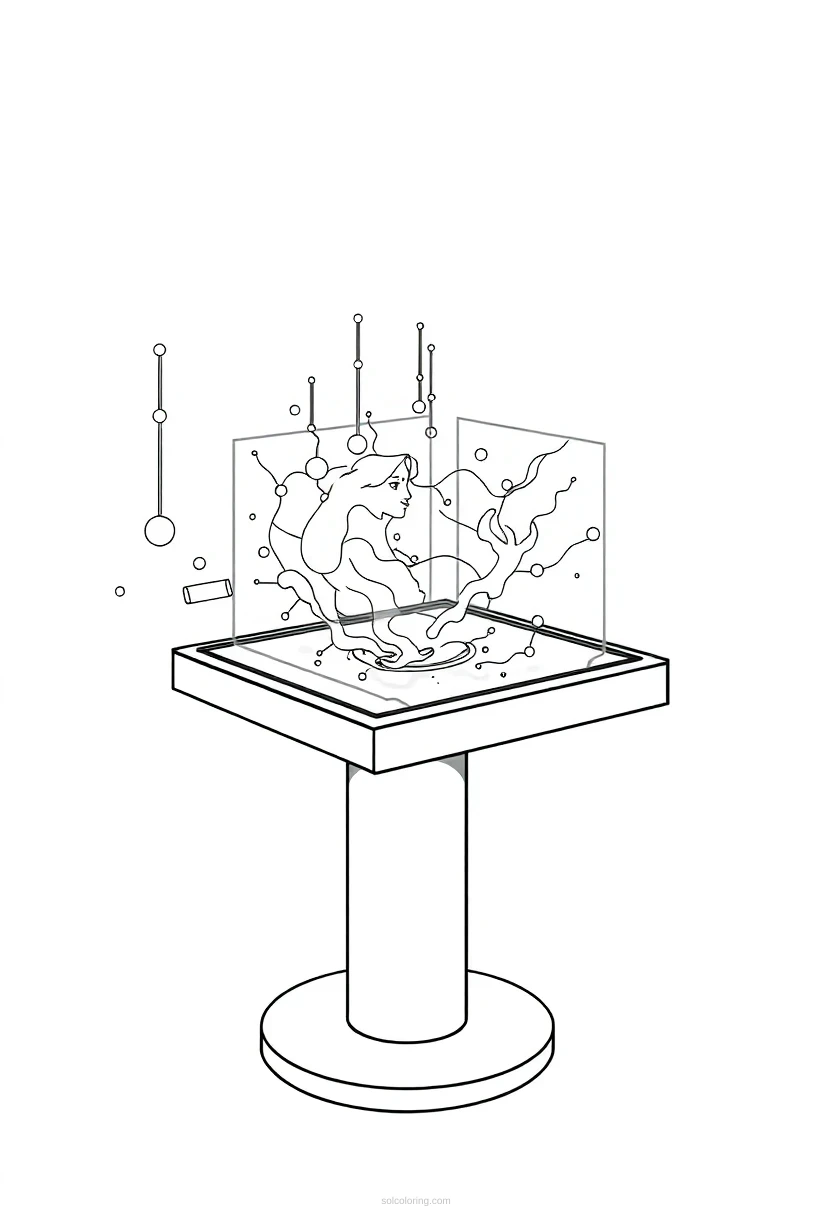
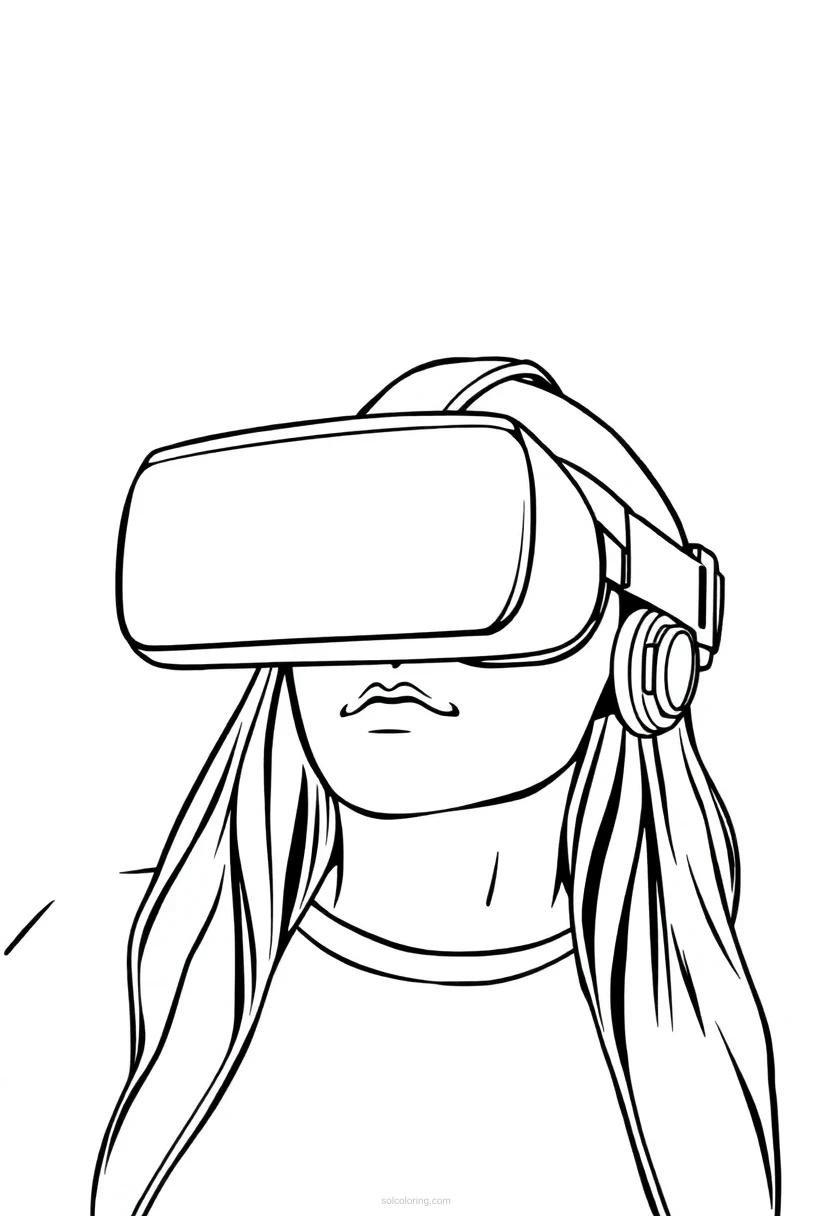
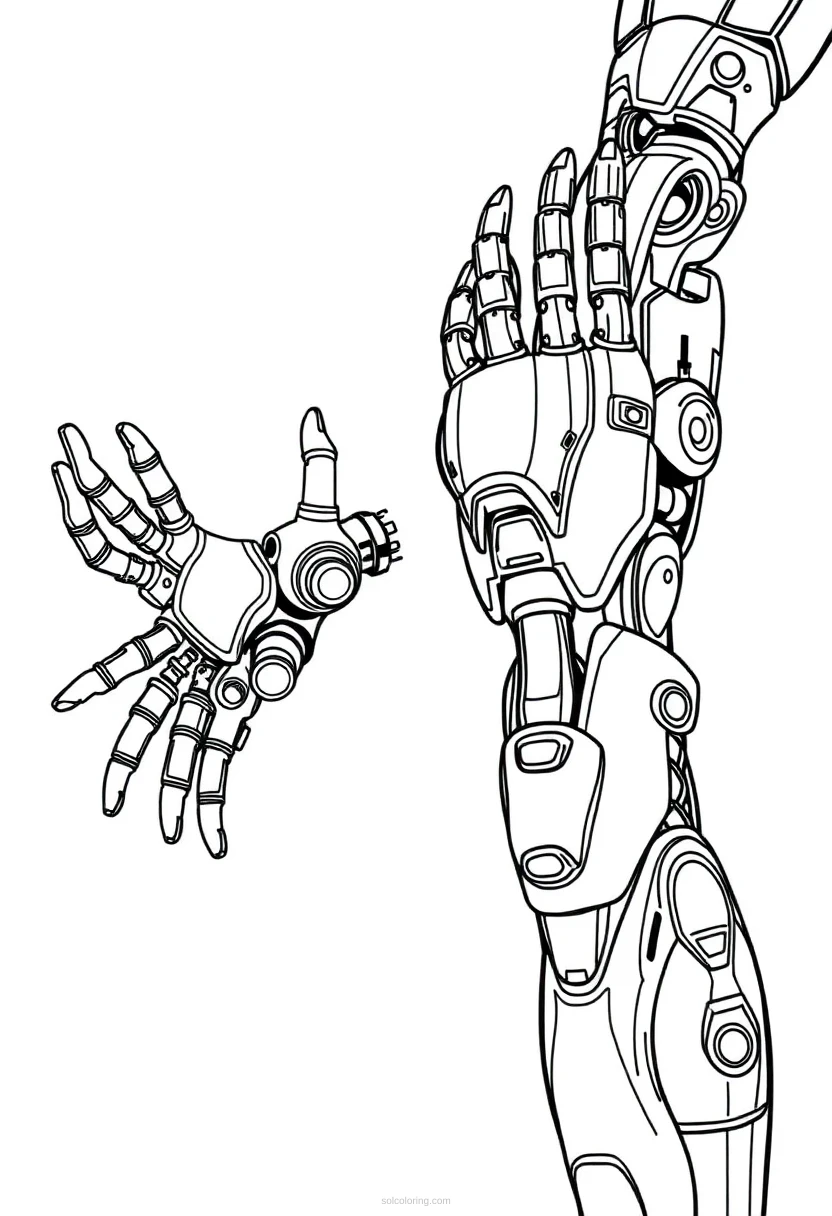
Imagine robots communicating through shimmering three-dimensional displays that float in mid-air. Holographic display interfaces represent one of the most exciting frontiers in robotics technology, allowing machines and humans to interact in entirely new ways. These futuristic screens use light and advanced technology to create stunning visual experiences without traditional flat monitors. Our free printable coloring page captures the wonder of this cutting-edge innovation, perfect for young tech enthusiasts. Color this free printable coloring page and explore how tomorrow's robots might see and share information with the world around them.
Read more →Read less ↑
Choose a style
Did you know?
Fun facts about Holographic Display Interface
The first practical holographic display was demonstrated in 1994, but early versions were the size of a refrigerator and required intense laser light sources.
Some researchers are developing holographic displays that work without special glasses, using what is called 'glasses-free 3D' technology that calculates different images for each of your eyes.
MIT scientists created a holographic display system that can show moving images with realistic shadows and lighting effects that respond to viewers' movements.
Military and aerospace industries are already testing holographic displays in fighter jets and command centers to help pilots and operators see information more intuitively during high-stress situations.
A Japanese company demonstrated a holographic display interface that could interact with virtual objects projected in mid-air, which scientists believe will be standard in robots within the next two decades.
About Holographic Display Interface
How do holographic displays actually create three-dimensional images?
Holographic displays use special light patterns and optical technology to project images that appear to float in space. Some systems use laser light, while others use specialized screens that bend and reflect light cleverly. The fascinating part: your brain perceives depth even though the image isn't actually solid, much like how 3D movies work in theaters.
Why would robots need holographic displays instead of regular screens?
Holographic displays offer unique advantages for robots. They allow information to be visible from multiple angles without rotating screens, take up less physical space, and create more intuitive human-robot interaction. Imagine a robot doctor showing patients a holographic scan of their body from all sides simultaneously. It's more efficient and interactive than flat screens.
What are some real-world applications of holographic displays in robots today?
Today, holographic technology appears in medical robots for surgery visualization, industrial robots that display technical data, and research robots. Companies are developing holographic interfaces for warehouse automation. While full-scale holographic robots from sci-fi movies aren't here yet, the technology is advancing rapidly and becoming more practical every year.
Could holographic displays replace smartphone and computer screens in the future?
Many tech experts believe holographic displays could revolutionize personal computing. Imagine placing a holographic keyboard and screen anywhere you want using a small device. However, challenges remain: power consumption, eye safety concerns, and cost. But as technology improves, holographic personal devices might become as common as smartphones are today.
What challenges do scientists face when creating holographic display technology?
Engineers struggle with several issues: creating bright, clear images viewable from wide angles, reducing power consumption, miniaturizing components, and ensuring eye safety. Color reproduction remains difficult, and creating truly seamless, flicker-free displays takes enormous processing power. Despite these obstacles, progress continues, bringing holographic displays closer to everyday use.
How might holographic displays change education and learning in the future?
Holographic displays could transform education by making learning more interactive and visual. Students could examine three-dimensional models of molecules, historical artifacts, or space objects from all angles. Remote learning could feel more immersive with holographic teachers and classmates. Medical students could practice surgery on holographic anatomy before touching real patients, improving safety and skills.
More Futuristic Tech coloring pages
Coloring page FAQs
Are these Holographic Display Interface coloring pages free?
Yes, absolutely! All our Holographic Display Interface coloring pages are completely free to download and print. No sign-up, registration, or payment required. Simply visit Sol Coloring, find your favorite design, download the PDF, and print it on standard A4 or Letter paper using your home printer.
What age are these Holographic Display Interface coloring pages for?
These coloring pages are designed for kids and adults aged 8 to 14 years old. We offer different complexity levels: simpler designs for younger children with larger spaces, and more detailed versions for older kids who enjoy intricate patterns and fine detail work.
How do I print these Holographic Display Interface coloring pages?
Printing is simple and hassle-free. Download the PDF file, open it on your computer, and click print. Select your printer, choose A4 or Letter size paper, and adjust color settings if desired. No special software or technical skills needed. Print from home anytime.