Robots
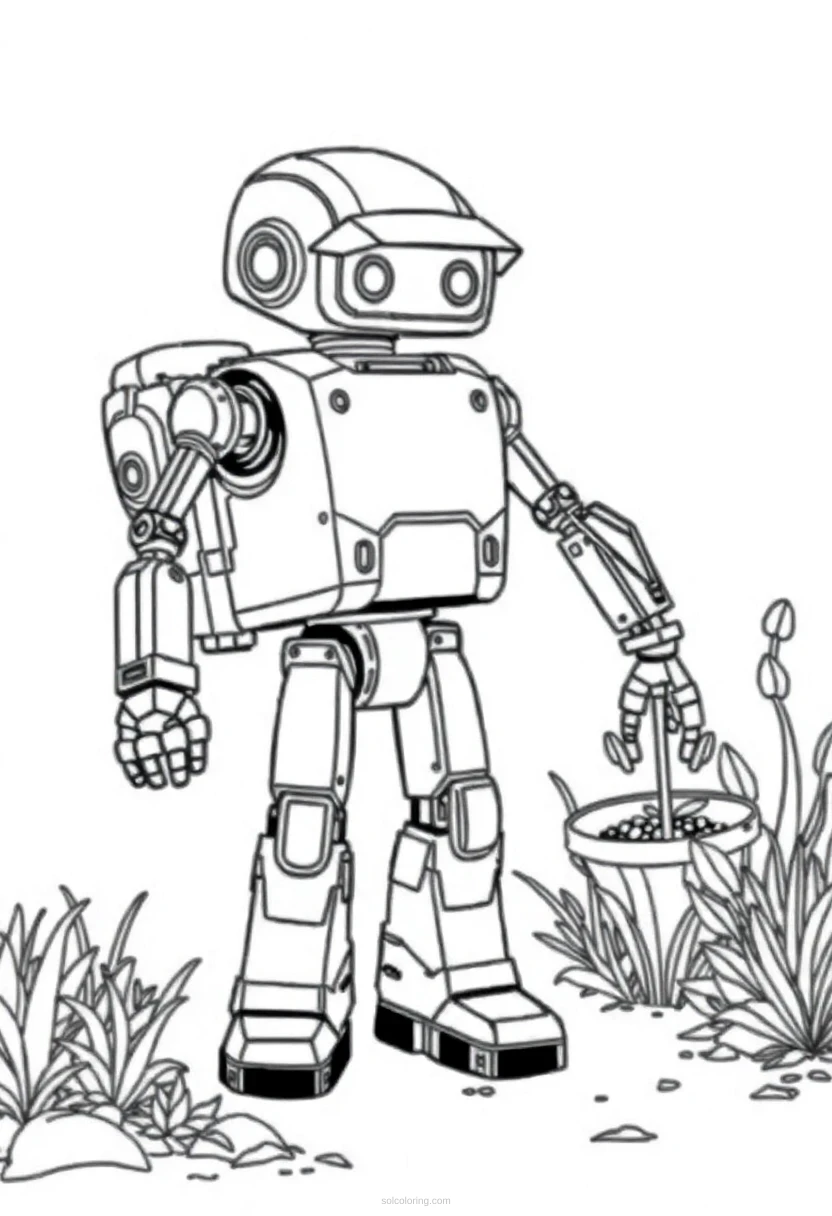
Garden Work Robot Coloring Page
Standard style
About this coloring page
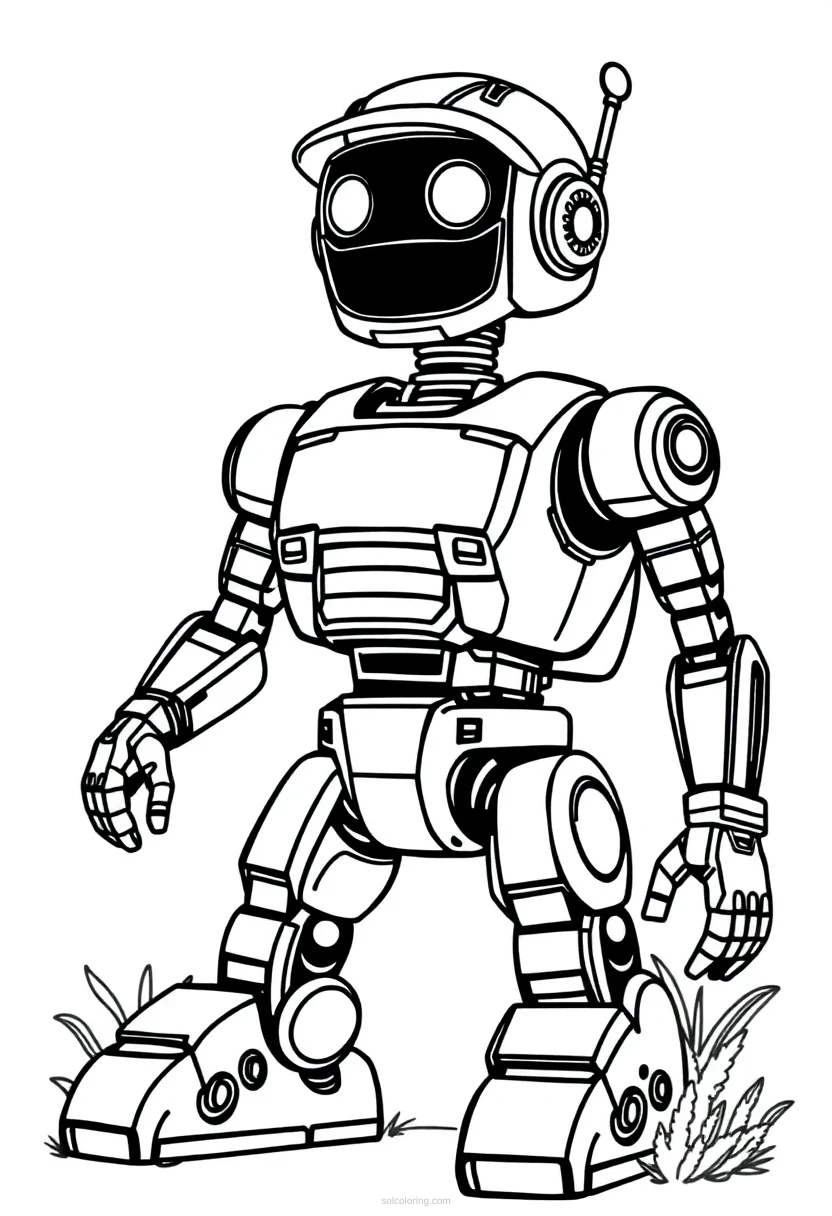
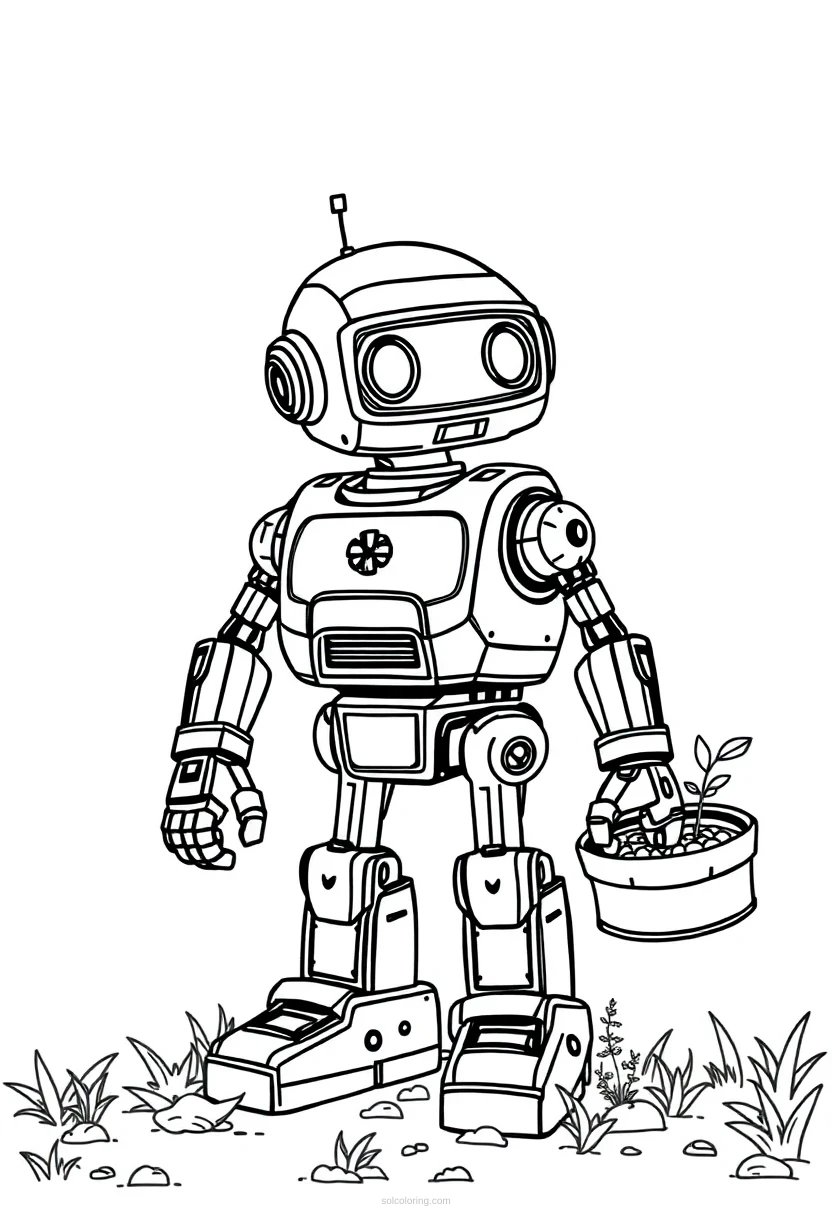
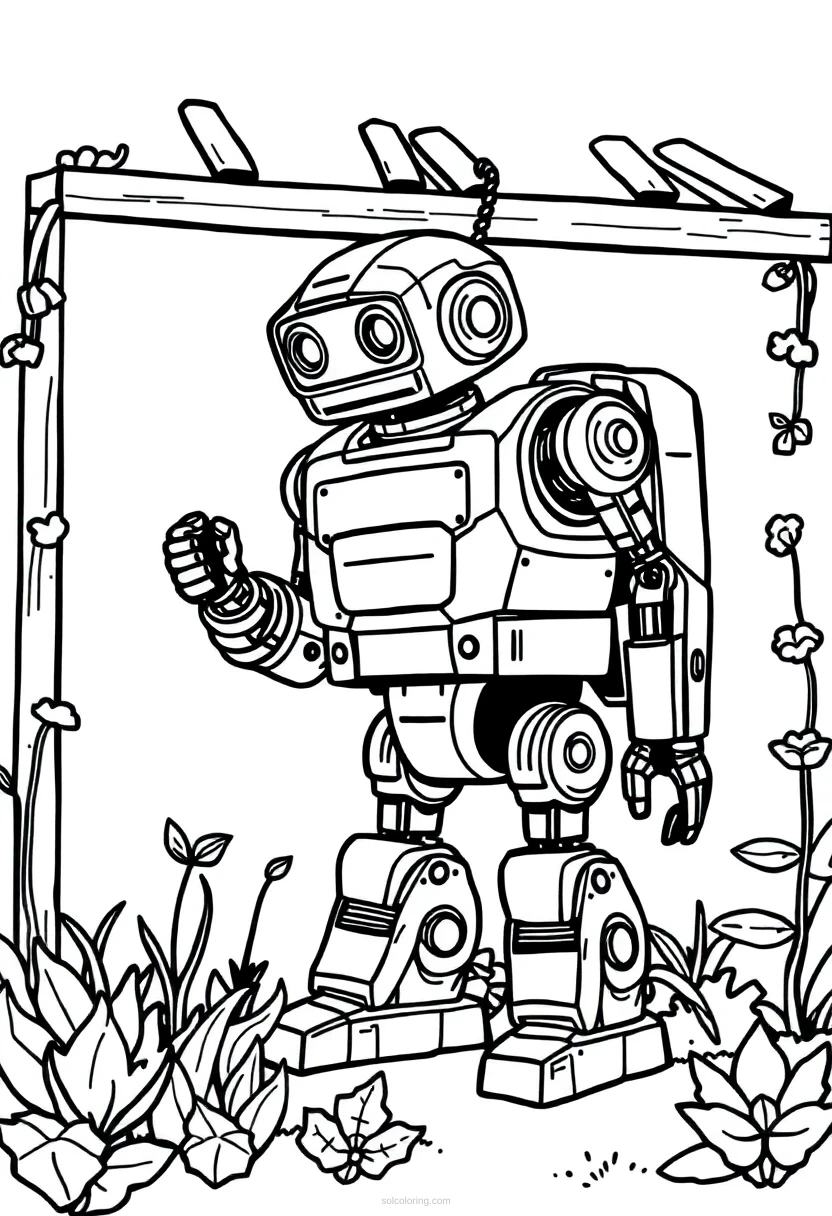
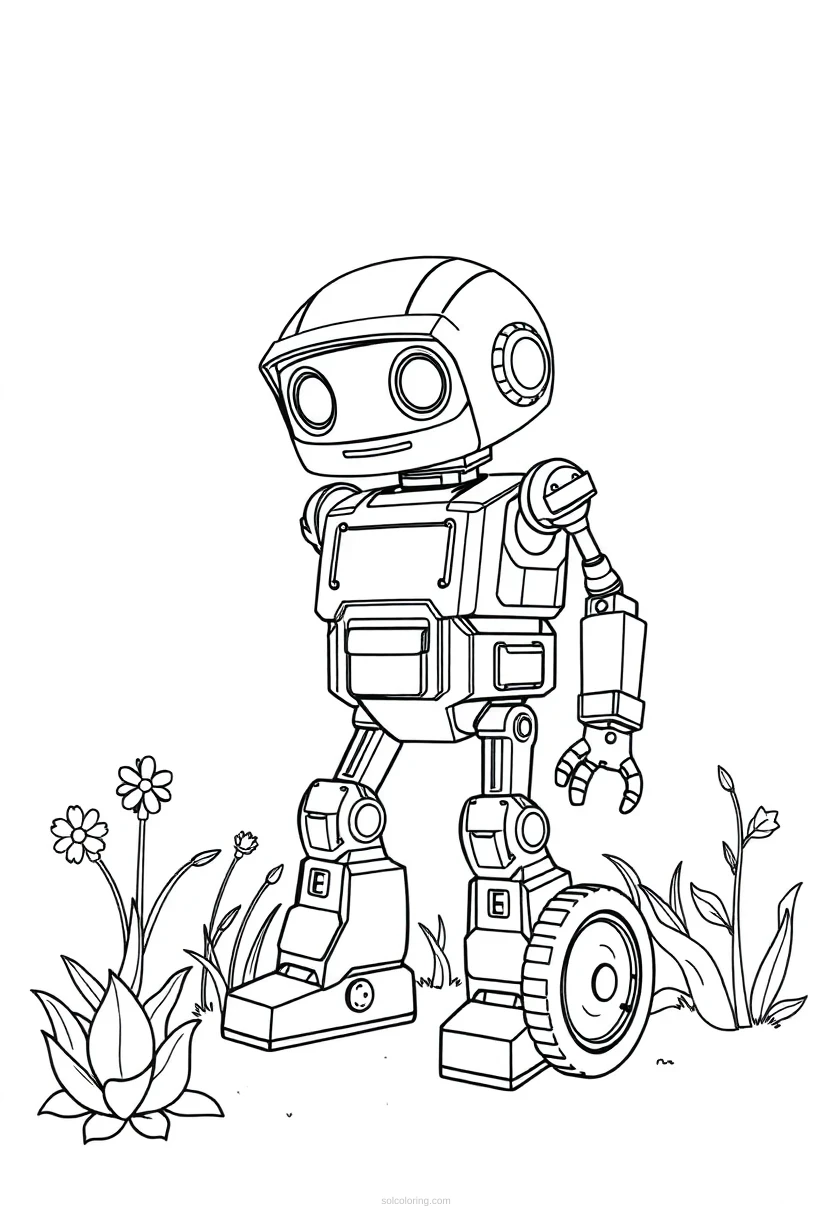
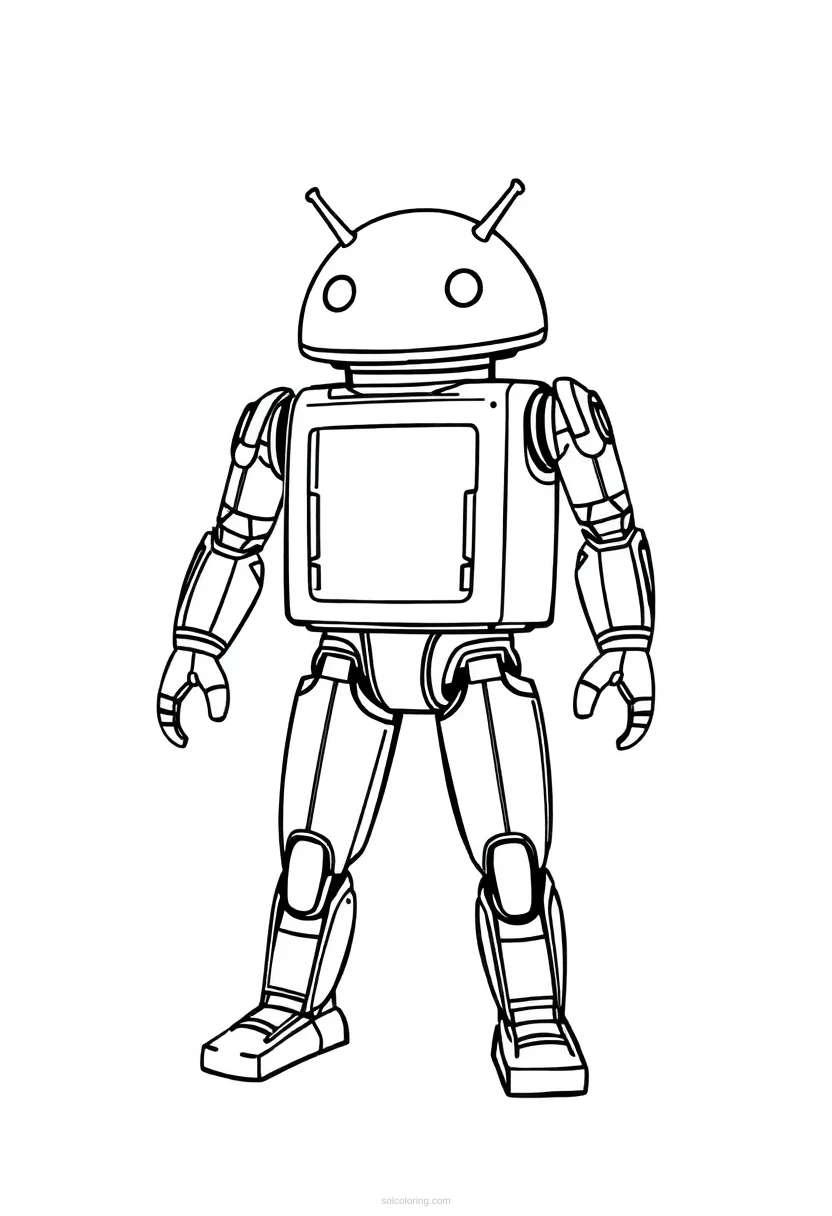
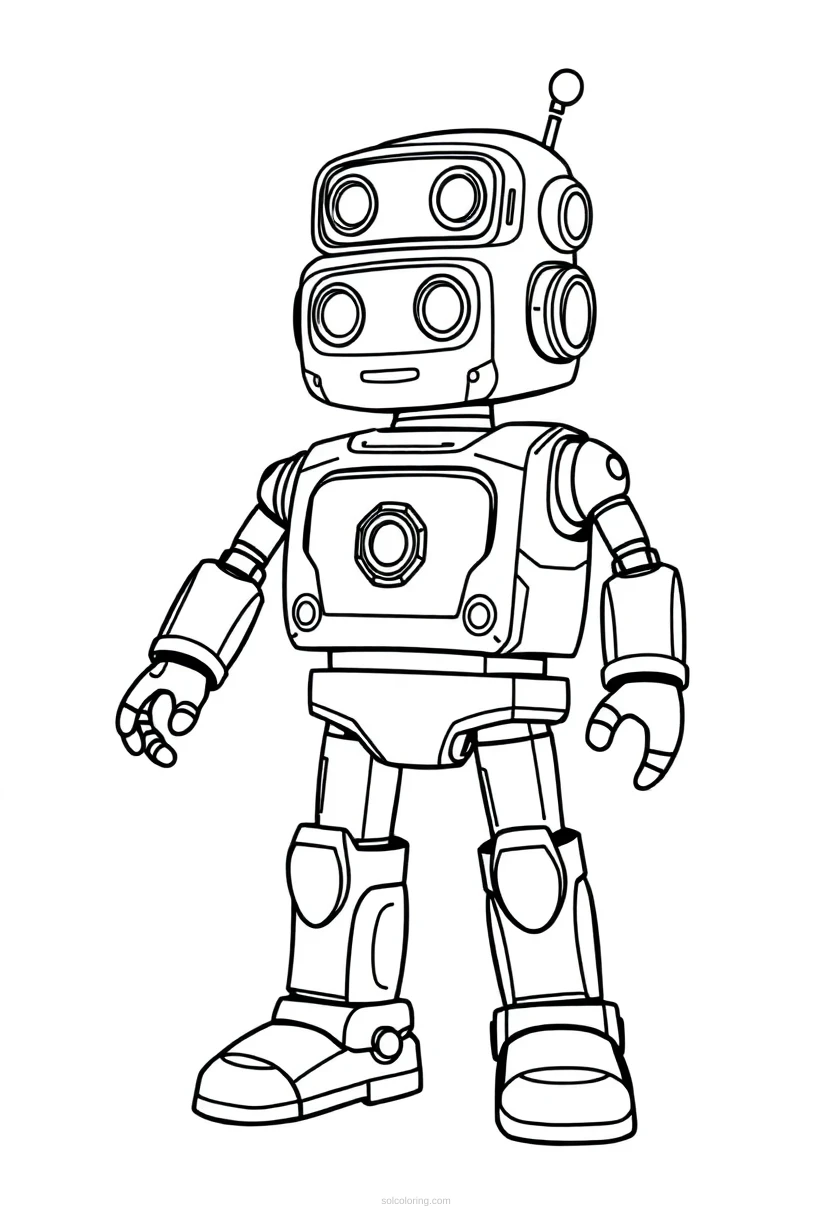
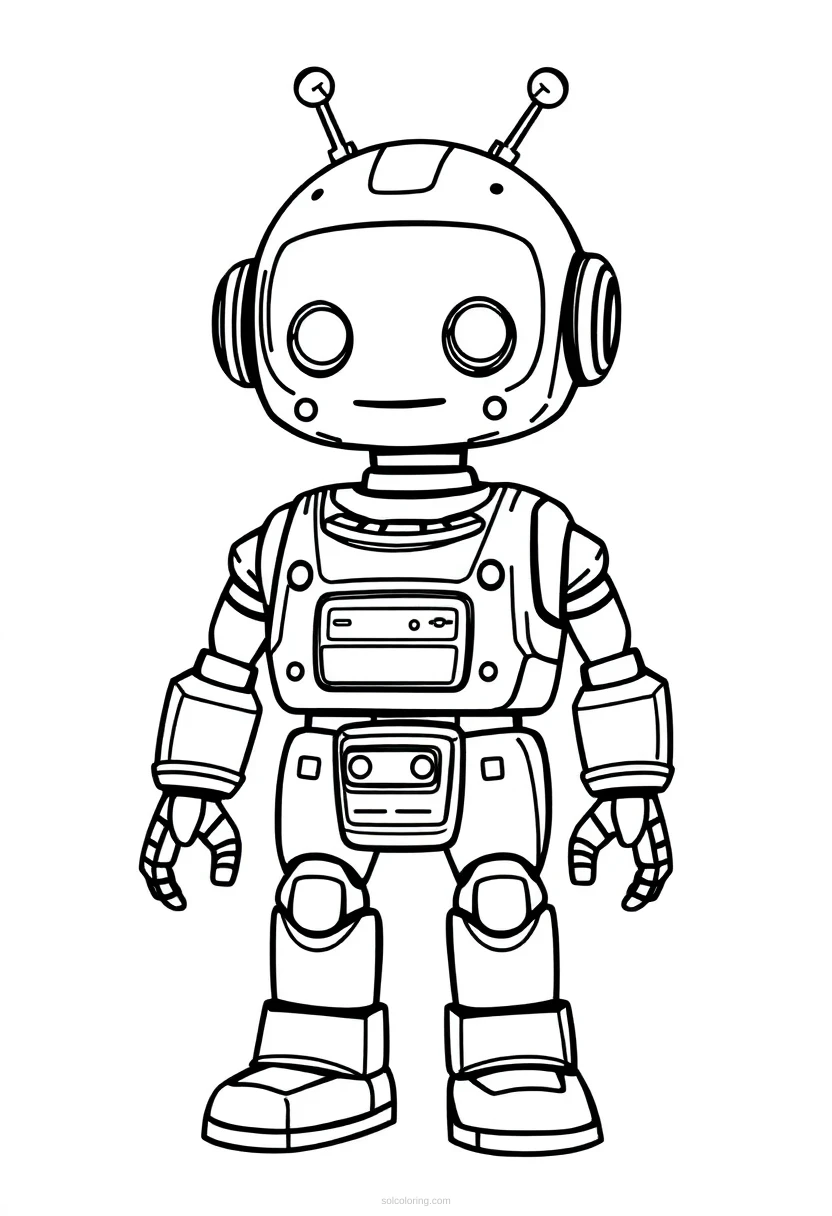
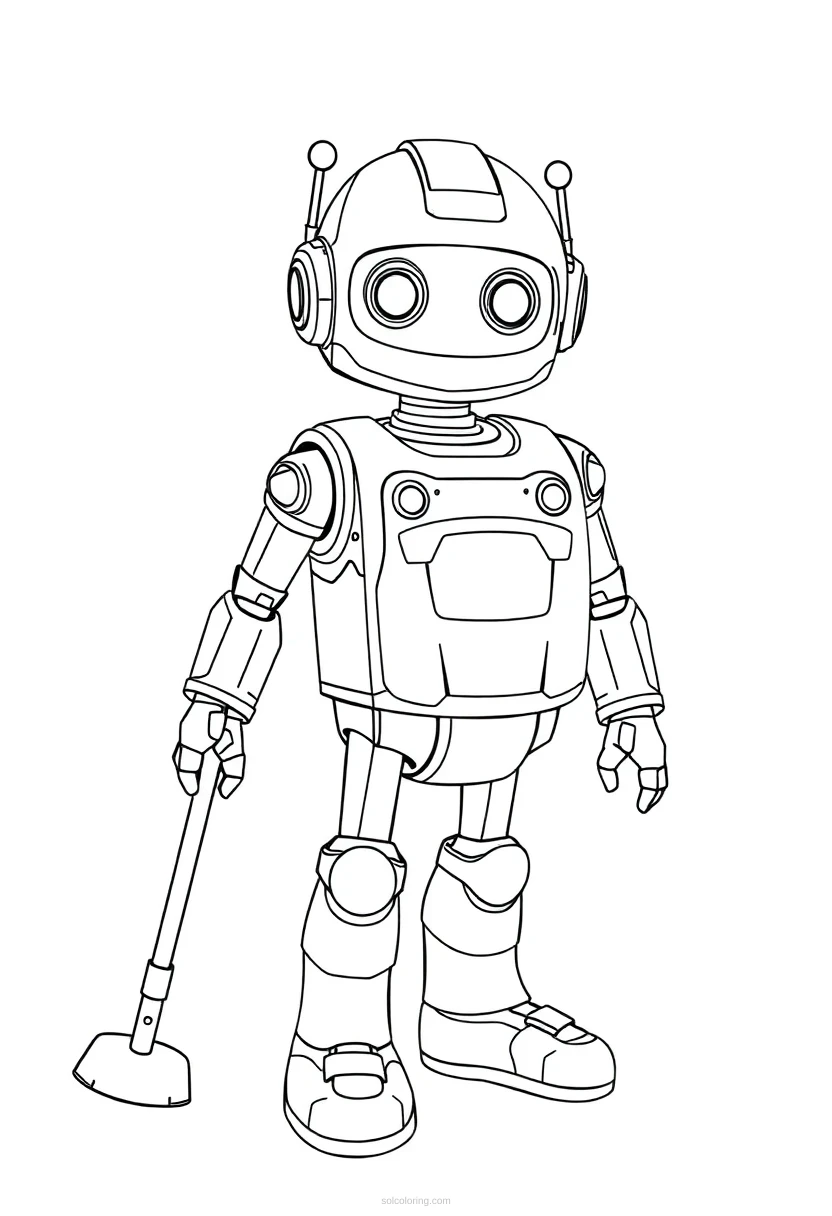
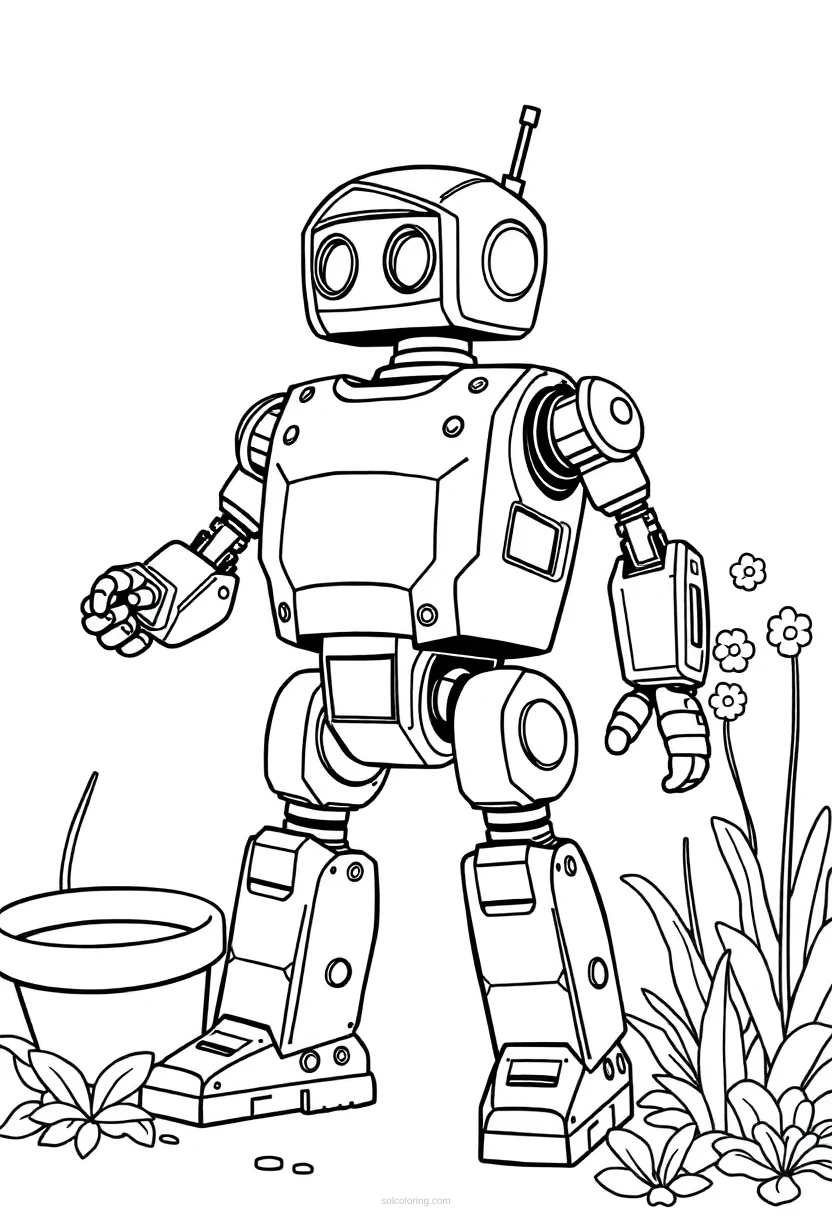
This adorable Garden Work Robot coloring page features a friendly chibi-style robot equipped with gardening tools, ready to tend to plants and flowers. The design includes bold, clear outlines that make it perfect for young artists to color confidently. This free printable coloring page combines technology themes with nature, offering an engaging activity that's both fun and educational.
Frequently asked
How do garden work robots actually sense weeds and plants?
Garden robots use advanced cameras and sensors called spectral imaging to detect the difference between weeds and crops. These sensors can identify plants based on their color, shape, and unique light signatures. Some robots even use machine learning to become smarter at recognizing different plant types over time.
What tasks can modern garden work robots perform?
Modern garden robots can water plants precisely, detect and remove weeds, monitor soil moisture and plant health, pick ripe fruits and vegetables, and measure plant growth. Some robots spray pesticides only where needed, reducing chemical use. Others map entire fields to help farmers understand crop conditions.
How do garden robots help the environment?
Garden robots reduce water waste by delivering exactly the right amount to each plant. They minimize pesticide use through targeted spraying instead of blanket application. Robots also reduce soil compaction by using lighter frames and precise movements, which keeps soil healthy and helps prevent erosion in fields.
Are these Garden Work Robot coloring pages free?
Yes, absolutely! All our Garden Work Robot coloring pages are completely free to download and print. No signup or payment required. Simply visit our website, find the design you like, and print it directly to your home printer. You can print as many copies as you want.
What age are these Garden Work Robot coloring pages for?
Our Garden Work Robot coloring pages are designed for kids and adults aged 8 to 14. We offer different difficulty levels, from simple designs with large areas to color for younger children, to more detailed and complex illustrations for older teens who enjoy intricate line work.