
Robots
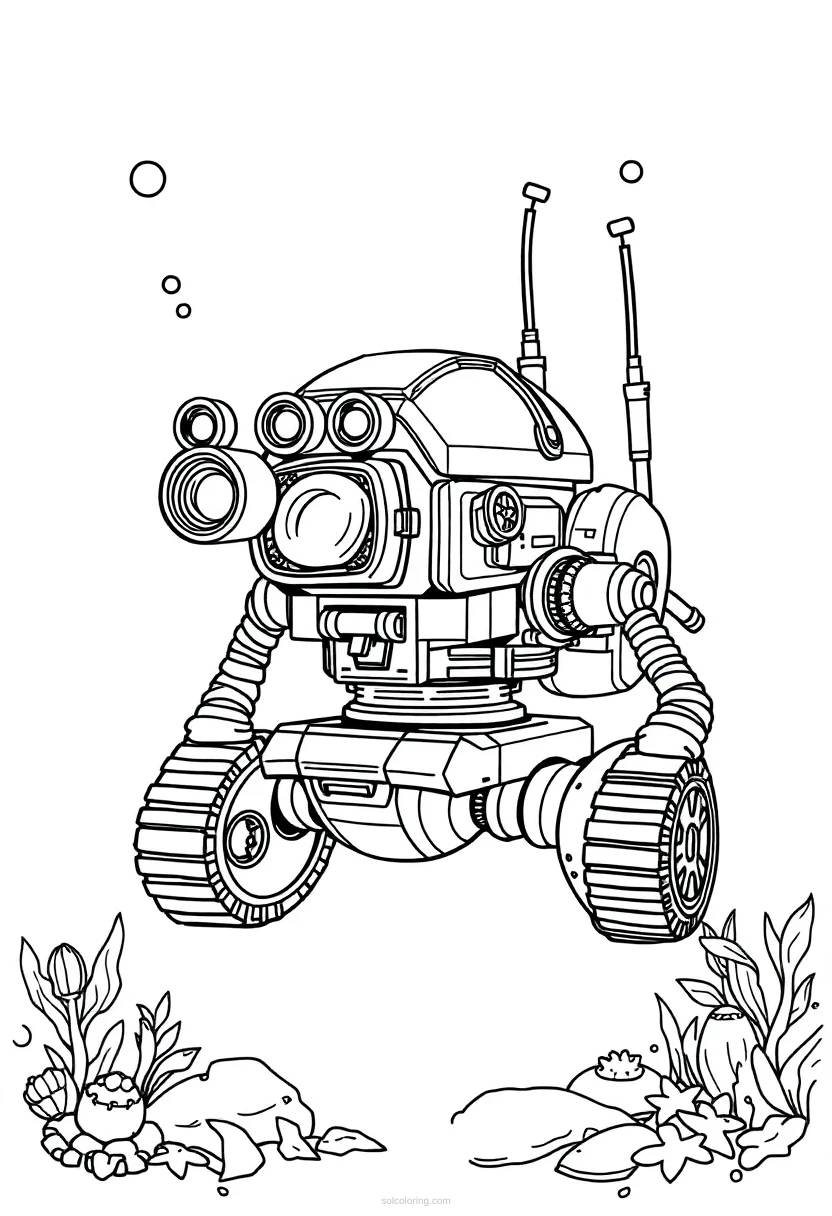
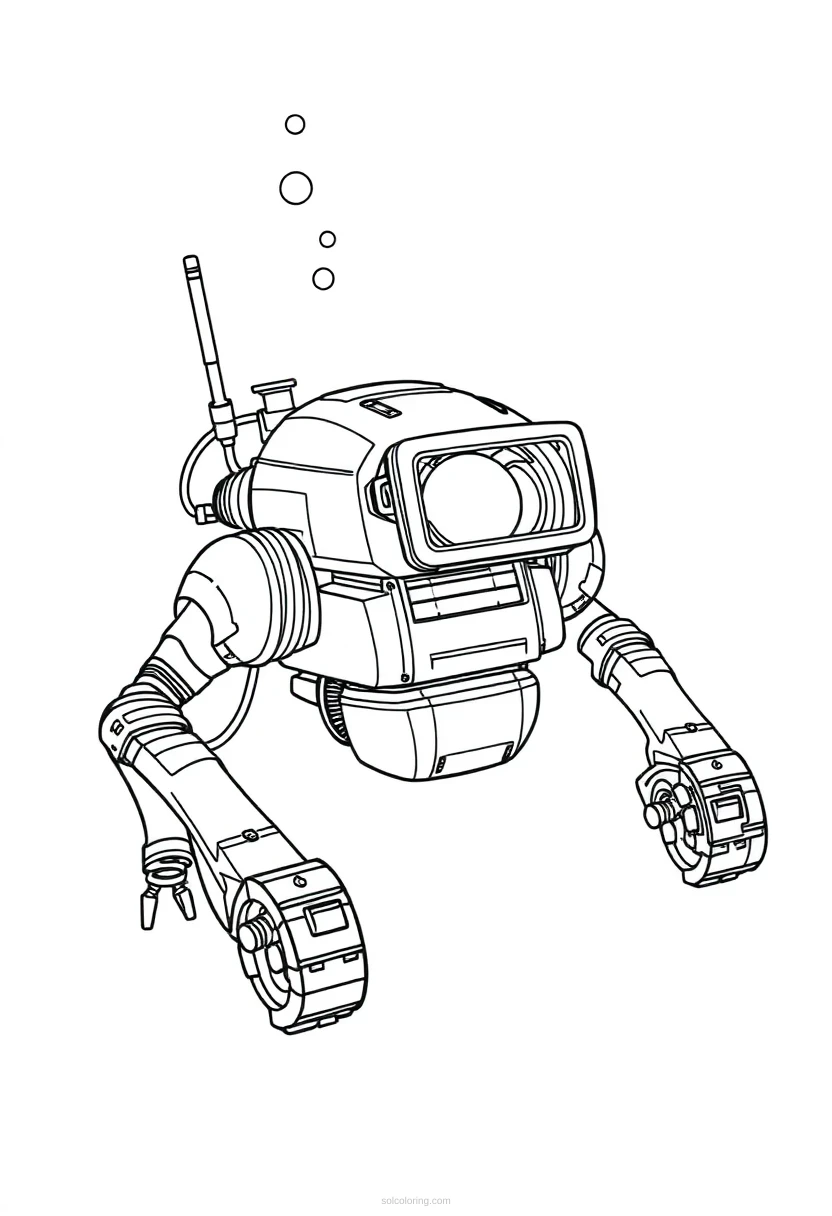
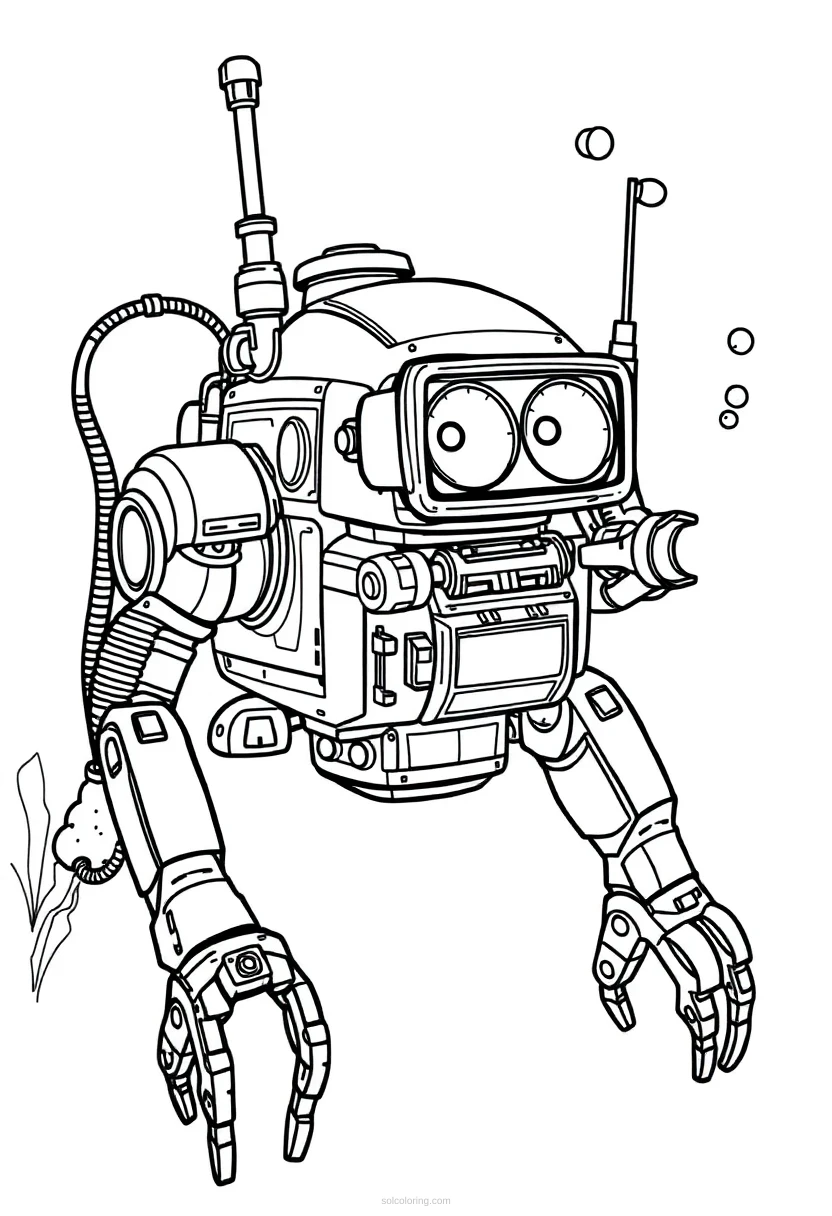
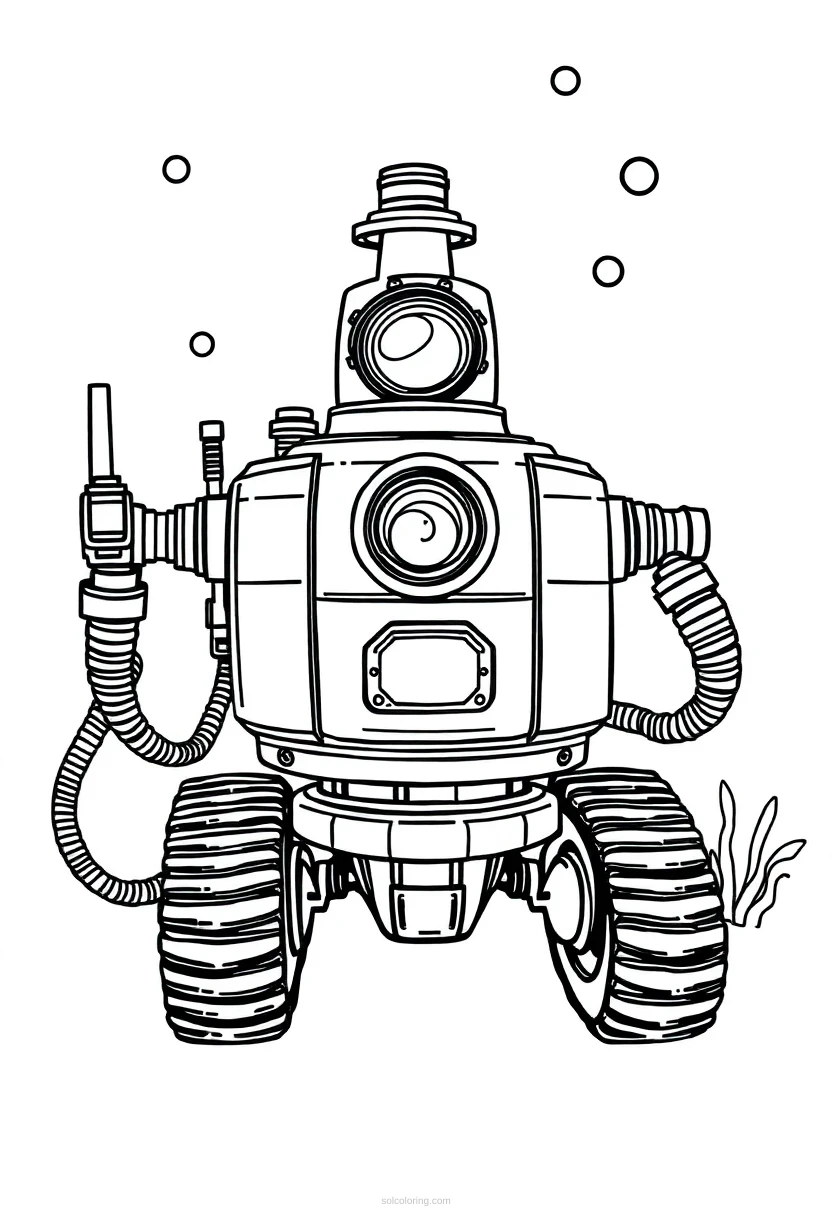
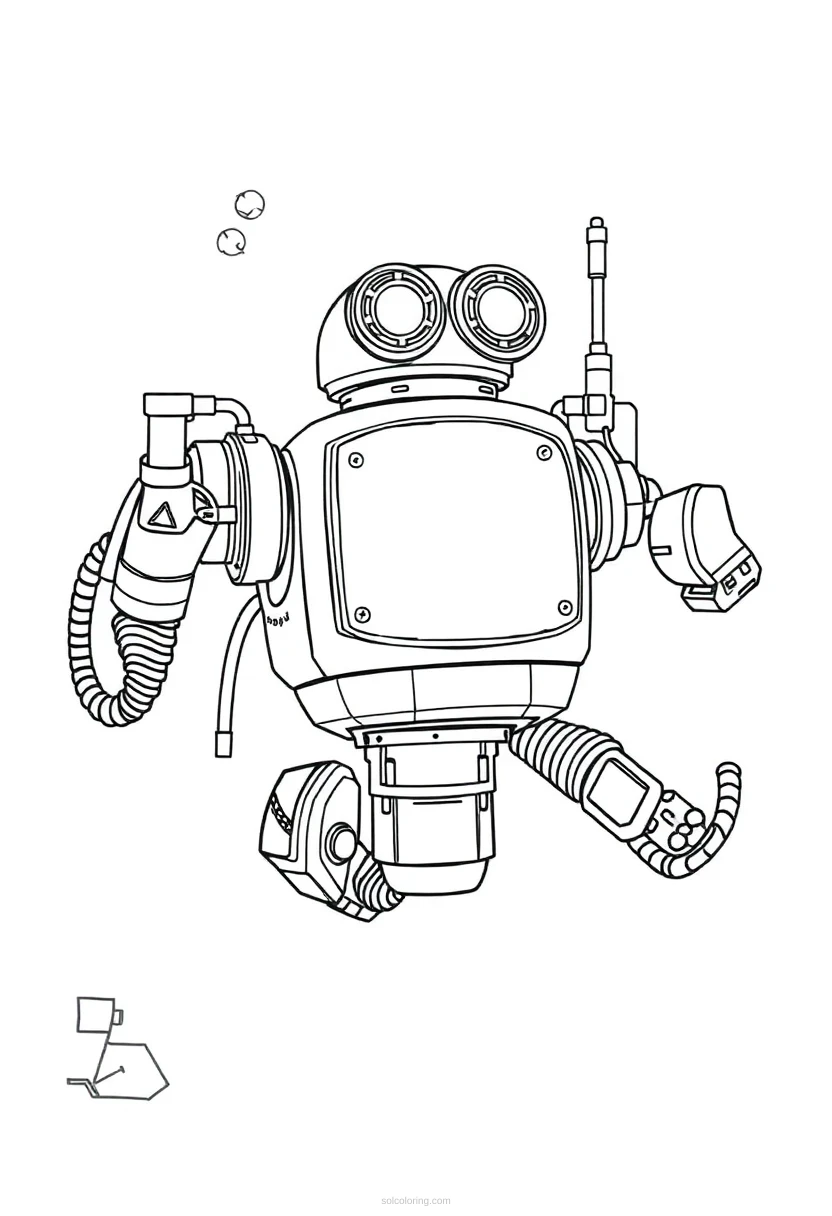
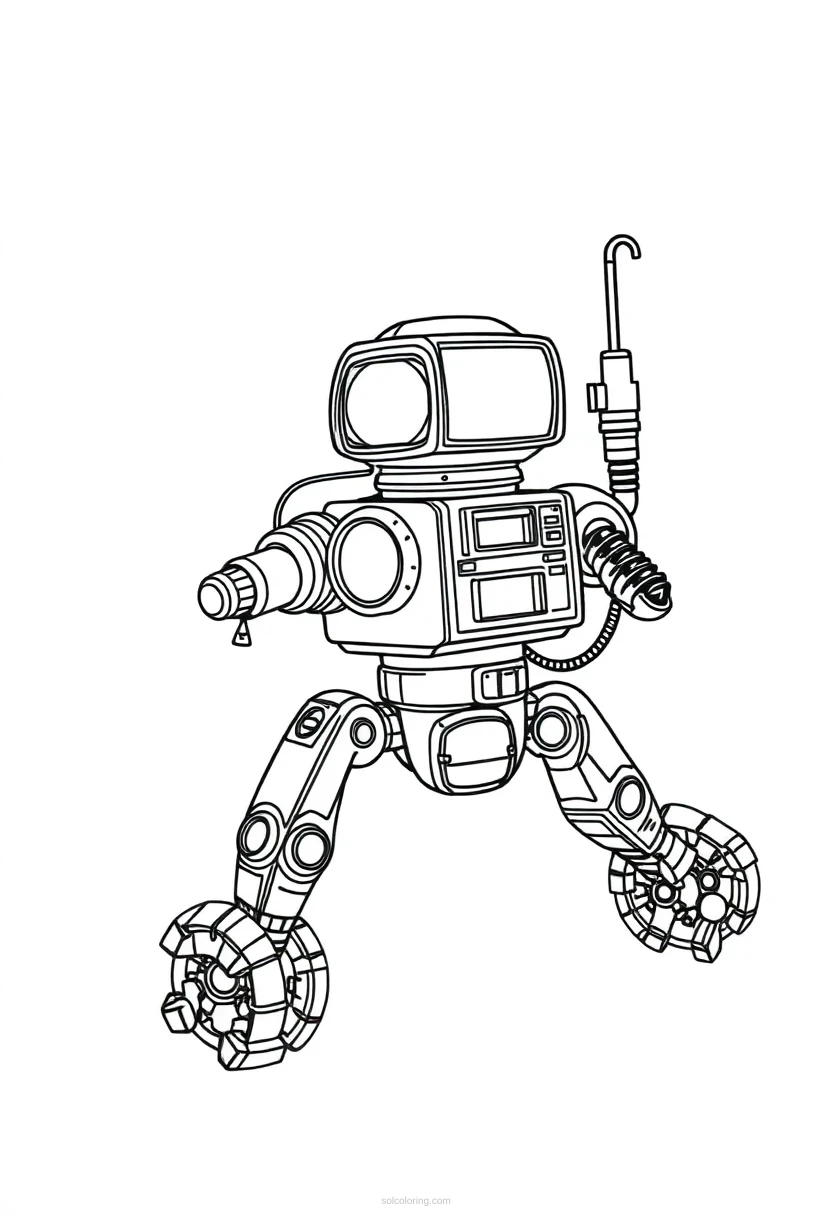
Underwater Research Robot Coloring Pages
6 free printable designs including Standard, Standard, Standard, Standard and more.
Dive deep into the fascinating world of underwater research robots, incredible machines that explore the ocean depths where humans cannot go. These advanced robots help scientists discover new species, study coral reefs, and understand ocean ecosystems. With cameras, sensors, and robotic arms, they work at crushing pressures and freezing temperatures to unlock the ocean's secrets. Coloring our free printable coloring page of an underwater research robot is a fun way to learn about marine technology. Whether you're interested in science, engineering, or the ocean, this free printable coloring page combines creativity with education.
Read more →Read less ↑
Choose a style
Did you know?
Fun facts about Underwater Research Robot
The ROV Nautilus can explore the ocean at depths greater than 6,000 meters and streams live video to classrooms around the world in real time.
Some underwater robots are so sensitive they can detect and photograph creatures smaller than a grain of rice in complete darkness.
The HyDrone robot can transition between water and air, making it useful for exploring both underwater environments and above-water surfaces.
Underwater robots have discovered entirely new ecosystems around hydrothermal vents where life thrives without sunlight, powered by chemicals from the Earth's interior.
The world's smallest underwater robot, RoboSnail, is only the size of a grain of rice and can explore tight spaces between coral and rocks.
About Underwater Research Robot
How do underwater research robots see and navigate in the dark ocean?
Underwater robots use multiple cameras, lights, and sonar systems to navigate and see in complete darkness. Many robots have high-definition cameras with powerful LED lights that illuminate murky depths. Sonar works like echo location, sending sound waves to map the seafloor and detect objects around the robot.
What makes underwater robots different from regular robots?
Underwater robots must handle extreme conditions that destroy ordinary machines. They need special waterproof housings, pressure-resistant materials, and corrosion-resistant metals. Their batteries and electronics are sealed in titanium or aluminum spheres that can withstand pressures 1,000 times greater than at sea level.
How deep can underwater research robots dive?
Different robots reach different depths depending on their design. Some explore shallow coral reefs at 100 meters, while advanced robots descend beyond 6,000 meters into the deepest trenches. The deepest-diving robot, Nereus, once reached nearly 11,000 meters in the Mariana Trench before losing contact.
What tools do underwater robots use to collect samples?
Research robots typically have robotic arms with grippers that gently collect rocks, plants, and animals. Many carry specialized sampling tubes, suction devices, and specimen baskets. Some robots have temperature sensors and chemical analyzers that measure water properties without removing samples.
How do scientists control underwater robots from the surface?
Most research robots are connected to ships by fiber optic cables that transmit video and control signals. This tether allows real-time communication and power delivery. Autonomous robots can also work independently, following pre-programmed routes and making decisions using artificial intelligence.
What discoveries have underwater robots made?
Underwater robots have discovered hydrothermal vents with unique ecosystems, identified new species, and mapped previously unknown underwater mountains. They've helped scientists understand how ocean currents work, document coral bleaching, and locate shipwrecks thousands of meters deep.
More Robots coloring pages
Coloring page FAQs
Are these Underwater Research Robot coloring pages free?
Yes, absolutely! All our Underwater Research Robot coloring pages are completely free to download and print. There are no hidden fees, subscriptions, or paywalls. Simply visit Sol Coloring, find your favorite design, and print it instantly from your home printer.
What age are these Underwater Research Robot coloring pages for?
Our Underwater Research Robot coloring pages are designed for ages 8 to 14, with varying difficulty levels. Younger kids can enjoy simple outlines and larger spaces, while older children can tackle detailed designs with intricate mechanical features and backgrounds.
How do I print these Underwater Research Robot coloring pages?
Printing is simple and requires no signup. Download the PDF file, open it on your computer, and use any standard printer with A4 or Letter-sized paper. Adjust your printer settings if needed, and you're ready to color within minutes.