Robots
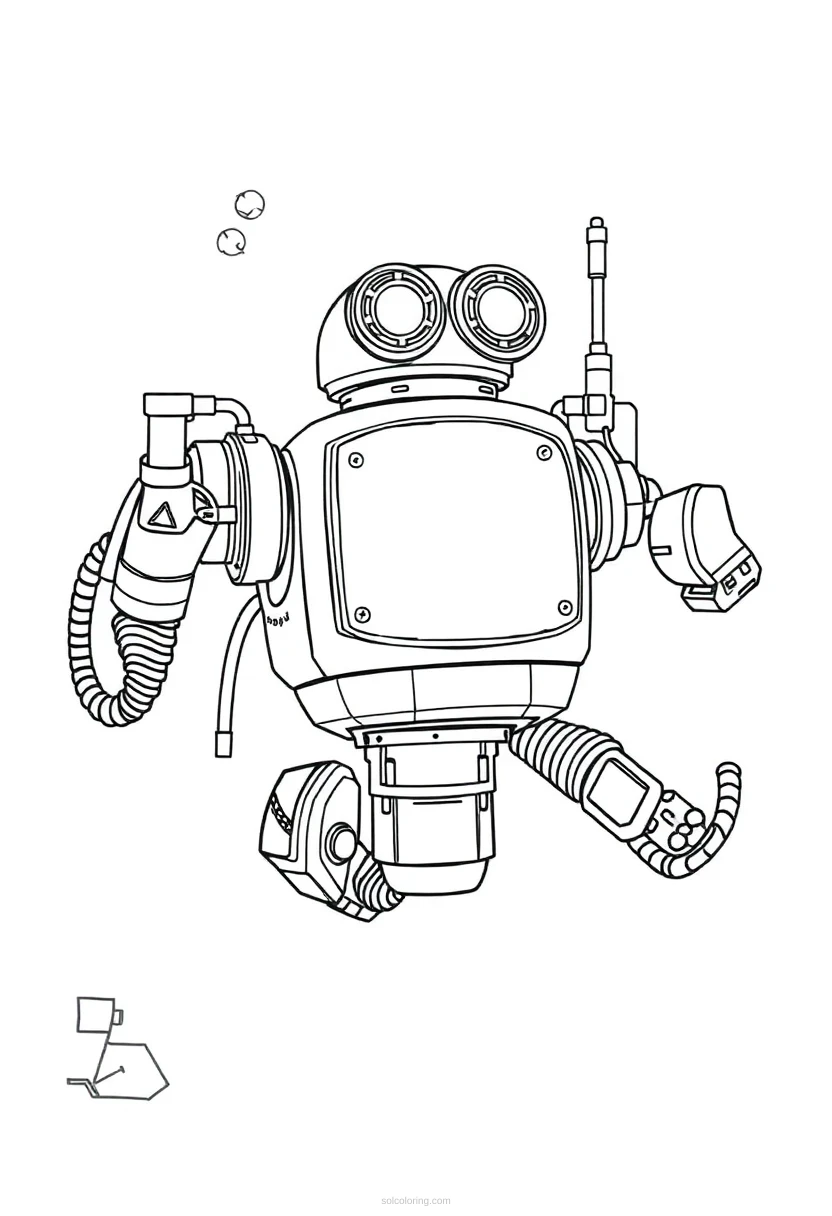
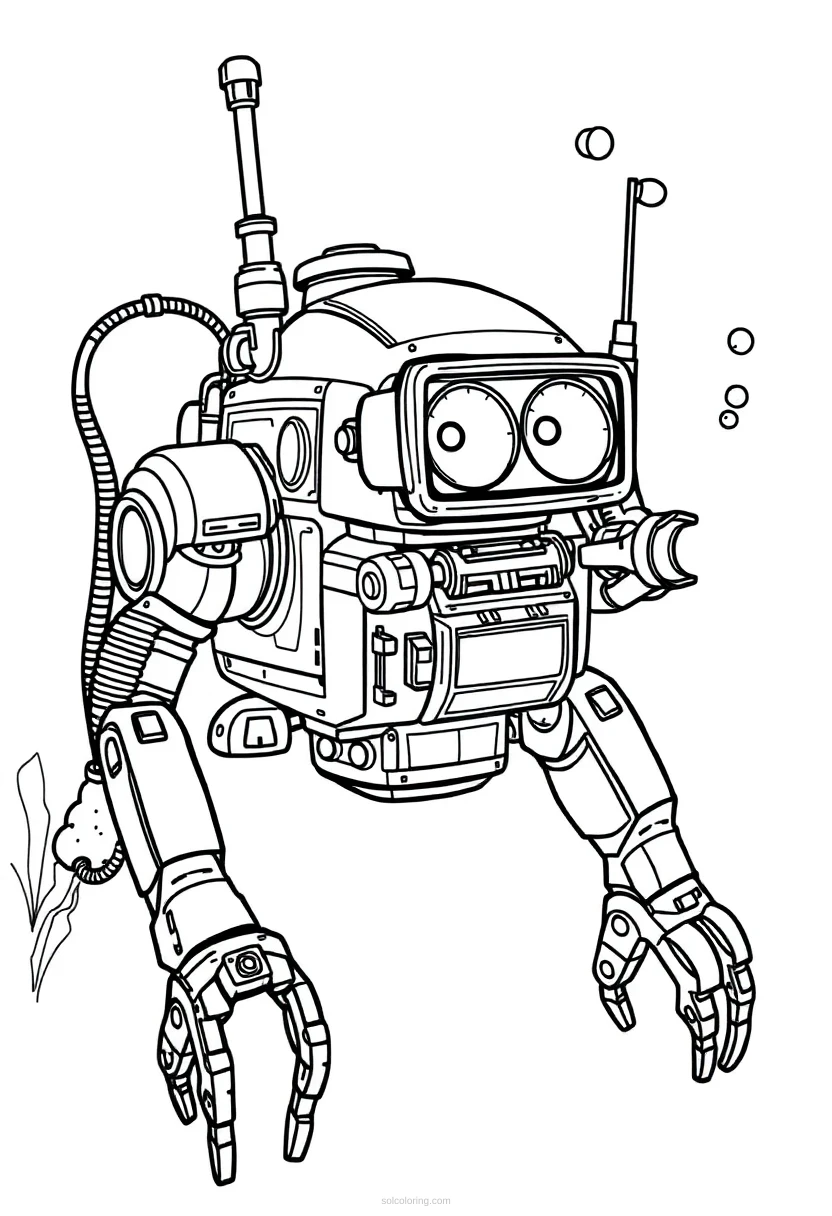
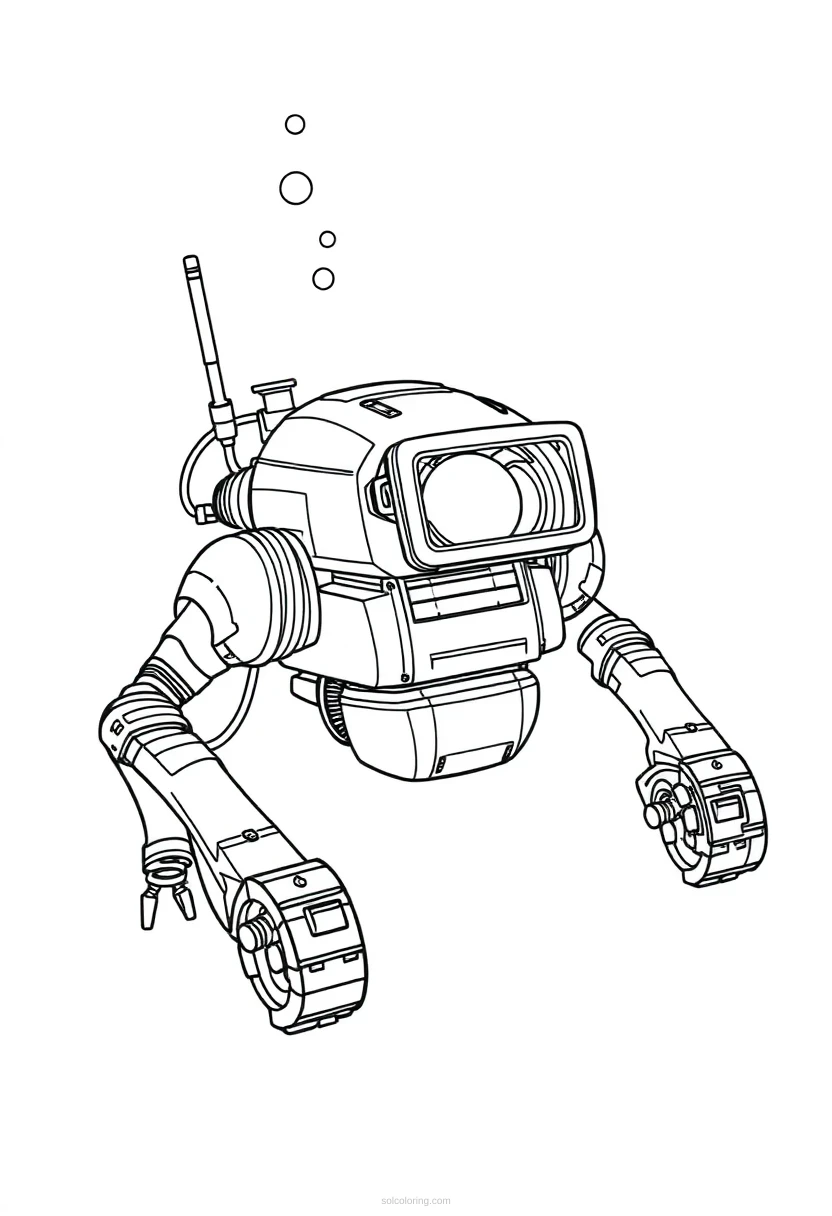
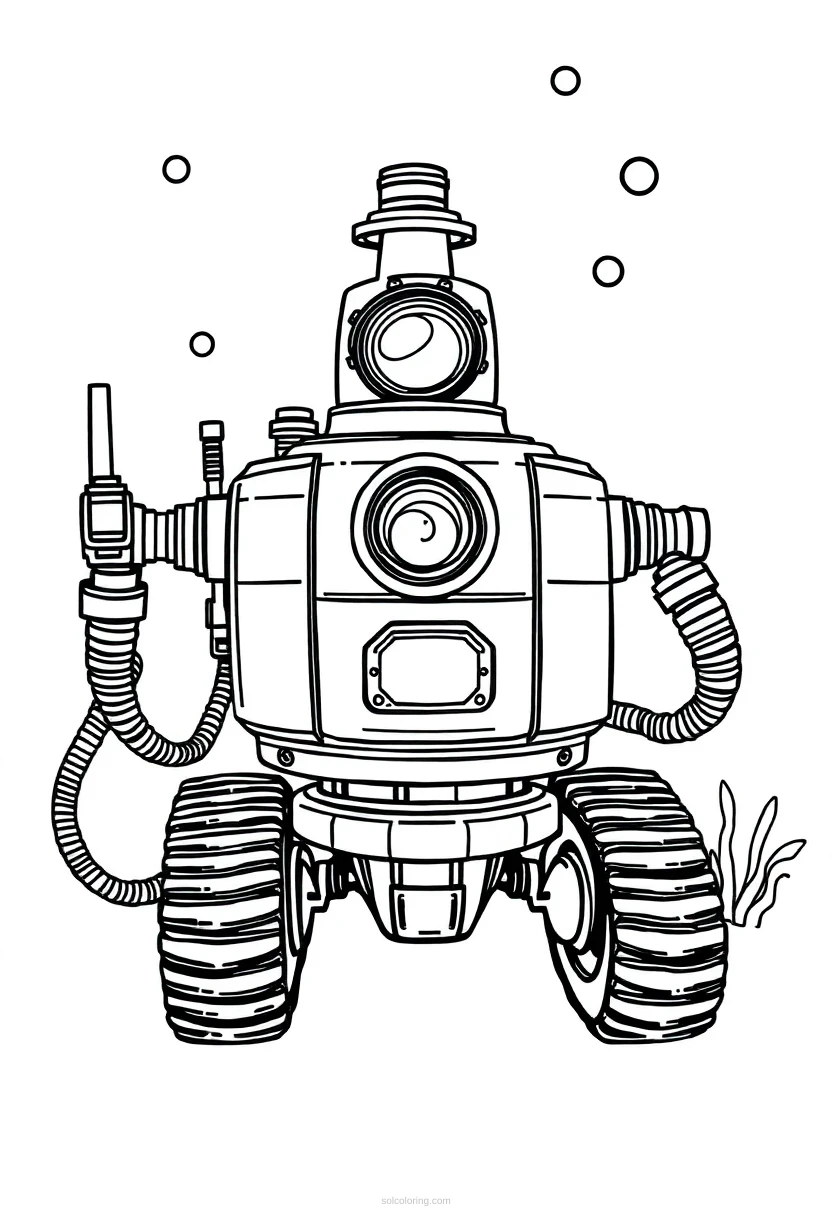
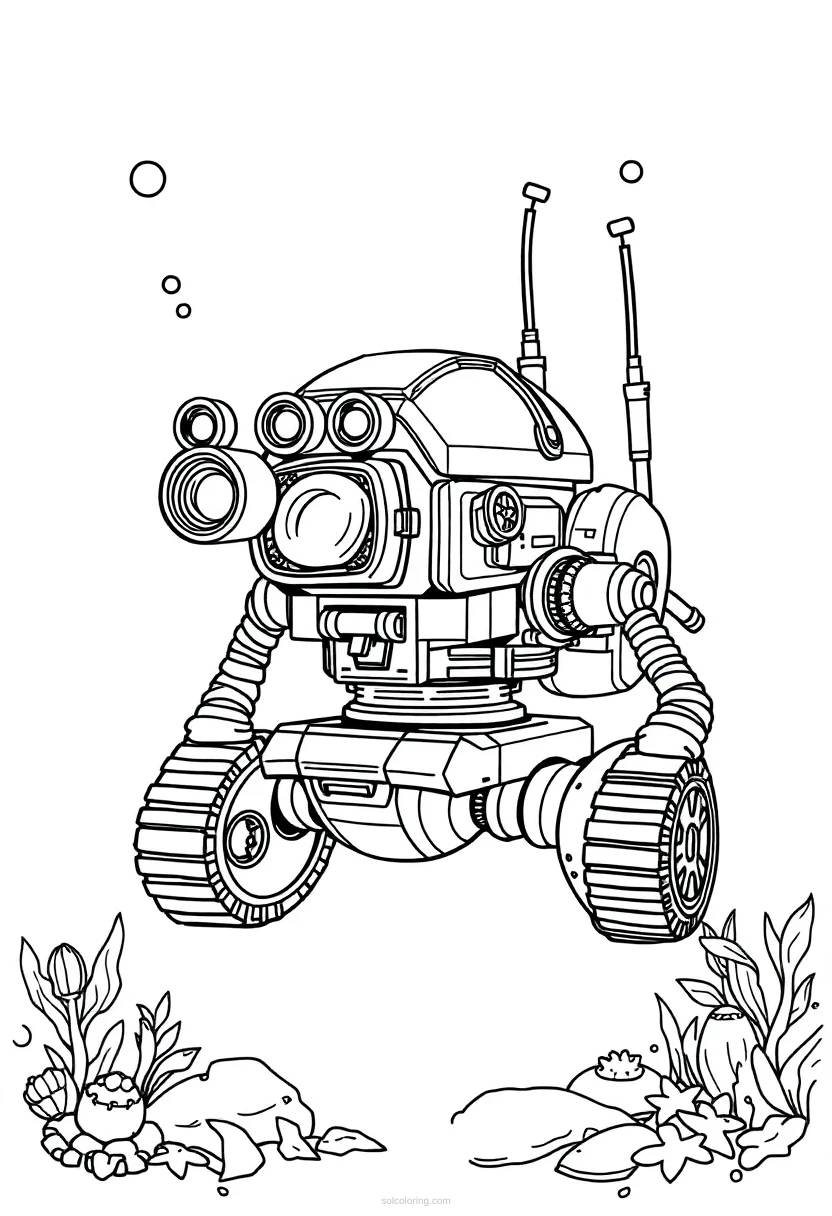
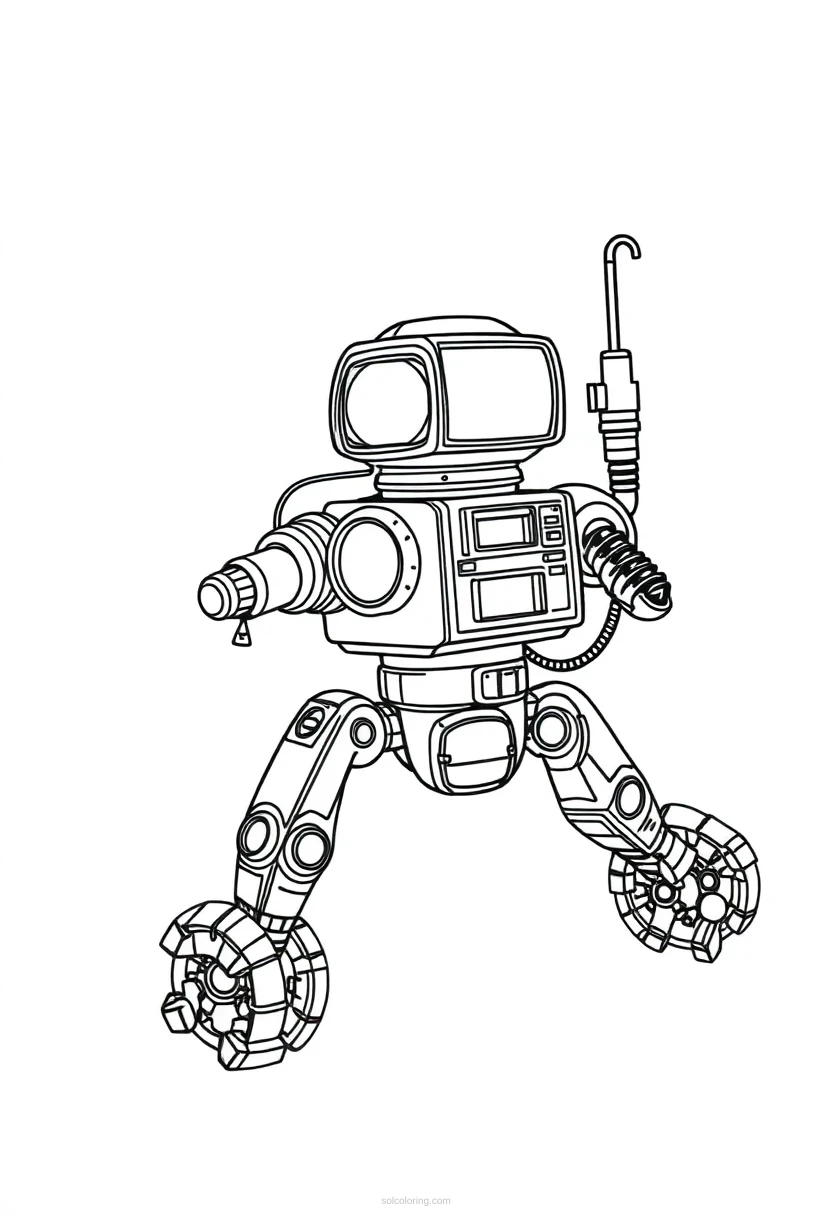
Underwater Research Robot Coloring Page
Standard style
About this coloring page
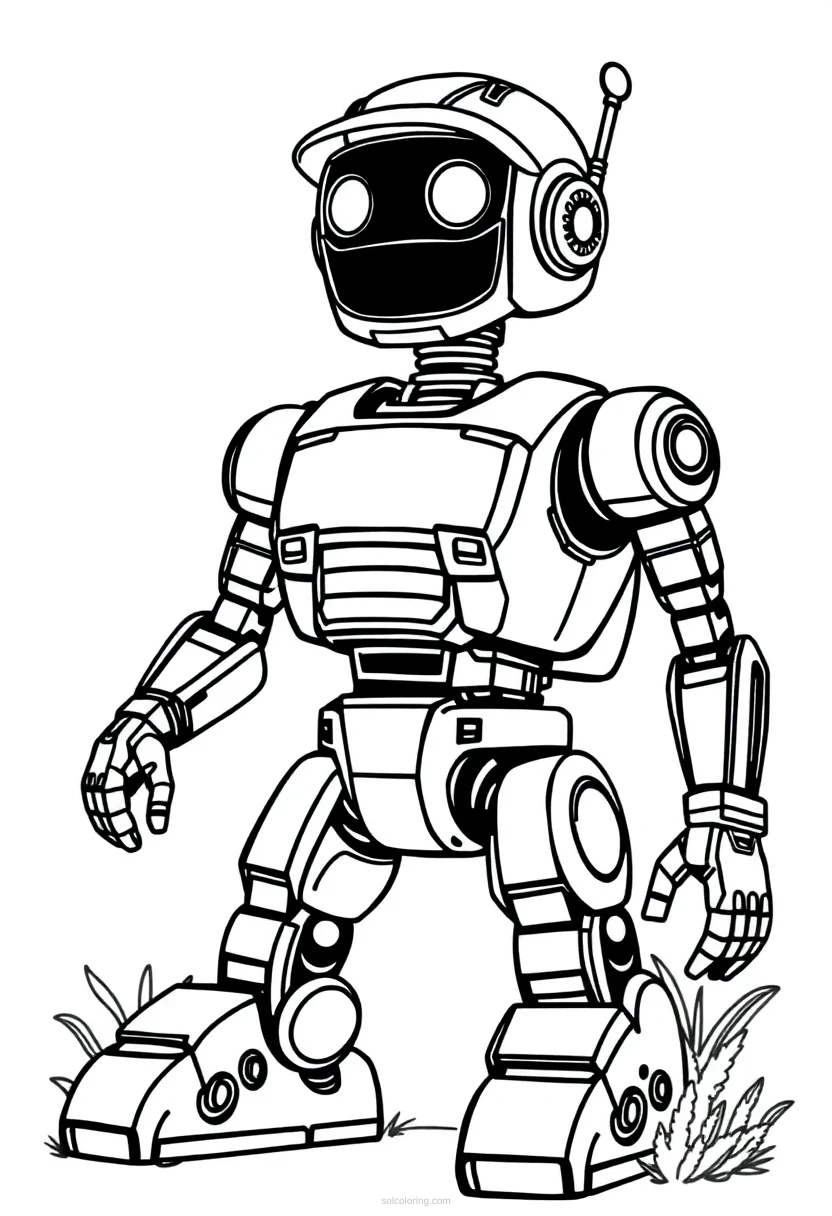
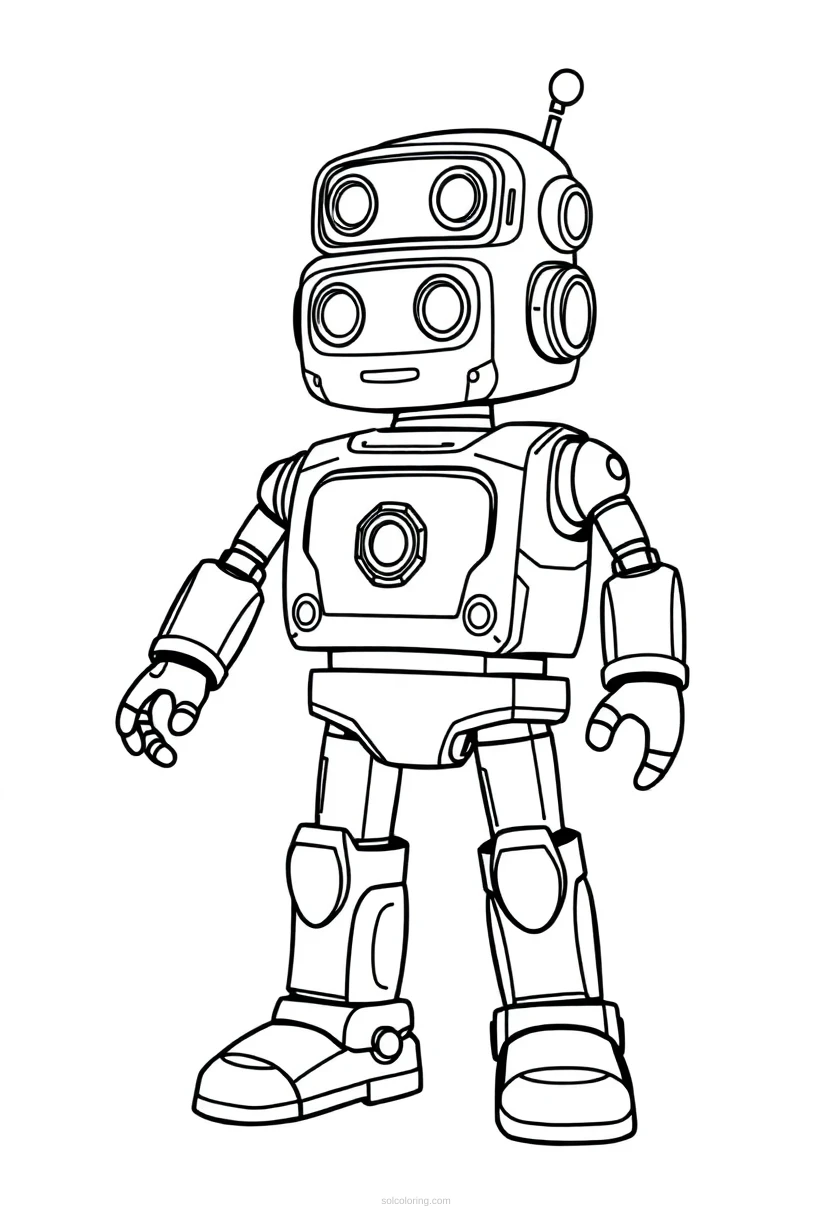
This exciting Underwater Research Robot coloring page features a friendly robotic submarine exploring the ocean depths with bold, simple outlines perfect for young artists. Kids will love coloring this high-tech underwater explorer as it discovers marine life and conducts research beneath the waves. Free to print and ideal for children interested in robots, technology, and ocean science!
Frequently asked
How do underwater research robots see and navigate in the dark ocean?
Underwater robots use multiple cameras, lights, and sonar systems to navigate and see in complete darkness. Many robots have high-definition cameras with powerful LED lights that illuminate murky depths. Sonar works like echo location, sending sound waves to map the seafloor and detect objects around the robot.
What makes underwater robots different from regular robots?
Underwater robots must handle extreme conditions that destroy ordinary machines. They need special waterproof housings, pressure-resistant materials, and corrosion-resistant metals. Their batteries and electronics are sealed in titanium or aluminum spheres that can withstand pressures 1,000 times greater than at sea level.
How deep can underwater research robots dive?
Different robots reach different depths depending on their design. Some explore shallow coral reefs at 100 meters, while advanced robots descend beyond 6,000 meters into the deepest trenches. The deepest-diving robot, Nereus, once reached nearly 11,000 meters in the Mariana Trench before losing contact.
Are these Underwater Research Robot coloring pages free?
Yes, absolutely! All our Underwater Research Robot coloring pages are completely free to download and print. There are no hidden fees, subscriptions, or paywalls. Simply visit Sol Coloring, find your favorite design, and print it instantly from your home printer.
What age are these Underwater Research Robot coloring pages for?
Our Underwater Research Robot coloring pages are designed for ages 8 to 14, with varying difficulty levels. Younger kids can enjoy simple outlines and larger spaces, while older children can tackle detailed designs with intricate mechanical features and backgrounds.