Exploration
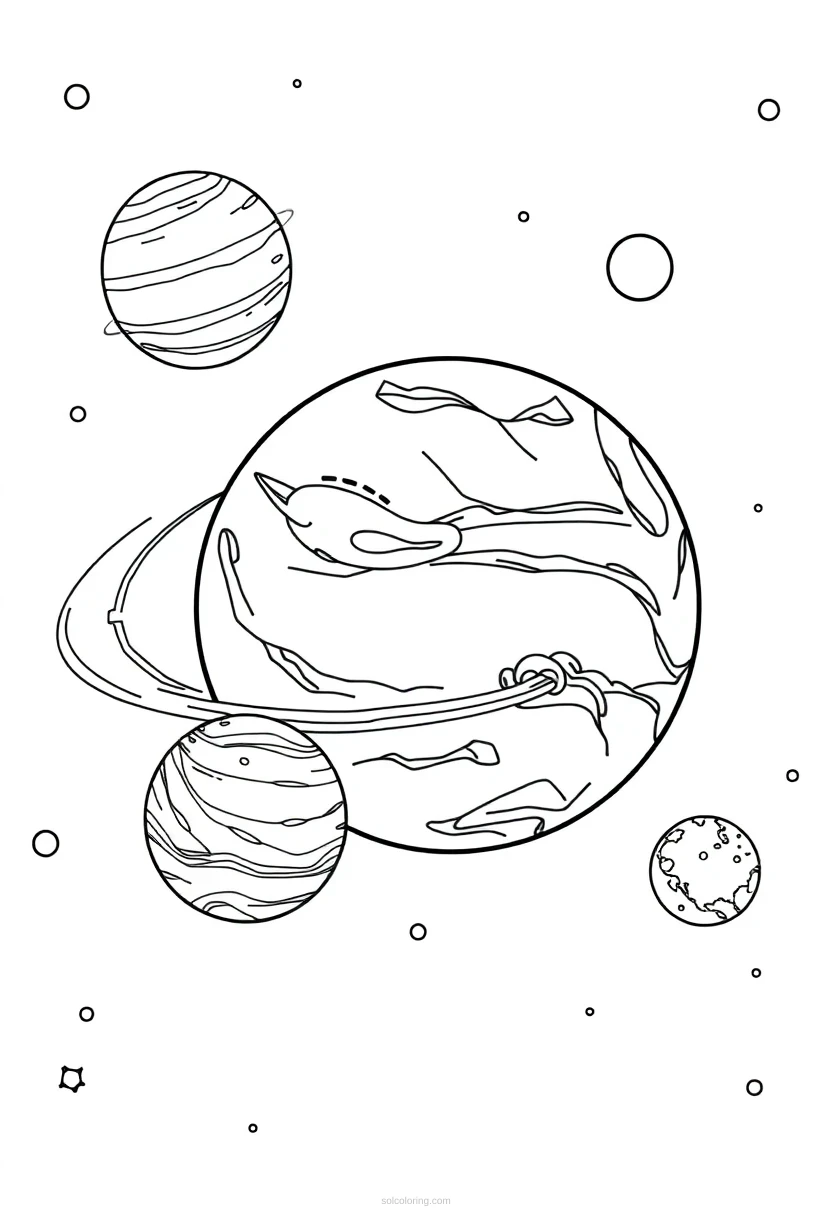
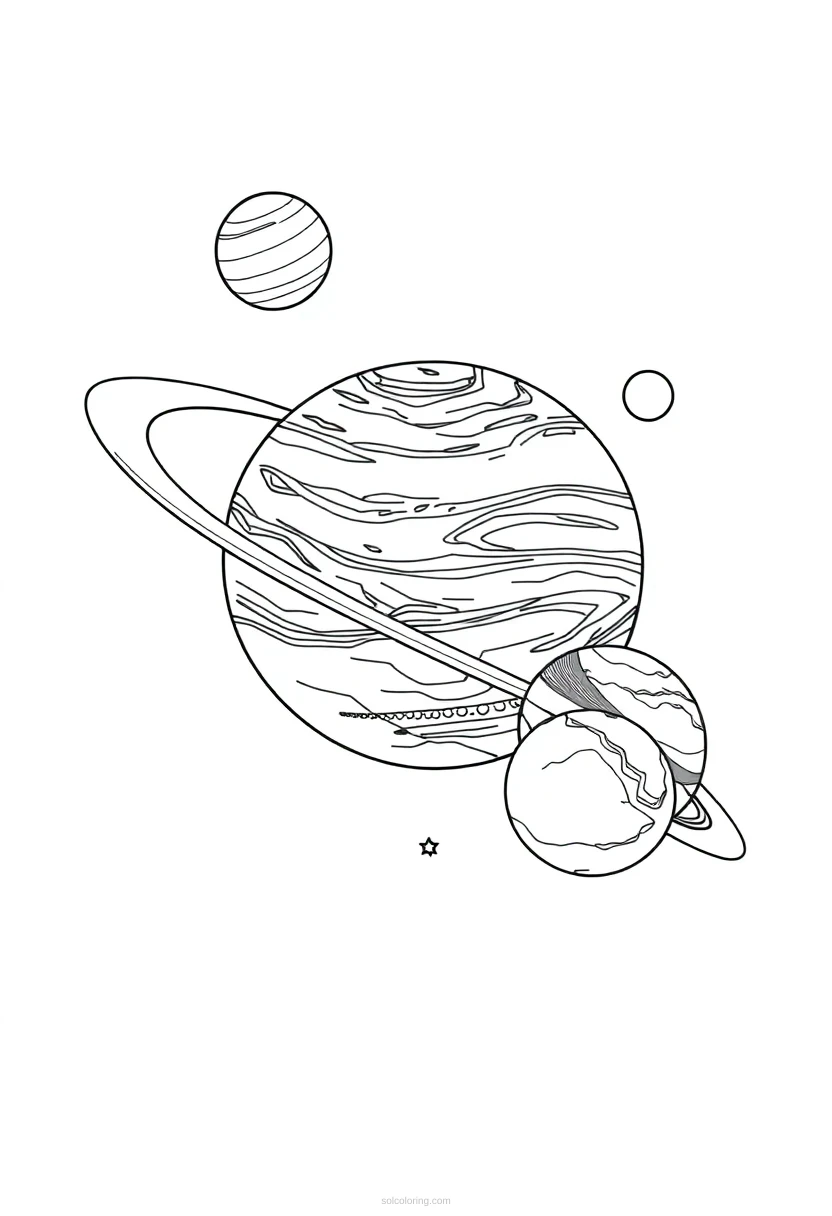
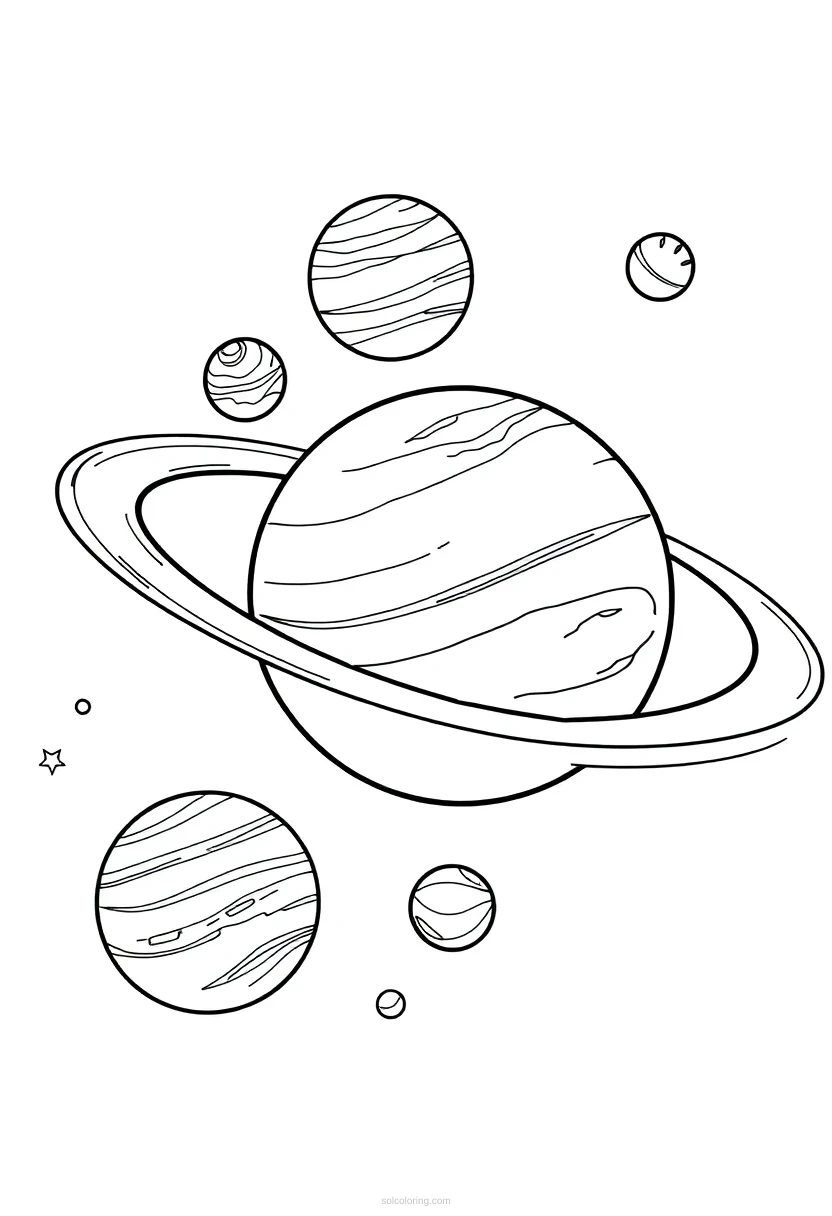
Solar System With Planets Coloring Pages
6 free printable designs including Standard, Standard, Standard, Standard and more.
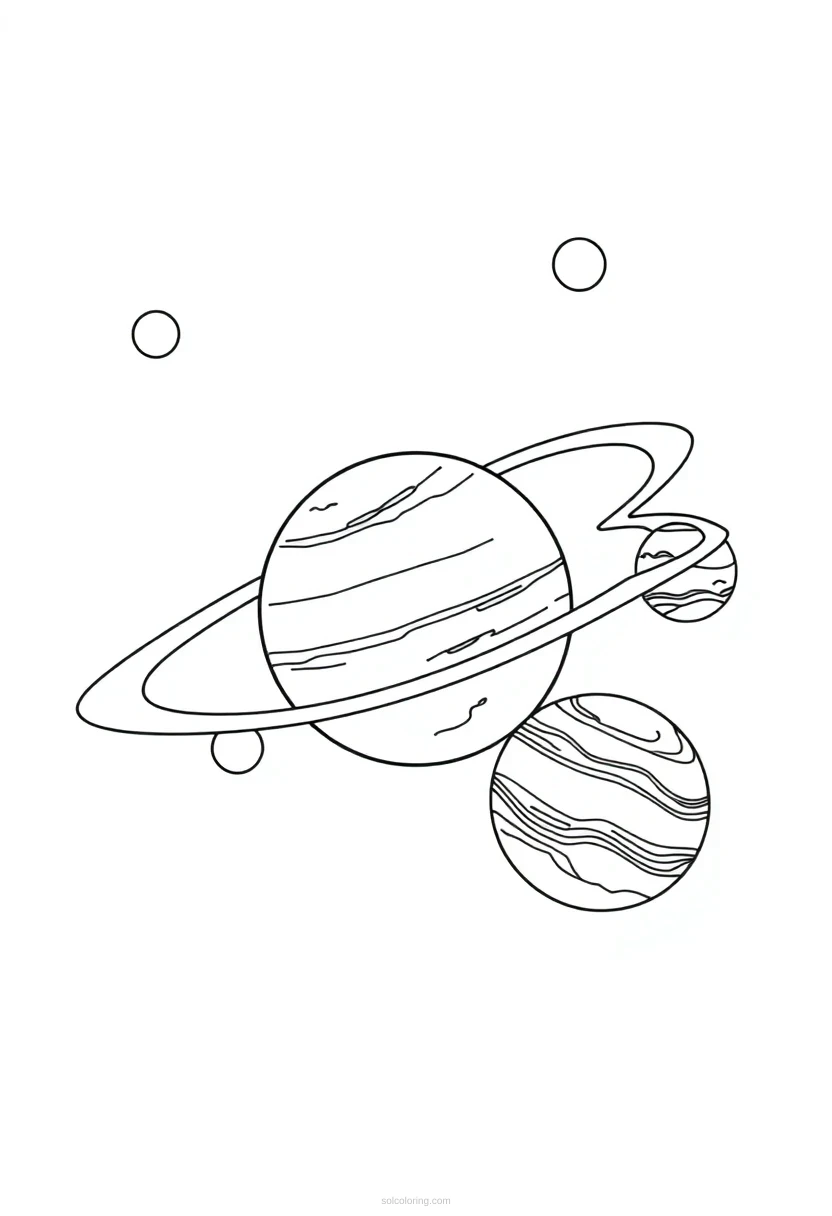
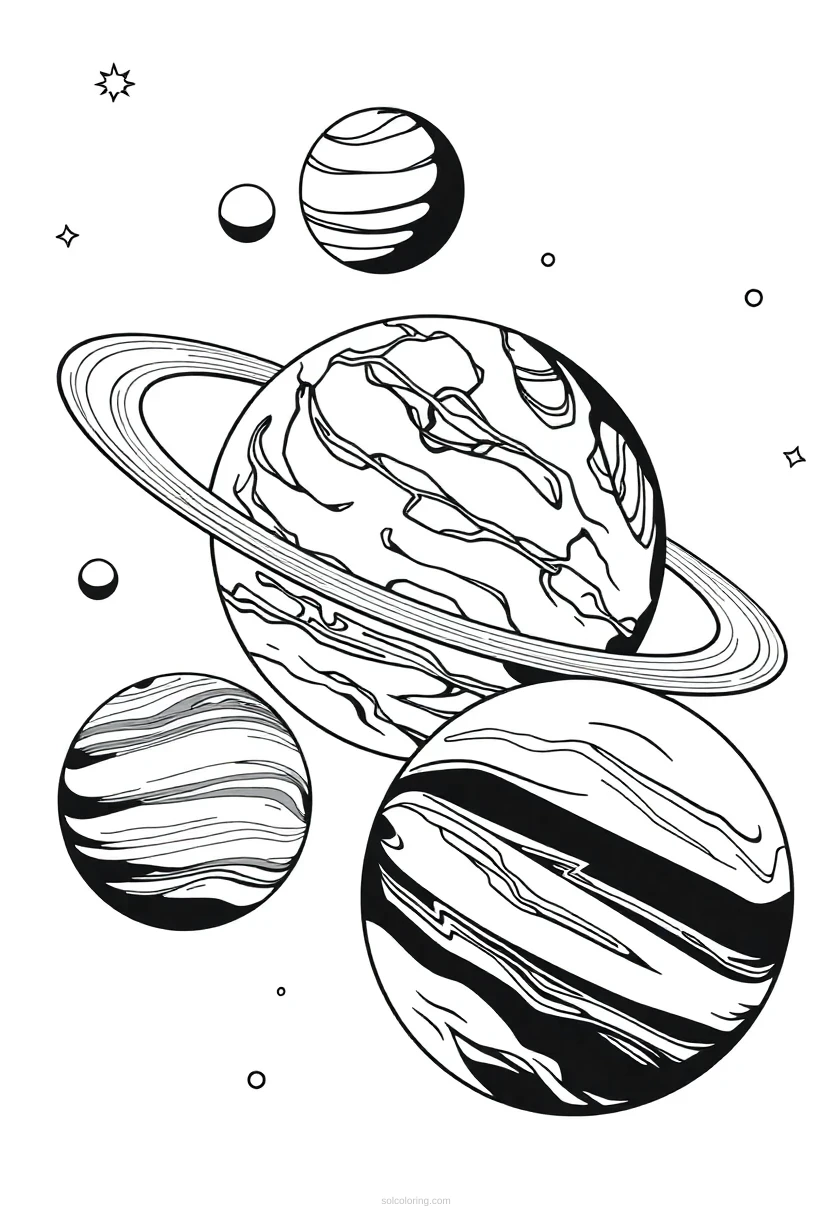
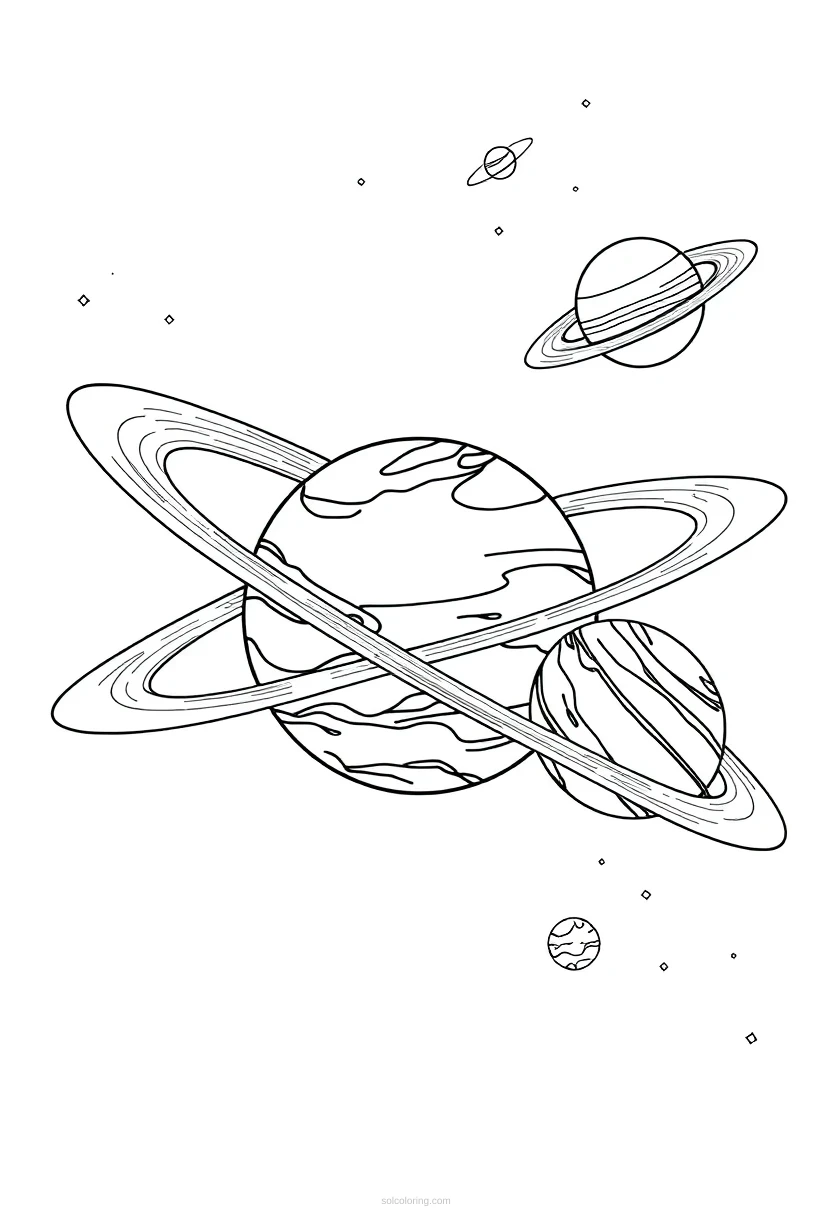
Explore the wonders of our solar system with this captivating free printable coloring page. From the scorching surface of Mercury to the icy edges of Neptune, discover the eight planets orbiting our sun in this space sci-fi illustration. Perfect for curious minds aged 8 to 14, this free printable coloring page combines artistic creativity with real astronomical knowledge. Whether you are a space enthusiast or just beginning to learn about our cosmic neighborhood, coloring the planets is a fun and educational way to understand the layout and characteristics of each world in our solar system.
Read more →Read less ↑
Choose a style
Did you know?
Fun facts about Solar System With Planets
A year on Venus is shorter than a day on Venus because it orbits the sun faster than it rotates on its axis.
Jupiter's Great Red Spot is a storm larger than Earth that has been raging for at least 400 years.
One day on Mercury is longer than one year on Mercury because it rotates very slowly while orbiting quickly.
Saturn is the only planet in our solar system that would float in water if you could find a bathtub large enough.
Neptune has the strongest winds in the entire solar system, with speeds reaching over 1,200 miles per hour.
About Solar System With Planets
What is the order of the planets in our solar system?
Starting from the sun, the eight planets in order are: Mercury, Venus, Earth, Mars, Jupiter, Saturn, Uranus, and Neptune. A helpful memory trick is 'My Very Educated Mother Just Served Us Noodles.' The first four planets are small and rocky, while the last four are massive gas and ice giants.
Why does Jupiter appear so much larger than other planets?
Jupiter is the largest planet in our solar system, roughly 11 times wider than Earth. Despite being much farther from the sun than many planets, its enormous size makes it incredibly prominent in our sky. You could fit over 1,300 Earths inside Jupiter, making it a true giant of our solar system.
What makes Saturn's rings so special?
Saturn's spectacular rings are composed of billions of particles of ice, rock, and dust ranging from tiny grains to house-sized chunks. These rings orbit at different speeds, creating gaps and complex patterns. Scientists believe the rings may be leftover material from a moon that broke apart long ago.
How long does it take each planet to orbit the sun?
Mercury takes only 88 Earth days, while Venus takes 225 days. Earth takes 365 days, Mars takes 687 days, Jupiter takes 12 years, Saturn takes 29 years, Uranus takes 84 years, and Neptune takes 165 years! The farther a planet is from the sun, the longer its journey around it.
Which planets can we see from Earth without a telescope?
Five planets are visible to the naked eye from Earth: Mercury, Venus, Mars, Jupiter, and Saturn. These were the only planets known to ancient civilizations for thousands of years. Uranus and Neptune require binoculars or telescopes, and Pluto is no longer classified as a full planet.
What is the difference between rocky planets and gas giants?
Rocky planets like Mercury, Venus, Earth, and Mars have solid surfaces you could stand on. Gas giants like Jupiter, Saturn, Uranus, and Neptune are massive balls of swirling gases with no solid ground. Gas giants are much larger and located farther from the sun in our solar system.
More Exploration coloring pages
Coloring page FAQs
Are these Solar System With Planets coloring pages free?
Yes, absolutely! All coloring pages on Sol Coloring are completely free to download and print. No membership, subscription, or hidden fees required. Simply visit our website, select your favorite free printable coloring page, and start creating.
What age are these Solar System With Planets coloring pages for?
These coloring pages are designed for ages 8 to 14, with varying complexity levels. Younger children can enjoy simple, large sections to color, while older kids appreciate detailed planetary features and realistic space sci-fi elements for a more challenging creative experience.
How do I print these Solar System With Planets coloring pages?
Download the PDF file to your device, then print on standard A4 or Letter-sized paper using any home printer. No special software or signup required. You can print directly from your browser or save the file for later printing whenever you're ready.