
Exploration
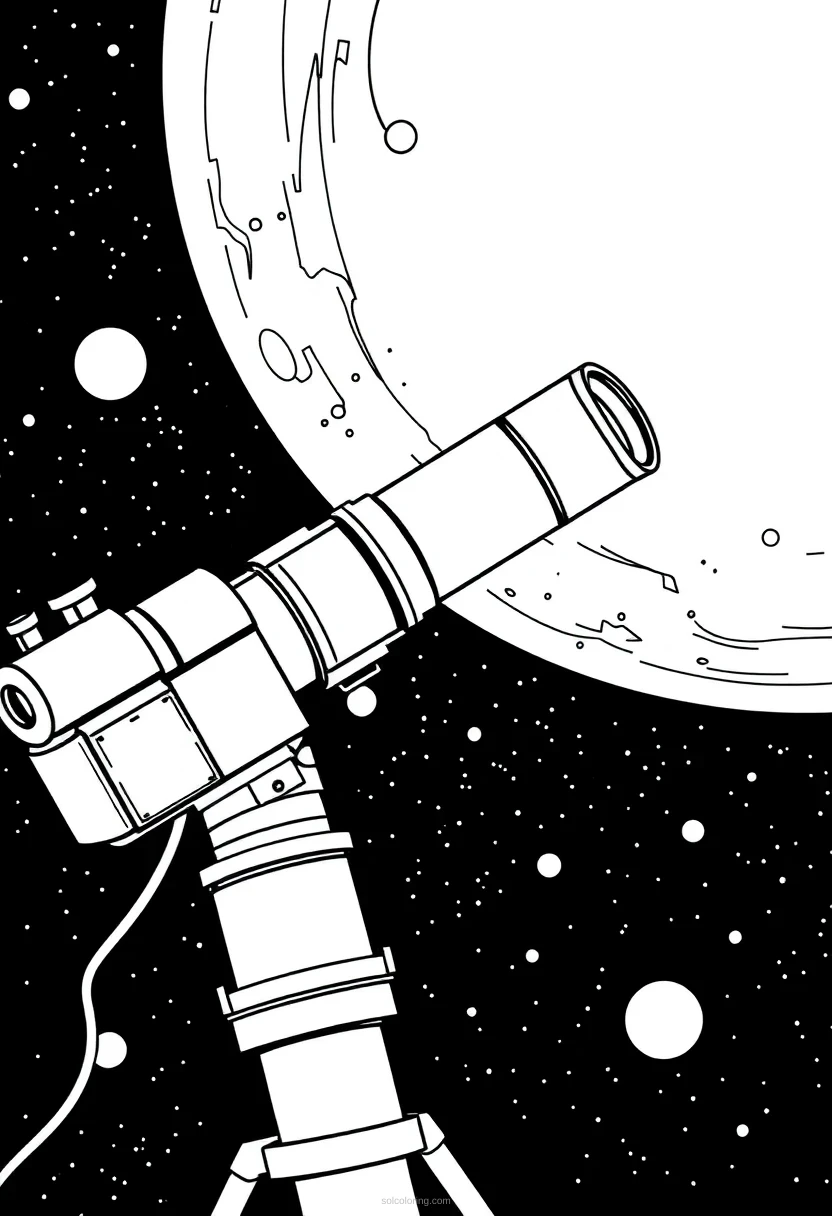
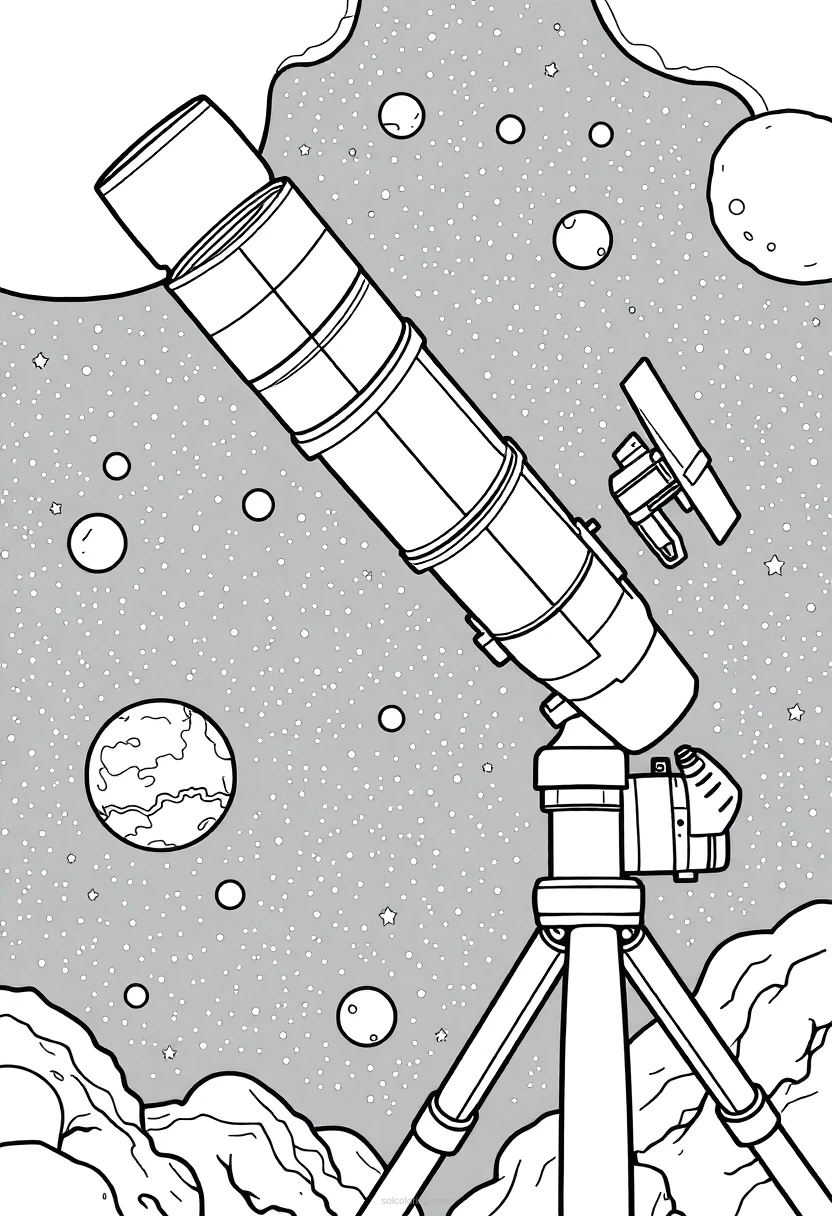
Space Telescope In Deep Space Coloring Pages
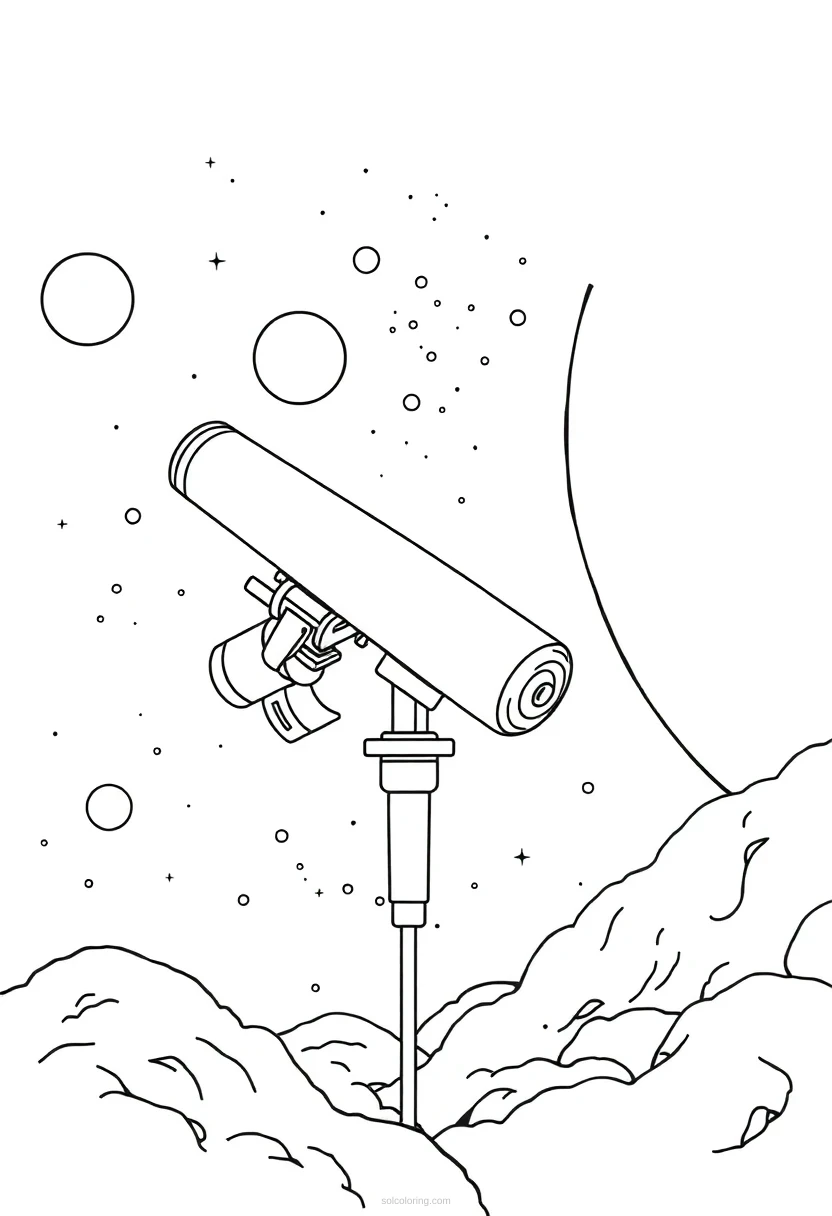
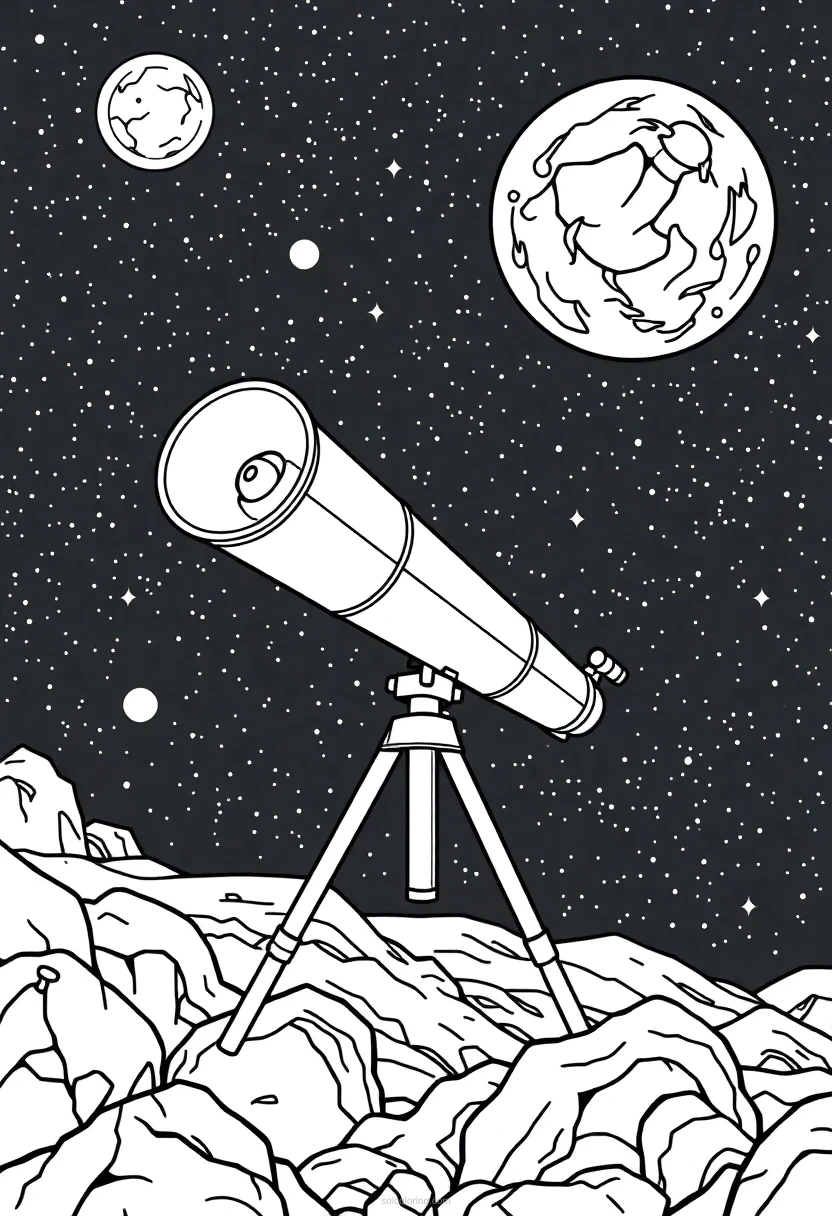
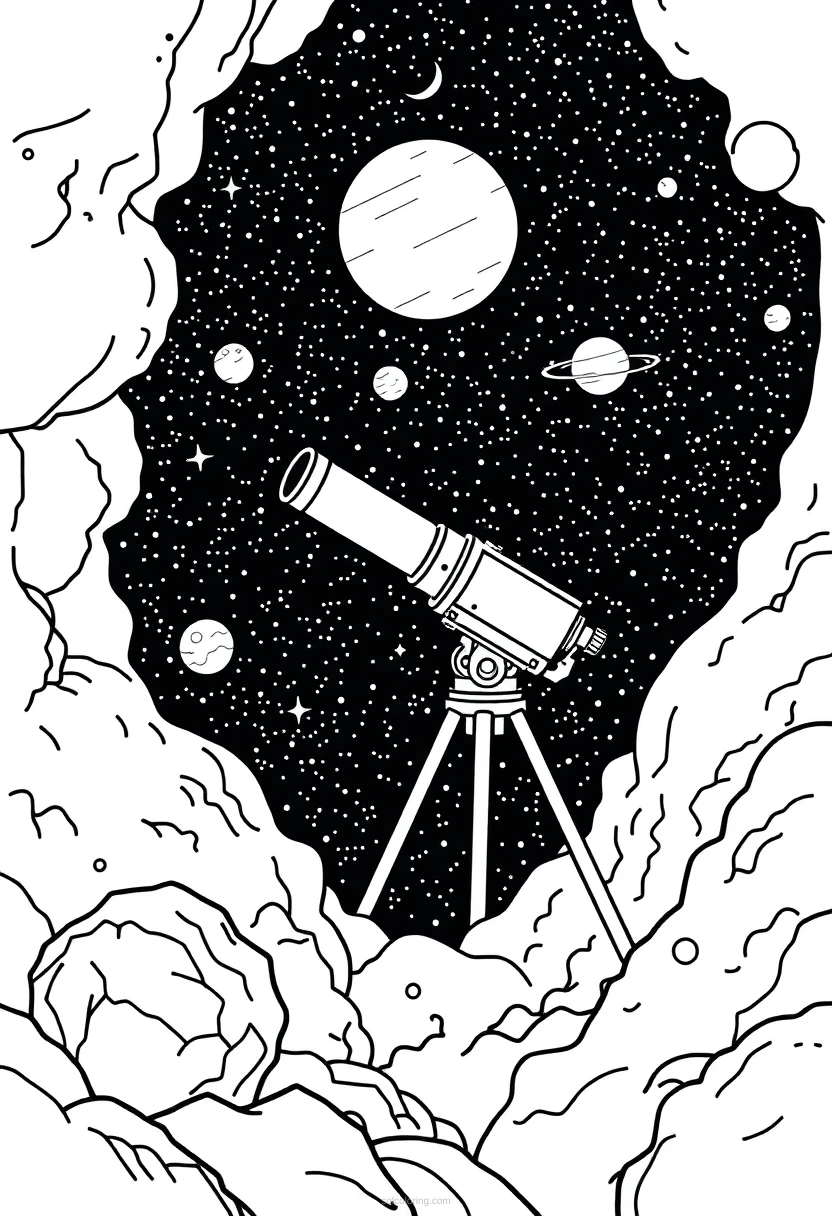
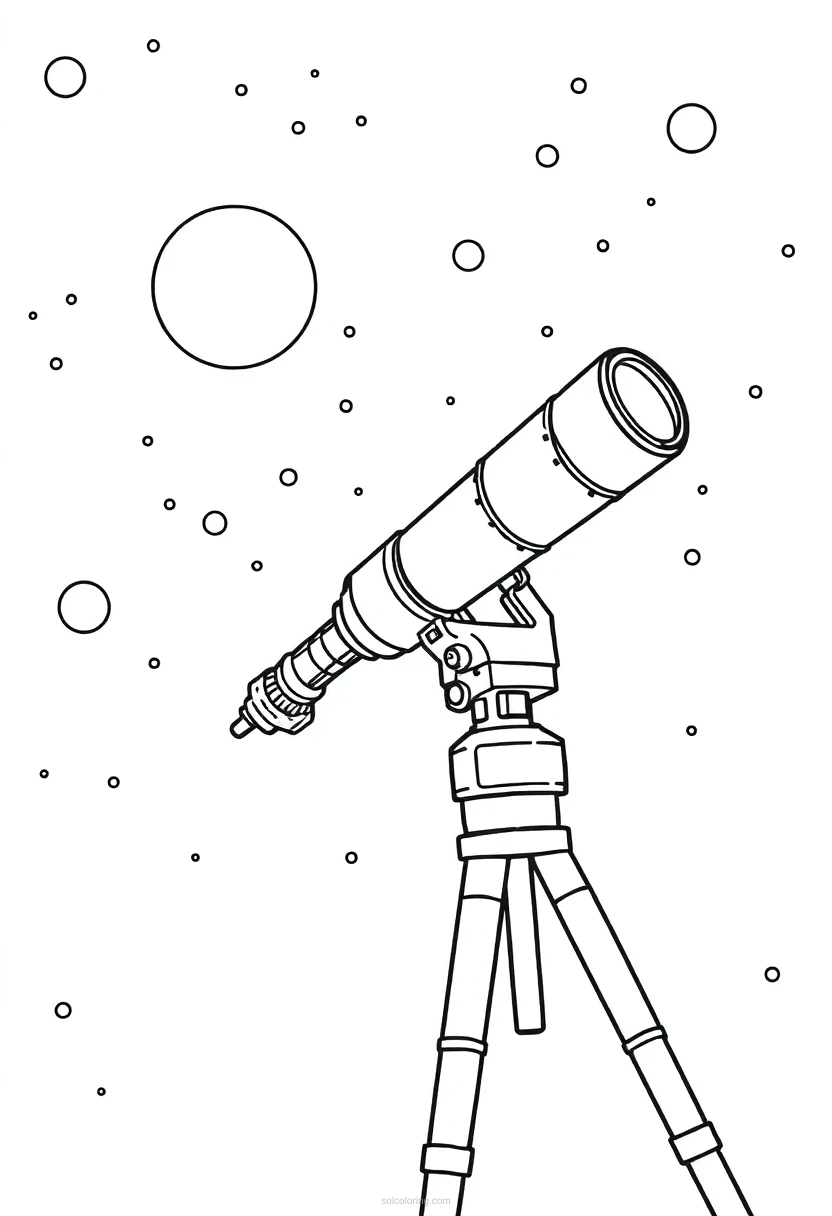
6 free printable designs including Standard, Standard, Standard, Standard and more.
Imagine peering into the darkest corners of the universe with a powerful space telescope floating millions of miles from Earth. These incredible machines help astronomers discover distant galaxies, colorful nebulas, and the mysteries of outer space. Our free printable coloring page featuring a space telescope in deep space combines scientific wonder with creative fun. Whether you're fascinated by astronomy or simply love sci-fi art, this free printable coloring page is perfect for exploring your imagination while learning about humanity's greatest tools for understanding the cosmos.
Read more →Read less ↑
Choose a style
Did you know?
Fun facts about Space Telescope In Deep Space
The James Webb Space Telescope's primary mirror is made of beryllium coated with gold, which reflects infrared light better than any other material and costs about $1 million per ounce.
Space telescopes must be launched in a folded configuration because they are too large to fit inside rocket fairings, then they unfold and deploy like origami in space.
The Hubble Space Telescope is so precise it could theoretically spot a firefly on the Moon, and it has captured images of objects over 400 times fainter than the human eye can see.
Space telescopes orbiting Earth are traveling at speeds of 17,500 miles per hour, completing an orbit around our planet every 90 to 100 minutes while observing distant galaxies.
Some space telescopes are positioned at a special point in space called Lagrange Point 2, where gravitational forces from Earth and the Sun create a perfect balance, allowing telescopes to stay in position with minimal fuel.
About Space Telescope In Deep Space
How do space telescopes work in the vacuum of space?
Space telescopes use mirrors and lenses to collect light from distant stars and galaxies. Unlike Earth-based telescopes, they orbit above Earth's atmosphere, which blocks certain wavelengths of light. This gives them a crystal-clear view of the universe without atmospheric distortion, allowing them to see objects billions of light-years away.
Why is the James Webb Space Telescope so revolutionary?
The James Webb Space Telescope observes infrared light, allowing it to see through dust clouds and peer back in time to when the universe was young. Launched in 2021, it's so powerful it can detect heat signatures from objects the size of a grain of sand from a million miles away, revolutionizing our understanding of star and galaxy formation.
How far away do space telescopes actually observe?
Space telescopes can observe objects over 13 billion light-years away, meaning we see light that traveled for 13 billion years to reach us. This allows astronomers to witness galaxies as they existed when the universe was only a few hundred million years old, essentially looking back in time itself.
What challenges do space telescopes face in deep space?
Space telescopes face extreme temperatures ranging from minus 370 to plus 250 degrees Fahrenheit, cosmic radiation, and micrometeorite impacts. Engineers design special shielding, thermal protection, and self-healing components to keep these million-dollar instruments functioning for decades in the harsh, unforgiving environment of space.
How do scientists control space telescopes from Earth?
Astronomers send instructions through radio signals that travel at light speed, but with millions of miles between Earth and the telescope, commands take minutes to arrive. Therefore, space telescopes must be incredibly intelligent and autonomous, with onboard computers handling many operations independently while ground teams monitor performance and plan observations.
What has the Hubble Space Telescope discovered?
The Hubble Space Telescope, orbiting since 1990, has made groundbreaking discoveries: determining the universe's age, proving dark energy exists, imaging the deepest regions of space, and identifying thousands of galaxies. Its iconic images have transformed our understanding of the cosmos and inspired millions to pursue science and astronomy careers.
More Exploration coloring pages
Coloring page FAQs
Are these Space Telescope In Deep Space coloring pages free?
Yes, all our Space Telescope In Deep Space coloring pages are completely free to download and print. Simply visit our website, select your favorite design, and instantly print it on your home printer. No signup, no hidden costs, no subscriptions required.
What age are these Space Telescope In Deep Space coloring pages for?
These coloring pages are designed for kids and adults aged 8 to 14, with varying difficulty levels. Younger children can enjoy simple designs with larger spaces, while older kids appreciate detailed, intricate space telescope illustrations that challenge their coloring skills.
How do I print these Space Telescope In Deep Space coloring pages?
Printing is simple: download your chosen page, open it on your computer, and select print. Our pages fit standard A4 and Letter sizes perfectly. Use any home printer with regular paper, colored pencils, markers, or crayons to bring the space telescope to life.