Solar System
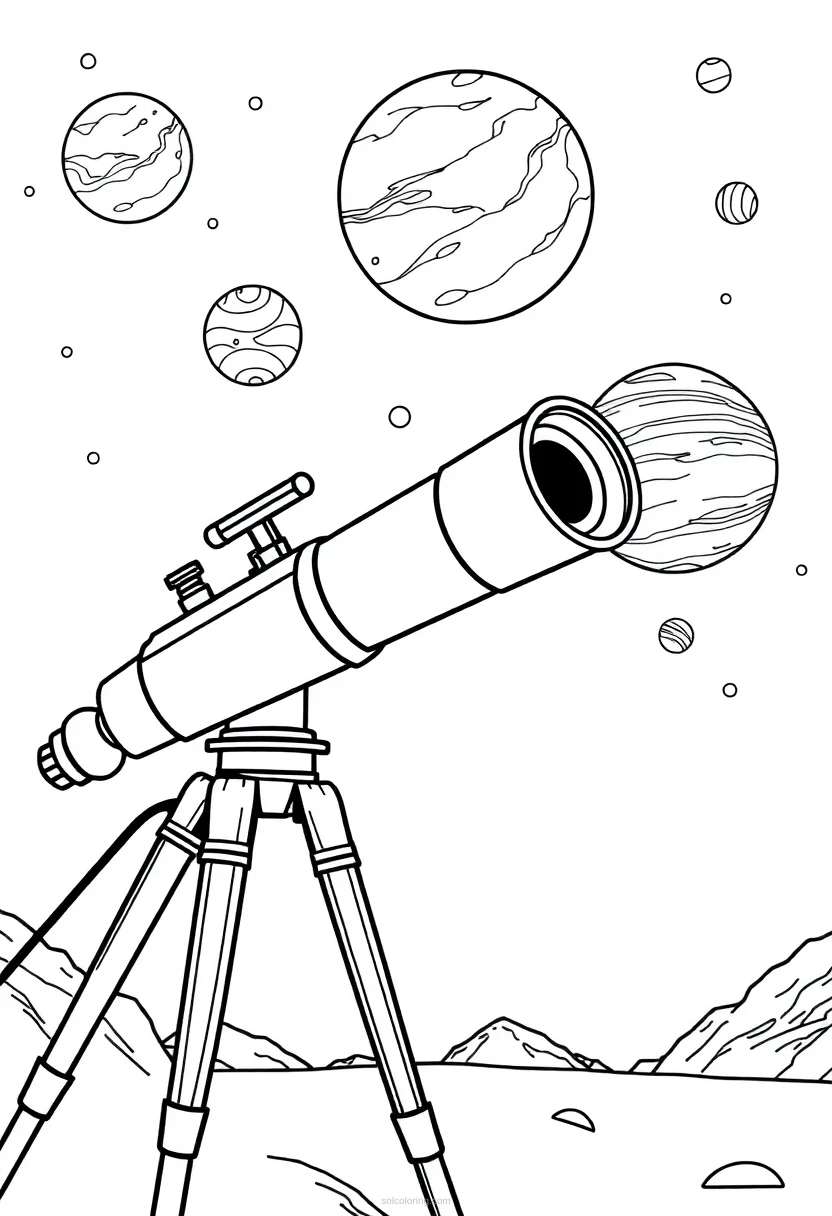
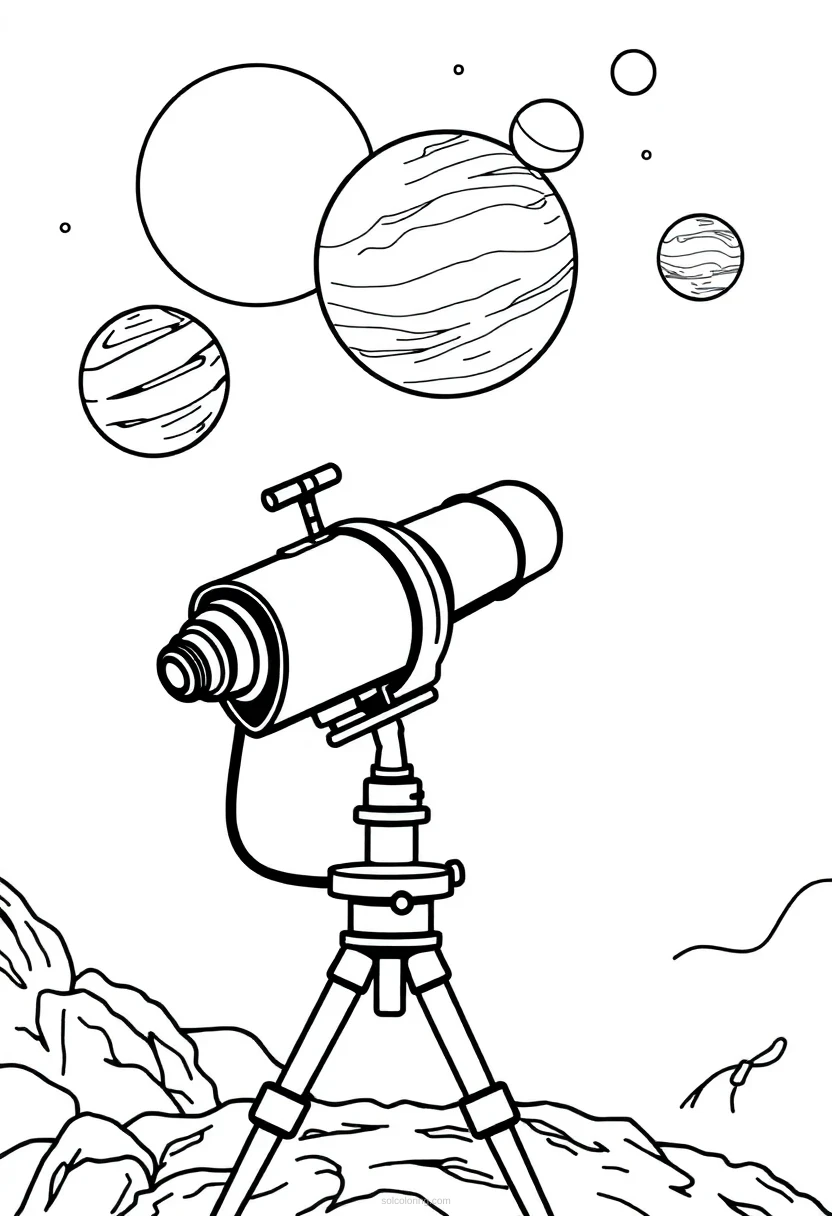
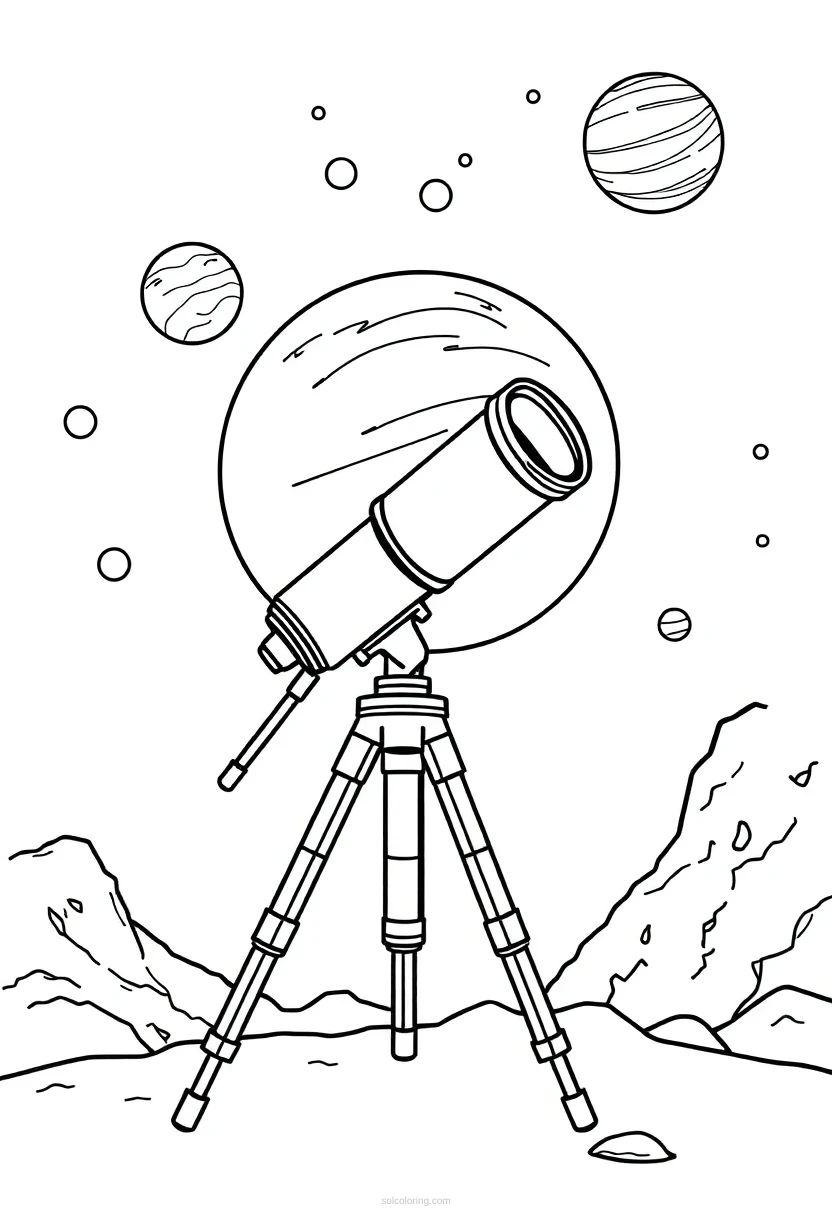
Telescope Observing Planets Coloring Pages
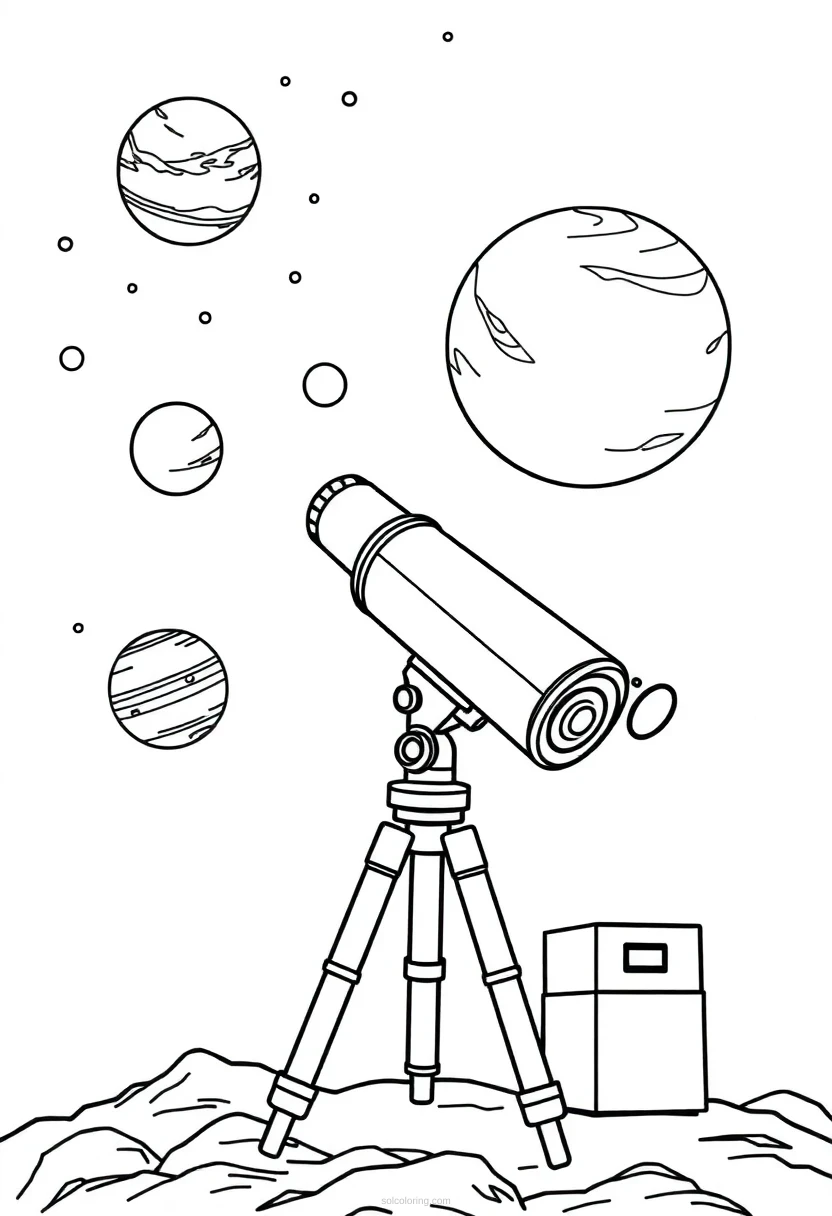
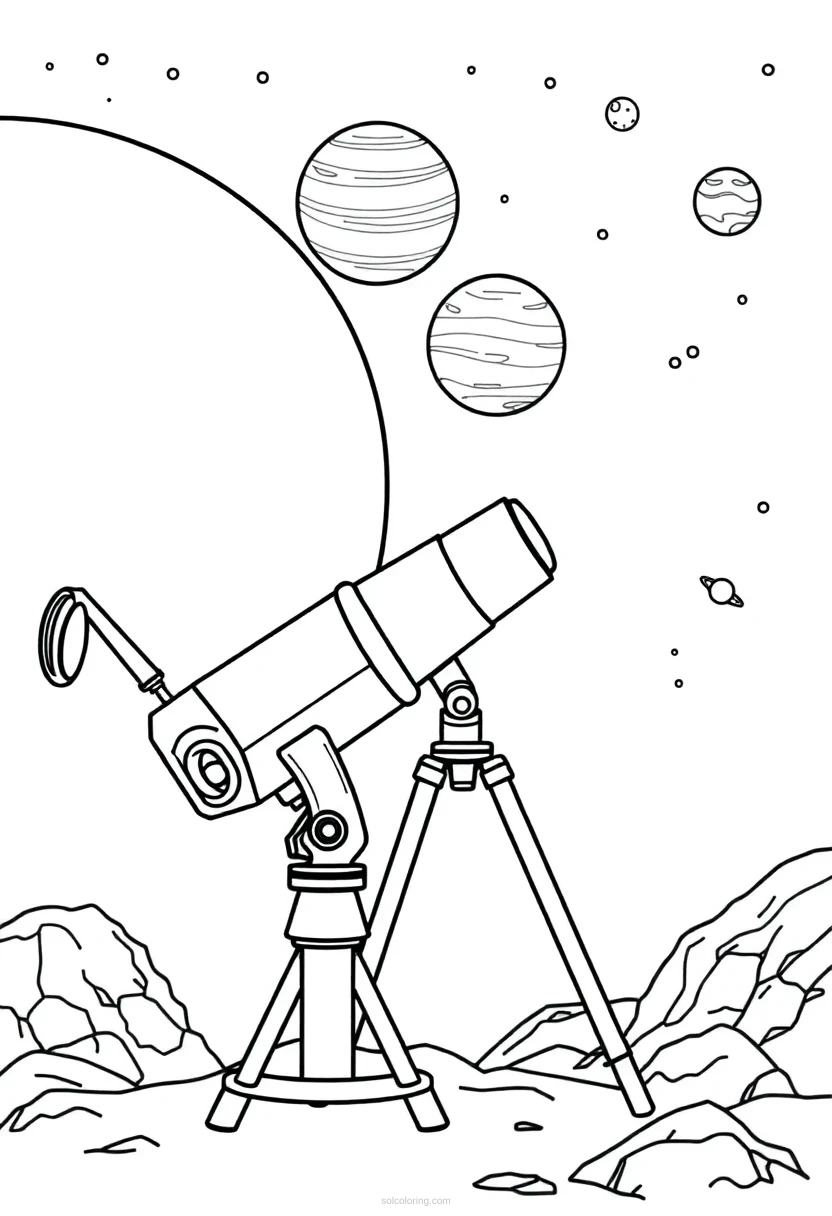
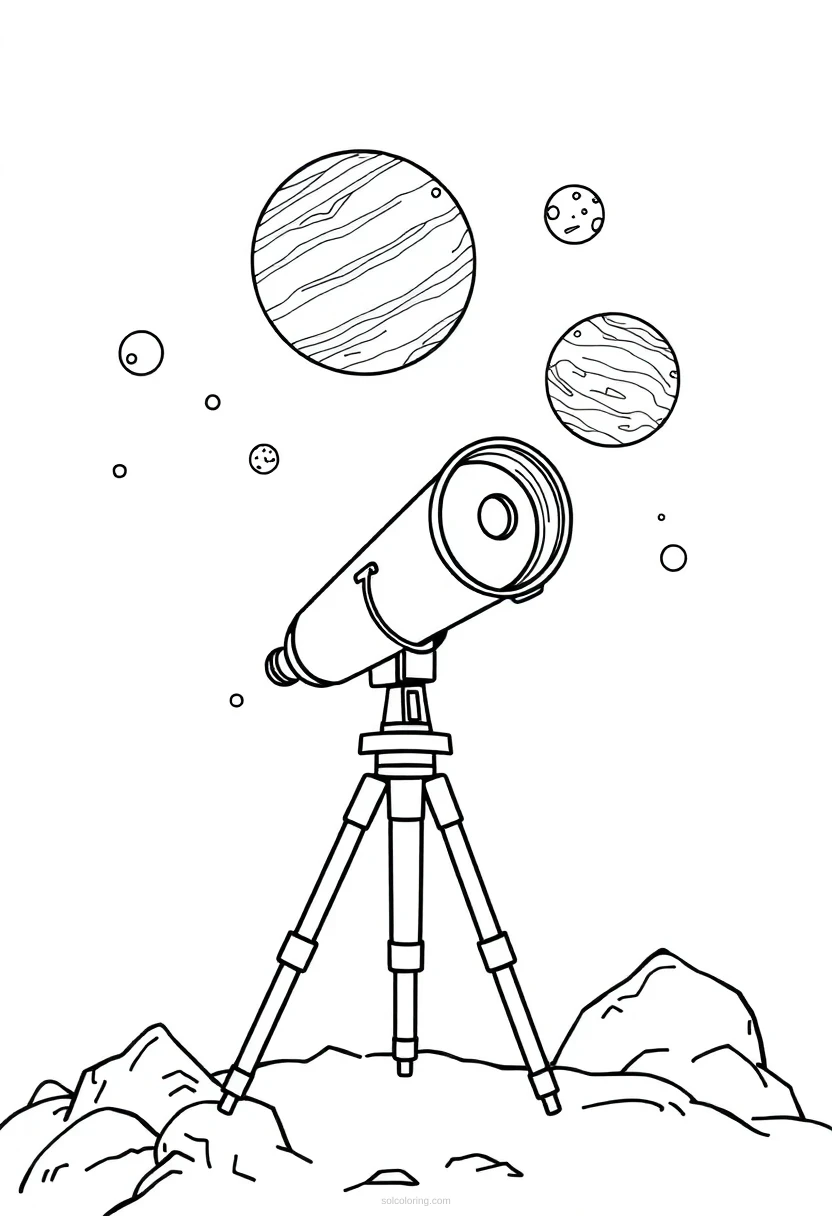
6 free printable designs including Standard, Standard, Standard, Standard and more.
Explore the wonders of our Solar System with our free printable coloring page featuring telescopes and planets! Whether you are a budding astronomer or simply love space, this coloring page combines science and creativity perfectly. Learn about the incredible planets visible through telescopes while bringing your cosmic scene to life with color. Our free printable coloring page is ideal for kids and adults who want to explore space exploration in a fun, artistic way. Perfect for classrooms, home learning, or just dreaming about the stars.
Read more →Read less ↑
Choose a style
Did you know?
Fun facts about Telescope Observing Planets
Jupiter's Great Red Spot is a storm larger than Earth that has been raging for at least 350 years and is still visible through modern telescopes.
Saturn's rings are made of billions of particles of ice and rock ranging from tiny grains to pieces as large as houses, and they are surprisingly thin.
Venus appears brightest in our night sky despite being farther from Earth than Mercury, because its thick atmosphere reflects sunlight incredibly well.
When Galileo first pointed a telescope at Jupiter in 1610, he discovered four moons orbiting it, proving not everything orbits Earth.
Mars appears reddish through telescopes because its surface is covered in iron oxide, the same material that makes rust on Earth.
About Telescope Observing Planets
What planets can you actually see through a telescope?
You can observe Mercury, Venus, Mars, Jupiter, and Saturn with telescopes. Jupiter reveals stunning cloud bands and four large moons, while Saturn displays its magnificent ring system. These planets show incredible detail that naked eye viewing cannot provide.
How does a telescope help us observe planets?
Telescopes use lenses or mirrors to collect light and magnify distant objects, making planets appear much larger and brighter than to the naked eye. This allows astronomers to see surface features, cloud patterns, and planetary atmospheres in remarkable detail.
What is the difference between refracting and reflecting telescopes?
Refracting telescopes use curved lenses to focus light, while reflecting telescopes use curved mirrors. Both work well for planet observation. Reflecting telescopes are often larger and more affordable, making them popular with amateur astronomers worldwide.
Why does the Moon appear so large through a telescope?
Telescopes magnify the Moon significantly, making craters, mountains, and valleys clearly visible. A small telescope can show features just a few kilometers across. The Moon remains our easiest and most rewarding target for telescope observation.
Can you see planets' moons through a home telescope?
Absolutely! Jupiter's four largest moons are visible through even modest telescopes and look like bright dots moving around the planet. Saturn's largest moon, Titan, is also observable, displaying a hazy appearance due to its thick atmosphere.
What is the best time to observe planets with a telescope?
The best time is when planets are at opposition, meaning they are positioned opposite the Sun from Earth. This makes them brightest, highest in the sky, and visible for longer periods. Clear, dark nights away from city lights provide the best viewing conditions.
More Solar System coloring pages
Coloring page FAQs
Are these Telescope Observing Planets coloring pages free?
Yes! All our telescope and planets coloring pages are completely free to download and print. Simply visit Sol Coloring, select your favorite design, and print it instantly on standard paper. No signup, no hidden fees, no watermarks required.
What age are these Telescope Observing Planets coloring pages for?
Our telescope coloring pages work great for ages 8 to 14 and beyond. We offer designs with varying detail levels, from simple outlines for younger kids to intricate planet patterns for more advanced colorers who love challenging projects.
How do I print these Telescope Observing Planets coloring pages?
Printing is easy! Download the PDF, open it on your computer, and print to any standard home printer using A4 or Letter-size paper. No special software needed. Adjust printer settings for best color results.