Extreme
Parkour and Freerunning Coloring Pages
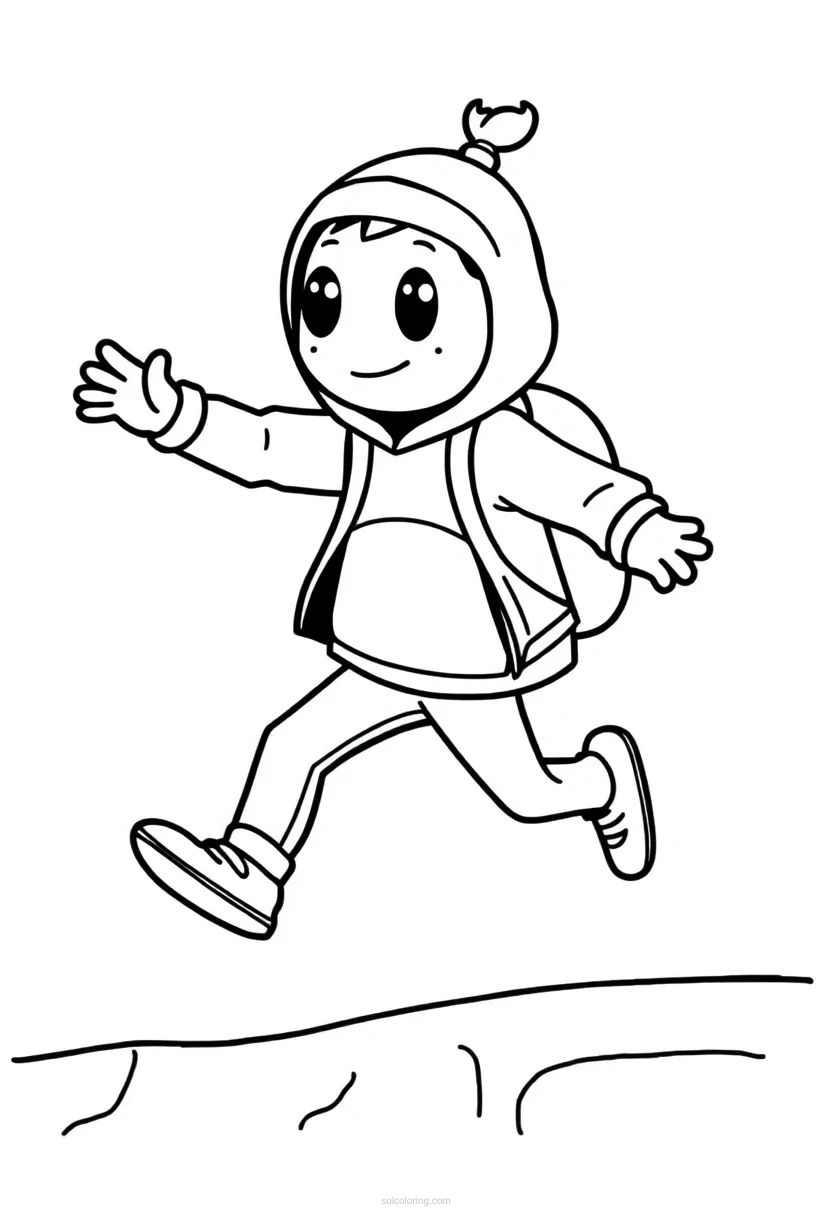
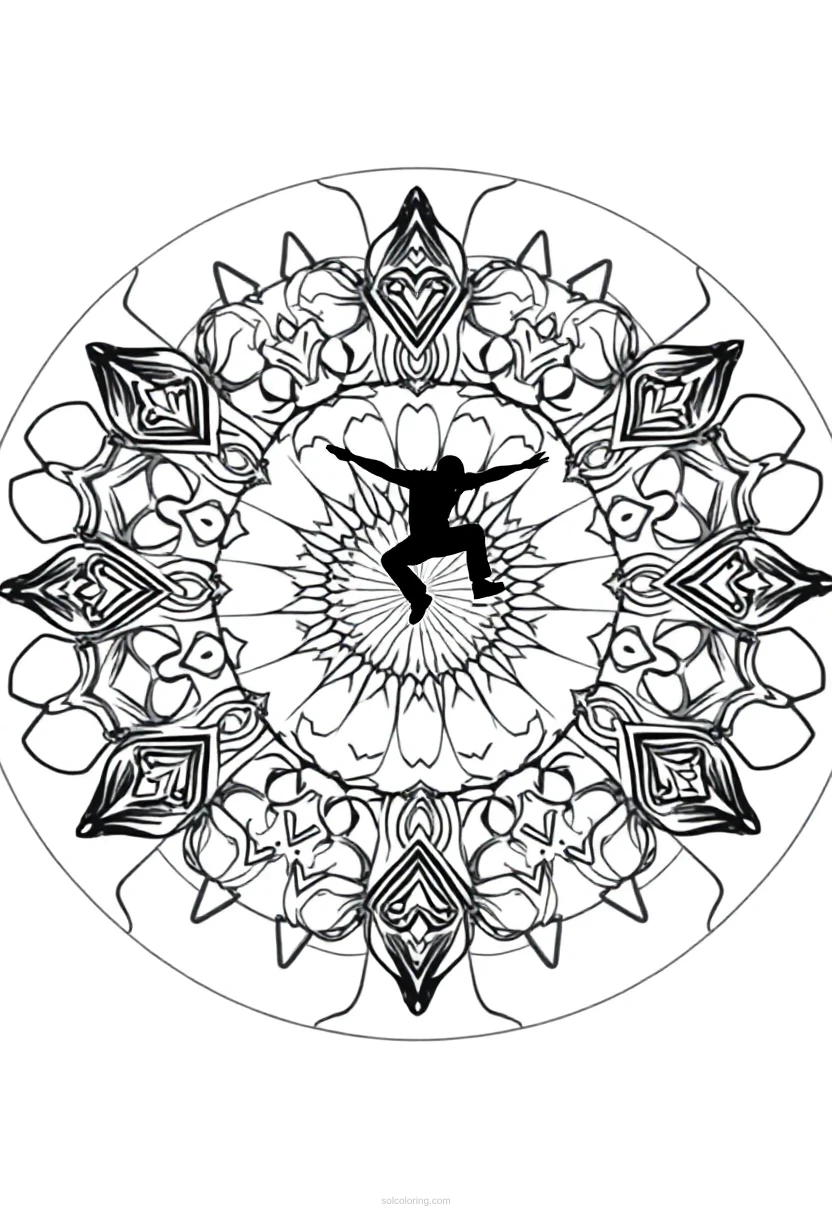
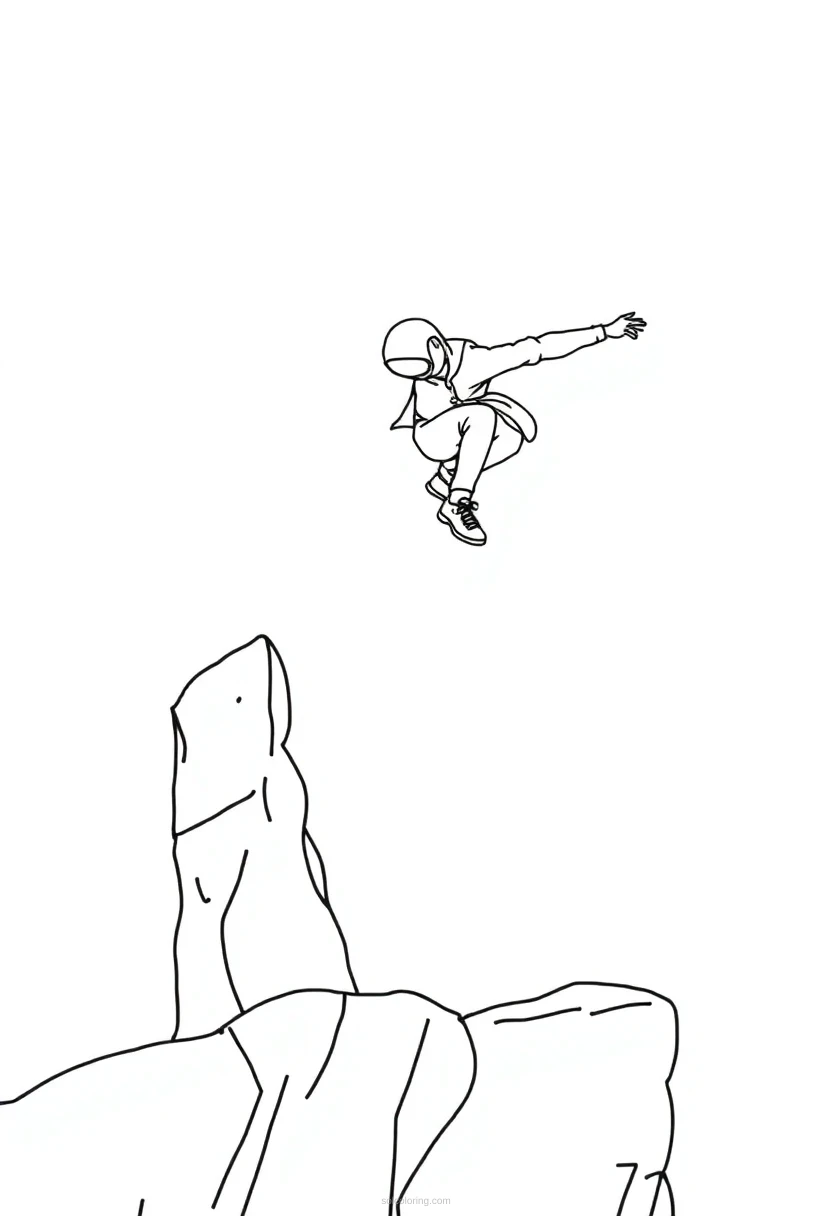
6 free printable designs including Standard, Standard, Standard, Standard and more.
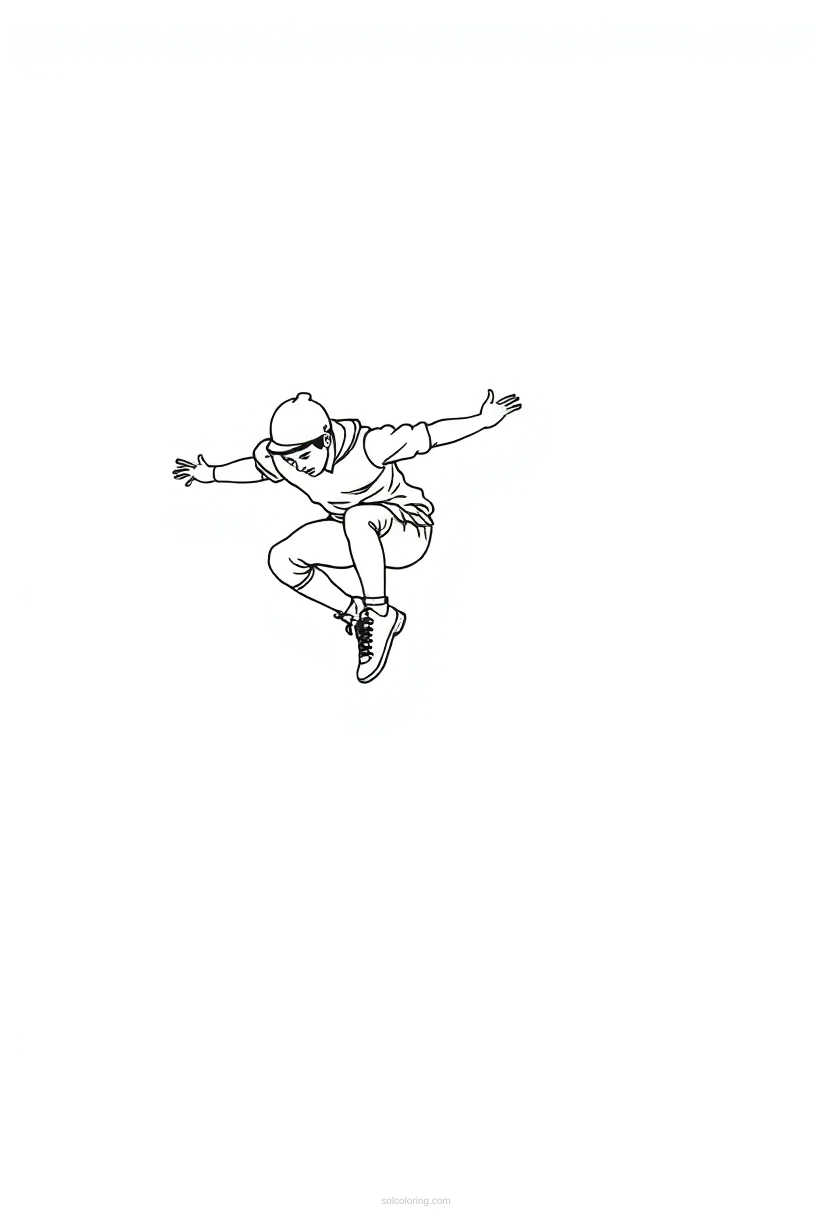
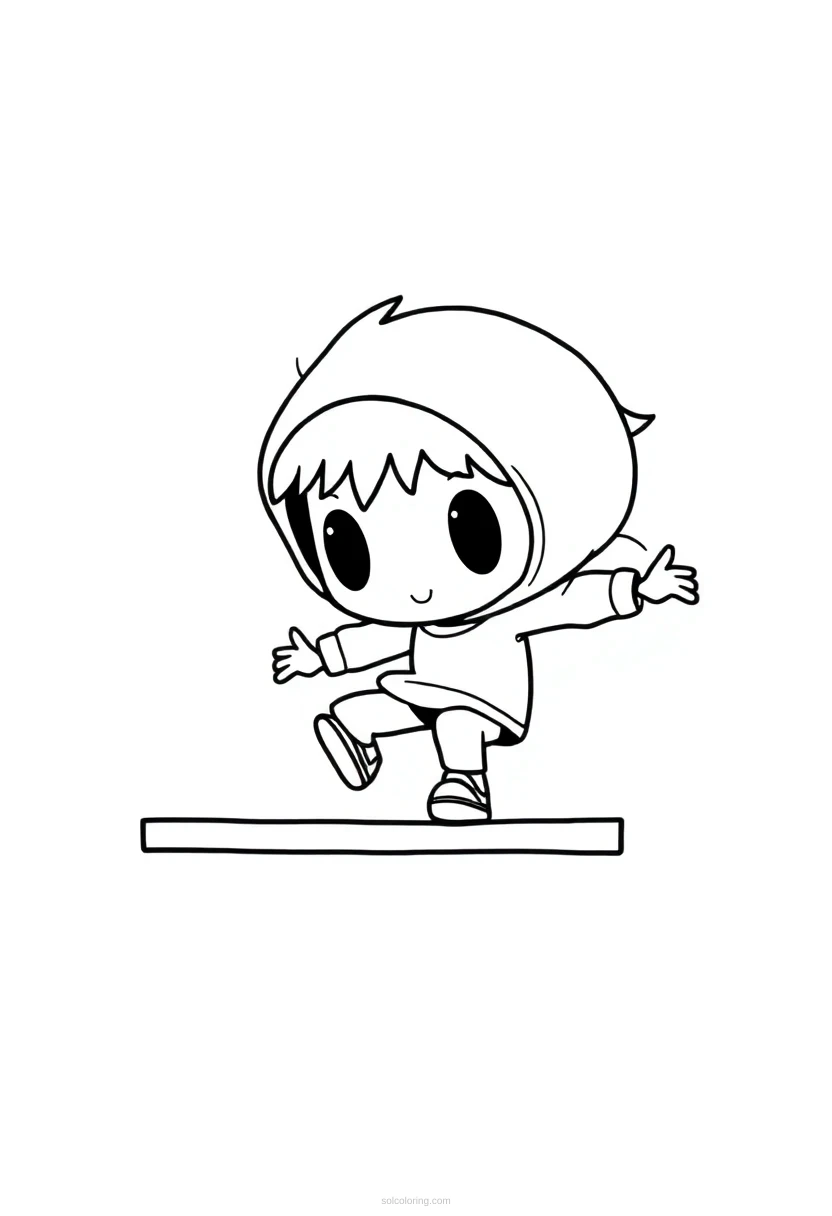
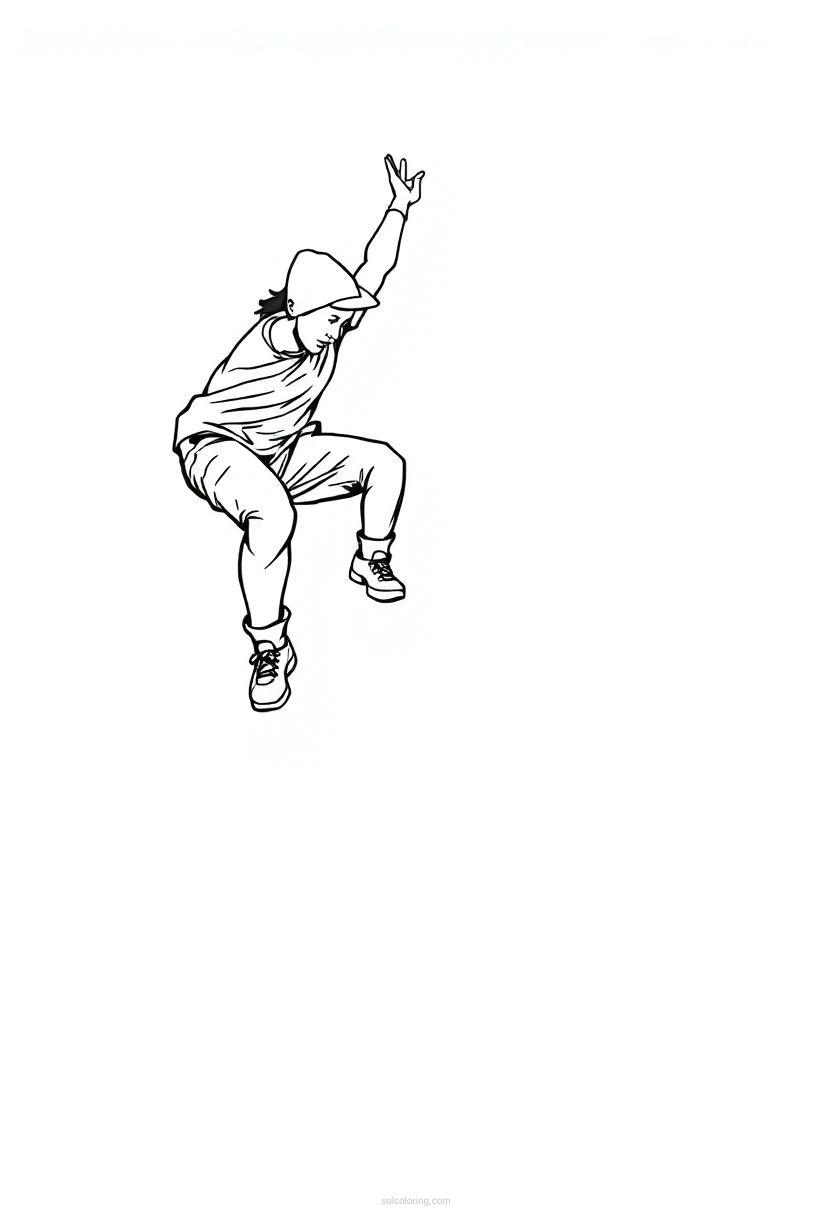
Parkour and freerunning are dynamic urban sports where athletes vault, flip, and flow through city landscapes using incredible speed and creativity. Born in 1990s France, these disciplines combine gymnastics, martial arts, and pure athleticism to transform ordinary buildings and streets into exciting playgrounds. Coloring pages featuring parkour athletes showcase the sport's energy and style, making them perfect for fans of extreme sports. Our free printable coloring page collection lets you explore the acrobatic world of parkour while developing your own artistic skills and appreciation for this thrilling discipline.
Read more →Read less ↑
Choose a style
Did you know?
Fun facts about Parkour and Freerunning
The term 'parkour' comes from the French word 'parcours,' meaning 'course' or 'path,' which describes how athletes navigate through their environment.
Professional parkour athletes can jump distances of 15 feet or more and scale walls up to 12 feet high using only their upper body strength.
Parkour competitions now exist worldwide, with events like the World Chase Tag featuring teams of athletes racing through urban courses while one person is 'it.'
Studies show that parkour training significantly improves balance, spatial awareness, and problem-solving skills compared to traditional sports like running or basketball.
Many parkour athletes train by watching YouTube tutorials and practicing in local parks, with some of the world's best athletes being self-taught through years of dedication and experimentation.
About Parkour and Freerunning
What's the difference between parkour and freerunning?
Parkour focuses on efficient movement from point A to point B using the fastest, most practical routes. Freerunning emphasizes creative expression, style, and personal interpretation of movement through the environment. While parkour prioritizes speed and functionality, freerunning adds artistic flair and individual expression to the same athletic movements.
Where did parkour originate?
Parkour was created in 1990s France by David Belle and his friends, who developed the discipline from military obstacle course training methods. They called it 'l'art du déplacement,' meaning the art of movement. The sport eventually spread worldwide and became a global phenomenon embraced by millions of athletes seeking creative urban expression.
What are the main moves in parkour and freerunning?
Common parkour moves include vaults, precision jumps, wall runs, flips, and rolls. Athletes combine these techniques to navigate obstacles like buildings, railings, and walls. Each move requires strength, balance, timing, and courage. Beginners learn fundamental skills first before attempting advanced techniques like backflips and complex combinations.
Is parkour dangerous, and how do athletes stay safe?
Parkour involves real risks, but professional athletes minimize danger through extensive training, gradual progression, and proper conditioning. They start with low heights, master techniques on flat ground, and progress slowly to more challenging obstacles. Many use protective gear, train with experienced coaches, and respect their physical limits to prevent serious injuries.
What physical skills does parkour require?
Parkour demands exceptional strength, flexibility, cardiovascular endurance, balance, and body awareness. Athletes need powerful legs for jumping, core strength for stability, upper body strength for vaults, and mental focus for complex sequences. Training involves gymnastics, weight training, stretching, and repetitive practice to develop all necessary athletic capabilities.
Can anyone learn parkour, or do you need special talent?
While some people have natural athletic ability, most skilled parkour athletes succeed through consistent training and dedication rather than innate talent. Beginners of all fitness levels can start learning basic movements, and improvement comes from regular practice over months and years. With proper instruction and patience, virtually anyone can develop parkour skills safely.
More Extreme coloring pages
Coloring page FAQs
Are these Parkour and Freerunning coloring pages free?
Yes, all our parkour and freerunning coloring pages are completely free to download and print. You can access our entire collection without signing up or paying any fees. Simply visit Sol Coloring, select your favorite free printable coloring page, and print it instantly on your home printer.
What age are these Parkour and Freerunning coloring pages for?
Our parkour and freerunning coloring pages are designed for kids and adults aged 8 to 14 years old. We offer varying difficulty levels, from simple designs for younger colorers to more detailed, complex scenes for experienced artists who want a greater challenge.
How do I print these Parkour and Freerunning coloring pages?
Printing is easy and requires no signup. Download the coloring page as a PDF, open it on your computer, and print directly to standard A4 or Letter size paper using any home printer. No special equipment or accounts needed, just print and start coloring.