Extreme
Skydiving and Parachuting Coloring Pages
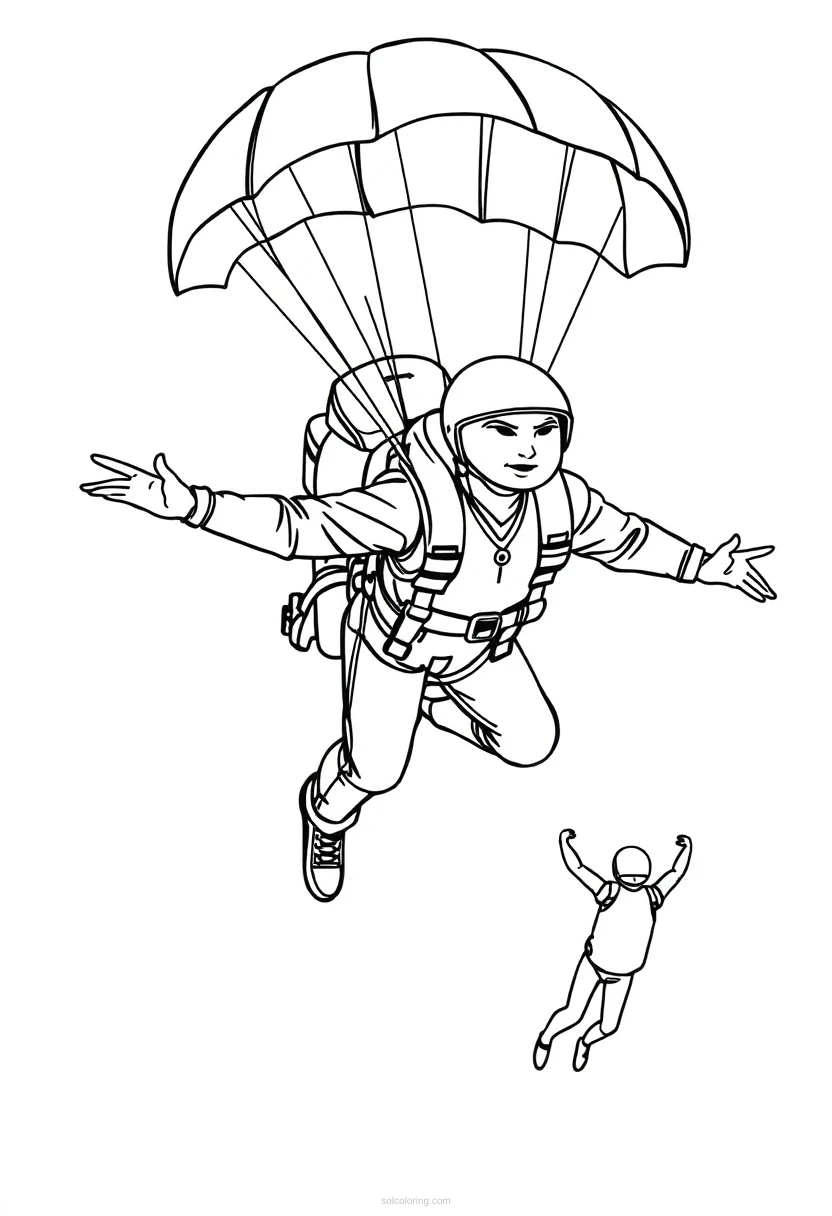
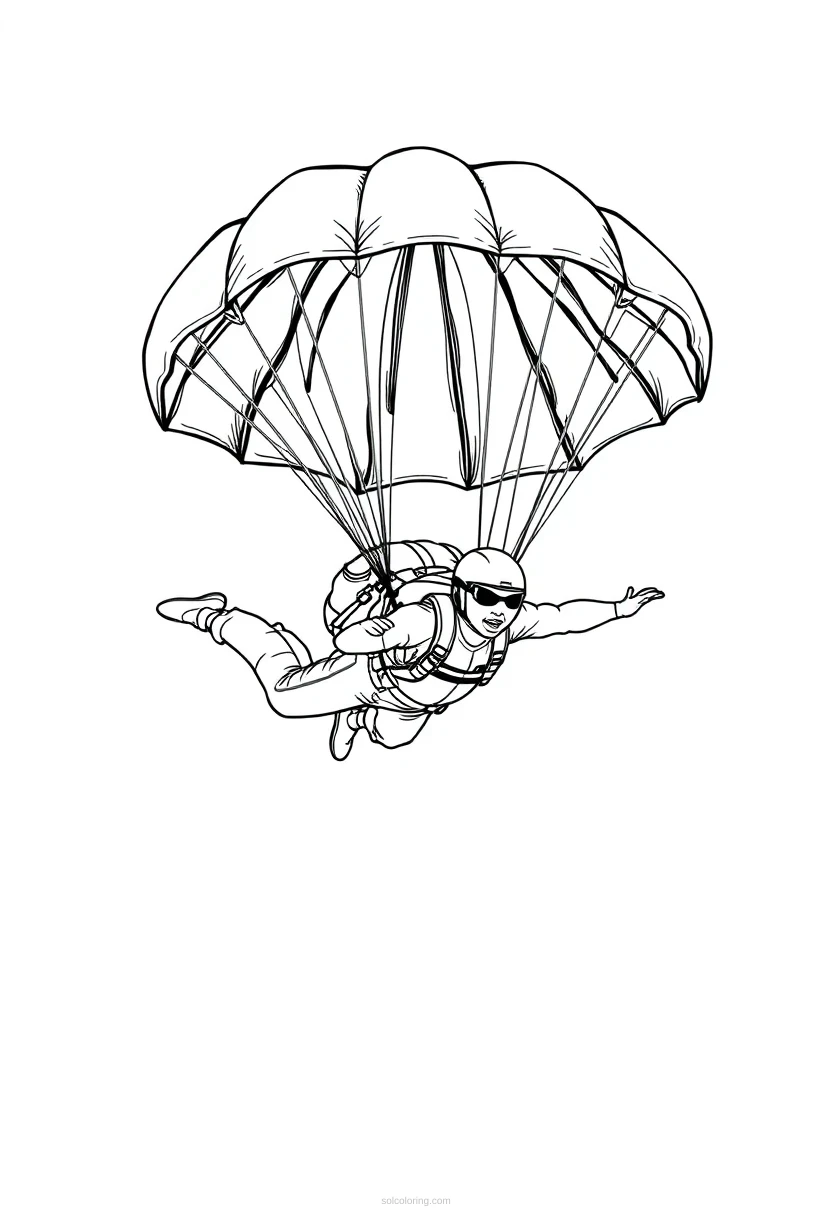
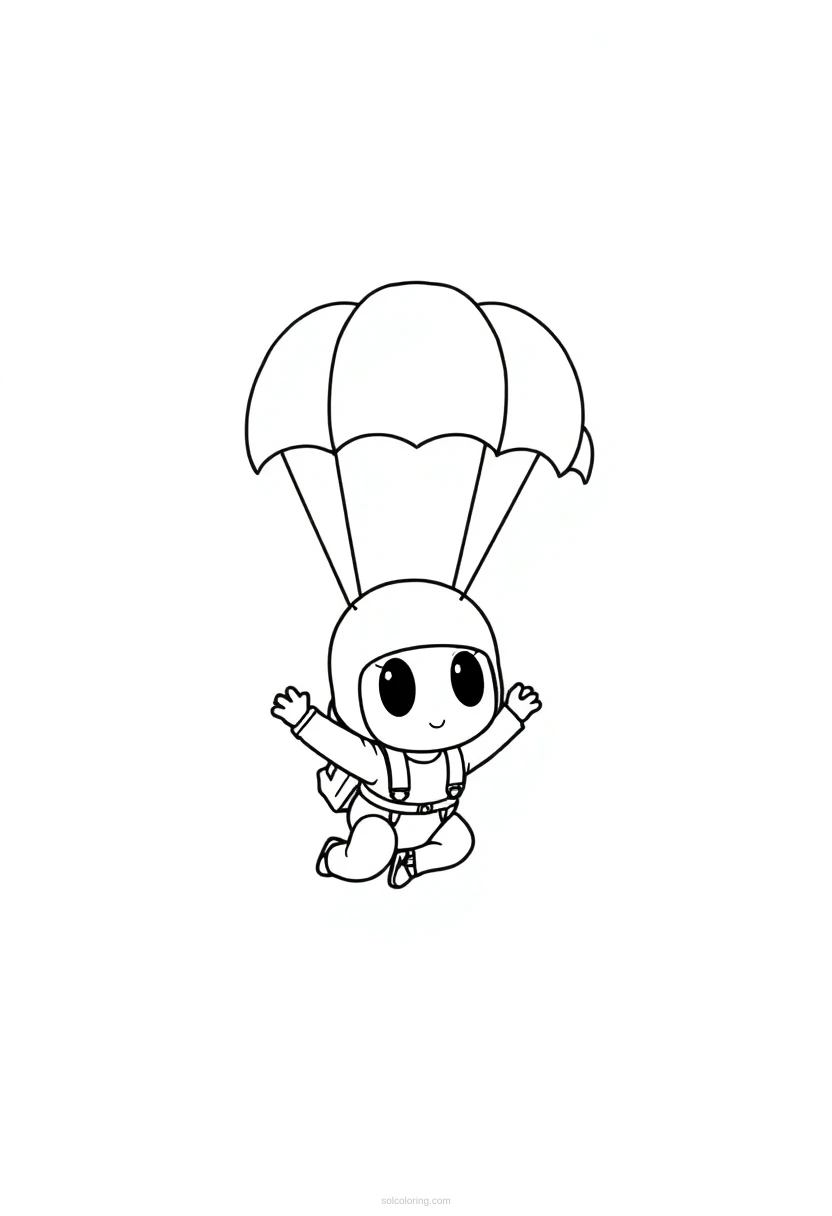
6 free printable designs including Standard, Standard, Standard, Standard and more.
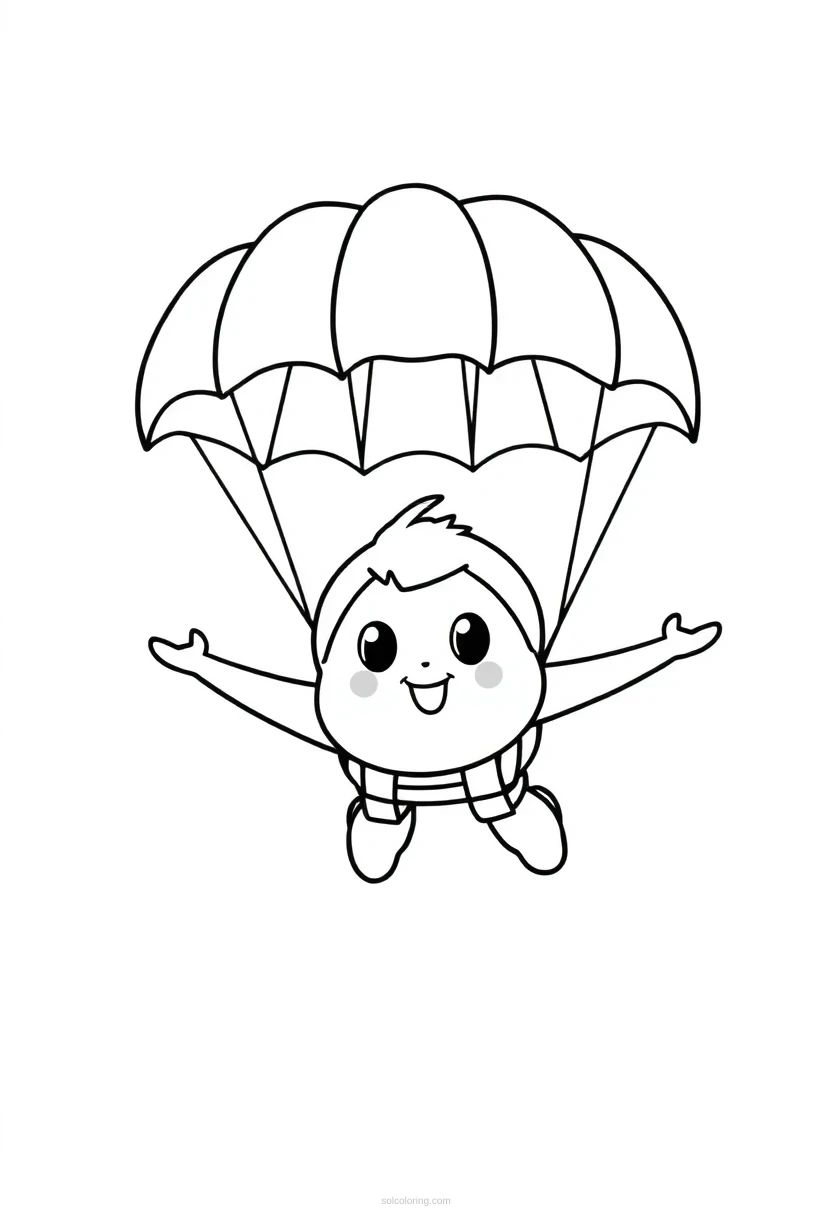
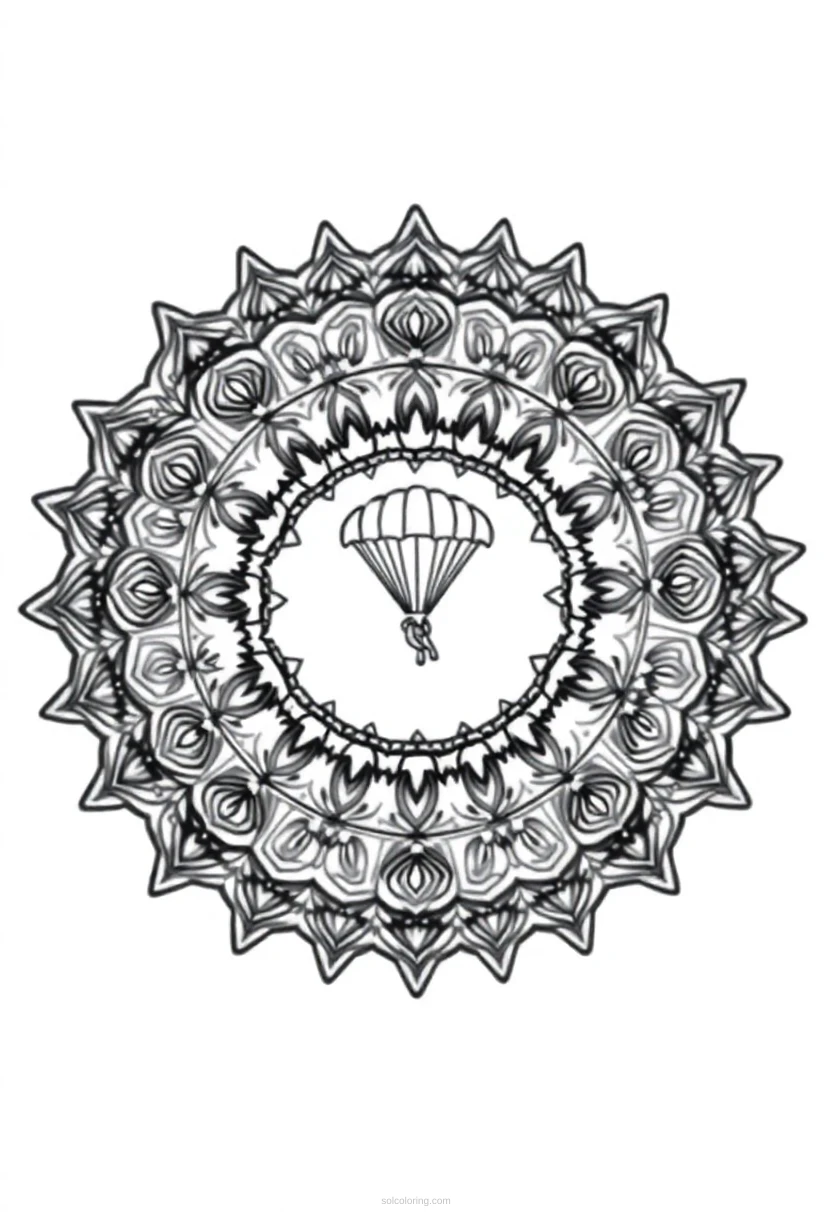
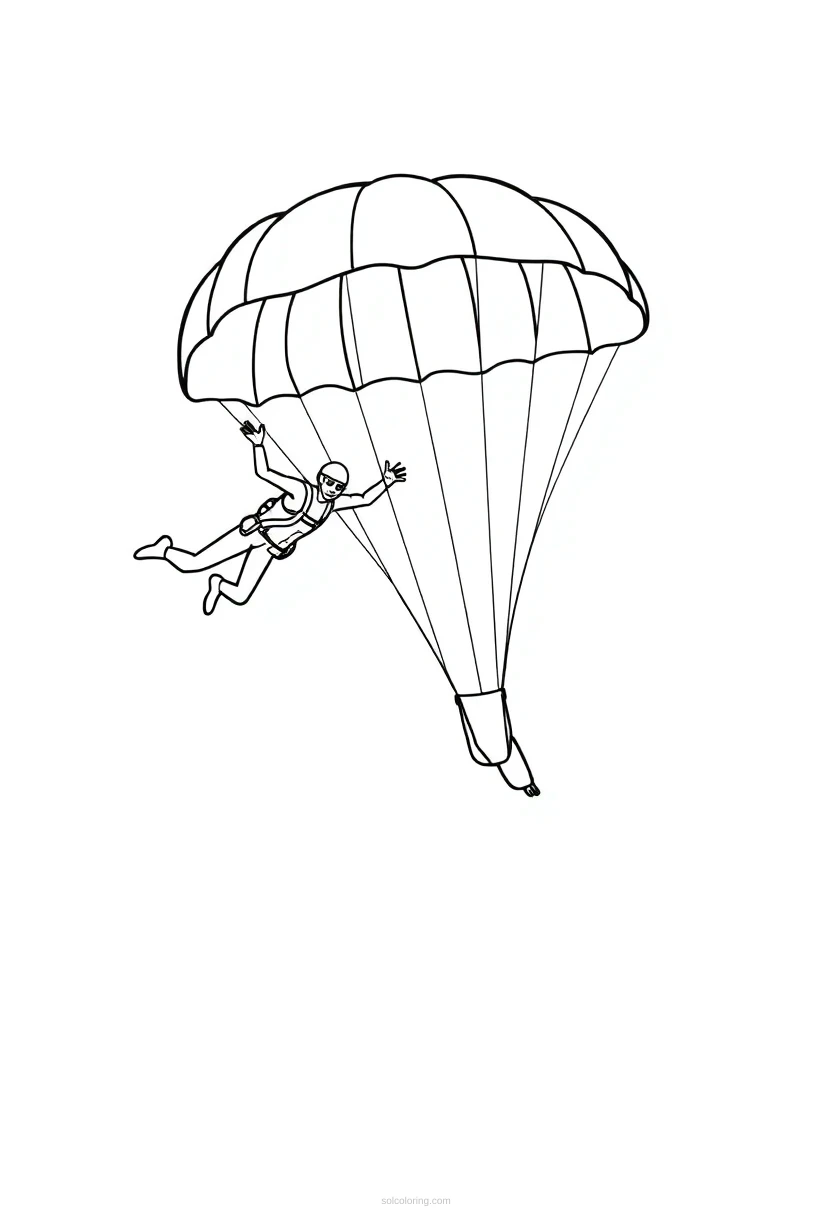
Experience the ultimate thrill of soaring through the sky with our exciting skydiving and parachuting coloring pages. This extreme sport combines breathtaking adventure, incredible physics, and pure adrenaline rush that captivates thrill-seekers worldwide. Whether you're interested in tandem jumps, freestyle skydiving, or precision parachute landings, our free printable coloring page collection brings these heart-pounding moments to life. Perfect for kids and adults who dream of diving from the clouds, these designs capture skydivers in action, dramatic aerial views, and detailed parachute patterns. Download and print our free printable coloring pages to explore the world of skydiving while relaxing with your favorite colors.
Read more →Read less ↑
Choose a style
Did you know?
Fun facts about Skydiving and Parachuting
Skydivers can fall faster than 200 mph in specialized jumpsuits with wingsuit extensions, allowing them to actually fly horizontally through the air rather than just descending.
The first tandem skydive with a student and instructor together occurred in 1974, making skydiving accessible to people who would never train solo.
Skydiving was featured in the 1964 Olympics as a demonstration sport, showcasing the precision landing accuracy of military parachutists.
Modern sport parachutes can be steered so accurately that skydivers can land on targets as small as a dinner plate during competitions.
The record for the most people in a freefall formation is 400 skydivers, set in 2006 over Thailand in a formation that took 12 minutes to assemble mid-air.
About Skydiving and Parachuting
How fast do skydivers fall and what determines their speed?
Skydivers typically reach terminal velocity around 120 miles per hour during freefall. Speed depends on body position, weight, and air density. Spreading arms and legs slows descent, while streamlined positions increase speed. Experienced skydivers adjust their position constantly to control their fall rate and direction during complex aerial maneuvers.
At what altitude do skydivers jump and why is altitude important?
Most recreational skydives begin at 10,000 to 15,000 feet altitude. Higher altitudes provide longer freefall time, allowing skydivers more opportunity for tricks and formations. Very high altitude jumps require oxygen tanks due to thin air. Felix Baumgartner set a record jumping from 128,000 feet in 2012, breaking the sound barrier during his fall.
How do parachutes work and why do they slow skydivers down?
Parachutes create drag by displacing large amounts of air. When deployed, the parachute's massive surface area catches the air, creating an upward force that opposes gravity. This drag dramatically slows the skydiver's descent from 120 mph to about 15 mph, making landing safe. Modern parachutes are rectangular and highly controllable.
What safety equipment do skydivers wear and why is it essential?
Skydivers wear a main parachute, reserve parachute, helmet, altimeter, and jumpsuit. The reserve parachute deploys automatically if the main parachute fails, saving countless lives yearly. Modern technology includes automatic activation devices that deploy parachutes if a jumper becomes unconscious or descends too fast.
What is formation skydiving and how do skydivers hold together in the air?
Formation skydiving involves multiple jumpers linking together in coordinated patterns while falling. Skydivers grab grips on each other's suits, holding hands or connecting arms and legs to form shapes. Teams practice extensively to execute complex formations perfectly, with judges scoring based on difficulty, execution, and speed of formation changes.
How does the history of skydiving begin and what were early parachutes like?
The first successful parachute jump occurred in 1797 when André-Jacques Garnerin jumped from a hot air balloon. Early parachutes were canvas and rigid, making them uncomfortable and unpredictable. Modern parachutes developed after World War II when military technology advanced. Today's parachutes are engineered with precision, featuring advanced materials and sophisticated designs.
More Extreme coloring pages
Coloring page FAQs
Are these Skydiving and Parachuting coloring pages free?
Yes, absolutely! All our skydiving and parachuting coloring pages are completely free to download and print. No hidden fees, no subscriptions, and no sign-ups required. Simply visit Sol Coloring, select your favorite design, and print it instantly on standard A4 or Letter paper from your home printer.
What age are these Skydiving and Parachuting coloring pages for?
Our skydiving and parachuting coloring pages are designed for kids and adults aged 8 to 14, with varying difficulty levels. Younger children enjoy simpler designs with larger areas to color, while teens appreciate more detailed illustrations featuring realistic parachutes and aerial formations.
How do I print these Skydiving and Parachuting coloring pages?
Printing is simple and requires no special setup. Download the free printable coloring page, open it with any PDF viewer, and print directly to your home printer using standard A4 or Letter paper. No account creation or software installation needed.