
Cars
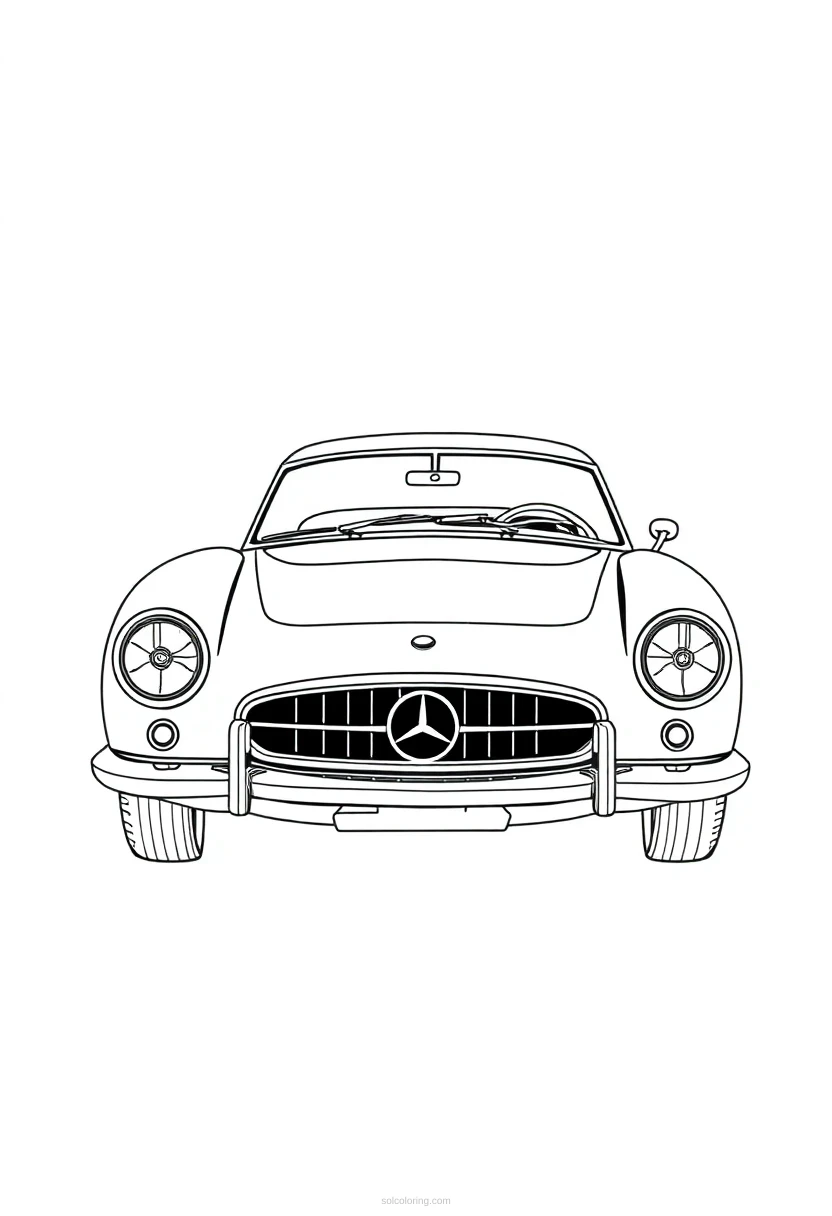
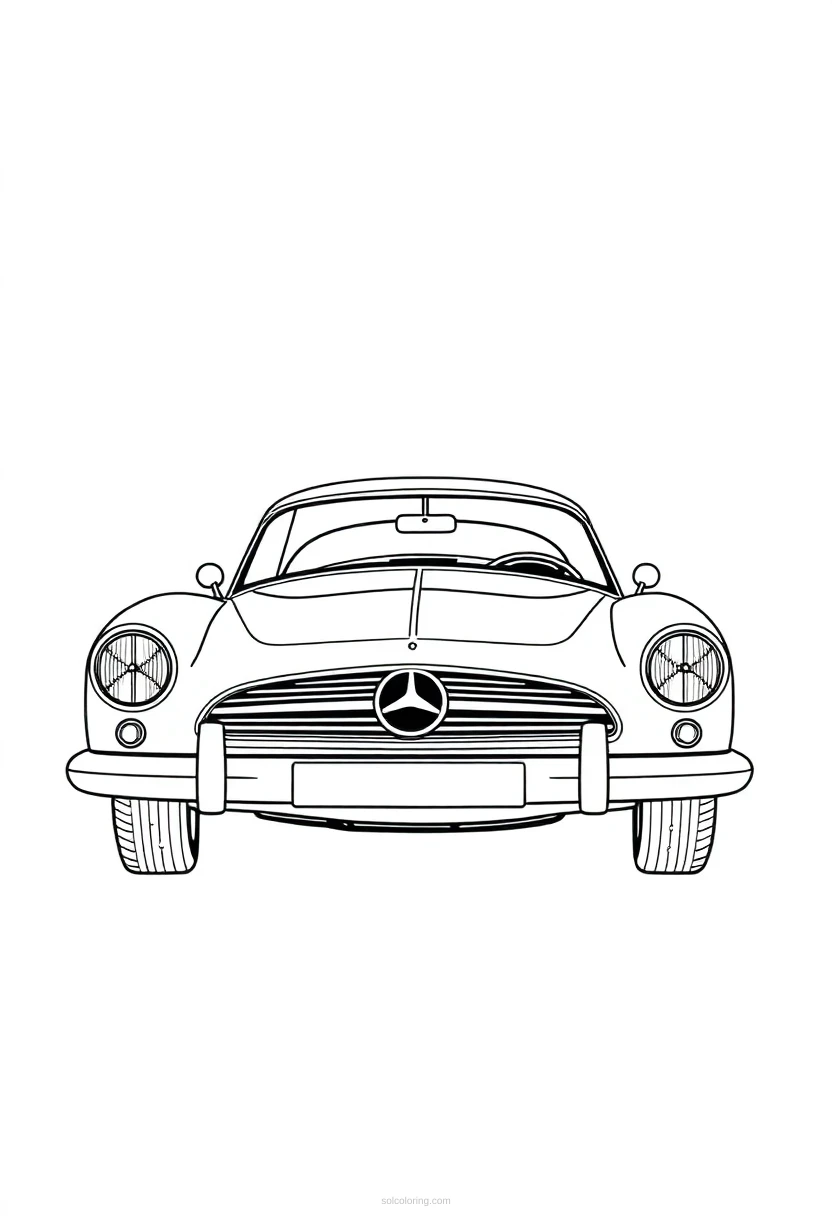
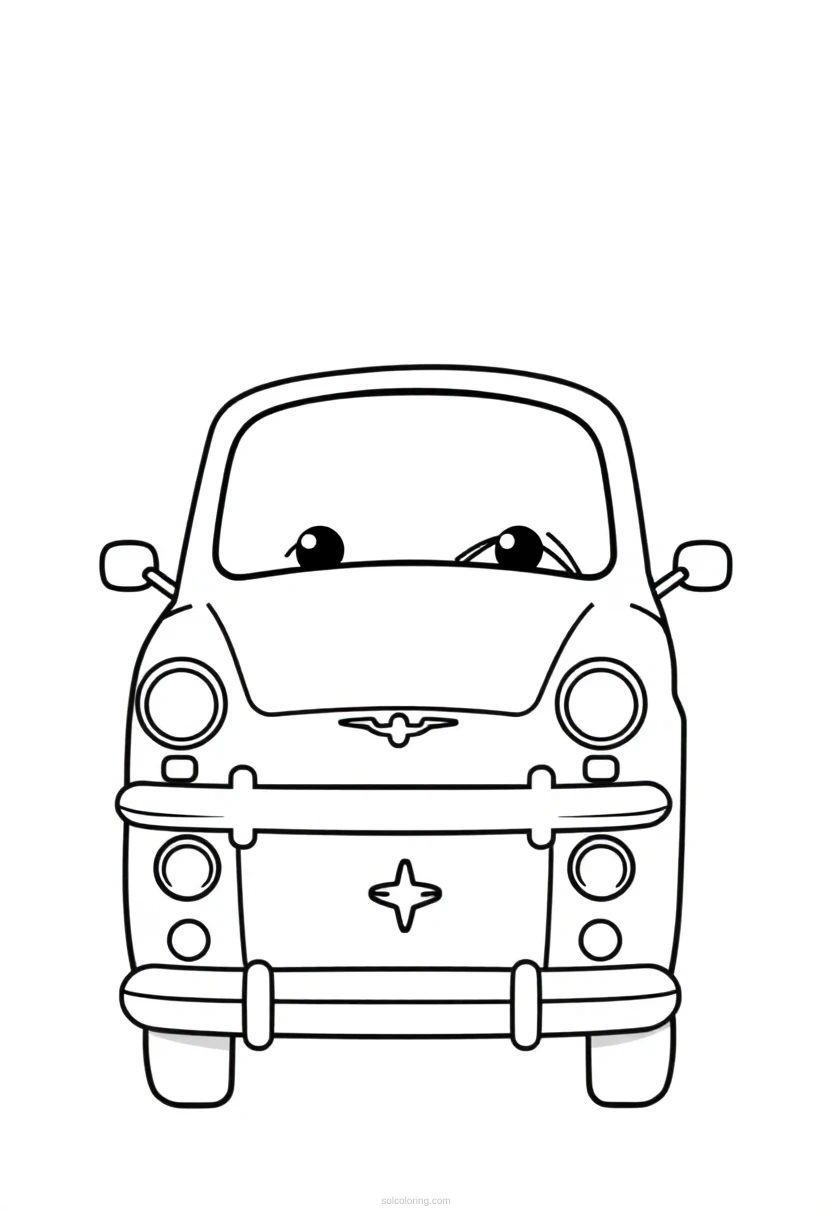
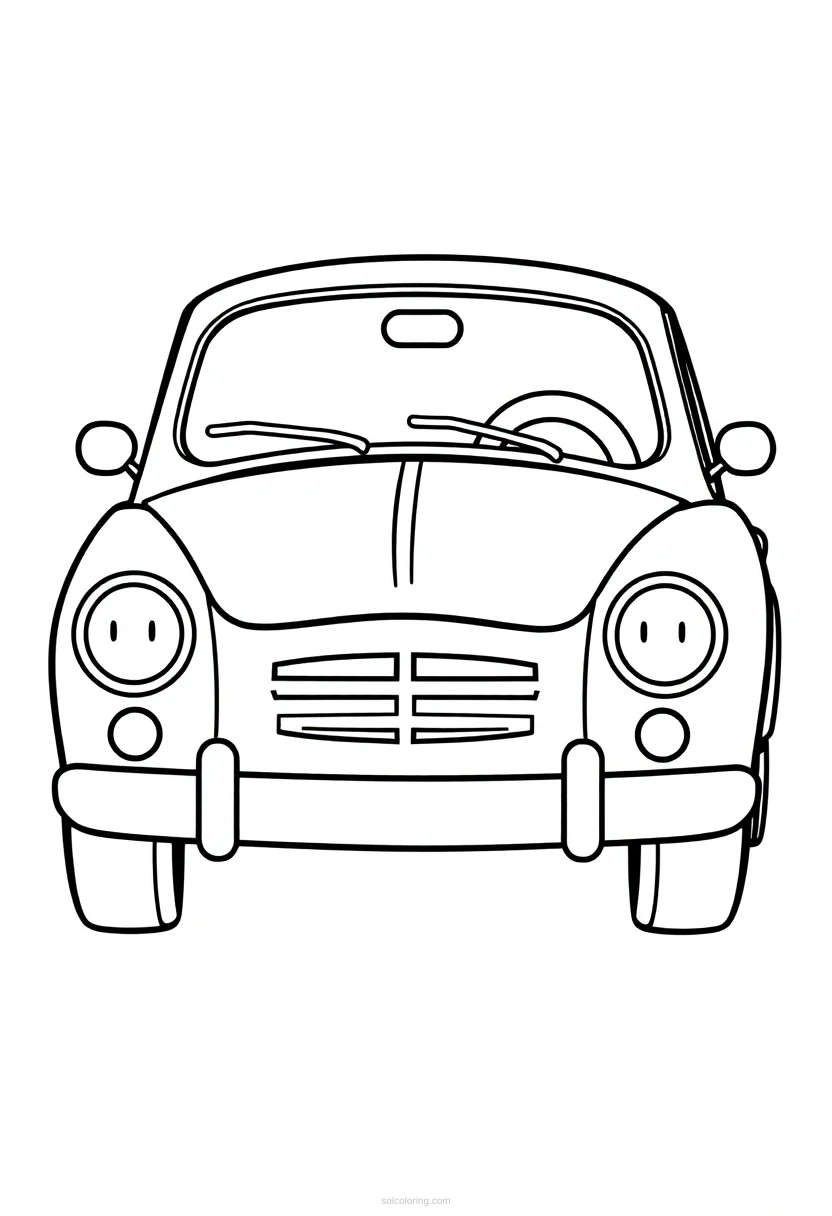
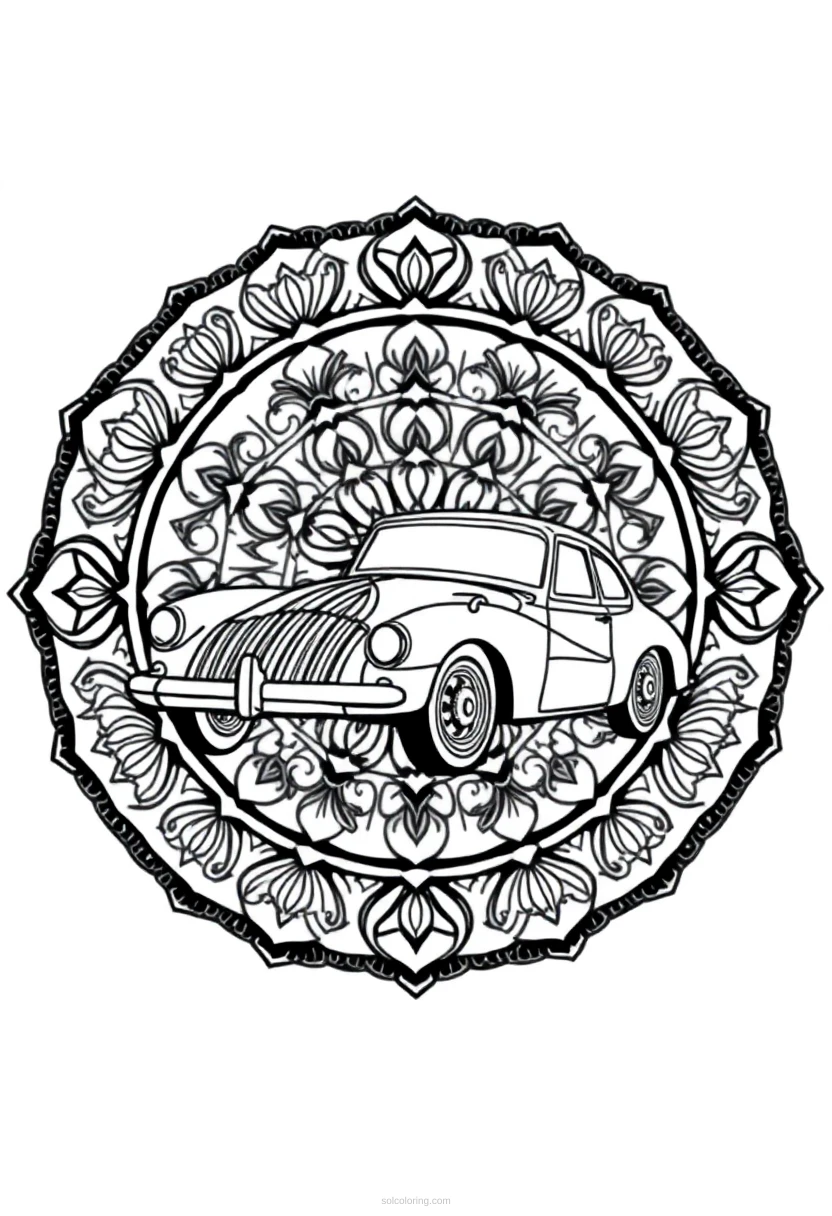
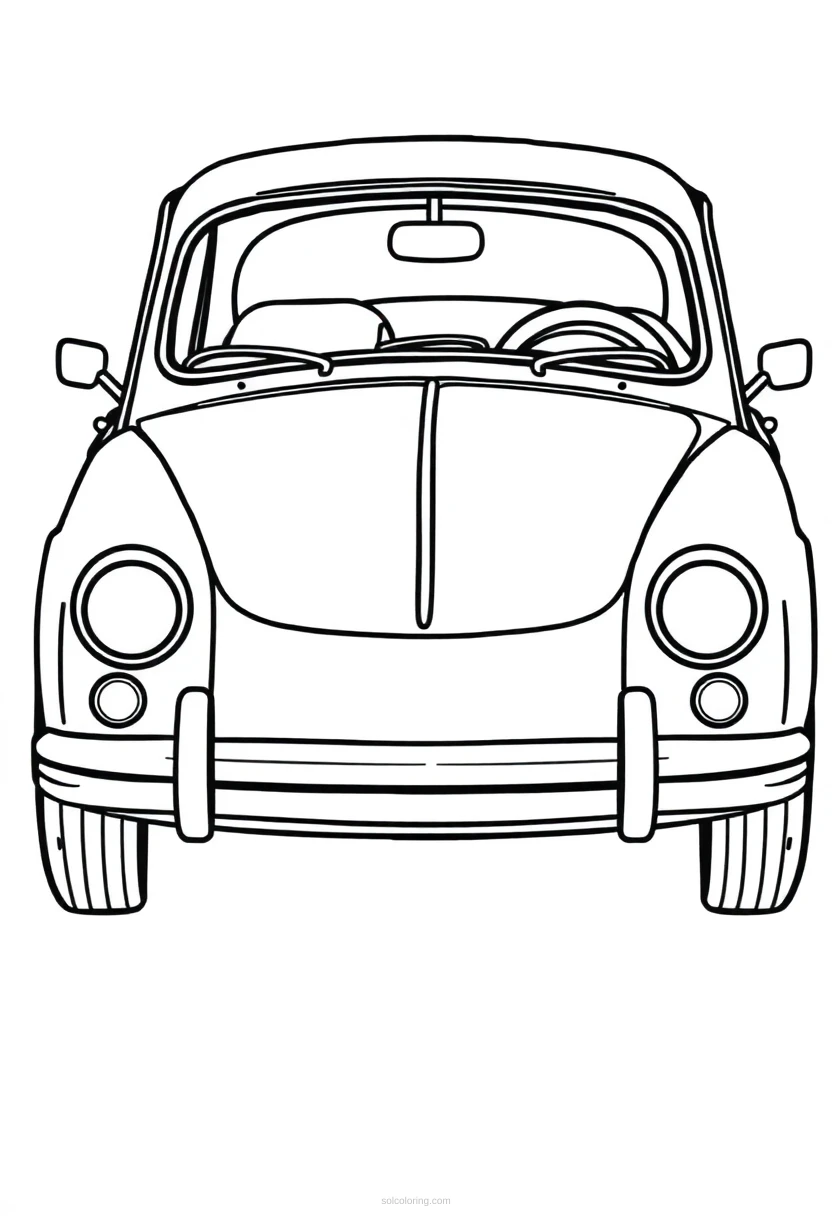
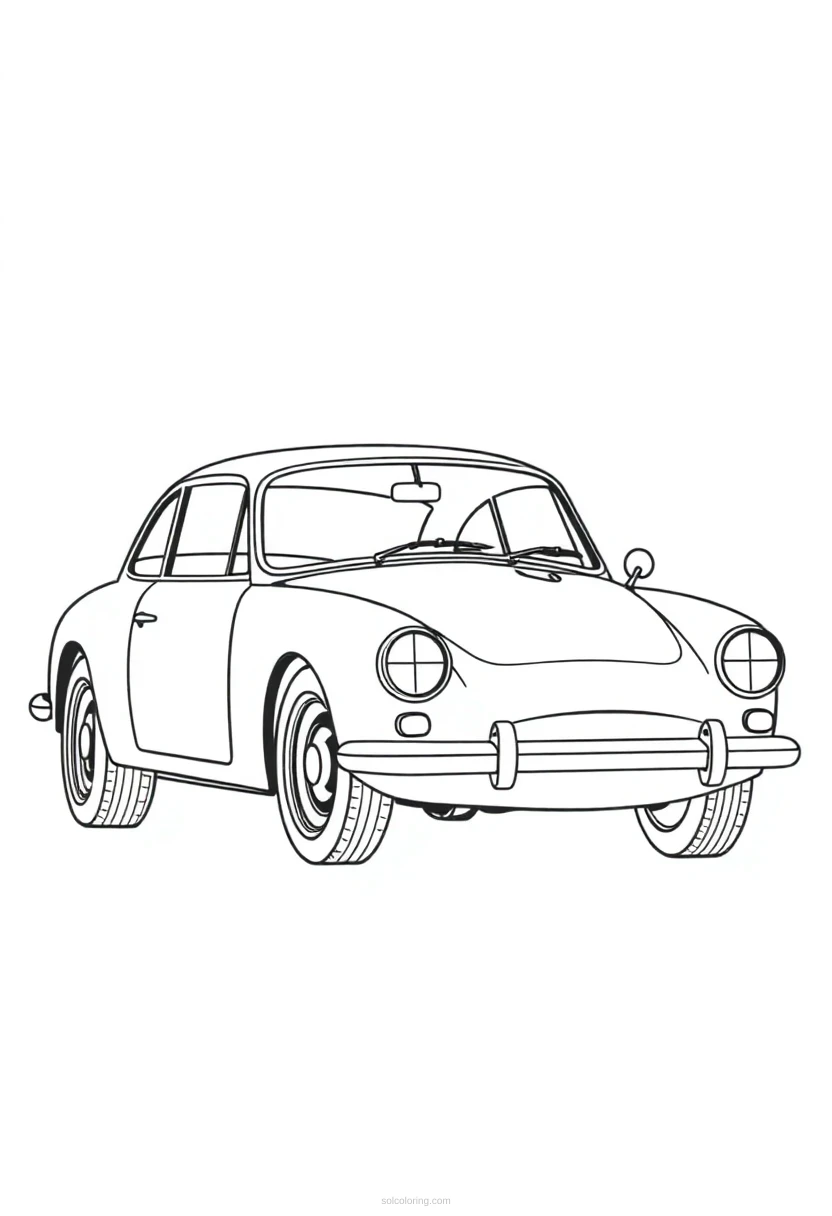
Classic Car Cute Cartoon Coloring Pages
6 free printable designs including Standard, Standard, Standard, Standard and more.
Step into the golden age of automobiles with our adorable Classic Car Cute Cartoon coloring pages! These charming illustrations celebrate the iconic vehicles that shaped transportation history, from sleek 1950s convertibles to sturdy vintage trucks. Classic cars represent more than just machines, they capture the style, innovation, and dreams of their era. Whether you love retro design or want to learn about automotive history, our free printable coloring pages bring these timeless beauties to life. Perfect for car enthusiasts and creative minds alike, these free printable coloring pages offer hours of fun while exploring the world of vintage automobiles.
Read more →Read less ↑
Choose a style
Did you know?
Fun facts about Classic Car Cute Cartoon
The Ford Model T, produced from 1908 to 1927, was so affordable that it put cars within reach of ordinary families, transforming transportation and American society forever.
The 1957 Chevrolet Bel Air is considered the most iconic American car ever made, featured in movies and TV shows, with restored models now worth hundreds of thousands of dollars.
Classic Volkswagen Beetles were originally designed by Ferdinand Porsche in Nazi Germany, yet became beloved worldwide and remained in production until 2003, with over 21 million sold.
The Jaguar E-Type, introduced in 1961, was so beautiful that the Museum of Modern Art in New York added it to their permanent design collection as a work of art.
Many classic cars from the 1950s-1960s had names inspired by wild animals and exotic themes like the Dodge Charger, Plymouth Road Runner, and Ford Mustang, reflecting the adventurous spirit of the era.
About Classic Car Cute Cartoon
What makes classic cars so special compared to modern cars?
Classic cars, typically defined as vehicles at least 25 years old, represent simpler mechanical designs that owners can often repair themselves. They feature iconic styling that influenced modern vehicles, and many were built with hand-stitched leather and solid metal construction that lasted decades. Their timeless appeal makes them valuable collectibles today.
How did car design change throughout the 20th century?
Early cars (1900s-1920s) were boxy and utilitarian, while the 1930s introduced streamlined art deco influences. The 1950s brought flashy chrome and bold colors, the 1960s featured muscle car designs with powerful engines, and the 1970s emphasized fuel efficiency. Each decade reflected cultural values and technological advances of its time.
What materials were used to build classic cars?
Classic cars were primarily built from steel frames with aluminum or cast iron engine blocks. Interiors featured leather, wood trim, and cloth upholstery, creating durable and comfortable spaces. Chrome plating adorned bumpers and trim pieces, while glass windows were hand-cranked. These quality materials contributed to their longevity and classic appeal.
Why do people collect and restore classic cars?
Enthusiasts collect classic cars for investment value, nostalgic connection to their youth, appreciation of vintage craftsmanship, and the joy of driving unique vehicles. Restoration becomes a rewarding hobby combining mechanical skills with creative problem-solving. Restored classics can appreciate significantly in value and bring joy to owner and admiring crowds alike.
What were some of the most iconic classic car models?
Famous classics include the Ford Model T (over 15 million produced), Volkswagen Beetle (nearly 22 million built), Chevrolet Corvette (sports car legend), and the Mini Cooper (cultural icon). The Jaguar E-Type, Porsche 911, and Cadillac Eldorado represent luxury and performance. Each model shaped automotive history and remains beloved today.
How did engines and technology evolve in classic cars?
Early cars used simple inline engines with 4 cylinders producing modest power. By the 1950s, V8 engines became popular, offering more power and smooth performance. Innovations included electric starters, hydraulic brakes, automatic transmissions, and power steering. These advancements made cars safer, faster, and easier to drive than early models.
More Cars coloring pages
Coloring page FAQs
Are these Classic Car Cute Cartoon coloring pages free?
Yes, absolutely! All of our Classic Car Cute Cartoon coloring pages are completely free to download and print. No hidden fees, no signup required, no ads blocking your way. Simply visit Sol Coloring, choose your favorite design, and start coloring right away.
What age are these Classic Car Cute Cartoon coloring pages for?
Our Classic Car Cute Cartoon coloring pages are designed for ages 8 and up. The cute cartoon style keeps them fun and approachable, while the detailed designs offer plenty for older kids and adults to enjoy. We offer varied complexity levels to suit different skill levels.
How do I print these Classic Car Cute Cartoon coloring pages?
Printing is simple! Download the page you like, open it with any PDF reader, and print on standard A4 or Letter size paper using your home printer. No special equipment needed. Use colored pencils, markers, crayons, or watercolors to bring your classic car to life.