Transit
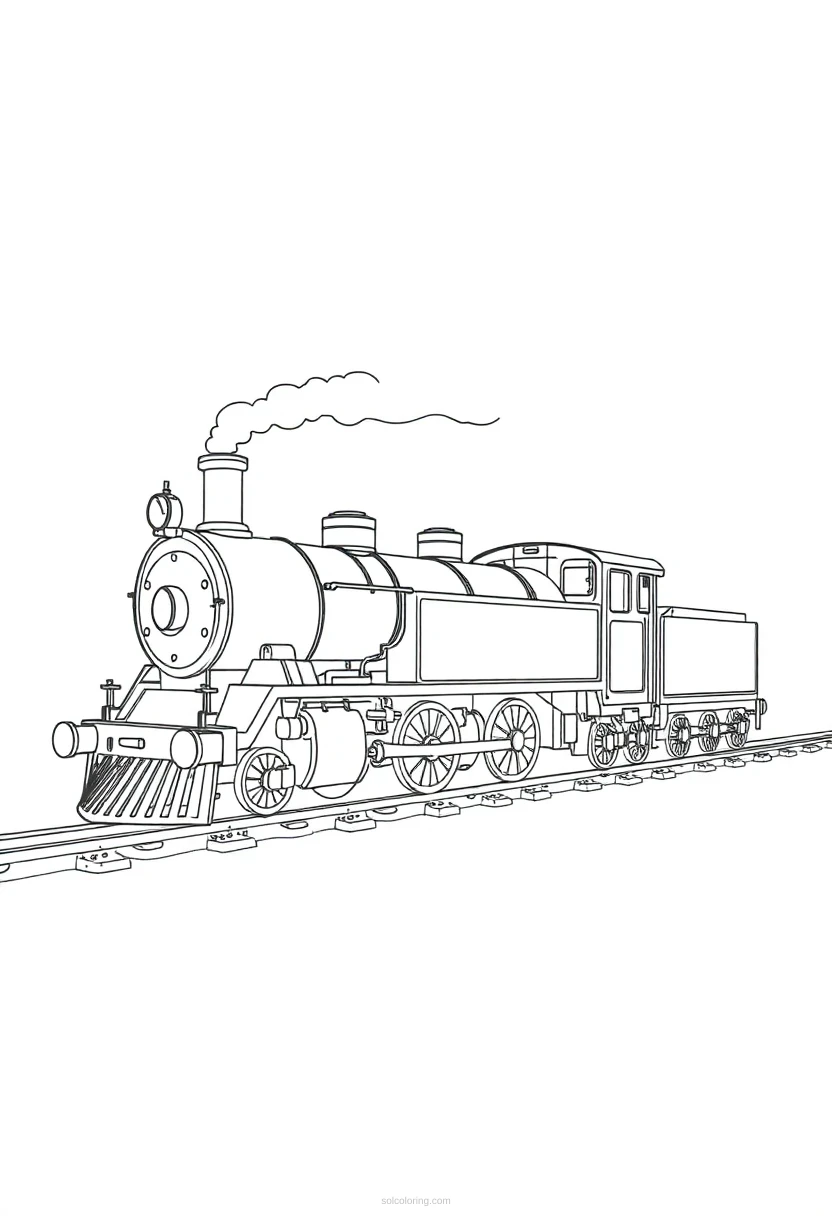
Steam Train Coloring Page
Standard style
About this coloring page
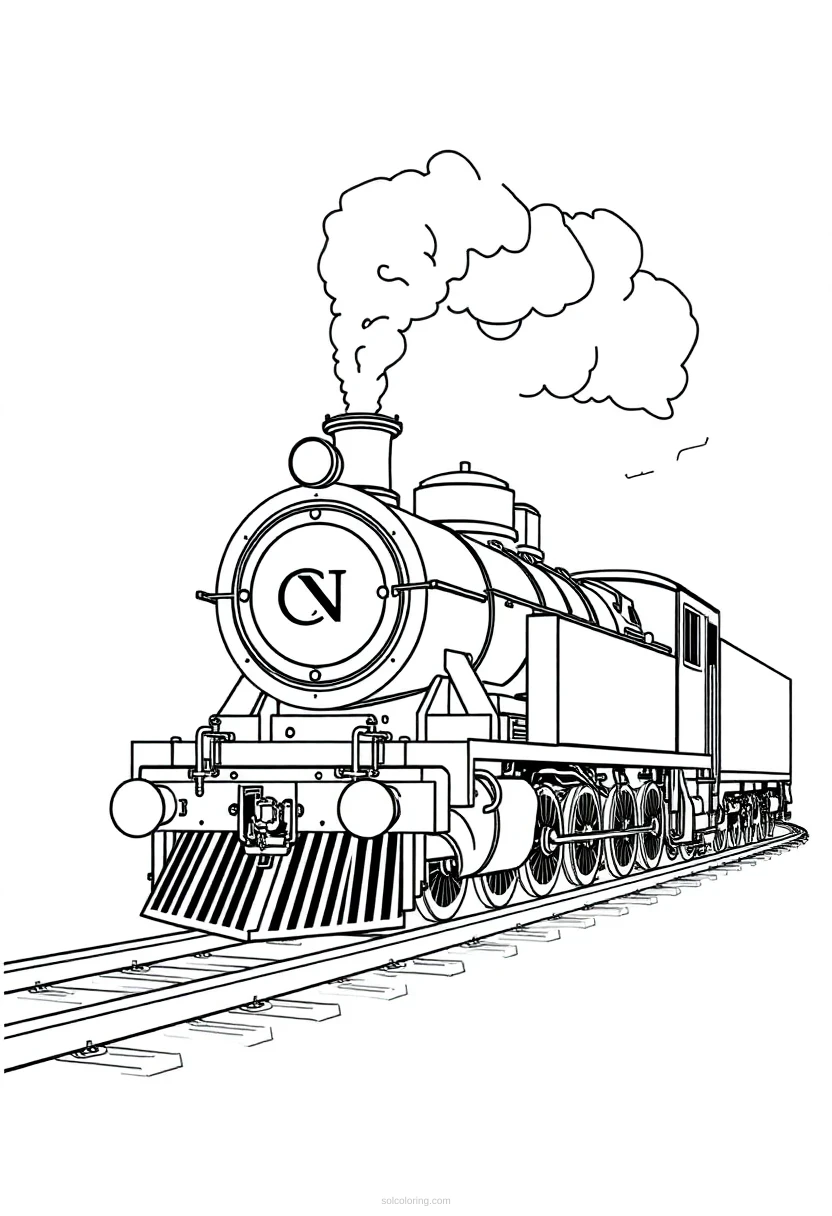
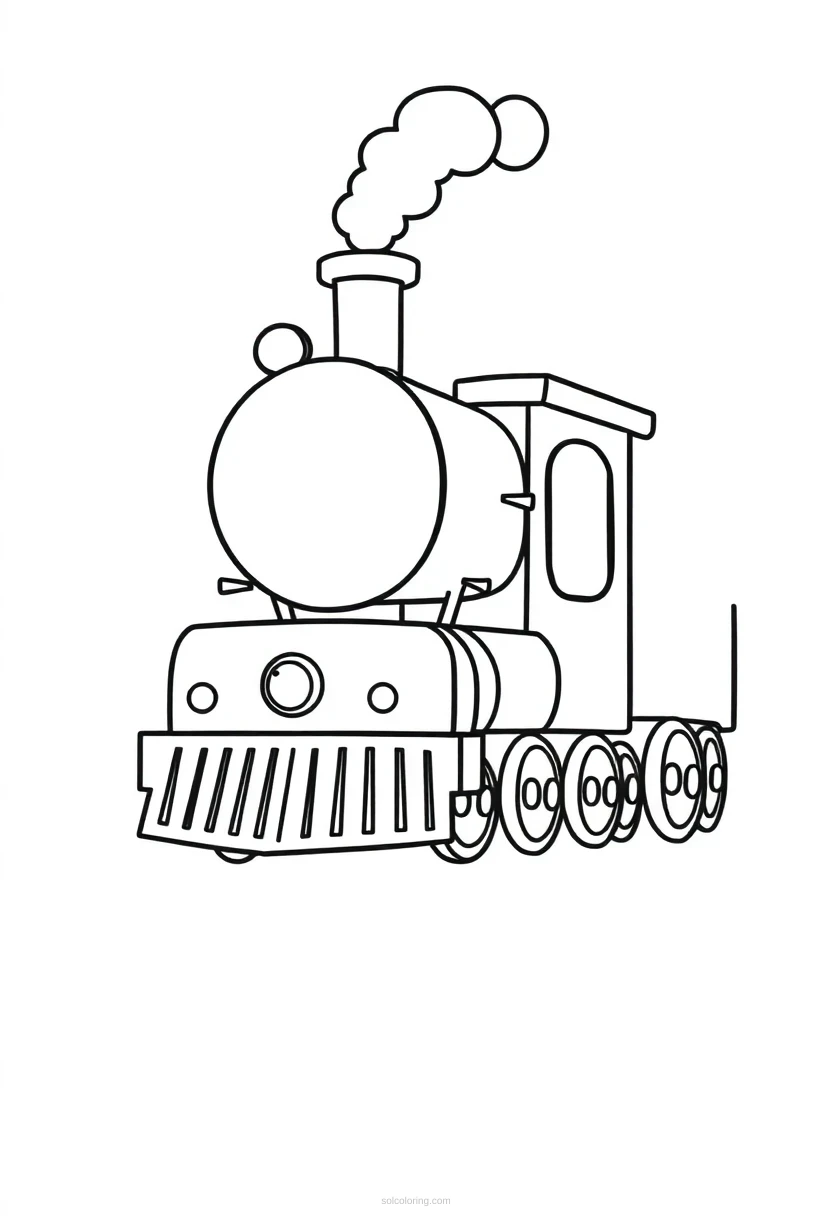
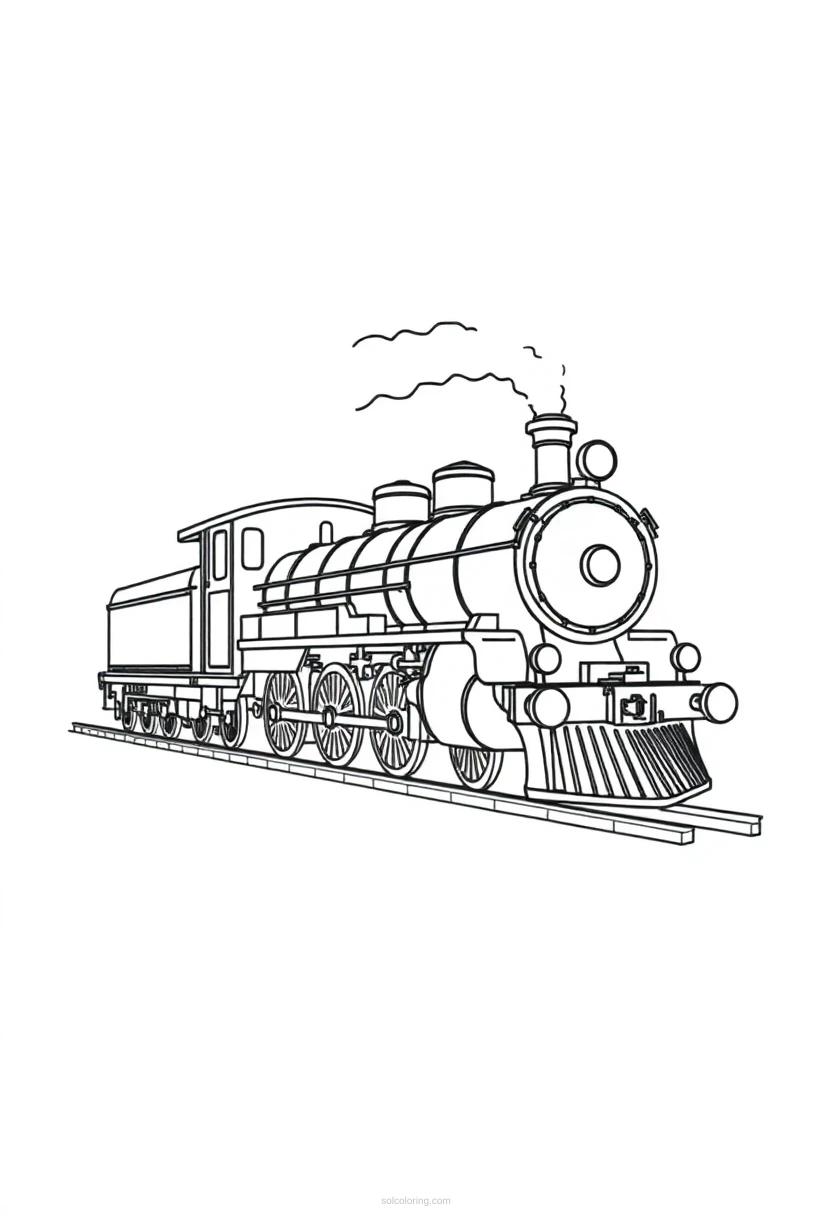
This detailed Steam Train coloring page features a classic locomotive with bold, clear outlines that make it perfect for colorists of all ages. The realistic design showcases the iconic steam engine with its smokestack, wheels, and passenger cars, offering an engaging coloring experience that's completely free to print at home.
Frequently asked
How did steam trains actually work and create power?
Steam trains burned coal in a firebox to heat water in a large boiler. The hot water turned into steam under high pressure. This steam pushed pistons back and forth, which connected to the wheels through rods, making them spin. The locomotive had to be refueled and refilled with water regularly at designated stations.
When was the first steam train invented and who created it?
The first successful steam locomotive was created by George Stephenson in 1825 in England. His locomotive, called the Locomotion, pulled the first public passenger railway between Stockton and Darlington. This invention changed transportation forever and sparked the Railway Age across Europe and America.
How fast could steam trains travel compared to other transportation at the time?
Steam trains could travel 30 to 50 miles per hour, which was incredibly fast for the 1800s. This was much faster than horses, wagons, or ships of that era. By the early 1900s, express trains reached speeds of 80 to 100 miles per hour, making them the fastest way to travel long distances.
Are these Steam Train coloring pages free?
Yes, all our Steam Train coloring pages are completely free to download and print. There are no hidden fees, subscriptions, or sign-ups required. Simply visit Sol Coloring, find the Steam Train design you like, download it as a PDF, and print it at home on standard paper.
What age are these Steam Train coloring pages for?
Our Steam Train coloring pages are designed for ages 8 to 14, with varying complexity levels. Younger children can enjoy simple designs with bold outlines, while older kids and teens can tackle detailed versions with intricate patterns and smaller sections for more advanced coloring skills.