Ancient China
Chinese Pagoda Coloring Pages
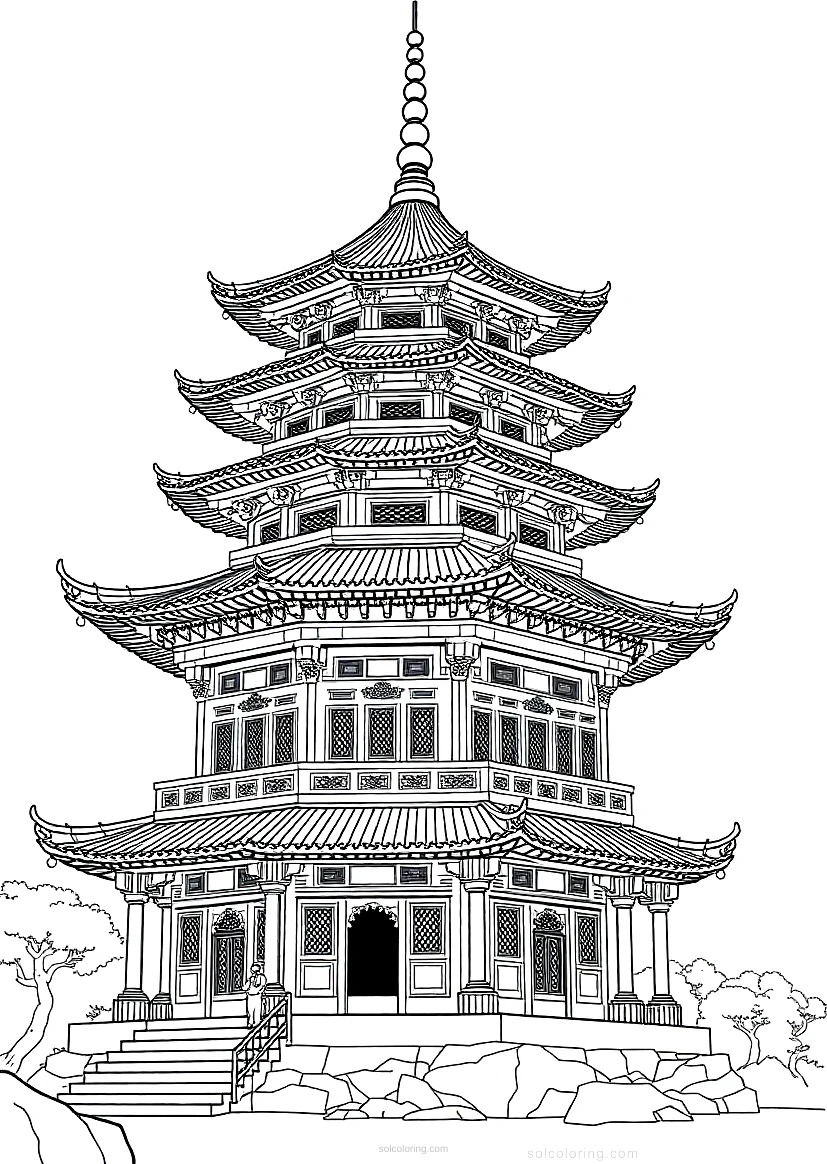
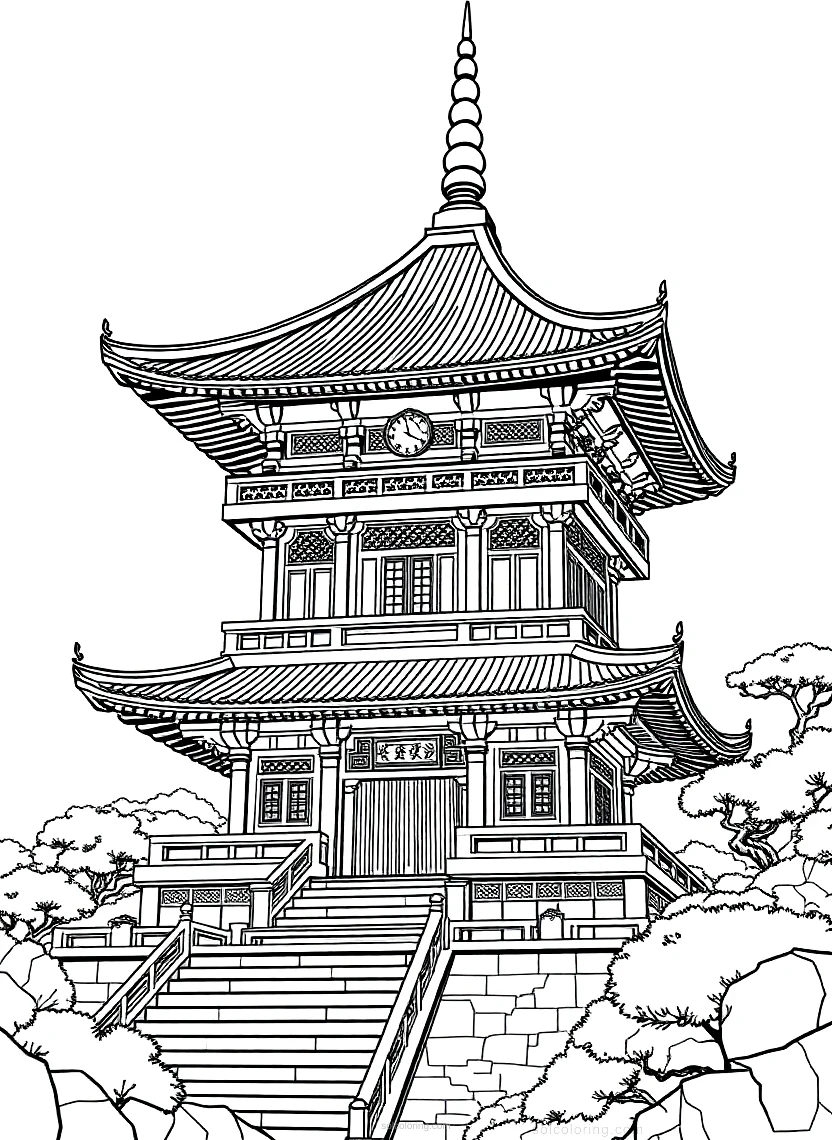
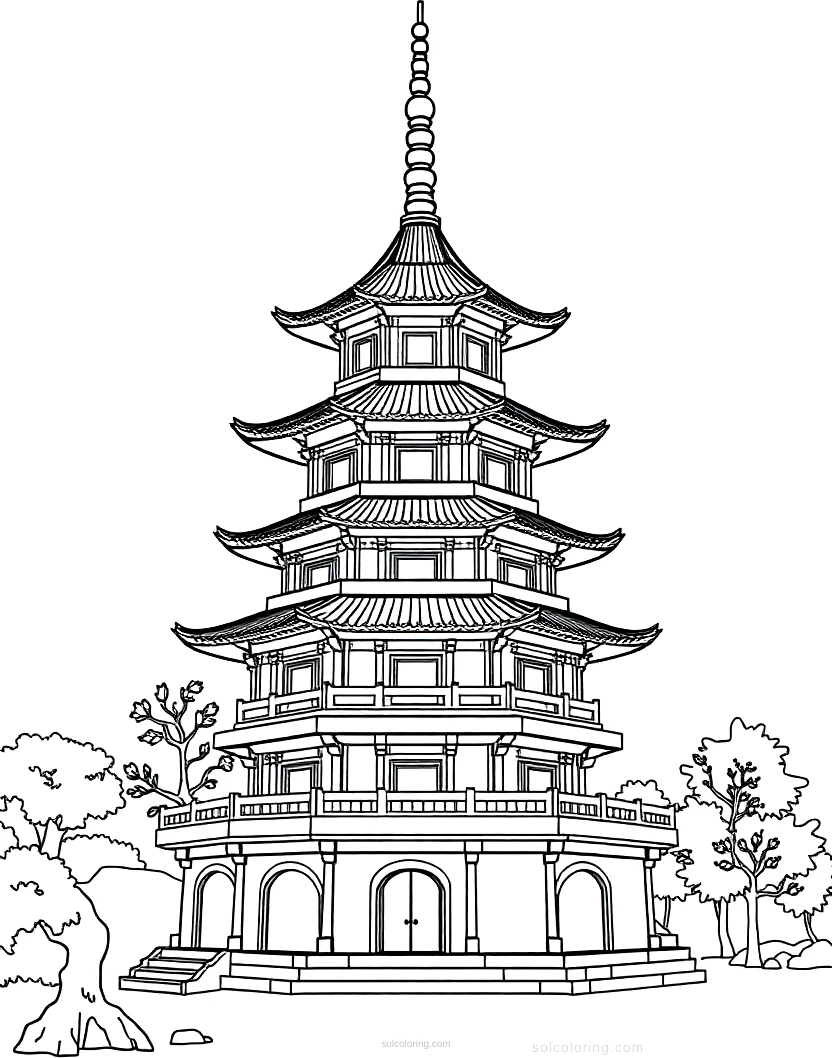
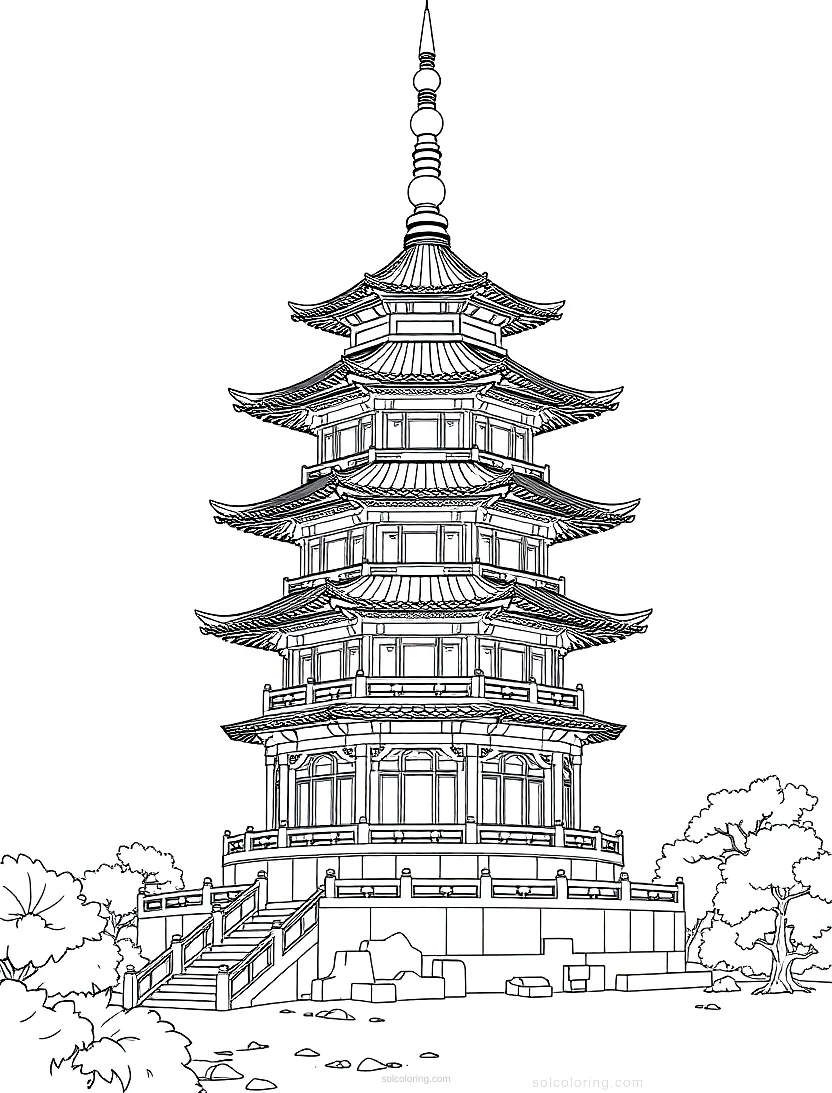
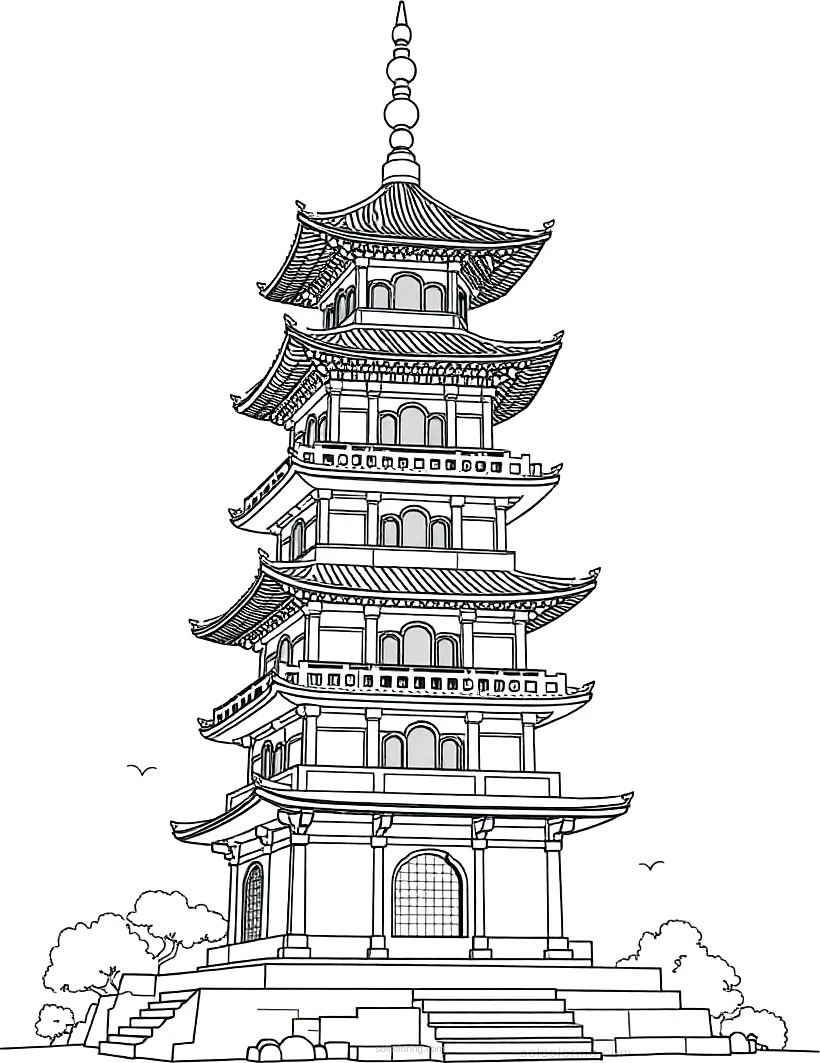
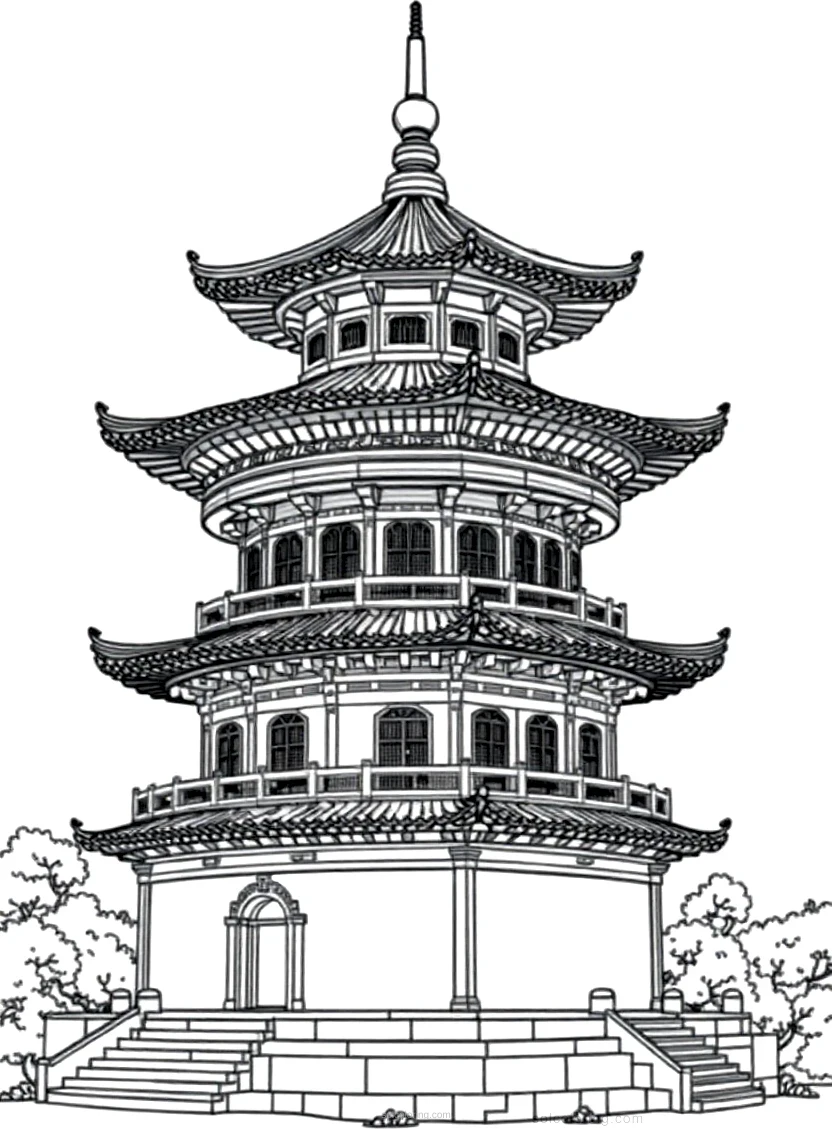
6 free printable designs including Standard, Standard, Standard, Standard and more.
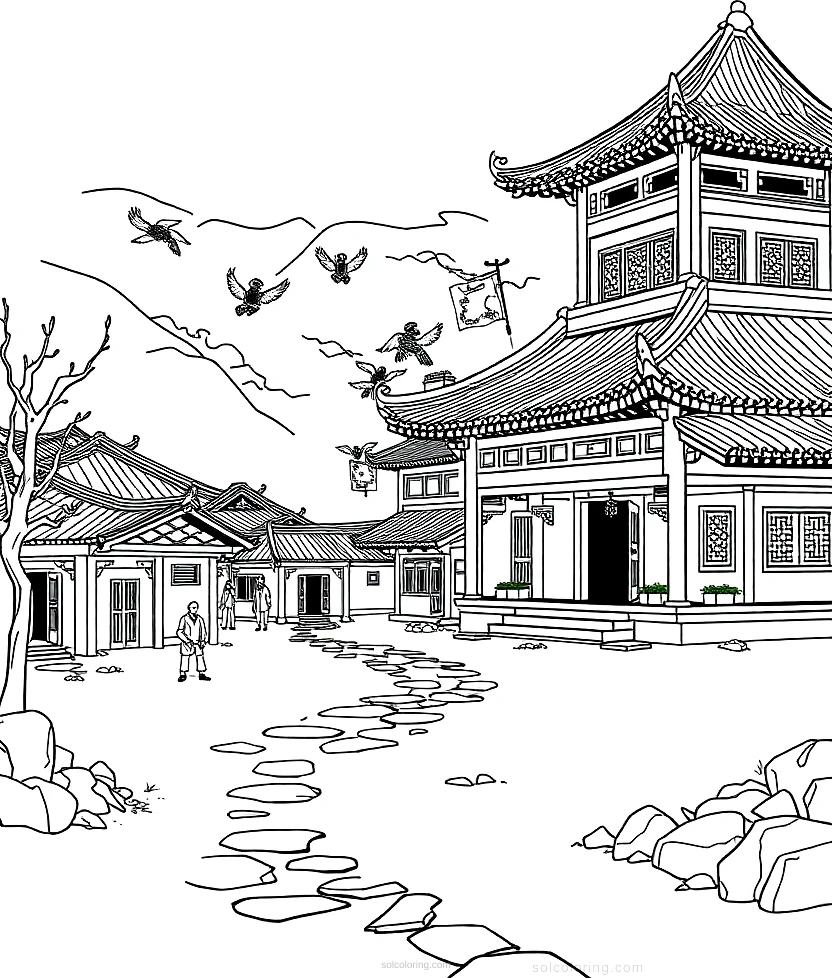
Chinese pagodas are magnificent multi-story towers that have graced China's landscape for over 1,500 years. These architectural marvels were originally built as Buddhist temples and symbols of spiritual enlightenment, with each level representing a step closer to heaven. Traditional pagodas feature upward-curving roofs, intricate wooden brackets, and beautiful decorative details that showcase ancient Chinese craftsmanship. From the famous Giant Wild Goose Pagoda in Xi'an to the elegant pagodas found in temple gardens, these structures blend religious significance with stunning artistry. Our free printable coloring page captures the graceful lines and ornate details of these historic towers, allowing young artists to explore the beauty of ancient Chinese architecture while learning about this fascinating civilization.
Read more →Read less ↑
Choose a style
Did you know?
Fun facts about Chinese Pagoda
The Giant Wild Goose Pagoda in Xi'an was built in 652 CE and still stands today, surviving over 1,300 years of earthquakes.
Traditional Chinese pagodas were built without using a single nail, relying instead on intricate wooden joint systems.
The number of stories in a pagoda is always odd, typically ranging from 3 to 13 levels, as odd numbers are considered lucky in Chinese culture.
Some pagodas were built to lean intentionally, like the Iron Pagoda in Kaifeng, which tilts but has remained stable for nearly 1,000 years.
The Porcelain Pagoda of Nanjing was once considered one of the Seven Wonders of the Medieval World before its destruction in 1856.
About Chinese Pagoda
What is a Chinese pagoda and why were they built?
Chinese pagodas are multi-story towers originally built as Buddhist temples and monuments. They served as places of worship, meditation, and storage for religious relics, while symbolically representing the path to spiritual enlightenment through their ascending levels toward heaven.
How old are Chinese pagodas and when were they first built?
The first Chinese pagodas were built around 500 CE during the Northern and Southern Dynasties period. The oldest surviving pagoda is the Songyue Pagoda in Henan Province, which has stood for over 1,400 years since 523 CE.
Why do Chinese pagodas have curved roofs and multiple levels?
The curved roofs represent the Chinese belief in harmony between earth and sky, while also providing practical rain protection. Multiple levels symbolize the Buddhist concept of ascending to enlightenment, with each floor bringing visitors closer to spiritual understanding.
How tall can Chinese pagodas be?
Chinese pagodas vary greatly in height, from small garden pagodas of 20 feet to massive structures over 400 feet tall. The tallest modern pagoda is the Tianning Pagoda in Changzhou, standing at an impressive 505 feet with 13 stories.
What materials were used to build traditional Chinese pagodas?
Traditional pagodas were built using wood, brick, stone, or combinations of these materials. Wood was preferred for its flexibility during earthquakes, while brick and stone provided durability. Complex bracket systems held everything together without nails.
Do people still build pagodas in China today?
Yes, new pagodas are still constructed in China today, both for religious purposes and as cultural landmarks. Modern pagodas often use steel and concrete for safety while maintaining traditional architectural styles and decorative elements.
More Ancient China coloring pages
Coloring page FAQs
Are these Chinese Pagoda coloring pages free?
Yes, absolutely! All our Chinese Pagoda coloring pages are completely free to download and print. No payment or subscription required, just pure creative fun.
What age are these Chinese Pagoda coloring pages for?
Our Chinese Pagoda coloring pages are designed for ages 8 to 14, with varying detail levels. Younger kids can enjoy simpler designs while older ones tackle intricate architectural details.
How do I print these Chinese Pagoda coloring pages?
Simply click download, then print on standard A4 or Letter paper using any home printer. No signup needed, just instant access to start coloring right away!