Ancient Egypt
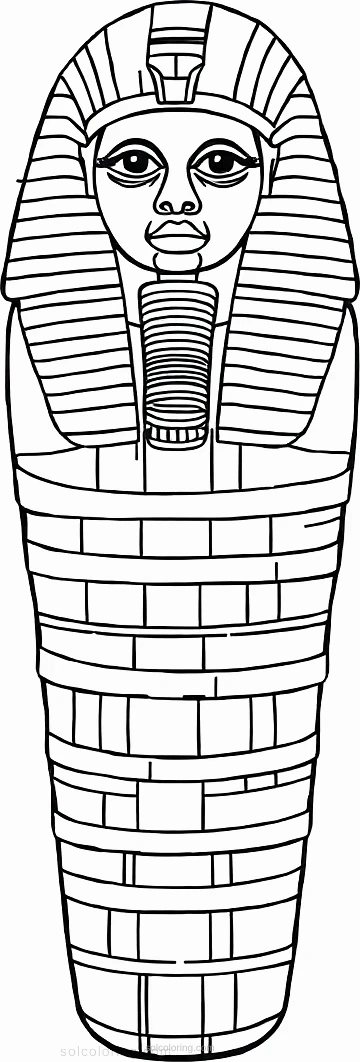
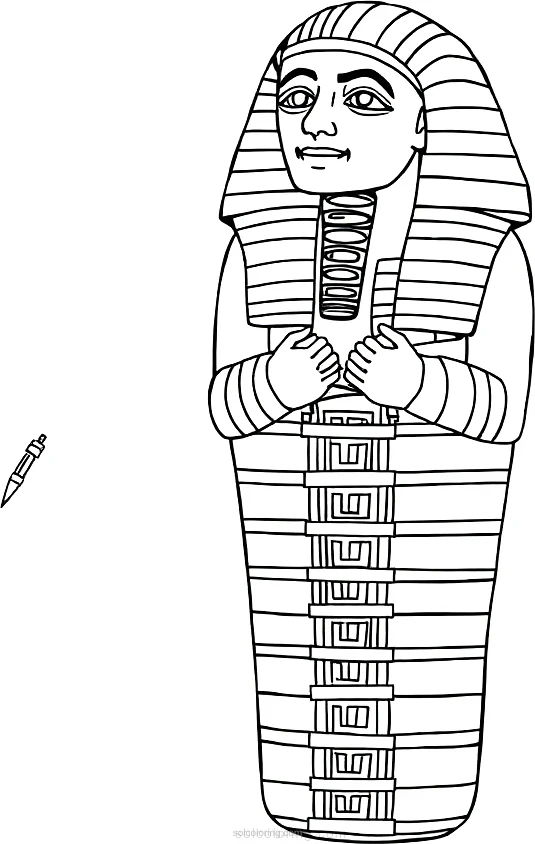
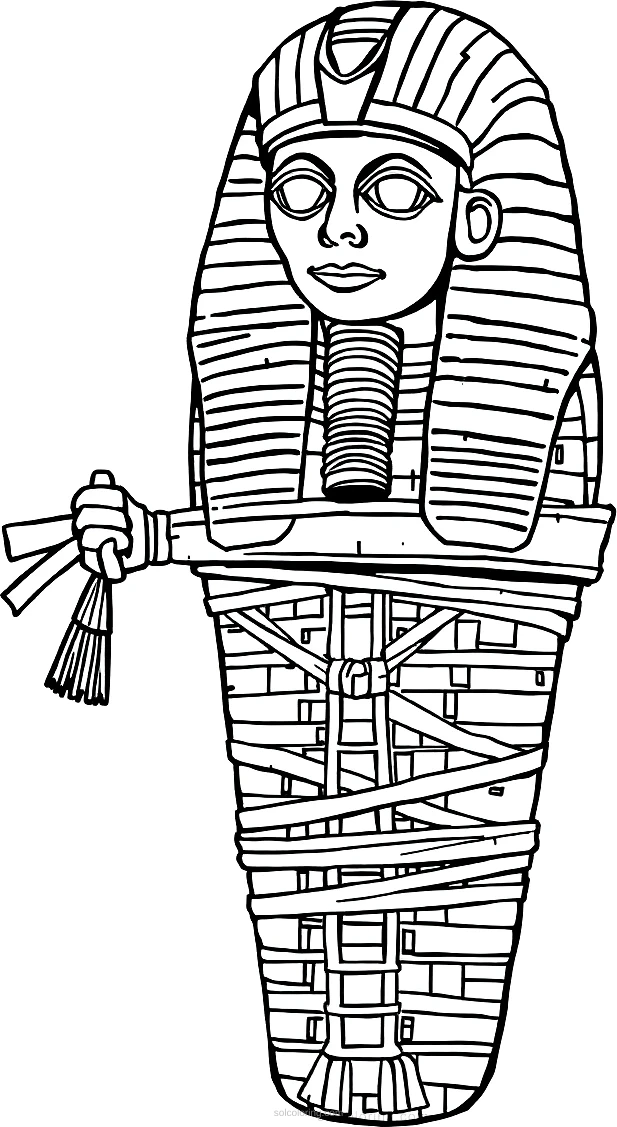
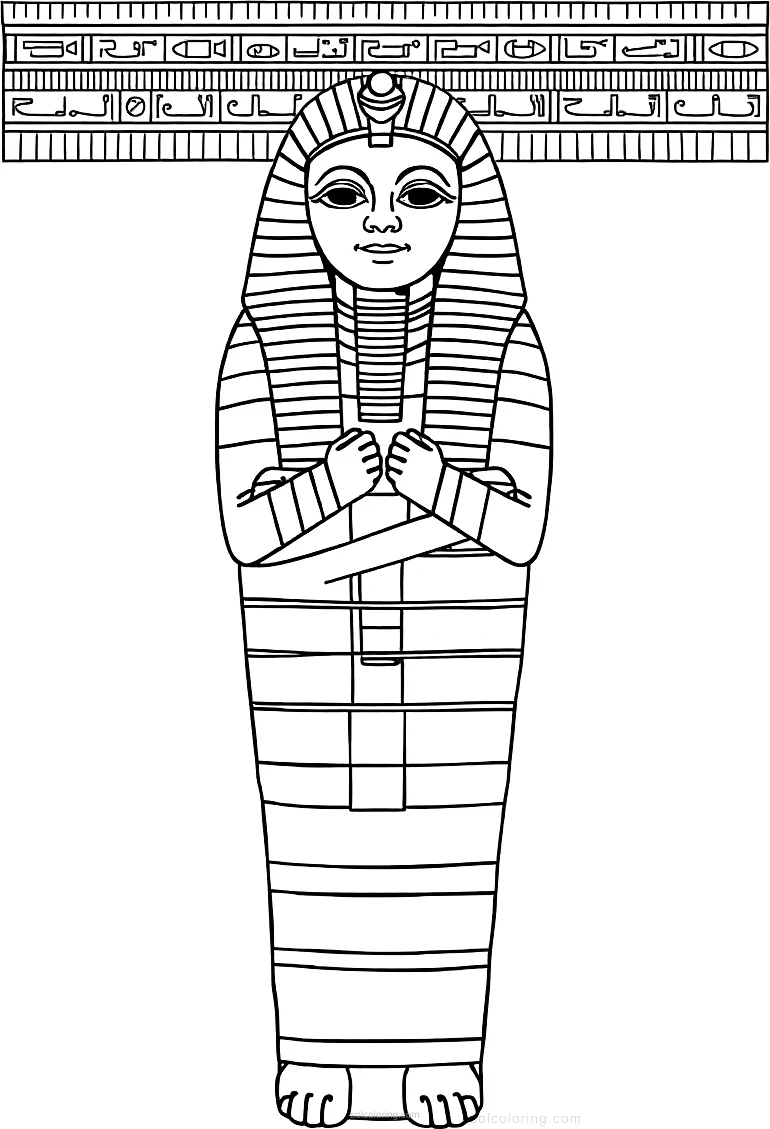
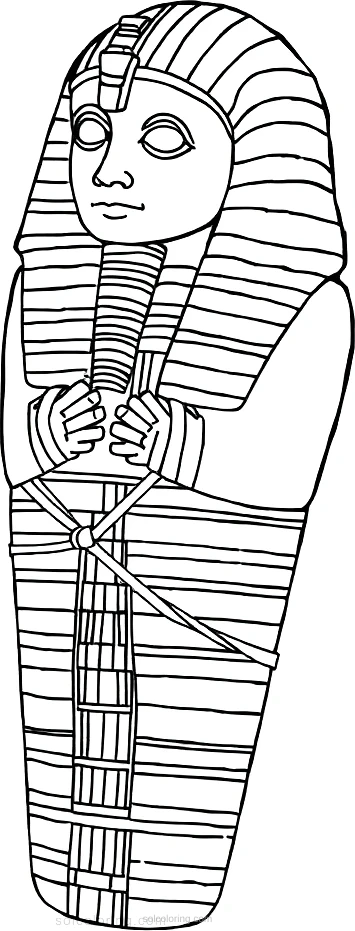
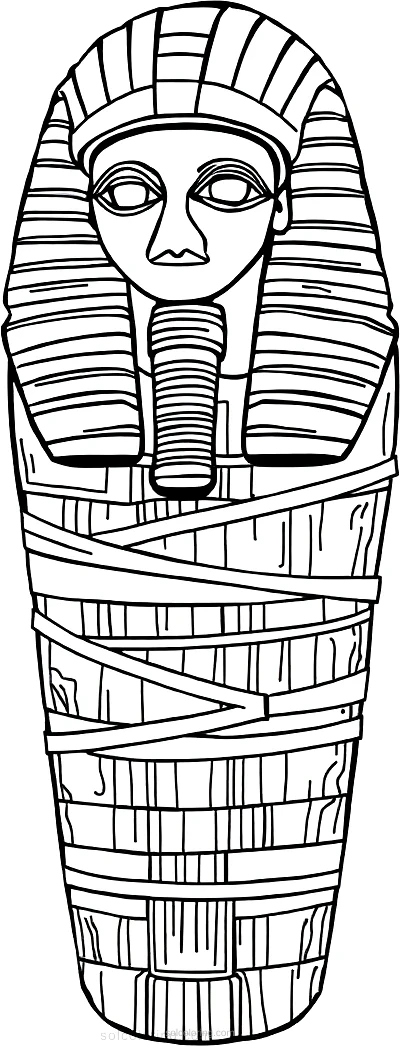
Egyptian Mummy Wrapping Coloring Pages
6 free printable designs including Standard, Standard, Standard, Standard and more.
Step into the fascinating world of ancient Egypt and discover the mysterious art of mummy wrapping! For over 3,000 years, ancient Egyptians carefully preserved their dead through an intricate process called mummification, wrapping bodies in layers of linen bandages to prepare them for the afterlife. This sacred ritual wasn't just for pharaohs: wealthy merchants, priests, and even beloved pets received this special treatment. The wrapping process could take up to 70 days and required incredible skill from specialized priests. Our free printable coloring page lets you explore the detailed patterns and careful techniques used in this ancient practice. Color the intricate bandage designs and learn about one of history's most enduring mysteries while developing your artistic skills with this engaging free printable coloring page.
Read more →Read less ↑
Choose a style
Did you know?
Fun facts about Egyptian Mummy Wrapping
Ancient Egyptian mummy wrapping used enough linen bandages to stretch for nearly half a mile when laid end to end.
Some mummies were wrapped so tightly that modern X-rays reveal the bandages compressed the body to just two-thirds of its original size.
The ancient Egyptians mummified over 70 million people during their 3,000-year civilization period.
Wealthy mummies wore golden finger caps and toe covers under their wrappings to protect these body parts in the afterlife.
The word 'mummy' comes from the Persian word 'mumiya,' meaning bitumen or tar, because early explorers thought the dark resin made bodies look tar-covered.
About Egyptian Mummy Wrapping
How long did the mummy wrapping process take?
The complete mummification process took about 70 days total, but the actual wrapping portion required several days of careful work. Priests wrapped bodies in hundreds of yards of linen strips, adding protective amulets between the layers.
What materials were used to wrap mummies?
Ancient Egyptians used fine linen bandages, tree resin, natron salt, and aromatic oils. The linen came from flax plants and was often torn from old clothing or bed sheets, making mummification a recycling process.
Why did Egyptians wrap mummies so carefully?
Egyptians believed proper wrapping was essential for the afterlife journey. The bandages protected the body, while specific wrapping patterns and included amulets provided magical protection for the deceased person's soul in the underworld.
Were only pharaohs turned into mummies?
No! While pharaohs received the most elaborate treatment, wealthy merchants, priests, scribes, and even beloved pets were mummified. Different social classes received varying levels of mummification quality based on what they could afford.
What happened to the organs during mummification?
Most organs were removed and stored in special jars called canopic jars. However, the heart was usually left inside the body because Egyptians believed it was needed for judgment in the afterlife.
How much linen was used to wrap a mummy?
A typical mummy required about 375 square yards of linen strips, enough to cover a football field! The wrapping started with individual fingers and toes, then progressed to larger body sections in overlapping layers.
More Ancient Egypt coloring pages
Coloring page FAQs
Are these Egyptian Mummy Wrapping coloring pages free?
Yes! All our Egyptian Mummy Wrapping coloring pages are completely free to download and print. No payment or subscription required, just instant access to educational coloring fun.
What age are these Egyptian Mummy Wrapping coloring pages for?
Our Egyptian Mummy Wrapping coloring pages are designed for ages 8 to 14, featuring detailed designs that challenge older kids while remaining accessible for younger colorists.
How do I print these Egyptian Mummy Wrapping coloring pages?
Simply download the PDF file and print on standard A4 or Letter paper using any home printer. No account signup needed, just click, download, and print!