
Historical
Samurai Chibi Coloring Pages
6 free printable designs including Standard, Standard, Standard, Standard and more.
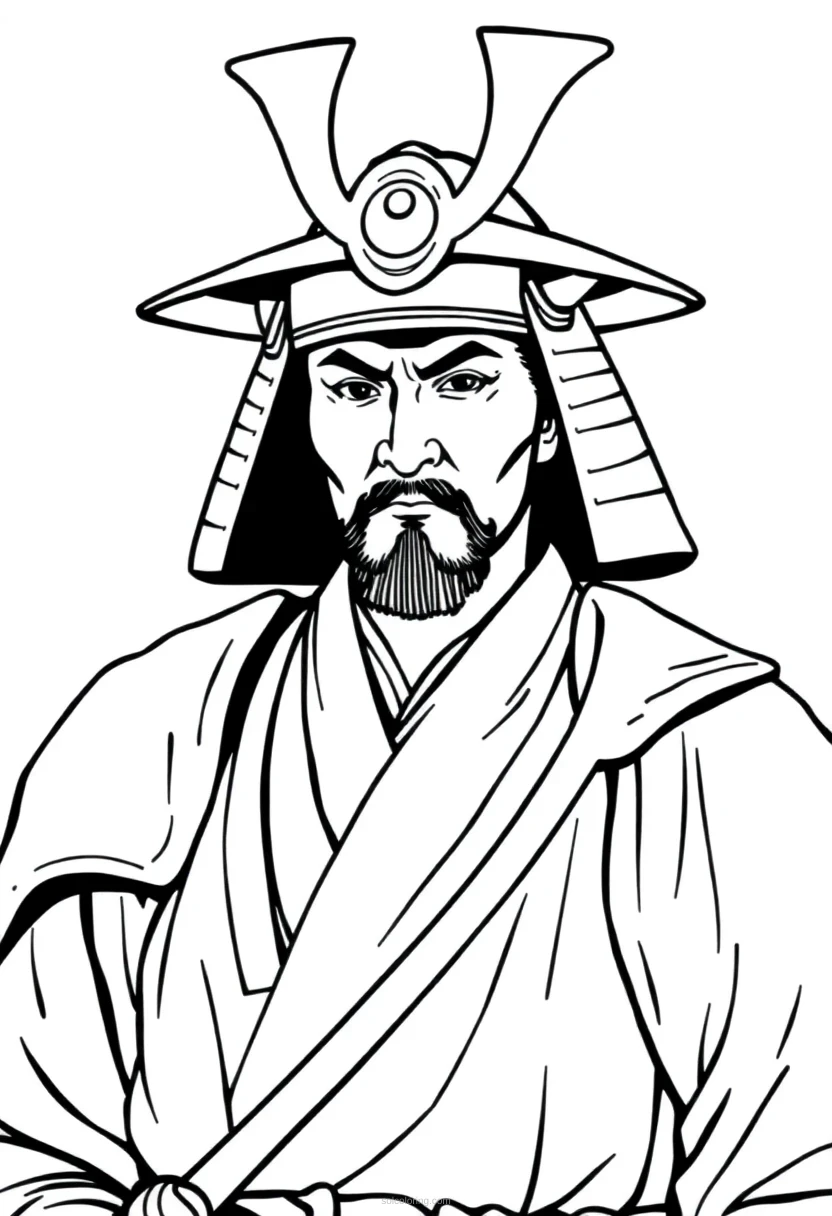
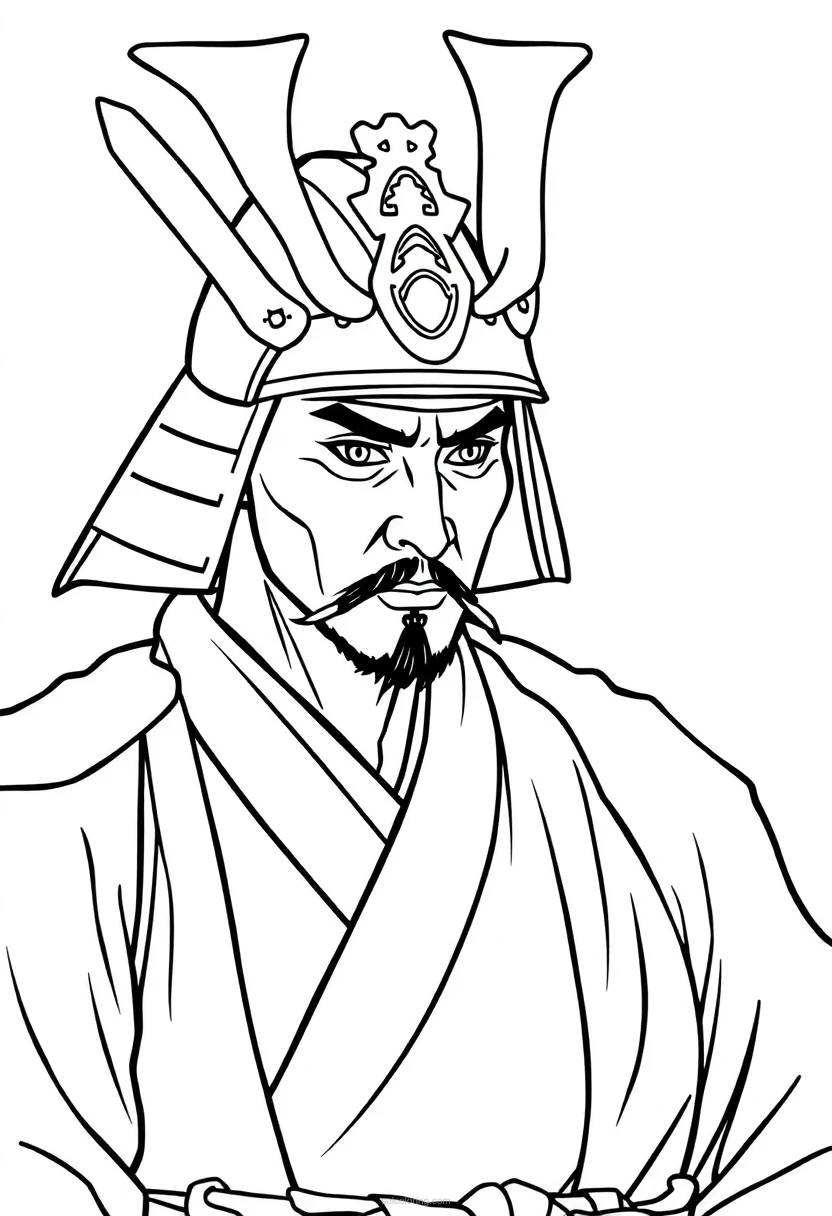
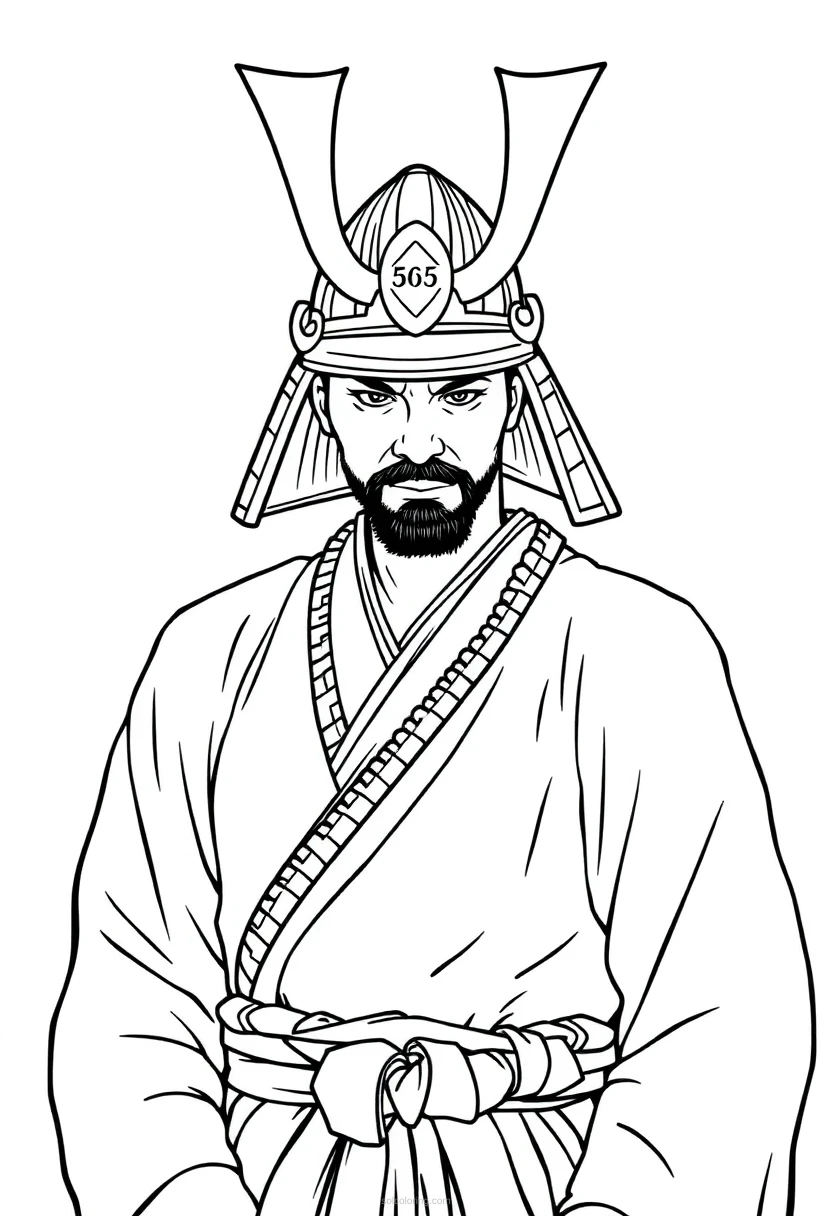
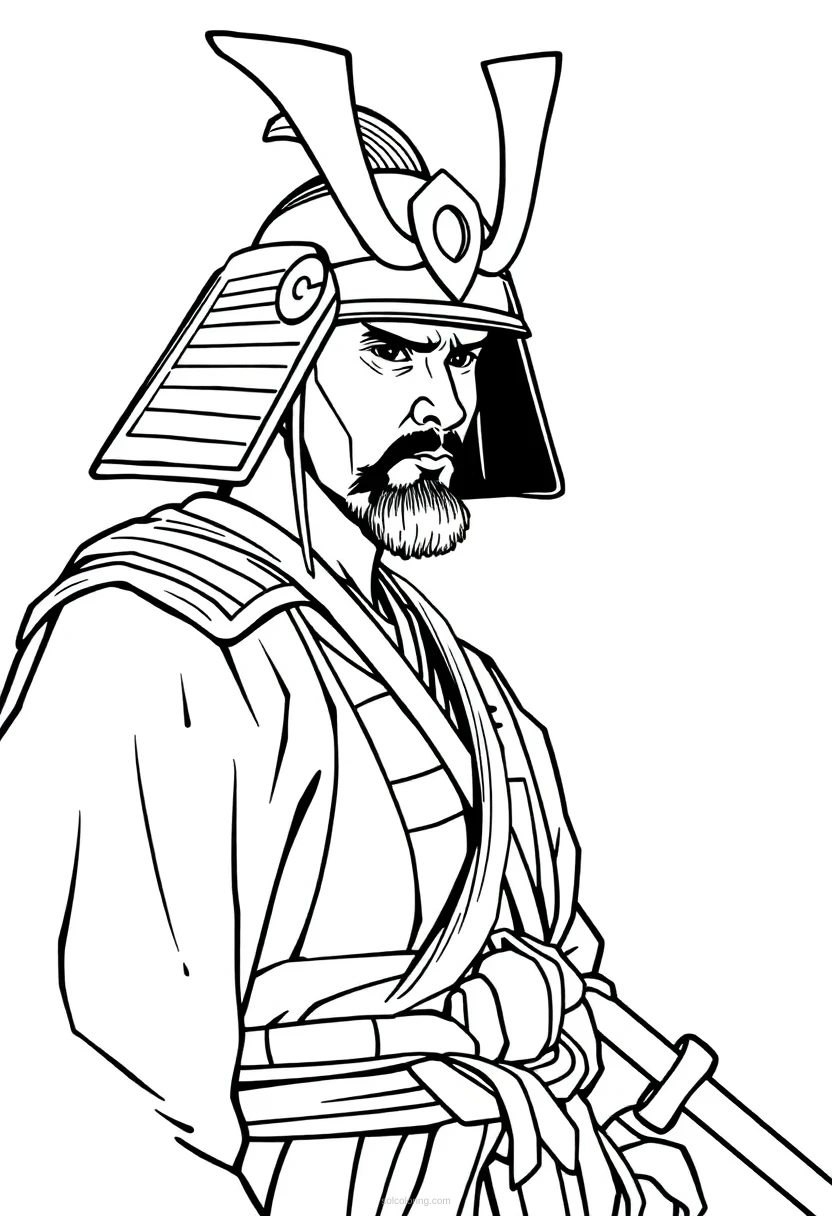
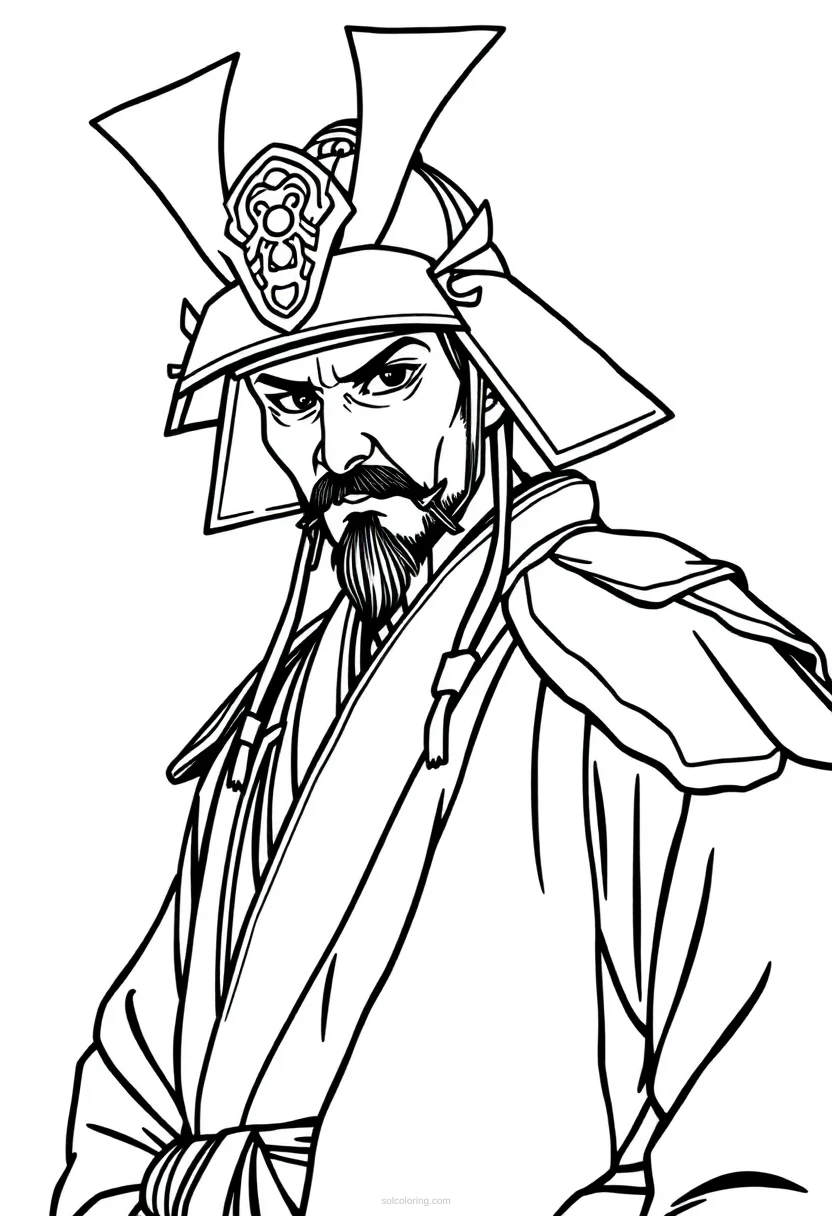
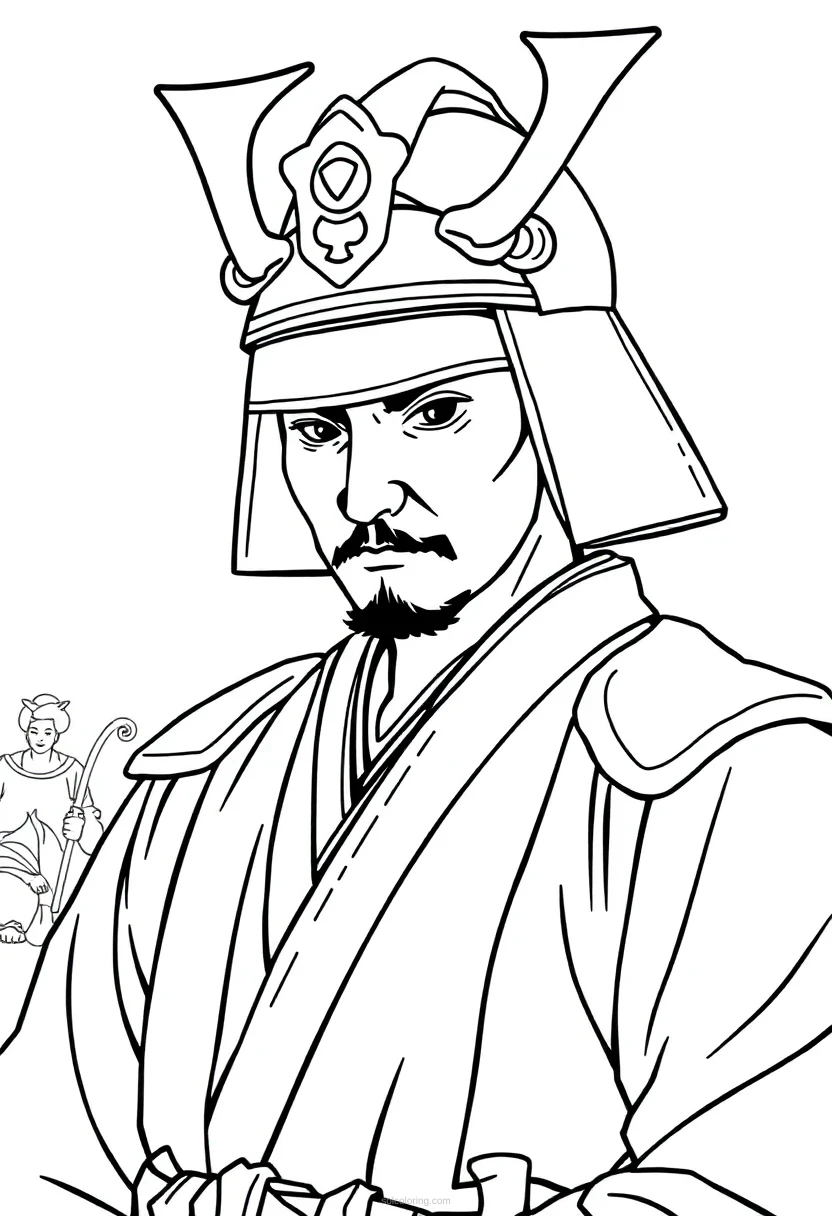
Step into feudal Japan with adorable Samurai Chibi characters, where ancient warrior culture meets cute cartoon charm. Samurai were skilled swordsmen and honored warriors who followed a strict code of conduct called Bushido, making them legendary figures in Japanese history. Our free printable coloring page brings these fascinating historical figures to life in a fun, kid-friendly style that's perfect for learning about Japanese culture. Whether you're interested in history or just love cute characters, this free printable coloring page lets you add your own colors to these pint-sized warriors. Color samurai armor, traditional weapons, and classic Japanese settings while discovering more about these remarkable historical figures.
Read more →Read less ↑
Choose a style
Did you know?
Fun facts about Samurai Chibi
Samurai were required to carry two swords: a long katana and a short wakizashi, and carrying both together was a sign of being a true warrior.
The samurai practice of ritual suicide called seppuku was performed when a samurai was defeated or faced dishonor, as living with shame was considered worse than death.
Female samurai called 'onna-bugeisha' existed and were trained warriors who fought alongside male samurai, some even becoming legendary fighters.
Samurai helmets called 'kabuto' were so heavy that samurai had to sleep sitting upright to avoid neck injury and to stay alert for night attacks.
The final samurai rebellion occurred in 1877 when samurai fought against the modernized Japanese government, marking the absolute end of the samurai era.
About Samurai Chibi
What does Bushido mean and why was it important to samurai?
Bushido, meaning 'the way of the warrior,' was a strict moral code that governed samurai behavior. It emphasized loyalty, honor, discipline, and self-control. Samurai believed in serving their lord faithfully, even willing to die rather than surrender or bring shame to their family and honor.
What time period did samurai live in Japan?
Samurai emerged during the 12th century and remained powerful until the late 1800s. The peak of samurai culture was during the Edo period (1603-1868), when Japan was relatively peaceful and samurai served regional lords called daimyo. The samurai class officially ended in 1876.
What were the main weapons and armor that samurai used?
Samurai were famous for their curved swords called katanas, along with shorter backup swords named wakizashis. They also used bows, spears, and later firearms. Their armor, called yoroi, featured layered plates, helmets with protective face guards, and metal accents designed for both protection and impressive appearance.
What is a daimyo and how did samurai serve them?
A daimyo was a feudal lord who ruled over regions of Japan and controlled armies of samurai. Samurai pledged absolute loyalty to their daimyo in exchange for land, money, and protection. This master-servant relationship was central to samurai society and defined their entire way of life and social status.
How did samurai train and what skills did they need?
Samurai trained extensively in sword fighting, archery, horseback riding, and combat tactics starting from childhood. They also studied calligraphy, poetry, tea ceremony, and philosophy to become well-rounded warriors. This combination of martial and cultural skills made samurai respected not just as fighters but as educated members of society.
Why did samurai disappear and what happened to them?
During Japan's modernization in the late 1800s, the government eliminated the samurai class to create a modern military. Many samurai became soldiers, government officials, or teachers. This transition marked the end of over 700 years of samurai culture, though their legacy continues to influence Japanese society, martial arts, and worldwide popular culture.
More Historical coloring pages
Coloring page FAQs
Are these Samurai Chibi coloring pages free?
Yes, absolutely! All of our Samurai Chibi coloring pages are completely free to download and print. No subscriptions, memberships, or payments required. Simply visit our website, select your favorite design, and print as many copies as you'd like from home.
What age are these Samurai Chibi coloring pages for?
These coloring pages are designed for kids and adults aged 8 to 14, though anyone can enjoy them. The cute chibi style makes them accessible for younger colorers, while the historical details appeal to older kids interested in learning about samurai culture and Japanese history.
How do I print these Samurai Chibi coloring pages?
Printing is simple and requires no signup. Download the PDF file, open it on your computer or device, and print to standard A4 or Letter size paper using any home printer. Black and white ink is recommended for best results and to save on color cartridges.