Historical
Samurai Coloring Page
Standard style
About this coloring page
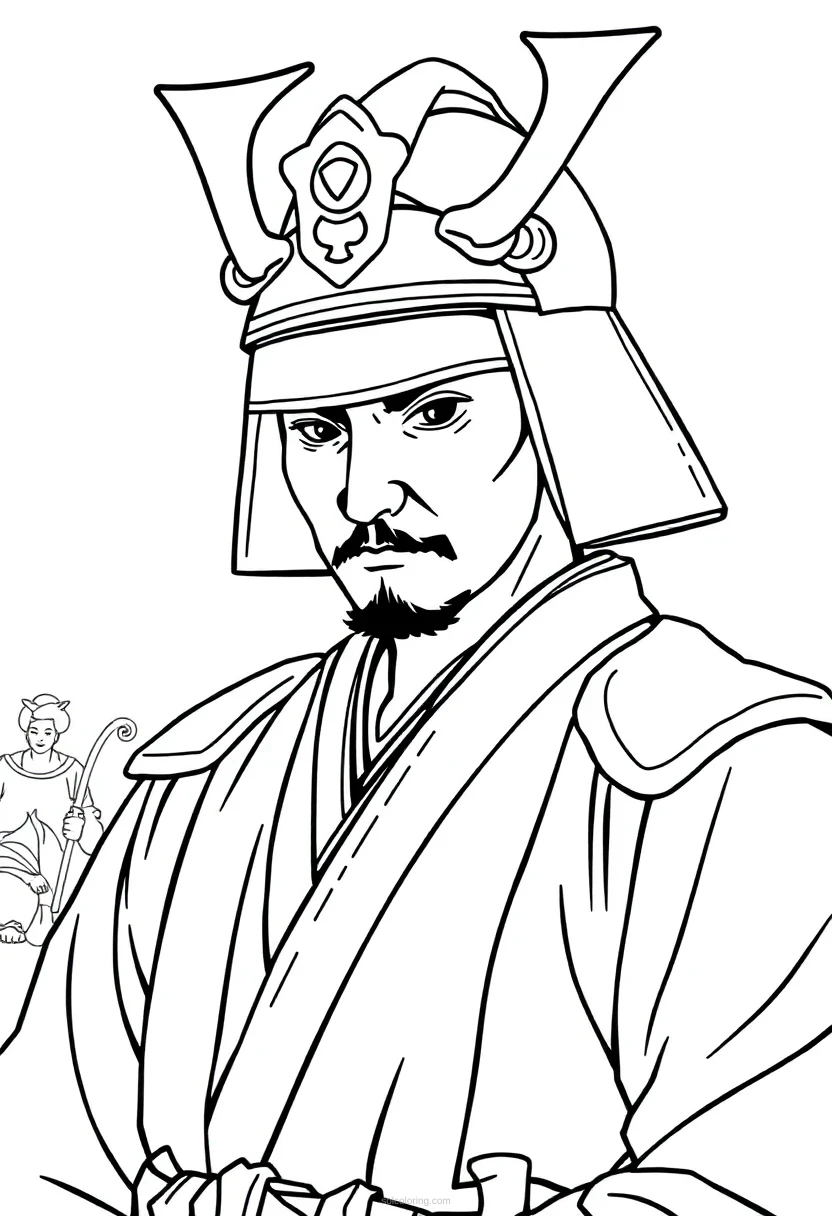
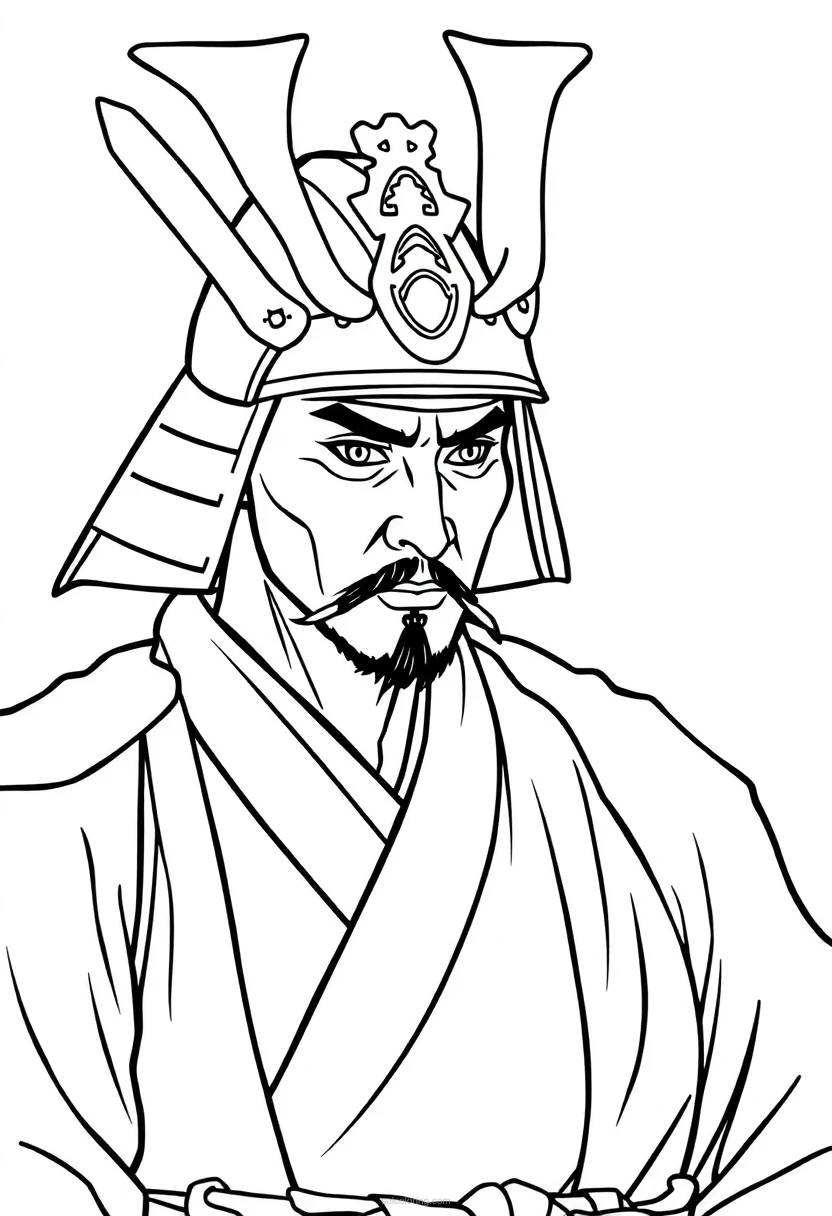
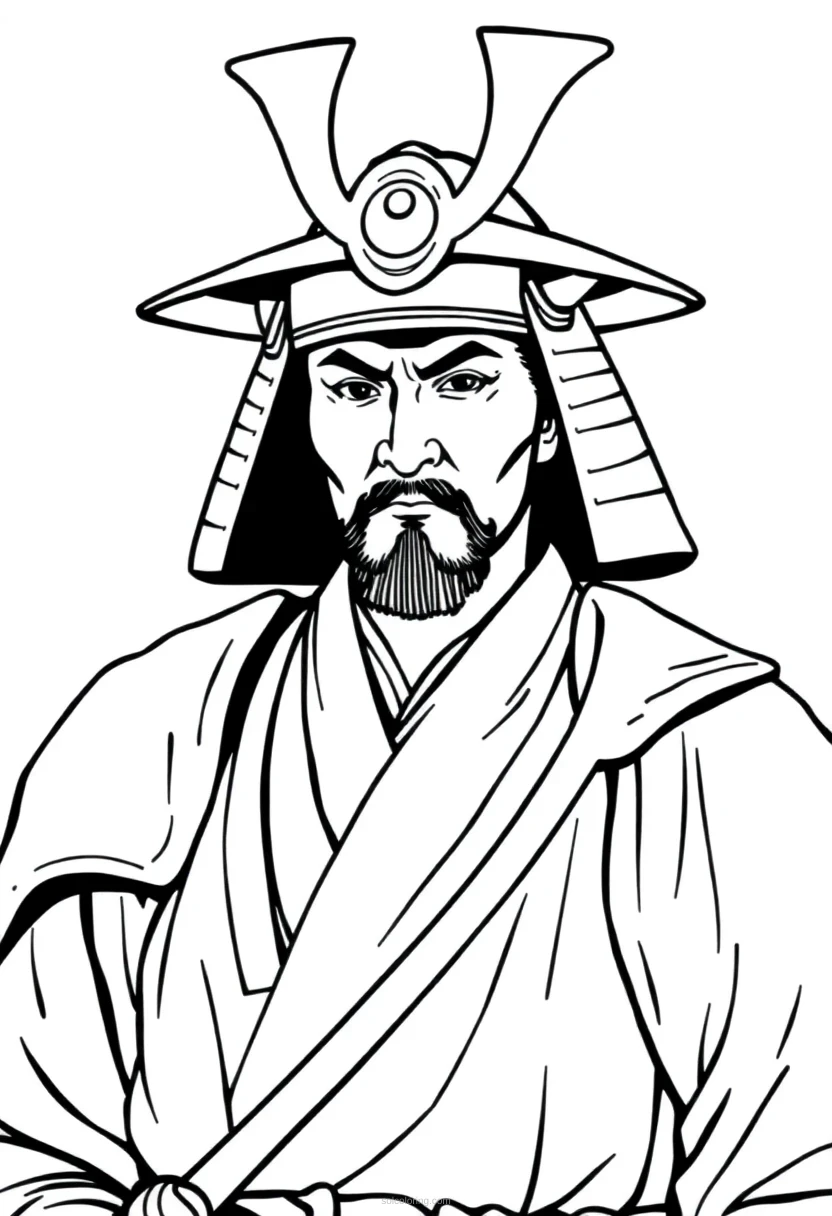
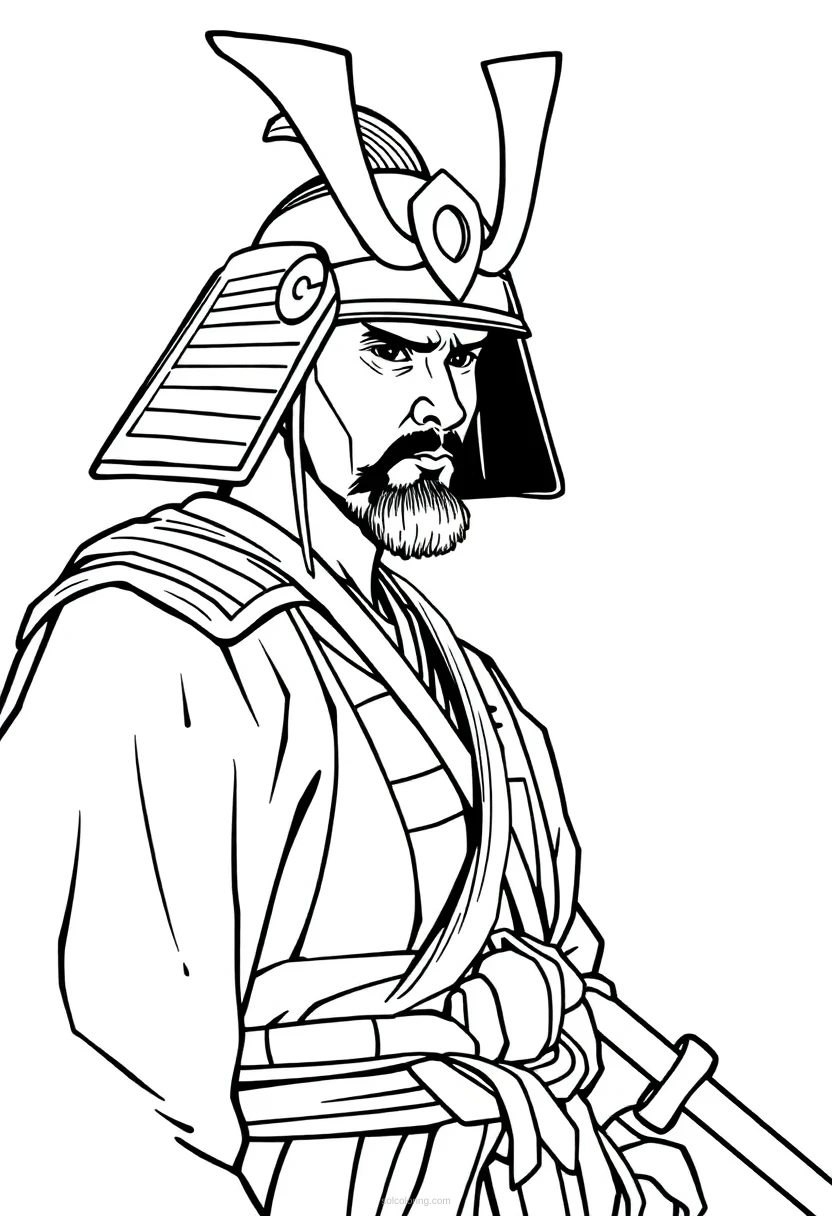
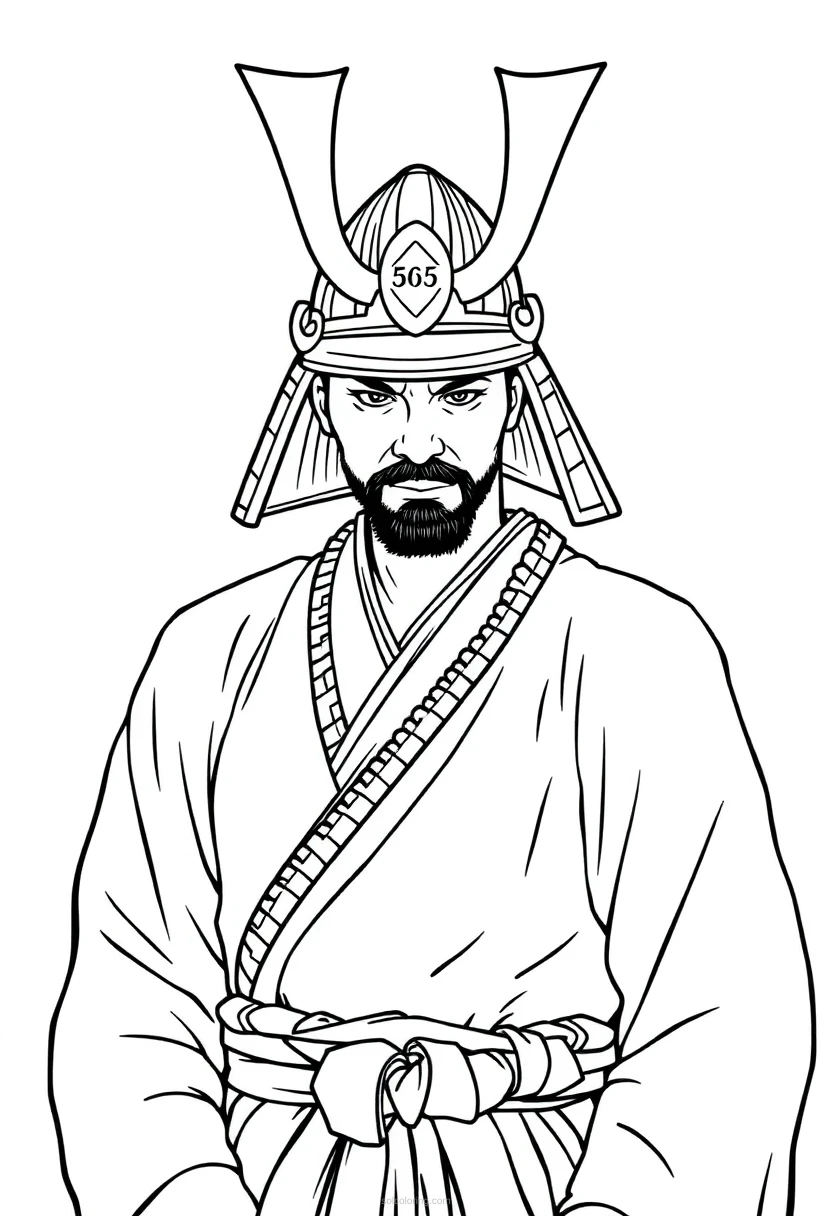
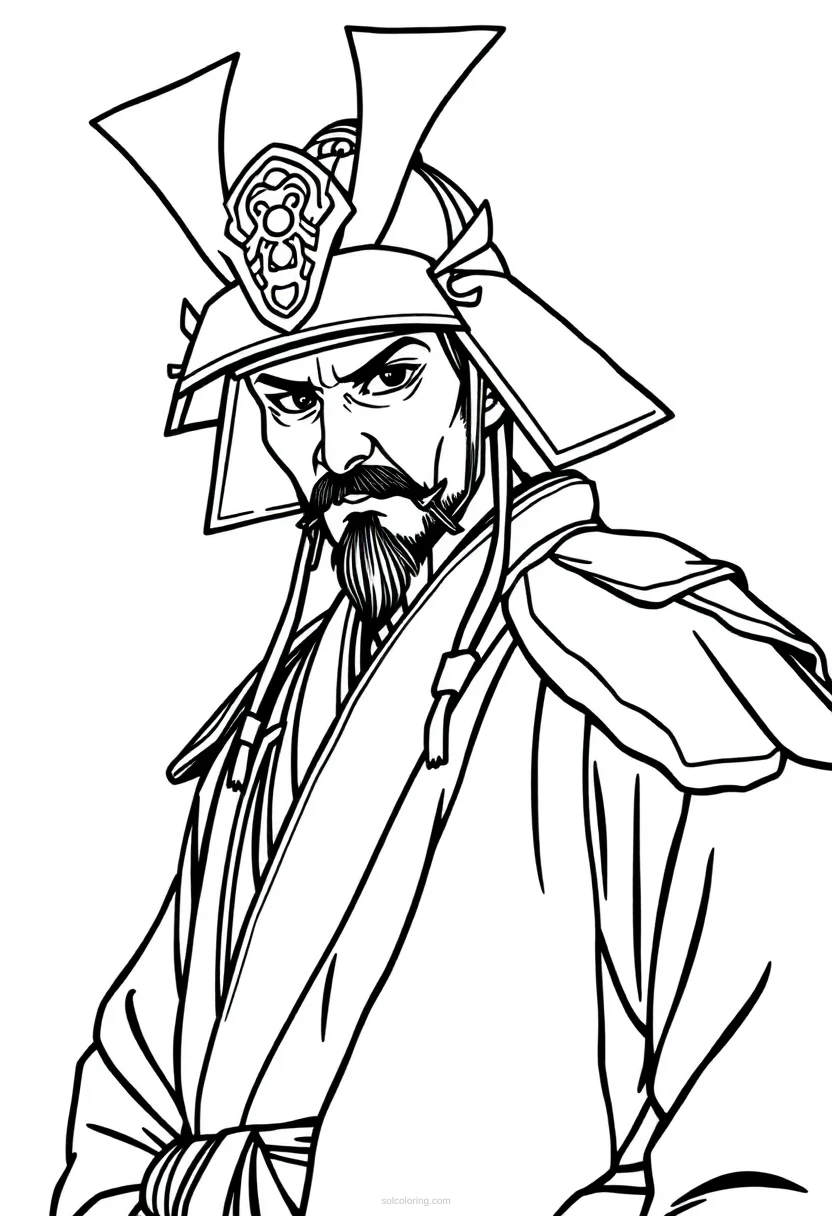
This delightful Samurai coloring page combines the fierce spirit of Japanese warriors with cute chibi-style art and intricate mandala patterns. The design features bold, clear outlines perfect for all ages, showcasing a miniature samurai surrounded by beautiful decorative elements that make coloring both fun and relaxing. Print this free coloring page and bring this charming warrior to life with your favorite colors!
Frequently asked
What does Bushido mean and why was it important to samurai?
Bushido, meaning 'the way of the warrior,' was a strict moral code that governed samurai behavior. It emphasized loyalty, honor, discipline, and self-control. Samurai believed in serving their lord faithfully, even willing to die rather than surrender or bring shame to their family and honor.
What time period did samurai live in Japan?
Samurai emerged during the 12th century and remained powerful until the late 1800s. The peak of samurai culture was during the Edo period (1603-1868), when Japan was relatively peaceful and samurai served regional lords called daimyo. The samurai class officially ended in 1876.
What were the main weapons and armor that samurai used?
Samurai were famous for their curved swords called katanas, along with shorter backup swords named wakizashis. They also used bows, spears, and later firearms. Their armor, called yoroi, featured layered plates, helmets with protective face guards, and metal accents designed for both protection and impressive appearance.
Are these Samurai Chibi coloring pages free?
Yes, absolutely! All of our Samurai Chibi coloring pages are completely free to download and print. No subscriptions, memberships, or payments required. Simply visit our website, select your favorite design, and print as many copies as you'd like from home.
What age are these Samurai Chibi coloring pages for?
These coloring pages are designed for kids and adults aged 8 to 14, though anyone can enjoy them. The cute chibi style makes them accessible for younger colorers, while the historical details appeal to older kids interested in learning about samurai culture and Japanese history.