
Historical
Samurai Mandala Coloring Pages
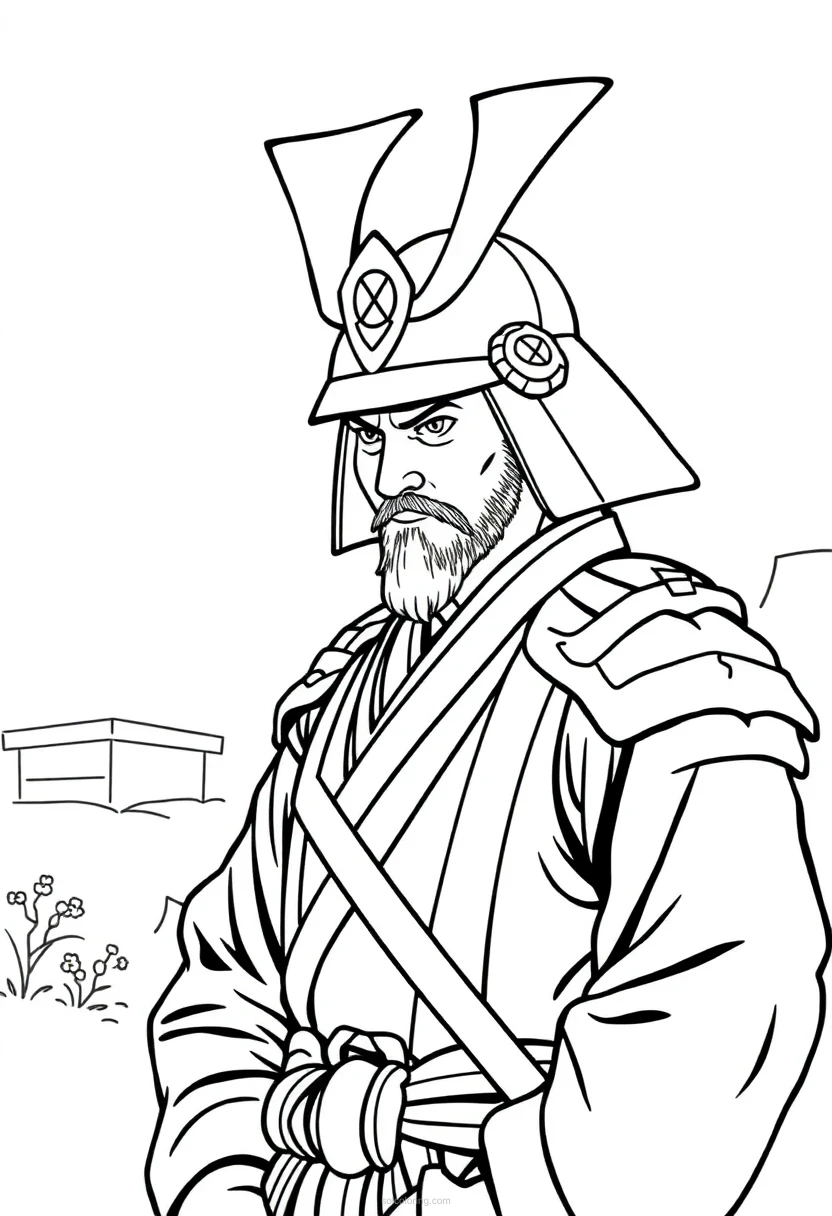
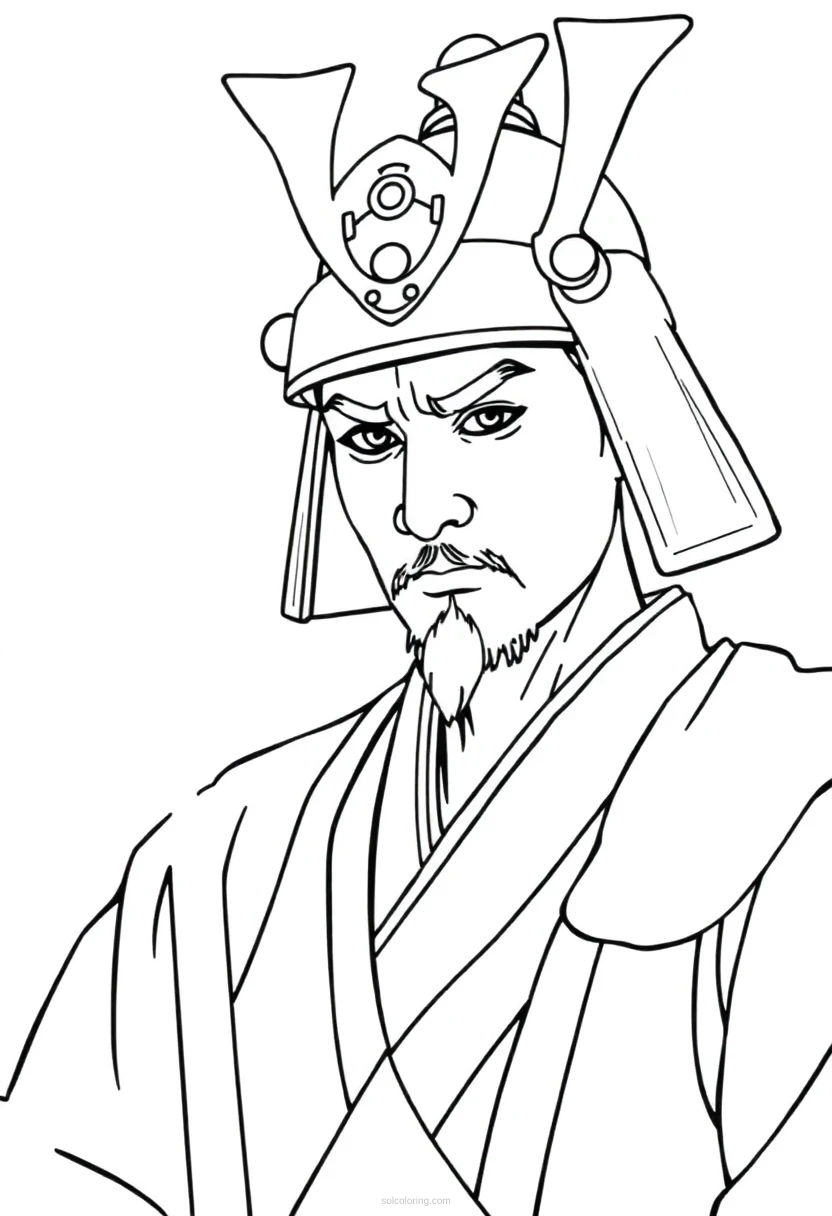
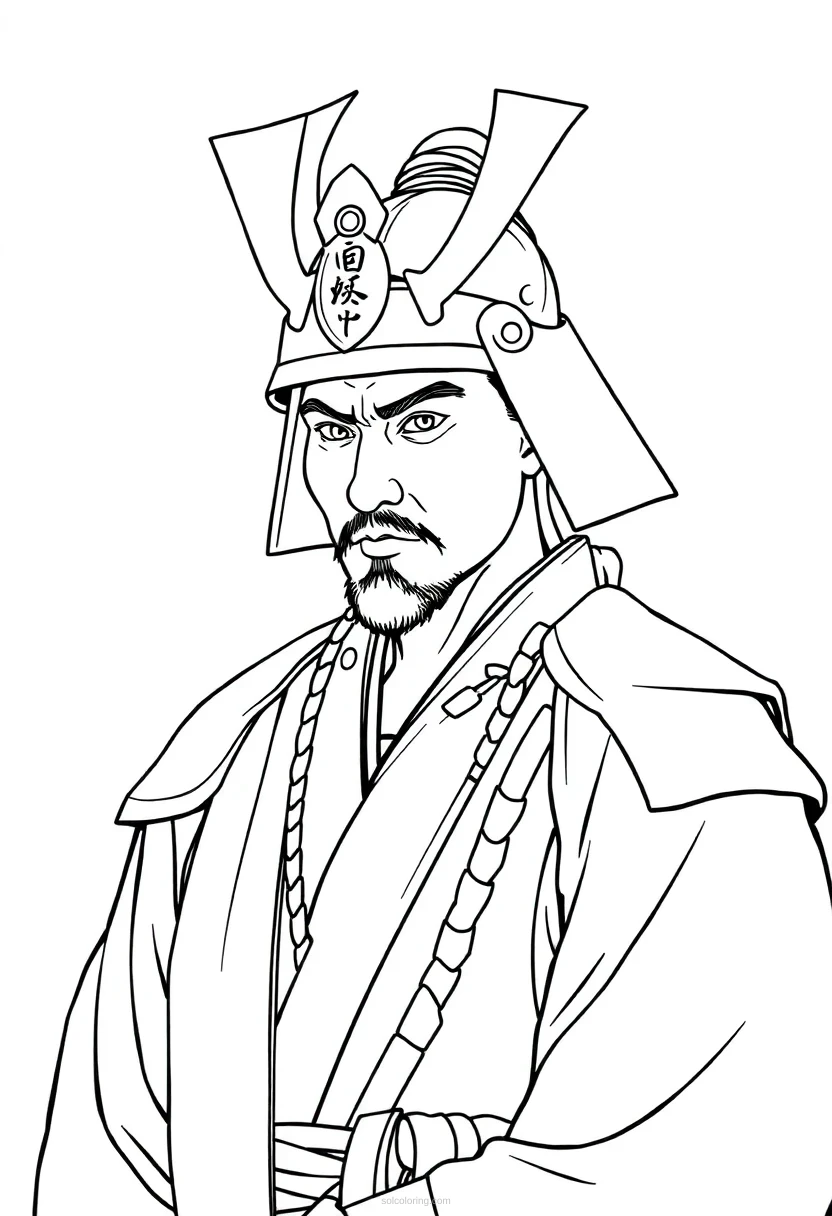
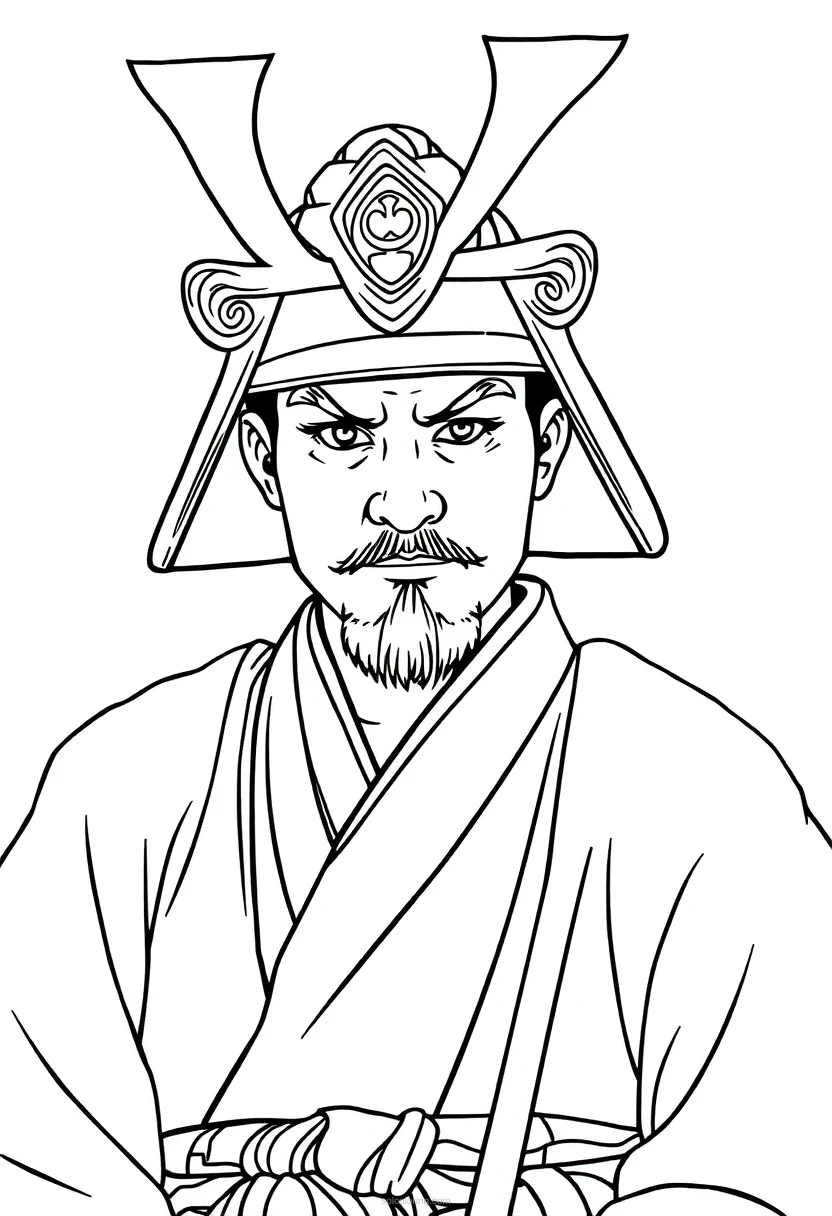
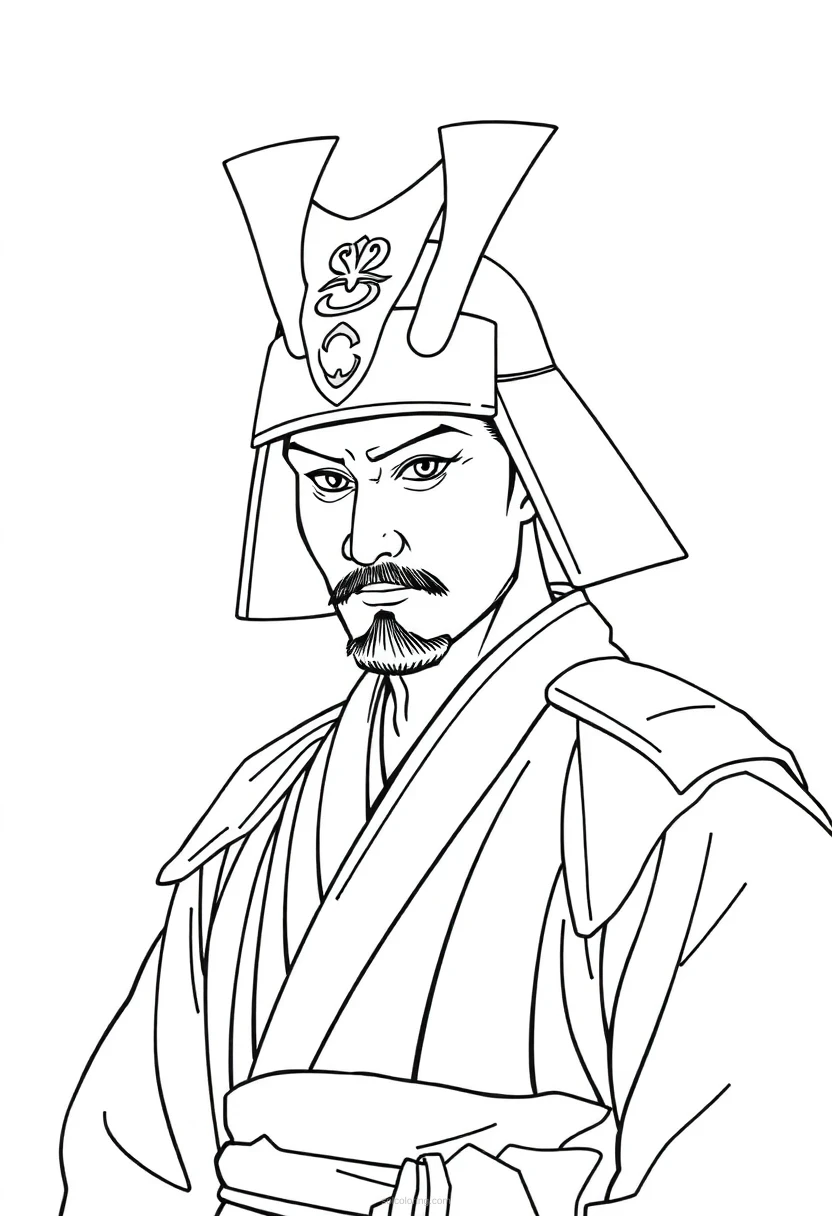
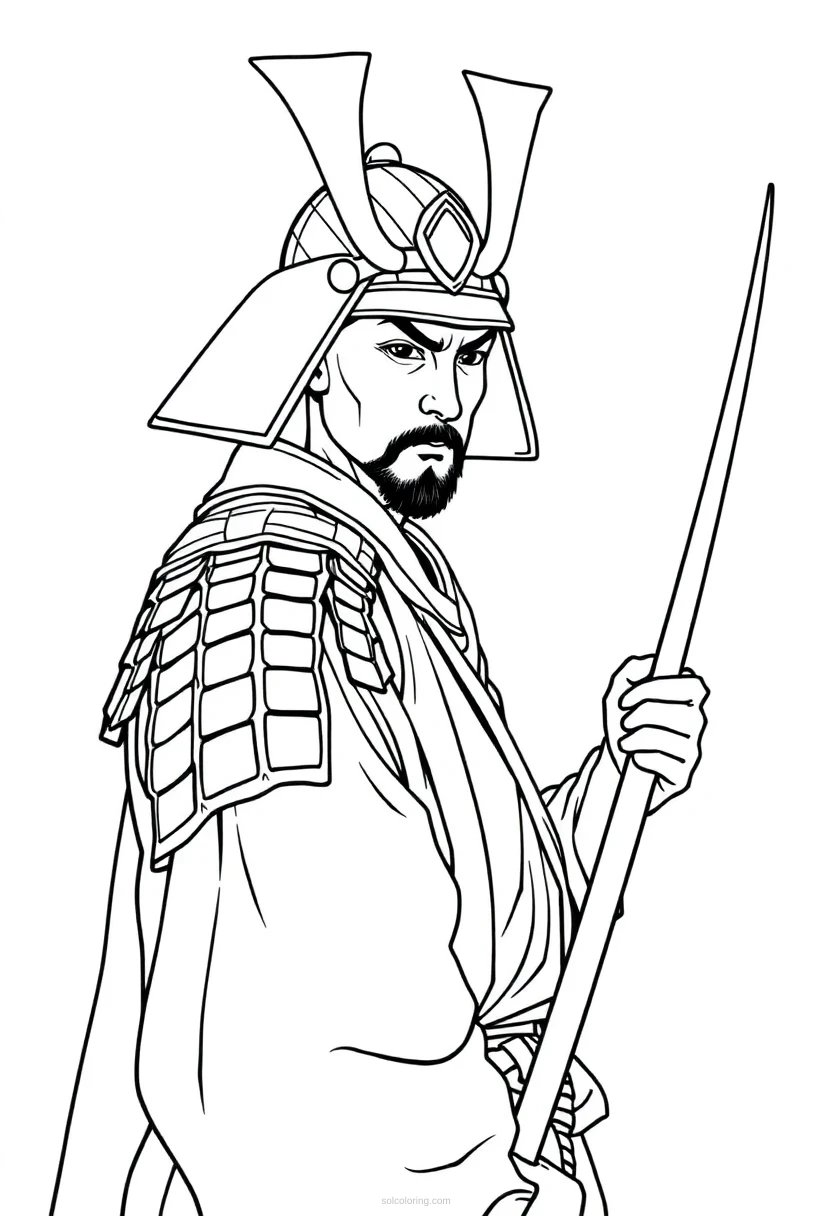
6 free printable designs including Standard, Standard, Standard, Standard and more.
Discover the fascinating blend of Japanese warrior culture and sacred circular art with our Samurai Mandala free printable coloring page. Mandalas are intricate geometric patterns that represent balance and harmony, while samurai embody the code of honor and discipline that shaped feudal Japan. This unique design combines these two powerful traditions, offering a meditative coloring experience that teaches history and mindfulness. Perfect for kids and adults aged 8 to 14, this free printable coloring page celebrates the beauty of Japanese aesthetics and the legendary warriors who defined an era.
Read more →Read less ↑
Choose a style
Did you know?
Fun facts about Samurai Mandala
Samurai spent as much time studying calligraphy, poetry, and tea ceremony as they did training with swords, believing warriors needed both physical and artistic excellence.
A mandala can contain thousands of tiny geometric shapes, and some traditional Buddhist mandalas took monks years to create using colored sand grain by grain.
The samurai code of Bushido was never formally written down during feudal times, passed instead through oral tradition and personal mentorship from master to student.
Many samurai who lost their lords became ronin, or masterless warriors, some becoming mercenaries while others found peace through Buddhist monasteries or artistic pursuits.
The katana sword's curved design was specifically engineered to be faster to draw and more effective in slashing motions than straight blades used by European knights.
About Samurai Mandala
What is a mandala and why is it important in Japanese culture?
Mandalas are circular geometric designs representing the universe and harmony. While originating in Buddhism and Hinduism, they deeply influenced Japanese art and spirituality. The symmetrical patterns create a sense of balance and peace, making them perfect for meditation and artistic expression throughout Japanese history.
Who were samurai and what made them special?
Samurai were the warrior class of feudal Japan, serving regional lords called daimyo from the 12th to 19th centuries. They followed Bushido, a strict code emphasizing loyalty, honor, and discipline. Samurai trained extensively in martial arts, swordsmanship, and often valued artistic pursuits like calligraphy and poetry.
What is Bushido and why did samurai follow it?
Bushido, meaning the way of the warrior, was a moral code governing samurai behavior. It emphasized loyalty to one's lord, personal honor, courage, and self-discipline. Following Bushido meant samurai prioritized duty over personal desires and faced death with dignity rather than surrender or shame.
How did samurai train and what weapons did they use?
Samurai underwent rigorous training starting in childhood, learning swordsmanship with the katana, their iconic curved blade. They also mastered archery, horseback riding, and hand-to-hand combat. Training combined martial techniques with philosophy and ethics, creating warriors who valued skill, strategy, and mental discipline equally.
What does the mandala pattern symbolize in samurai art?
When combined with samurai imagery, mandalas symbolize the warrior's inner balance between strength and peace. The circular design represents the samurai's journey toward spiritual enlightenment and perfection, reflecting the belief that true warriors cultivated both martial prowess and artistic, philosophical wisdom.
When did the samurai era end and what happened to them?
The samurai era ended during the Meiji Restoration in 1868 when Japan modernized and adopted Western military practices. A new conscript army replaced samurai warriors, ending centuries of feudal traditions. Many samurai adapted to new roles in society, contributing their discipline and values to modern Japan's development.
More Historical coloring pages
Coloring page FAQs
Are these Samurai Mandala coloring pages free?
Yes, absolutely! All Samurai Mandala coloring pages on Sol Coloring are completely free to download and print. Simply visit our site, select your design, and print as many copies as you'd like without any signup or hidden fees required.
What age are these Samurai Mandala coloring pages for?
These coloring pages are designed for ages 8 to 14, though older teens and adults enjoy them too. The patterns range from moderate to complex, allowing younger children to enjoy simpler areas while older colorists tackle intricate mandala details.
How do I print these Samurai Mandala coloring pages?
Printing is simple and straightforward. Download the PDF file, open it on your computer, and print to standard A4 or Letter-size paper using your home printer. No special software or account creation is needed, making it quick and convenient.