Historical
Samurai Coloring Page
Standard style
About this coloring page
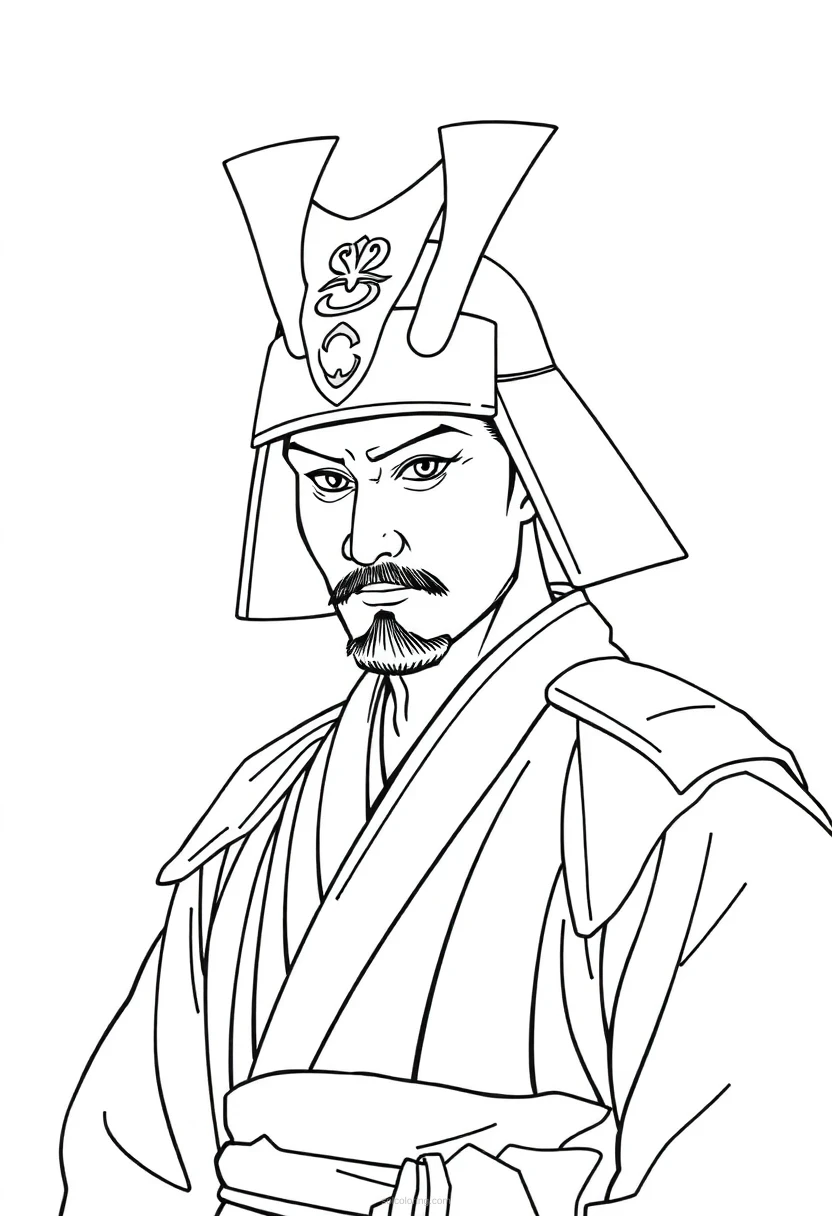
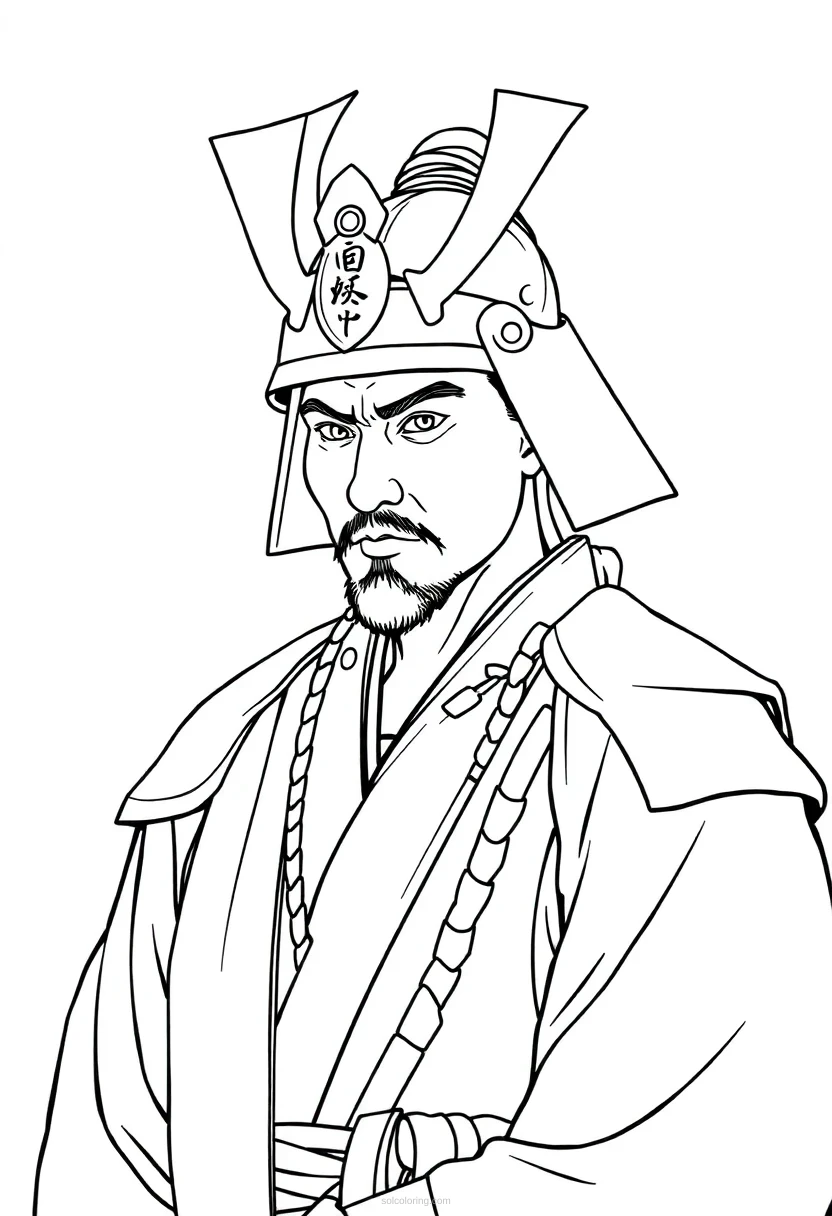
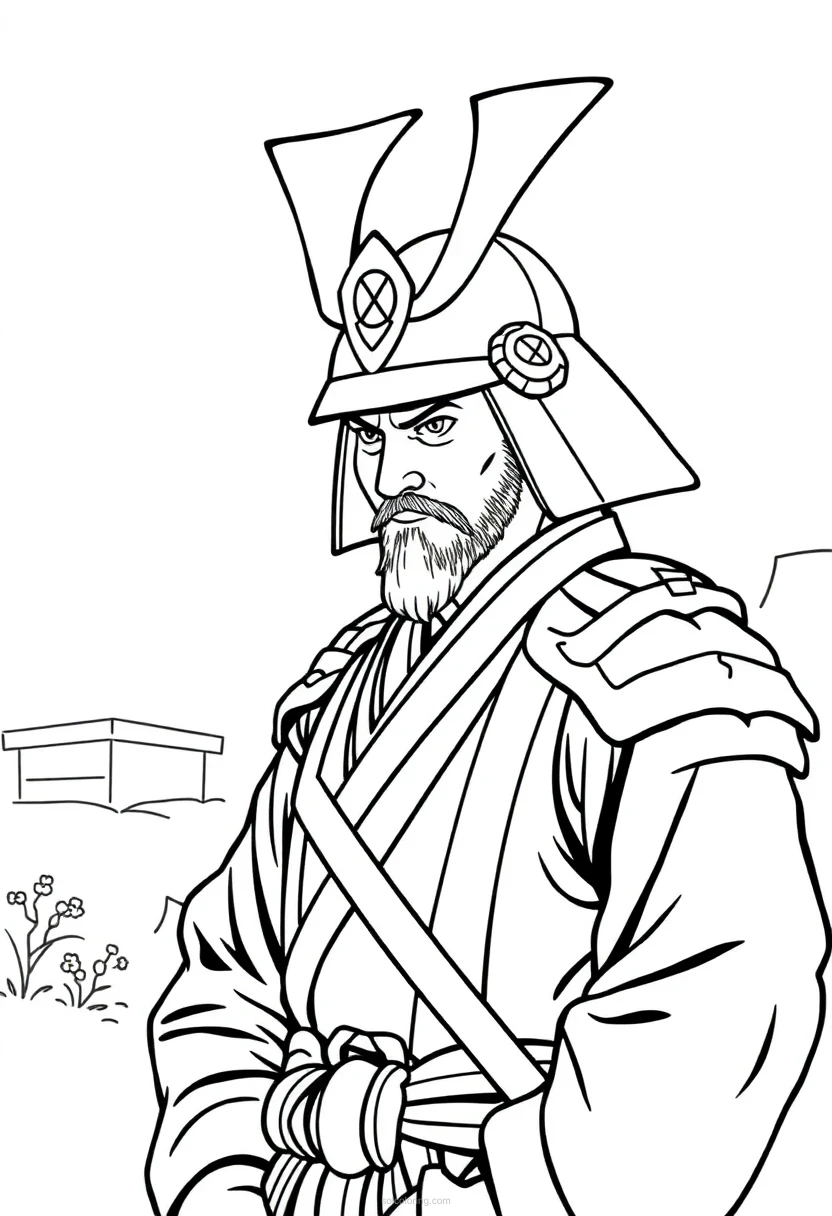
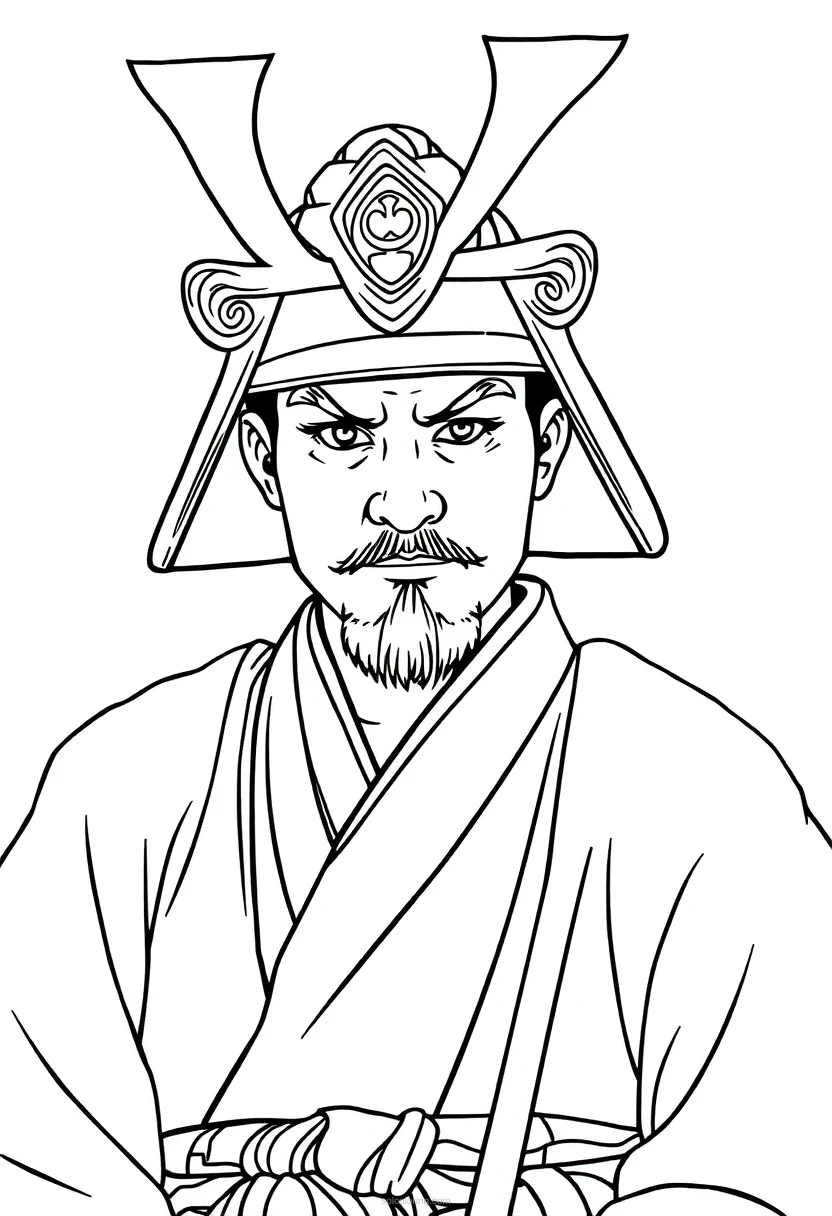
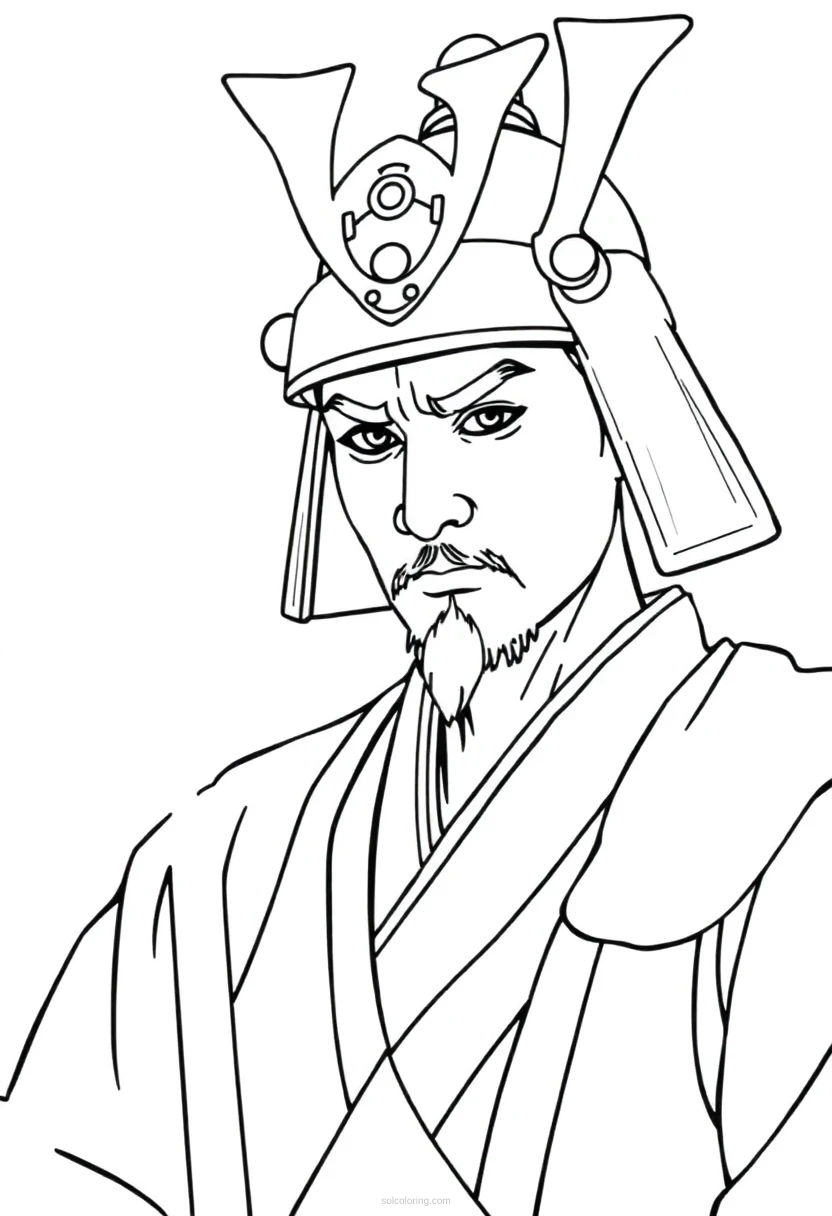
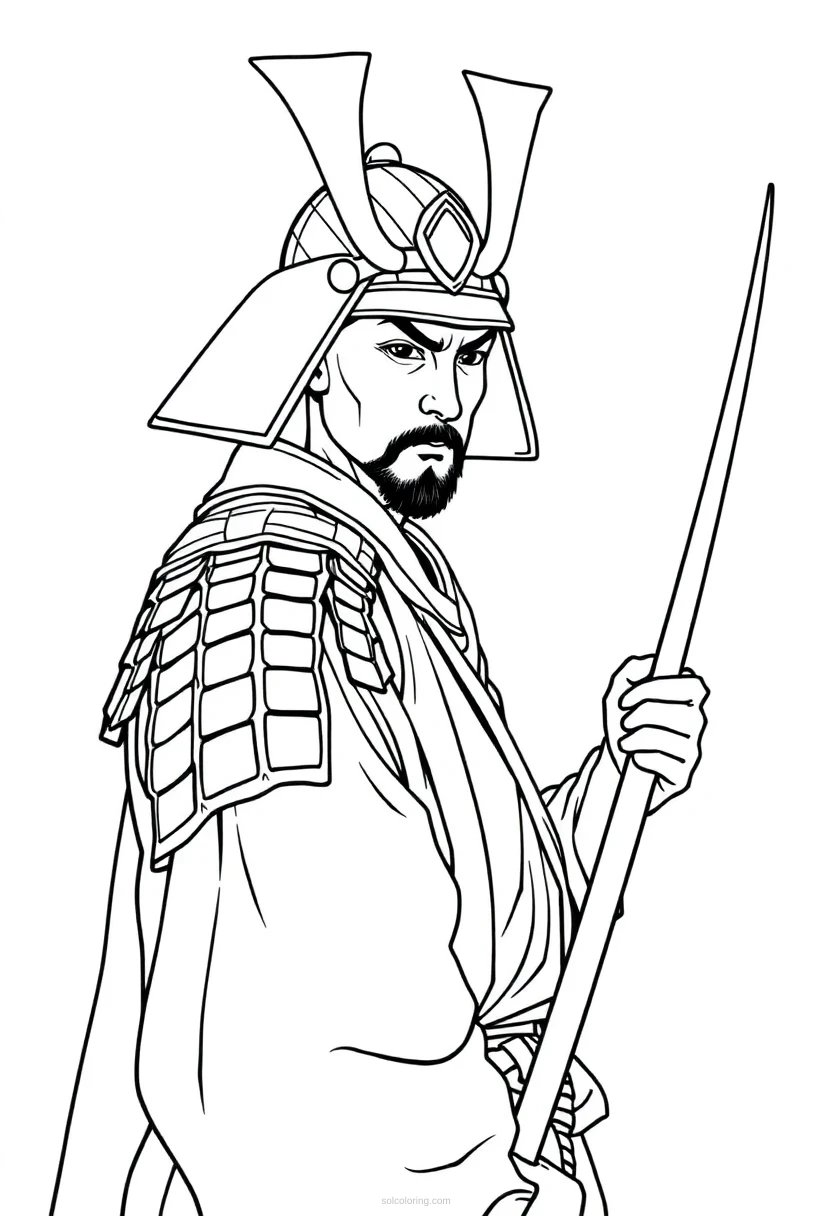
This free printable Samurai coloring page features a traditional Japanese warrior in an intricate mandala-style design with bold, simple outlines perfect for all ages. The detailed yet approachable artwork combines historical elements with decorative patterns, making it ideal for both children learning about samurai culture and adults who enjoy relaxing coloring activities. Download instantly and bring this noble warrior to life with your favorite colors!
Frequently asked
What is a mandala and why is it important in Japanese culture?
Mandalas are circular geometric designs representing the universe and harmony. While originating in Buddhism and Hinduism, they deeply influenced Japanese art and spirituality. The symmetrical patterns create a sense of balance and peace, making them perfect for meditation and artistic expression throughout Japanese history.
Who were samurai and what made them special?
Samurai were the warrior class of feudal Japan, serving regional lords called daimyo from the 12th to 19th centuries. They followed Bushido, a strict code emphasizing loyalty, honor, and discipline. Samurai trained extensively in martial arts, swordsmanship, and often valued artistic pursuits like calligraphy and poetry.
What is Bushido and why did samurai follow it?
Bushido, meaning the way of the warrior, was a moral code governing samurai behavior. It emphasized loyalty to one's lord, personal honor, courage, and self-discipline. Following Bushido meant samurai prioritized duty over personal desires and faced death with dignity rather than surrender or shame.
Are these Samurai Mandala coloring pages free?
Yes, absolutely! All Samurai Mandala coloring pages on Sol Coloring are completely free to download and print. Simply visit our site, select your design, and print as many copies as you'd like without any signup or hidden fees required.
What age are these Samurai Mandala coloring pages for?
These coloring pages are designed for ages 8 to 14, though older teens and adults enjoy them too. The patterns range from moderate to complex, allowing younger children to enjoy simpler areas while older colorists tackle intricate mandala details.