
Scientists
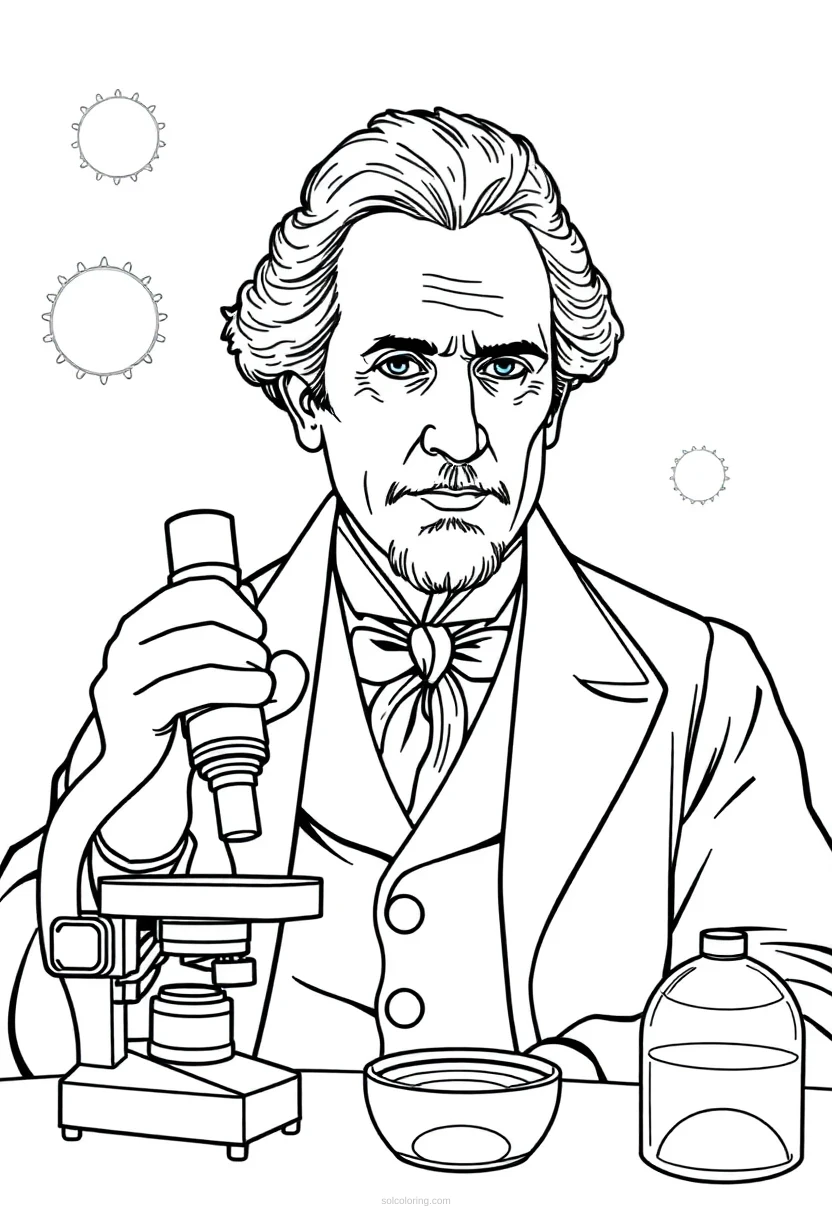
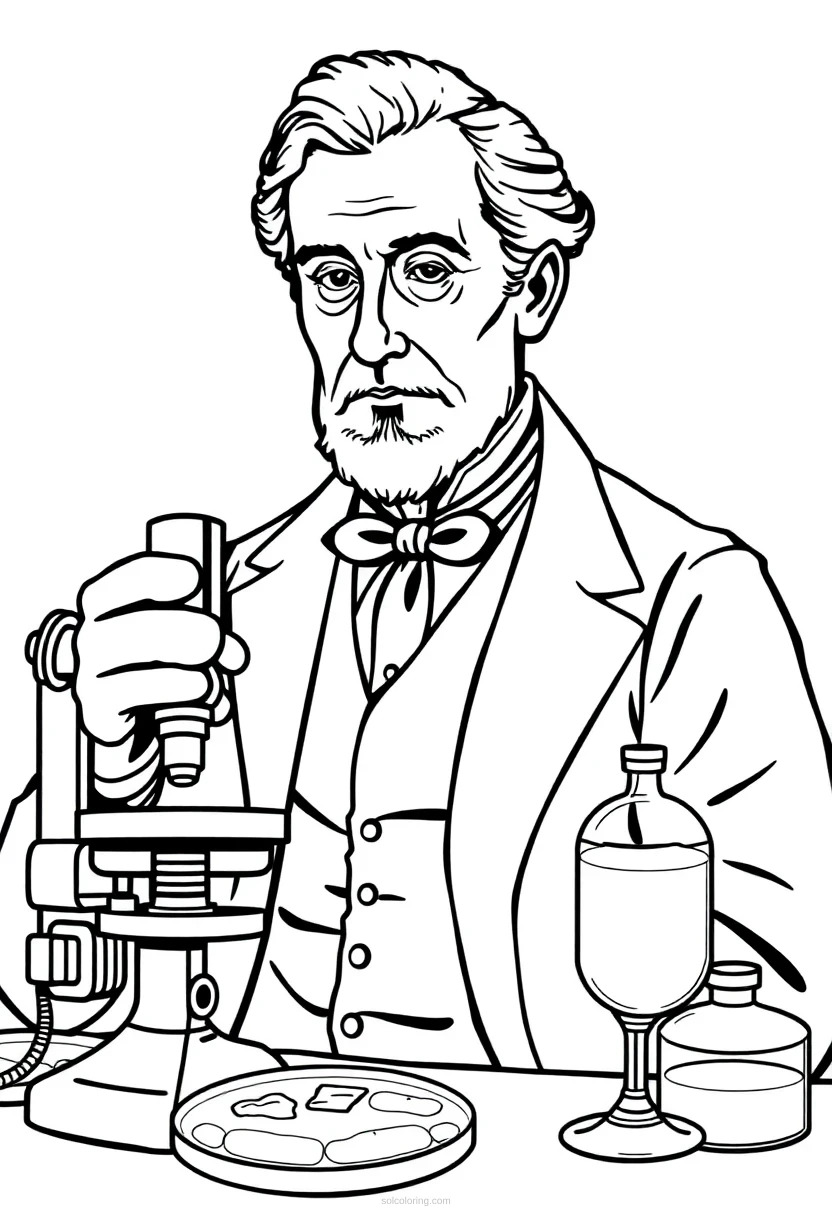
Alexander Fleming With Microscope And Petri Dishes Coloring Pages
6 free printable designs including Standard, Standard, Standard, Standard and more.
Alexander Fleming was a Scottish scientist who made one of the most important discoveries in medical history. In 1928, he noticed that a mold called penicillin could kill bacteria, leading to the development of the first widely used antibiotic. This breakthrough has saved millions of lives and changed medicine forever. Color this free printable coloring page to celebrate Fleming's incredible work in his laboratory, complete with his microscope and petri dishes. This free printable coloring page brings this historical moment to life for young artists and science enthusiasts.
Read more →Read less ↑
Choose a style
Alexander Fleming with Microscope and Petri Dishes
Alexander Fleming with Microscope and Petri Dishes
Alexander Fleming with Microscope and Petri Dishes
Alexander Fleming with Microscope and Petri Dishes
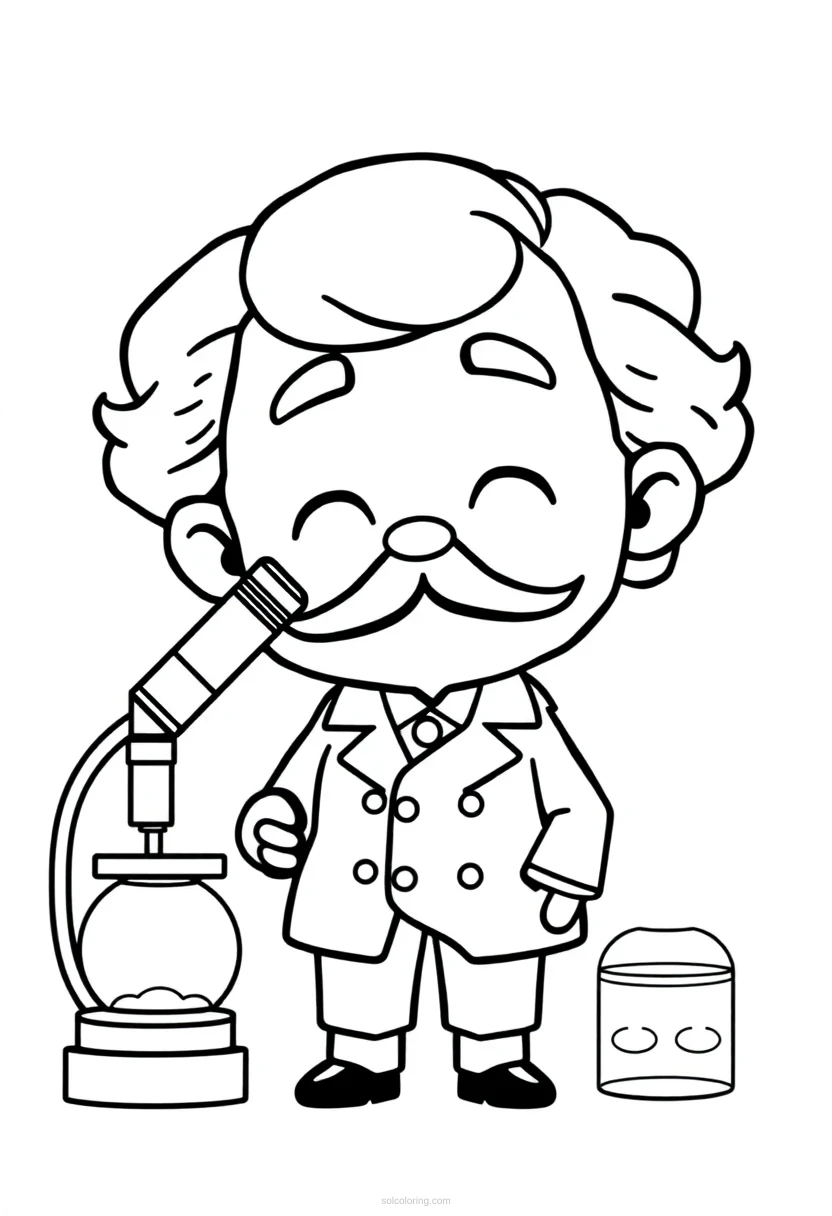
Alexander Fleming with Microscope and Petri Dishes
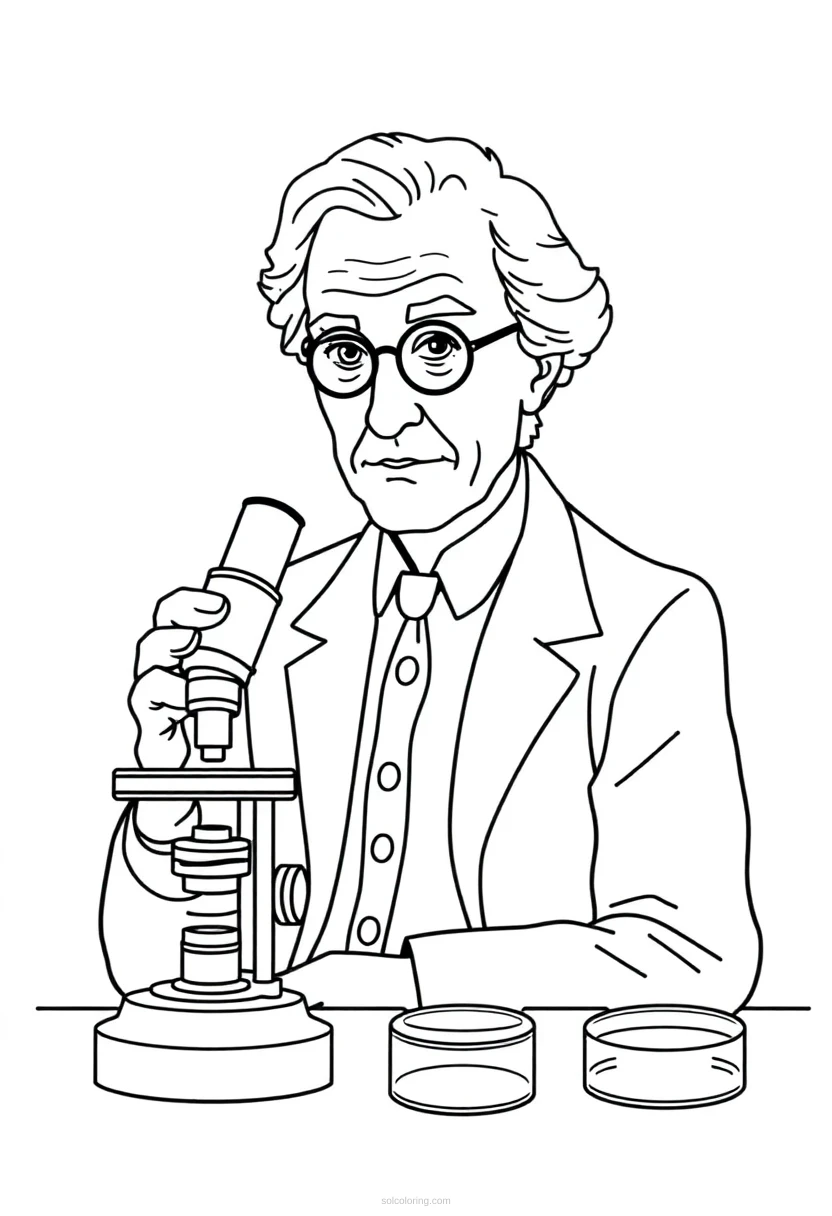
Alexander Fleming with Microscope and Petri Dishes
Did you know?
Fun facts about Alexander Fleming With Microscope And Petri Dishes
Alexander Fleming was left-handed, which was unusual and sometimes discouraged during his childhood in Scotland in the 1880s.
Fleming's penicillin discovery was so accidental that he almost threw away the contaminated petri dish before noticing the bacteria had died around the mold.
It took more than a decade of work by Fleming and other scientists to turn the laboratory discovery of penicillin into a medicine that could be manufactured and used to treat patients.
Fleming was a talented artist and musician, skills that helped develop his keen observational abilities as a scientist.
The first patient to receive penicillin treatment in 1941 was Albert Alexander, a policeman, though sadly he passed away before the full benefits of the antibiotic could save him.
About Alexander Fleming With Microscope And Petri Dishes
Who was Alexander Fleming and why is he famous?
Alexander Fleming was a Scottish bacteriologist born in 1881. He's famous for discovering penicillin in 1928, the first antibiotic that could effectively treat bacterial infections. This discovery revolutionized medicine and earned him a Nobel Prize in 1945, fundamentally changing how doctors treat diseases.
How did Alexander Fleming discover penicillin?
Fleming's discovery was partly accidental. He returned to his laboratory after a vacation and noticed a mold had contaminated one of his bacterial cultures. Remarkably, the bacteria around the mold had died. He identified the mold as penicillin and realized it had antibacterial properties, leading to extensive research.
What is penicillin and how does it work?
Penicillin is an antibiotic produced by the Penicillium mold. It works by breaking down the cell walls of bacteria, causing them to die. This makes it effective against many bacterial infections like strep throat, pneumonia, and infections from wounds, saving countless lives worldwide.
Why was Fleming's discovery so important for medicine?
Before penicillin, even minor infections could become life-threatening. Fleming's discovery was the first widely available antibiotic that could safely cure bacterial infections. It transformed modern medicine, making surgery safer and allowing doctors to treat previously untreatable diseases effectively.
What tools did Alexander Fleming use in his laboratory?
Fleming used essential laboratory equipment including microscopes to view bacteria and cells, petri dishes to grow bacterial cultures, and various chemical solutions. These tools allowed him to study microorganisms closely and make observations that led to his groundbreaking discovery of penicillin's antibacterial properties.
What happened to Alexander Fleming after his discovery?
After discovering penicillin, Fleming received international recognition and numerous honors. He was knighted in 1944 and won the Nobel Prize in Physiology or Medicine in 1945, sharing it with colleagues Ernst Boris Chain and Howard Florey who helped develop penicillin as a practical medicine.
More Scientists coloring pages
Coloring page FAQs
Are these Alexander Fleming With Microscope And Petri Dishes coloring pages free?
Yes! All coloring pages at Sol Coloring are completely free to download and print. No signup, login, or payment required. Simply visit the site, find your favorite free printable coloring page, and start coloring right away.
What age are these Alexander Fleming With Microscope And Petri Dishes coloring pages for?
These coloring pages are designed for ages 8 to 14, with varying detail levels to suit different skill levels. Younger colorists can enjoy simpler areas, while older kids appreciate the intricate scientific details like the microscope and petri dishes.
How do I print these Alexander Fleming With Microscope And Petri Dishes coloring pages?
Simply download the PDF file and print on standard A4 or Letter-sized paper using any home printer. No special setup needed. You can print as many copies as you'd like, completely free and without creating an account.