
Scientists
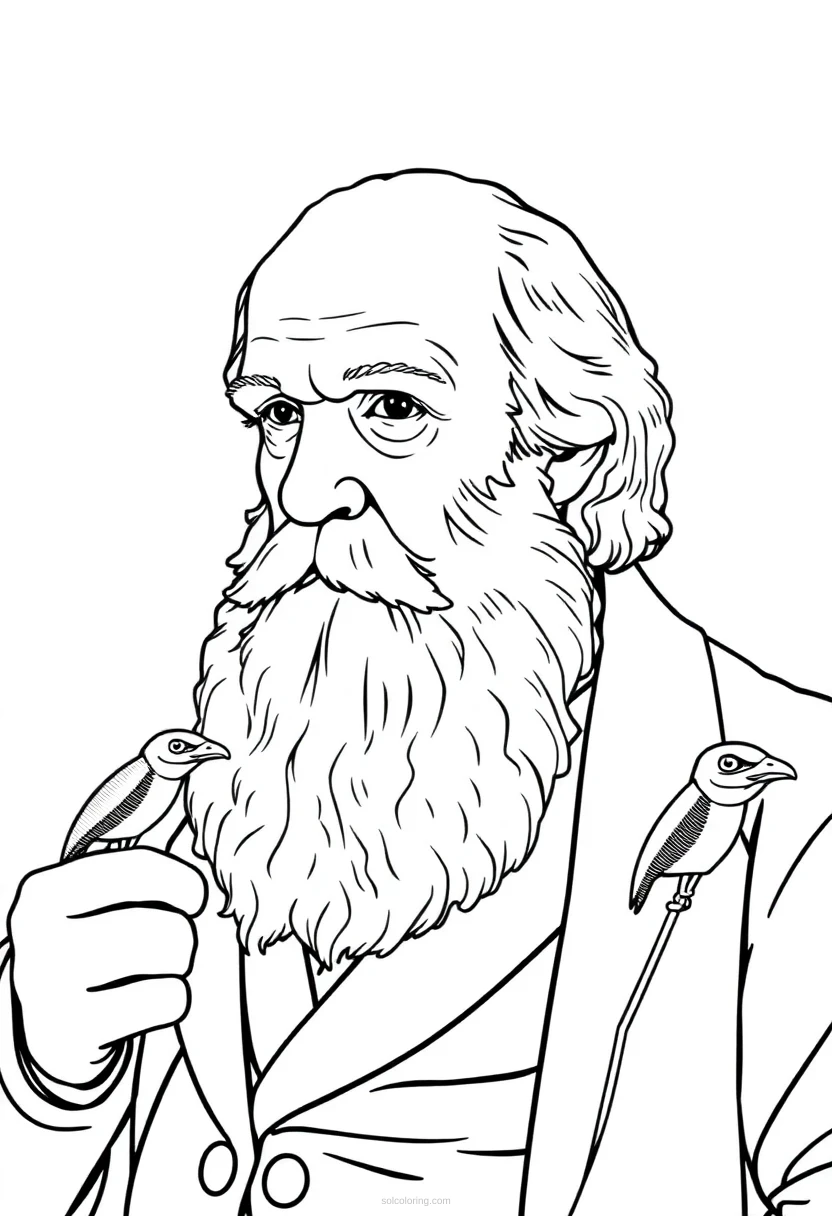
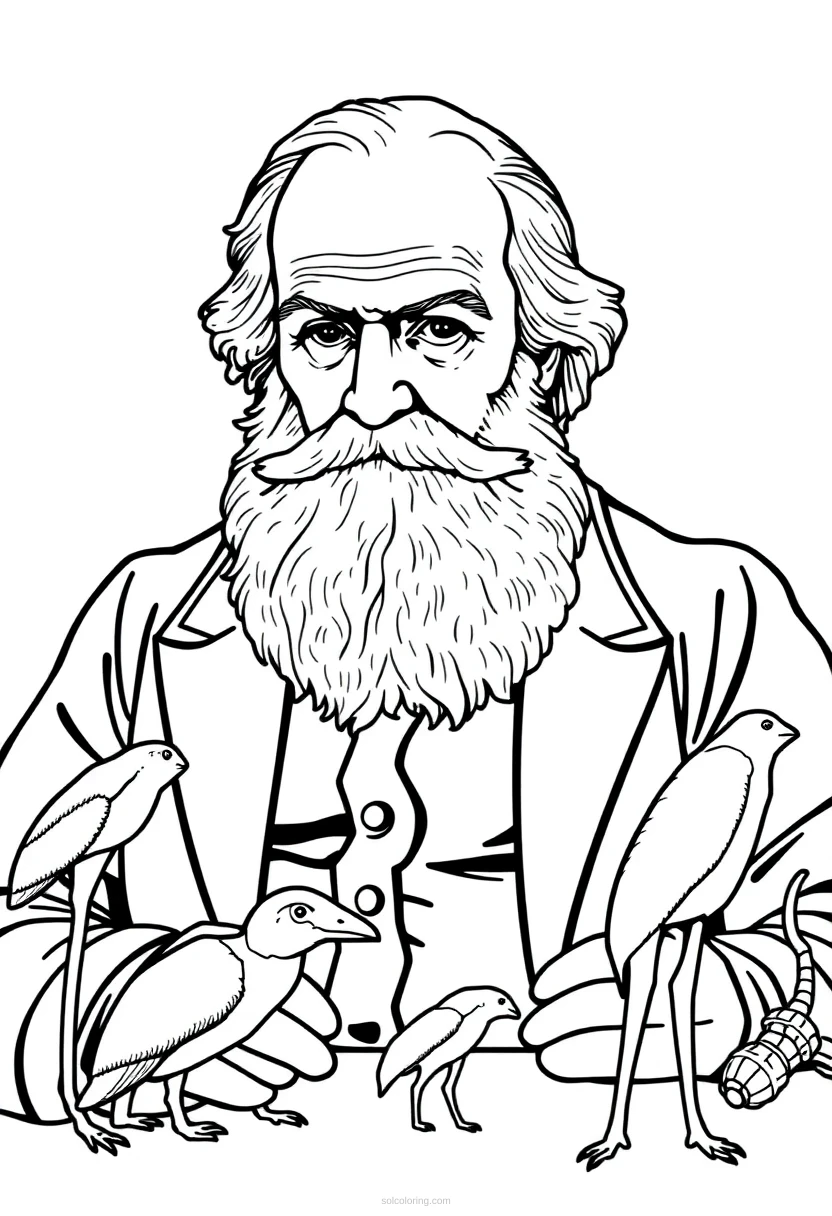
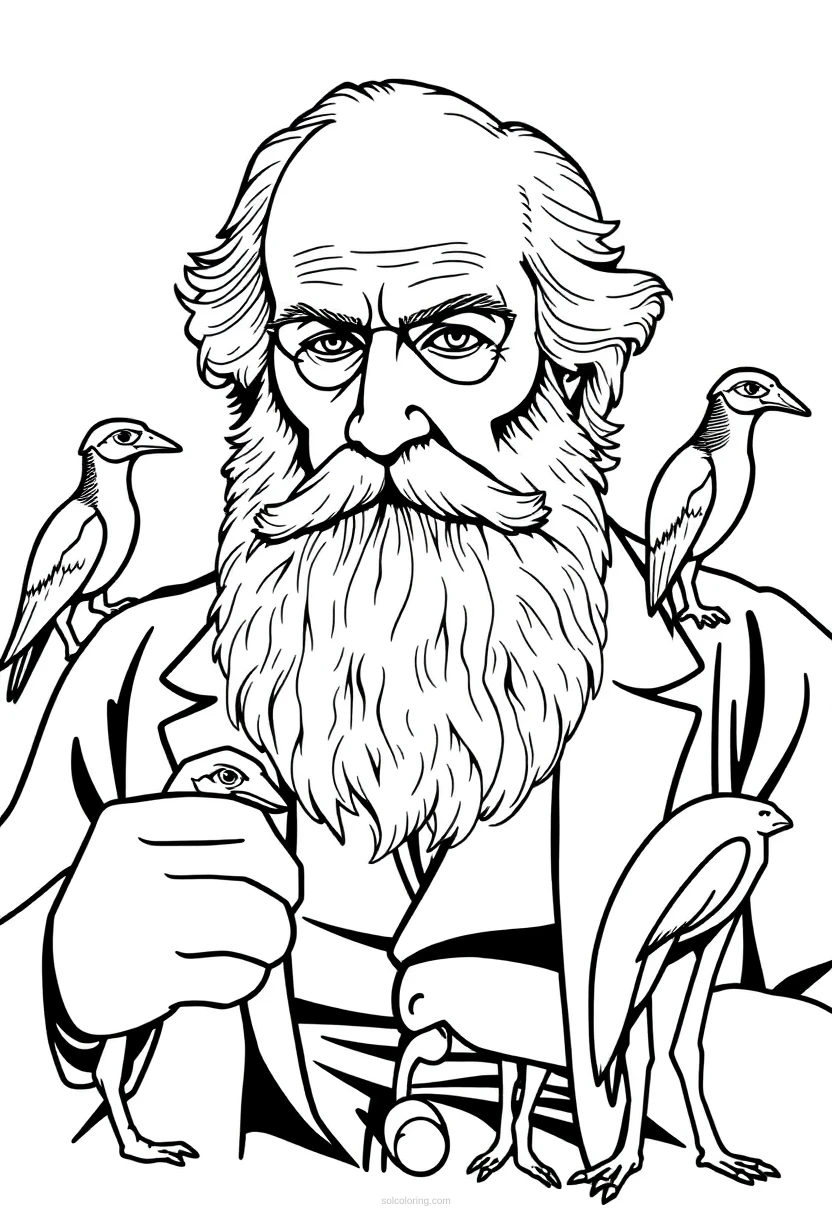
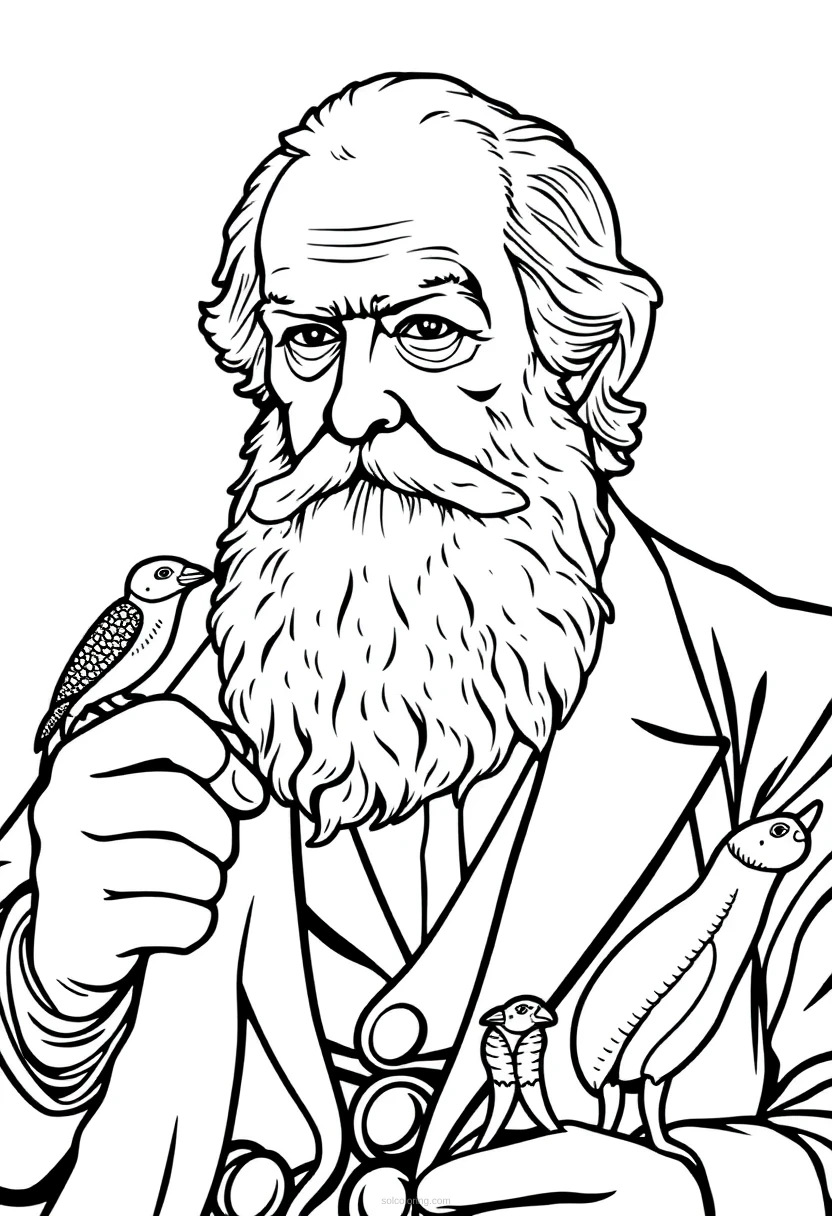
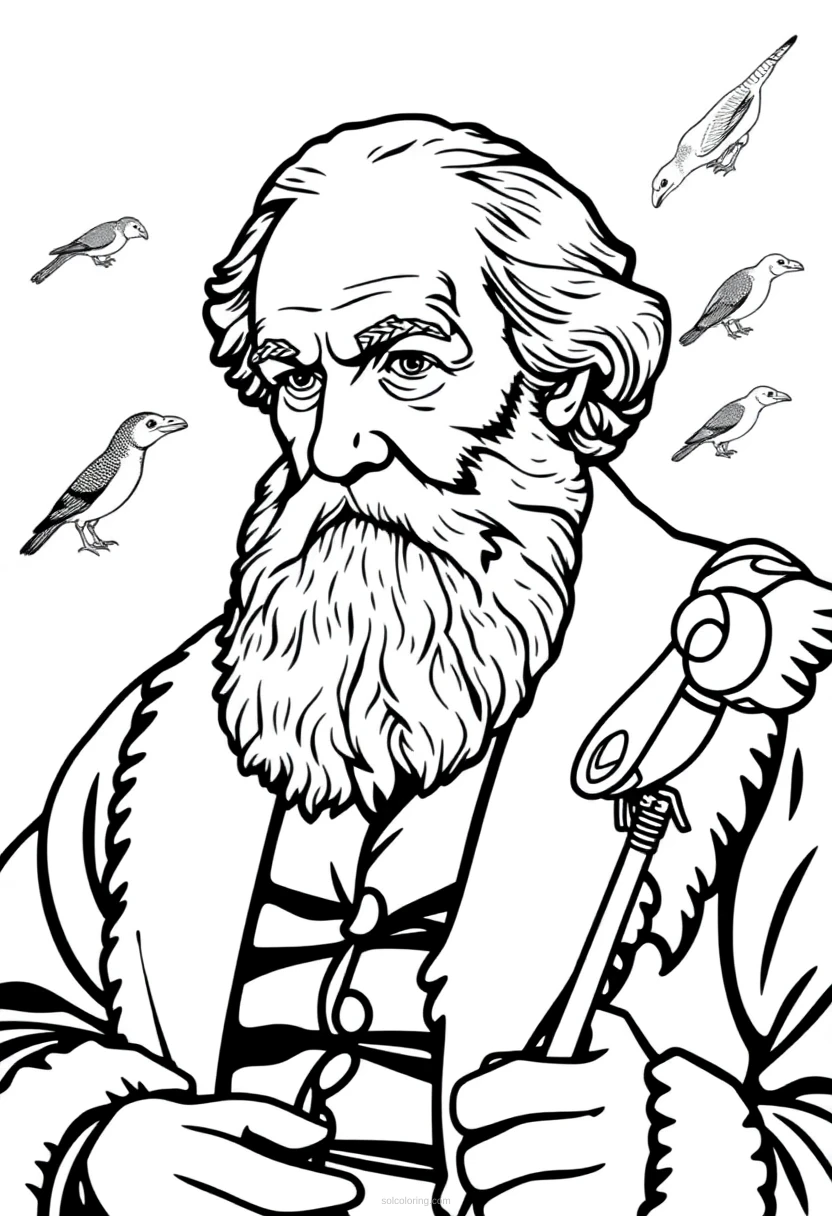
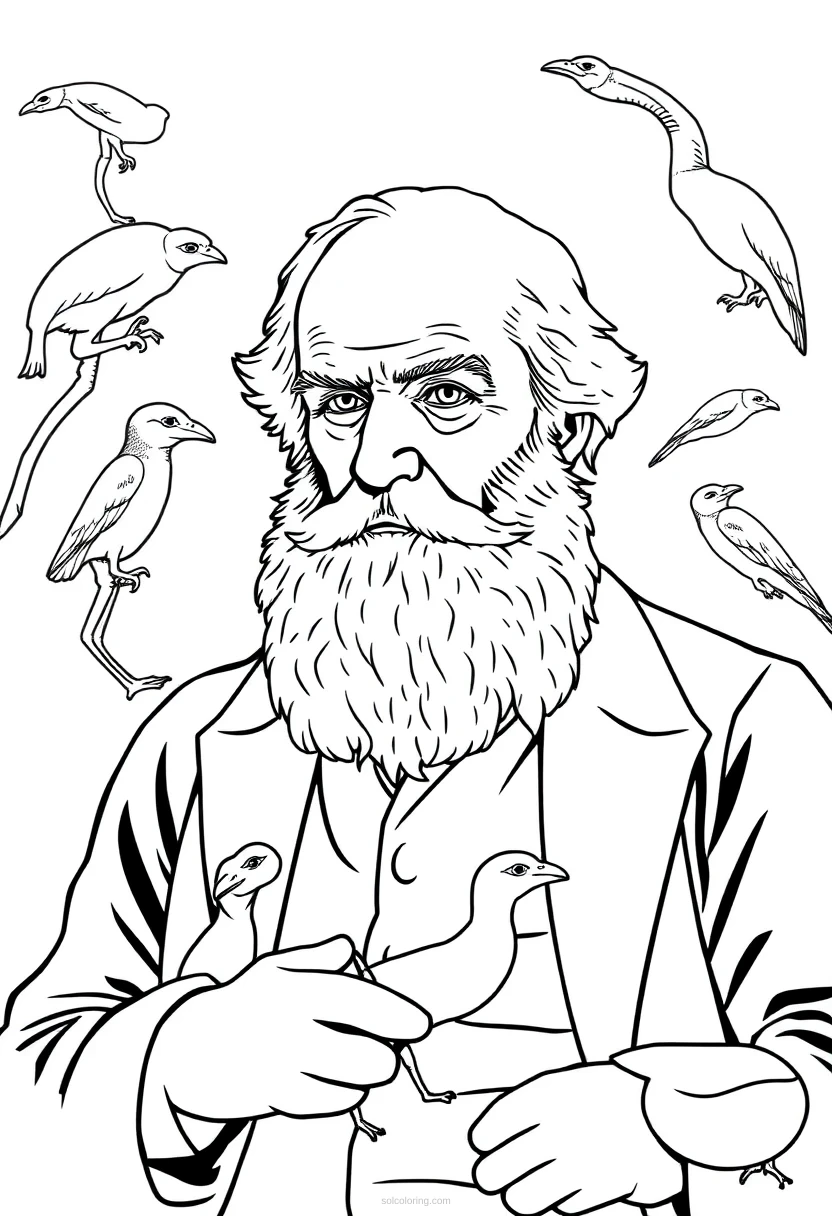
Charles Darwin With Evolution Specimens Coloring Pages
6 free printable designs including Standard, Standard, Standard, Standard and more.
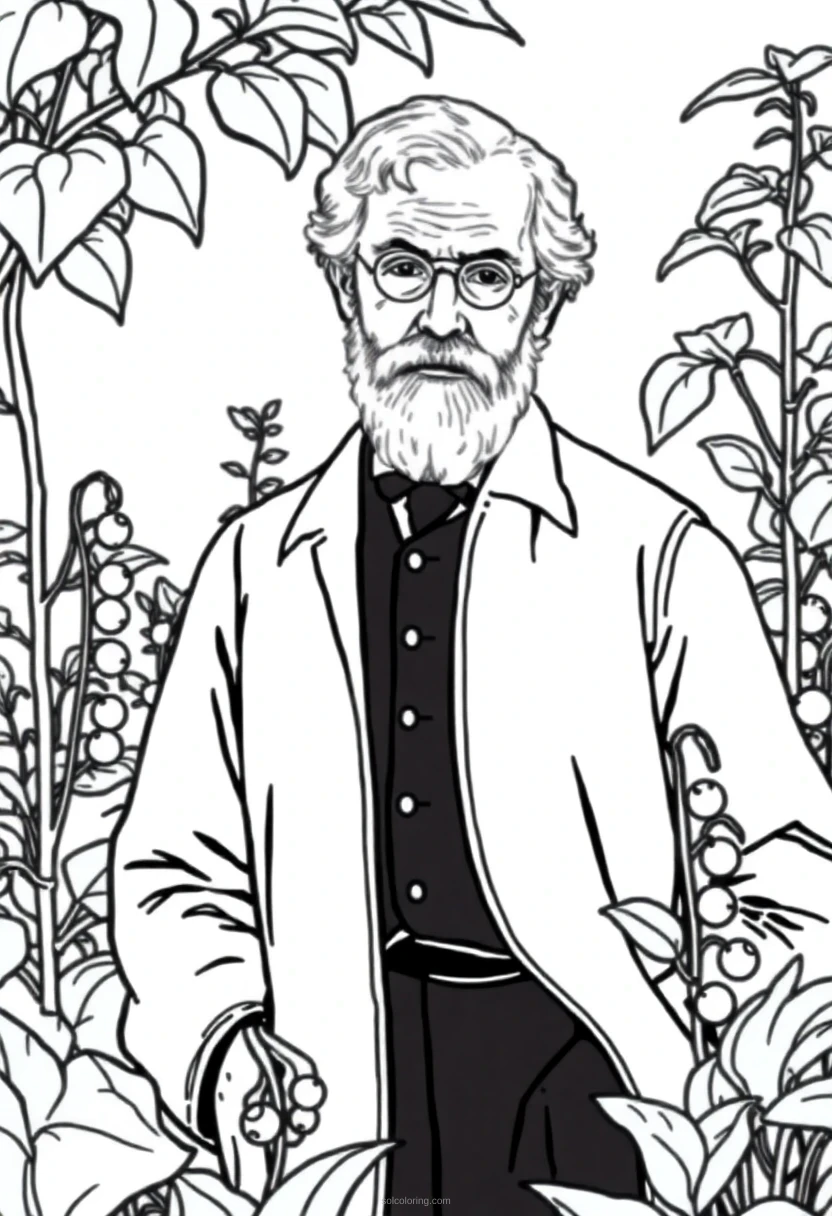
Charles Darwin revolutionized science by discovering the theory of evolution, forever changing how we understand life on Earth. During his famous voyage on the HMS Beagle, Darwin collected specimens and made observations that led to his groundbreaking ideas about natural selection. This free printable coloring page brings together Darwin himself with the fascinating creatures and plants he studied, from finches to tortoises. By coloring this free printable coloring page, you can explore the scientist who answered one of humanity's greatest questions: how did all life on Earth become so wonderfully different?
Read more →Read less ↑
Choose a style
Did you know?
Fun facts about Charles Darwin With Evolution Specimens
Charles Darwin was afraid of public speaking and kept his revolutionary evolution theory secret for over 20 years before publishing it because he worried about how people would react.
Darwin brought live giant tortoises back from the Galapagos Islands, and some lived so long that they survived into the 20th century in zoos.
As a young man, Darwin almost didn't join the HMS Beagle voyage because his father thought it was a waste of time, but his uncle convinced him to go.
Darwin suffered from mysterious illnesses throughout his life, possibly related to stress from his groundbreaking work, and he spent many years as a recluse in his country home.
The theory of evolution wasn't actually new when Darwin published it, but his detailed evidence from the HMS Beagle voyage finally proved it was real and convinced the scientific world.
About Charles Darwin With Evolution Specimens
Who was Charles Darwin and why is he famous?
Charles Darwin was a British naturalist born in 1809 who proposed the theory of evolution through natural selection. His ideas explained how all living things share common ancestors and change over time to survive in their environments. Darwin's work became the foundation of modern biology and changed science forever.
What was the HMS Beagle voyage and why was it important?
The HMS Beagle was a ship that sailed around the world from 1831 to 1836, with young Darwin aboard as a naturalist. During this five-year journey, Darwin visited the Galapagos Islands and collected thousands of specimens including finches with different beak shapes. These observations sparked his revolutionary ideas about how species adapt and change.
What are Darwin's finches and why do they matter?
Darwin's finches were birds from the Galapagos Islands with different beak shapes suited to different foods. Some had thick beaks for cracking seeds, while others had thin beaks for catching insects. This variety inspired Darwin's theory that species change over time to better survive in their environments through natural selection.
What is natural selection and how did Darwin discover it?
Natural selection means organisms with traits best suited to their environment survive and have more offspring, passing those traits along. Darwin noticed that animals like giant tortoises varied between islands, and that finch beaks matched available food sources. These observations led him to realize life adapts over generations to environmental challenges.
How did people react when Darwin published his evolution theory?
Many people were shocked by Darwin's ideas because they seemed to contradict religious teachings about creation. Some people rejected evolution, while scientists eventually embraced it as the explanation for life's incredible diversity. Today, evolution is supported by evidence from fossils, DNA, and modern biology.
What specimens did Darwin collect and study during his travels?
Darwin collected plants, animals, rocks, and fossils from around the world, including finches, tortoises, mockingbirds, and marine creatures. He preserved specimens in jars and bottles, carefully studying their features. These collections from South America, Africa, Australia, and island regions provided crucial evidence for understanding how species relate to each other.
More Scientists coloring pages
Coloring page FAQs
Are these Charles Darwin With Evolution Specimens coloring pages free?
Yes, absolutely! All of our Charles Darwin With Evolution Specimens coloring pages are completely free to download and print. There are no hidden fees, subscriptions, or paywalls. Simply visit Sol Coloring, select your favorite design, and print it instantly from home.
What age are these Charles Darwin With Evolution Specimens coloring pages for?
These coloring pages are perfect for ages 8 to 14, with varying detail levels to match different skill levels. Younger children can enjoy simpler designs with larger areas to color, while older kids and teens can tackle more intricate details and patterns.
How do I print these Charles Darwin With Evolution Specimens coloring pages?
Printing is simple and requires no signup. Download the PDF file, open it on your computer, and print to either A4 or Letter size paper using any standard home printer. You can print as many copies as you like for personal or educational use.