
Scientists
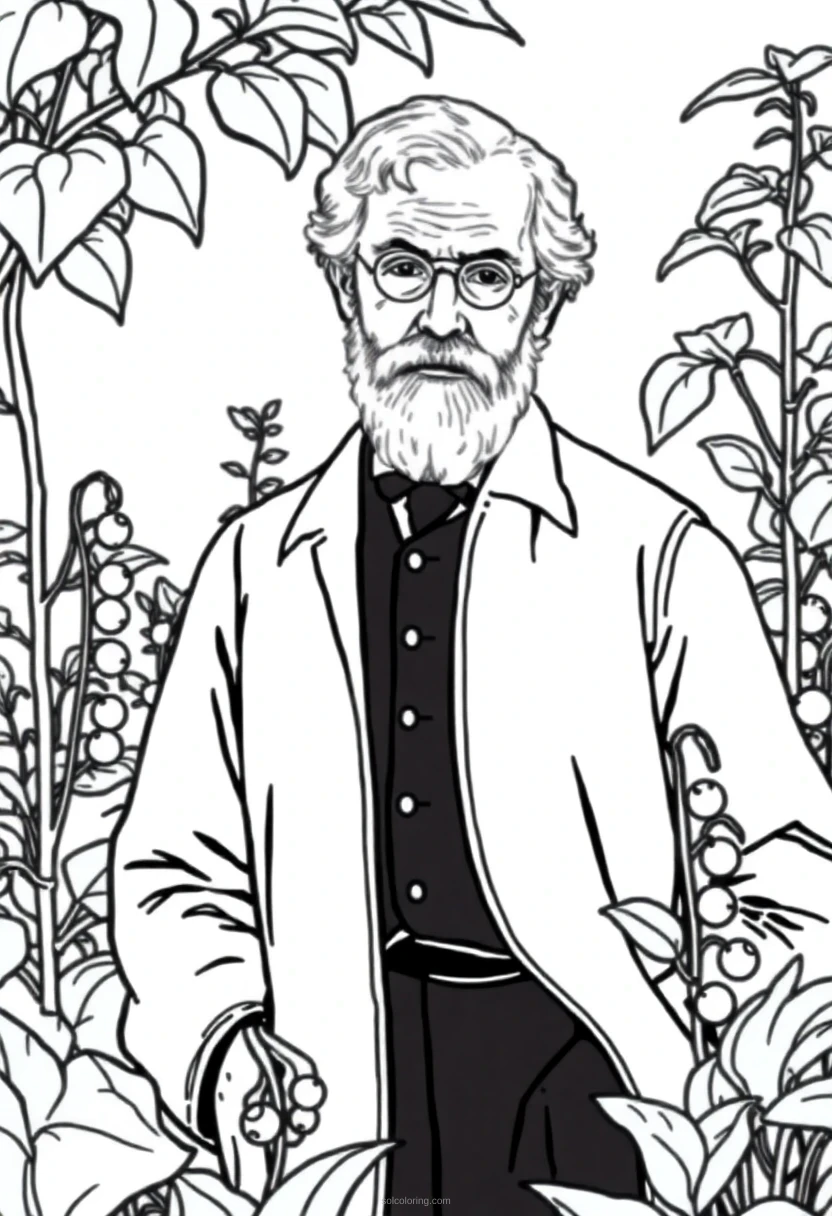
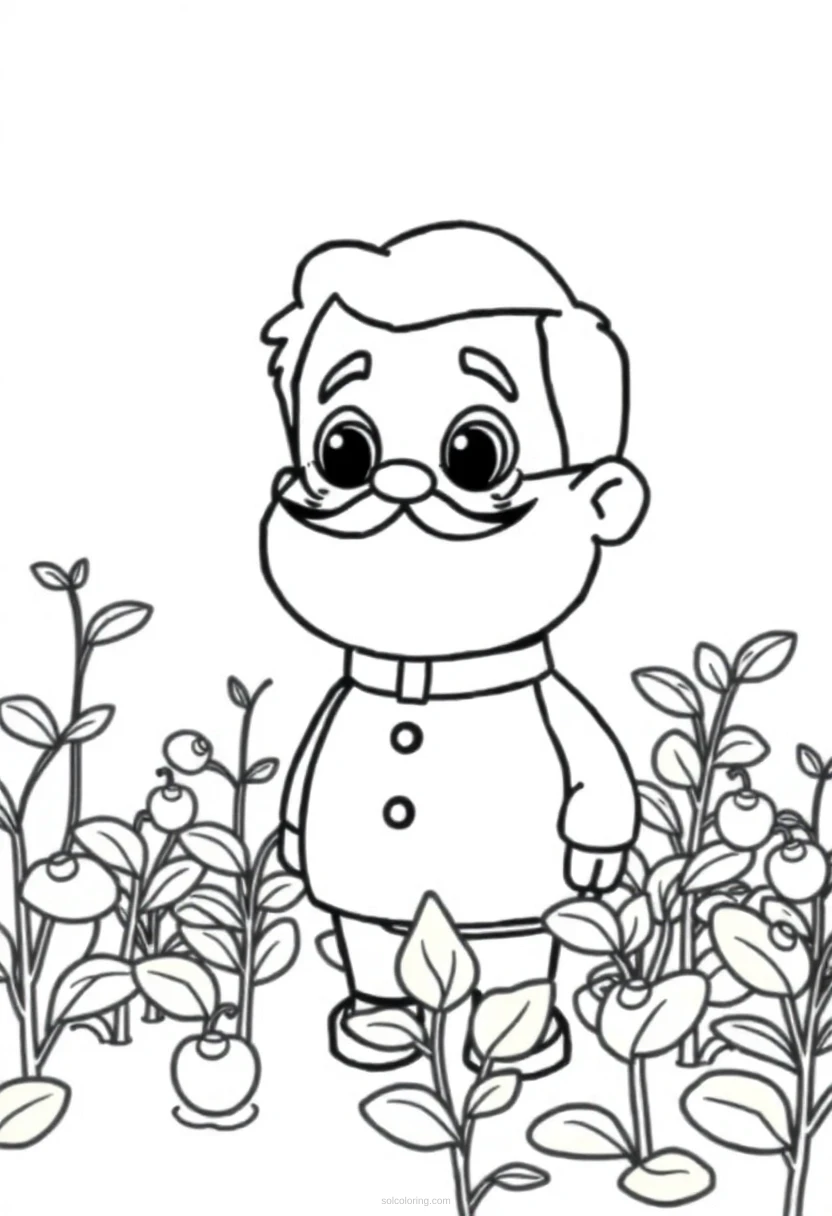
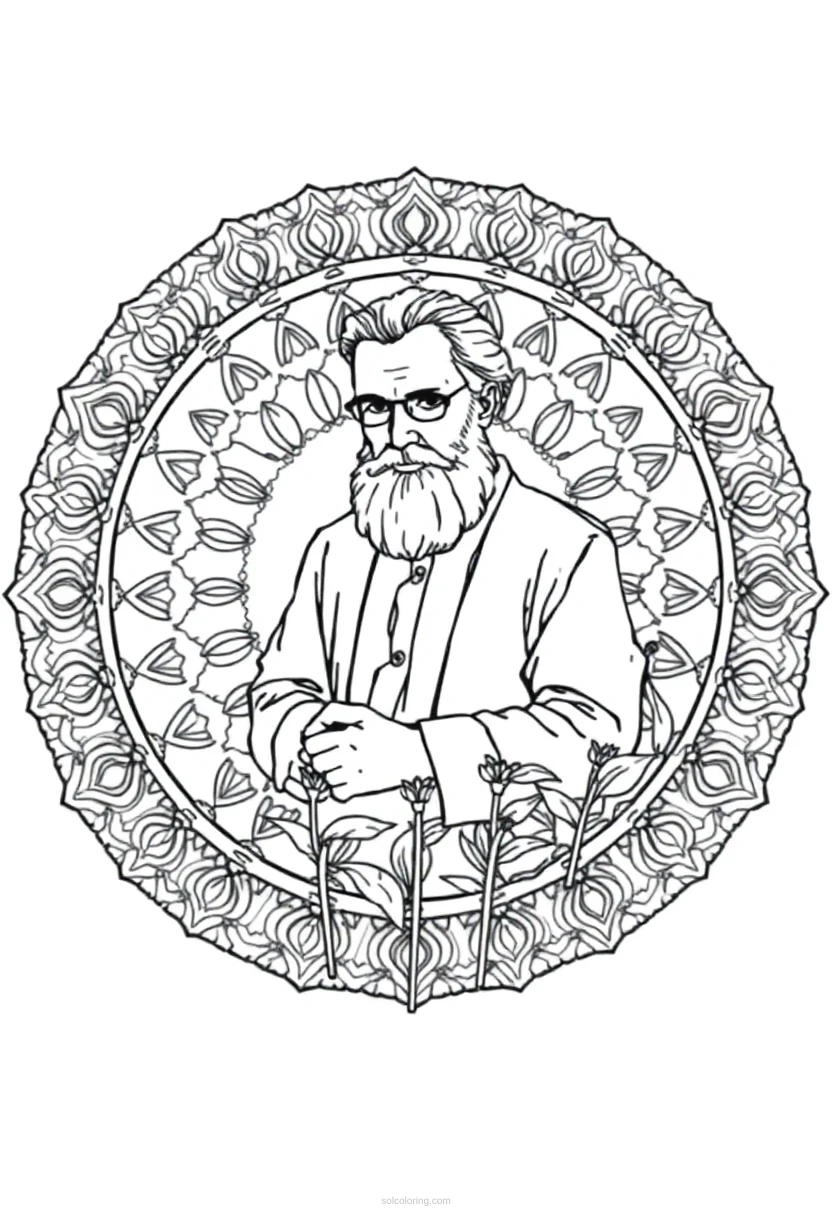
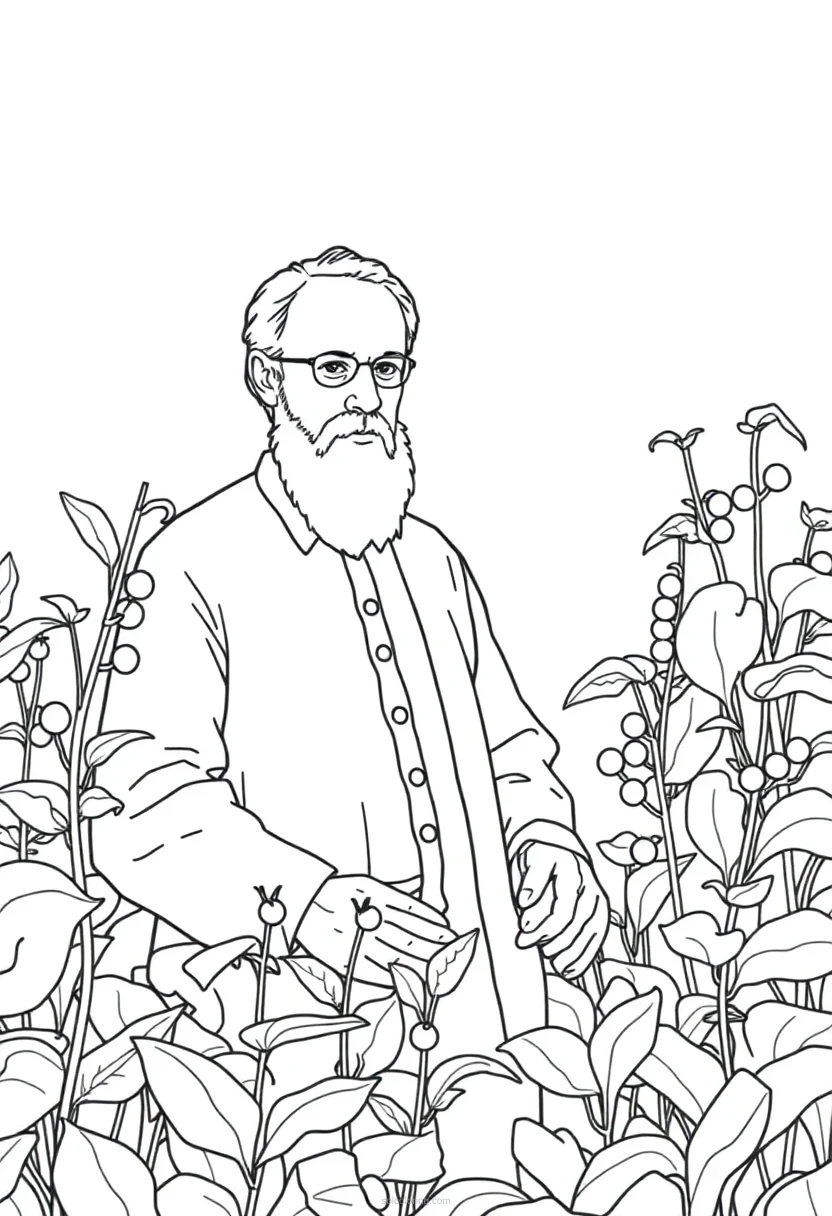
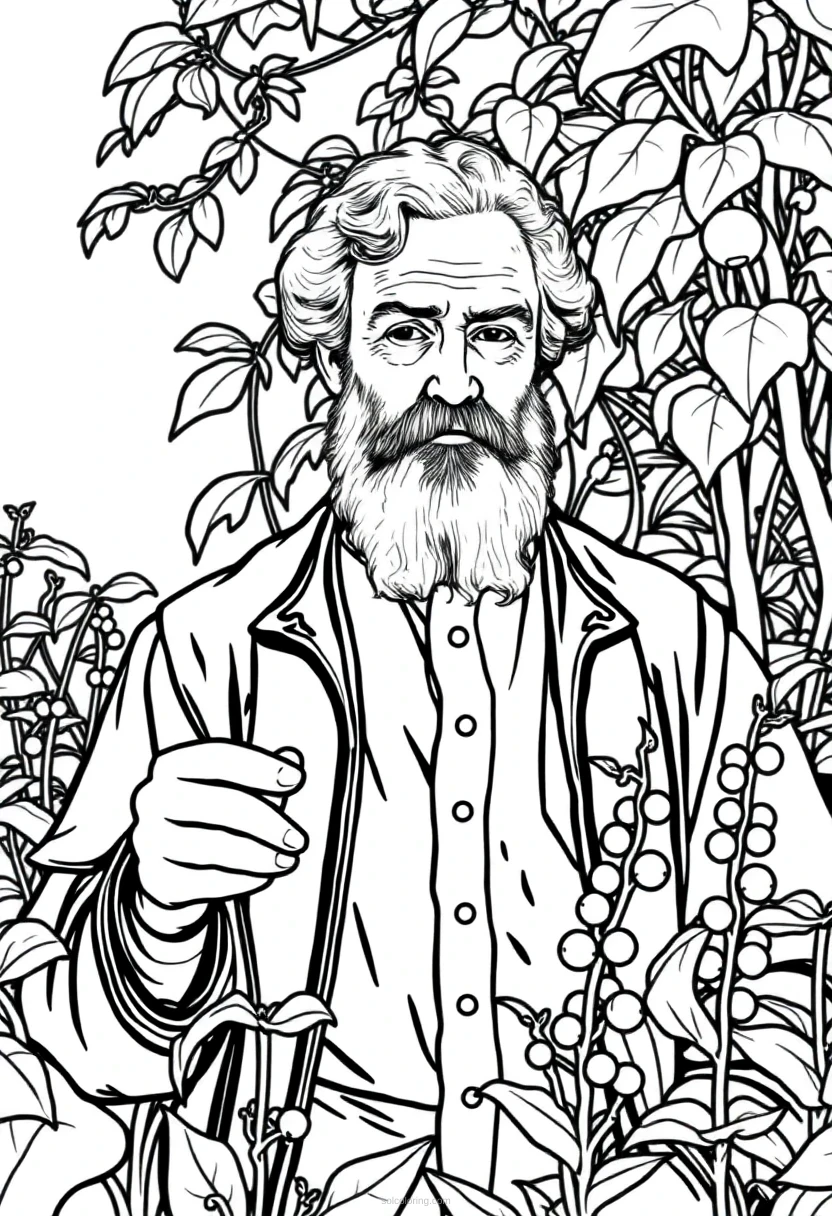
Gregor Mendel in Garden With Pea Plants Coloring Pages
6 free printable designs including Standard, Standard, Standard, Standard and more.
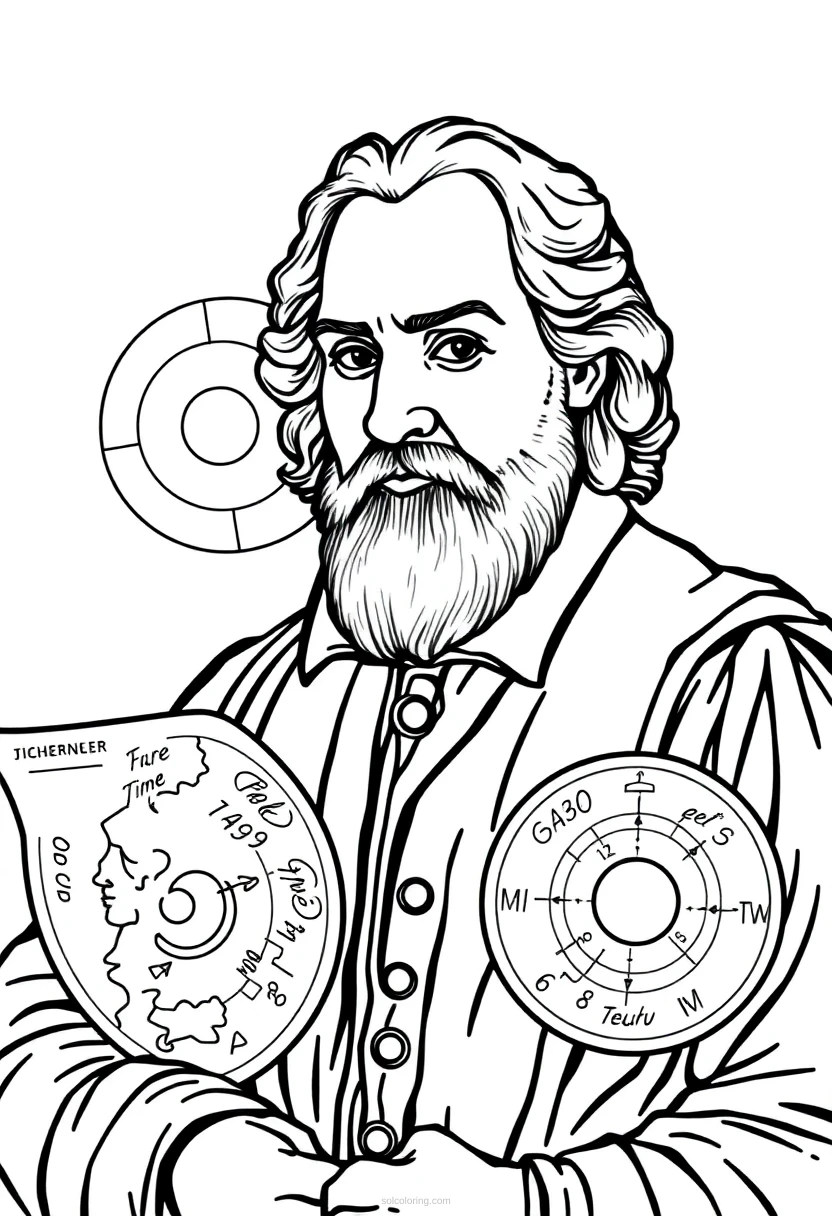
Discover the fascinating world of Gregor Mendel, the father of genetics, through this engaging free printable coloring page. Watch as Mendel tends his famous pea plant garden, where he conducted groundbreaking experiments that revealed the secrets of inheritance. This free printable coloring page brings to life the moment when a humble friar revolutionized science by discovering how traits pass from parent plants to offspring. Mendel's meticulous work with thousands of pea plants laid the foundation for modern genetics and biology. Perfect for young scientists curious about how we inherited our traits, this coloring page combines history, science, and creativity in one inspiring image.
Read more →Read less ↑
Choose a style

Did you know?
Fun facts about Gregor Mendel in Garden With Pea Plants
Gregor Mendel was an Augustinian friar who conducted his revolutionary genetics experiments in his monastery garden in Brno, which is now in the Czech Republic.
Mendel studied seven different traits in pea plants, and each one followed the exact same mathematical inheritance pattern, which astonished him.
Before becoming a scientist, Mendel failed his teaching exams twice and was largely overlooked by the scientific establishment of his era.
Mendel's work was completely forgotten and rediscovered in 1900 by three different scientists working independently, all within the same year.
If Mendel had lived just a few more years, he would have witnessed the resurgence of interest in his work and finally received the recognition he deserved.
About Gregor Mendel in Garden With Pea Plants
Who was Gregor Mendel and why is he famous?
Gregor Mendel was an Augustinian friar and scientist born in 1822 who discovered the fundamental laws of inheritance through experiments with pea plants. His work, conducted in his monastery garden between 1856 and 1863, revealed how traits pass from parents to offspring in predictable patterns. Though largely ignored during his lifetime, his discoveries became the foundation of modern genetics after his death.
What made Mendel's pea plant experiments so special?
Mendel's genius lay in his methodical approach. He studied pea plants over multiple generations, tracking specific traits like seed color and plant height. He used mathematics to analyze his results, discovering that traits followed predictable ratios, like three dominant traits for every one recessive trait. This mathematical approach was revolutionary for biology at the time.
How many pea plants did Mendel study in his experiments?
Mendel cultivated and studied approximately 28,000 pea plants across his eight years of experimentation. This enormous sample size gave his findings tremendous statistical power. He carefully documented inherited traits across generations, tracking thousands of individual plants to ensure his observations were reliable and repeatable.
What is the significance of Mendel's laws of inheritance?
Mendel's three laws explain how traits are inherited: the Law of Segregation, the Law of Independent Assortment, and the Law of Dominance. These laws showed that inheritance isn't random but follows mathematical patterns. His work provided the framework for understanding DNA and genetic variation, making him essential to modern biology and medicine.
Did Mendel's work receive recognition during his lifetime?
Unfortunately, no. Mendel published his findings in 1866, but the scientific community largely ignored his work. His monastery duties and lack of fame in the scientific world meant few read his paper. It wasn't until 1900, sixteen years after his death, that three scientists independently rediscovered his work and recognized its enormous importance.
Why did Mendel choose pea plants for his experiments?
Pea plants were ideal for genetic studies. They had easily observable traits like seed color and plant height, reproduced quickly, and could self-pollinate or be cross-pollinated by hand. They were also easy and inexpensive to grow. Mendel likely chose them because they were practical, not because he somehow knew they'd reveal the secrets of genetics.
More Scientists coloring pages
Coloring page FAQs
Are these Gregor Mendel In Garden With Pea Plants coloring pages free?
Yes, absolutely! All our Gregor Mendel coloring pages are completely free to download and print. Simply visit Sol Coloring, select your favorite design, and print as many copies as you like. No account signup, no hidden fees, and no restrictions on printing at home.
What age are these Gregor Mendel In Garden With Pea Plants coloring pages for?
These free printable coloring pages are perfect for kids and adults aged 8 to 14. They feature detailed line work suitable for intermediate colorers who enjoy learning history and science. Younger children can enjoy simpler areas, while older kids appreciate the intricate garden details.
How do I print these Gregor Mendel In Garden With Pea Plants coloring pages?
Printing is easy and hassle-free. Download the free printable coloring page to your device, then print directly onto standard A4 or Letter-sized paper using your home printer. No special materials needed. You can print multiple copies anytime without registration.