Words
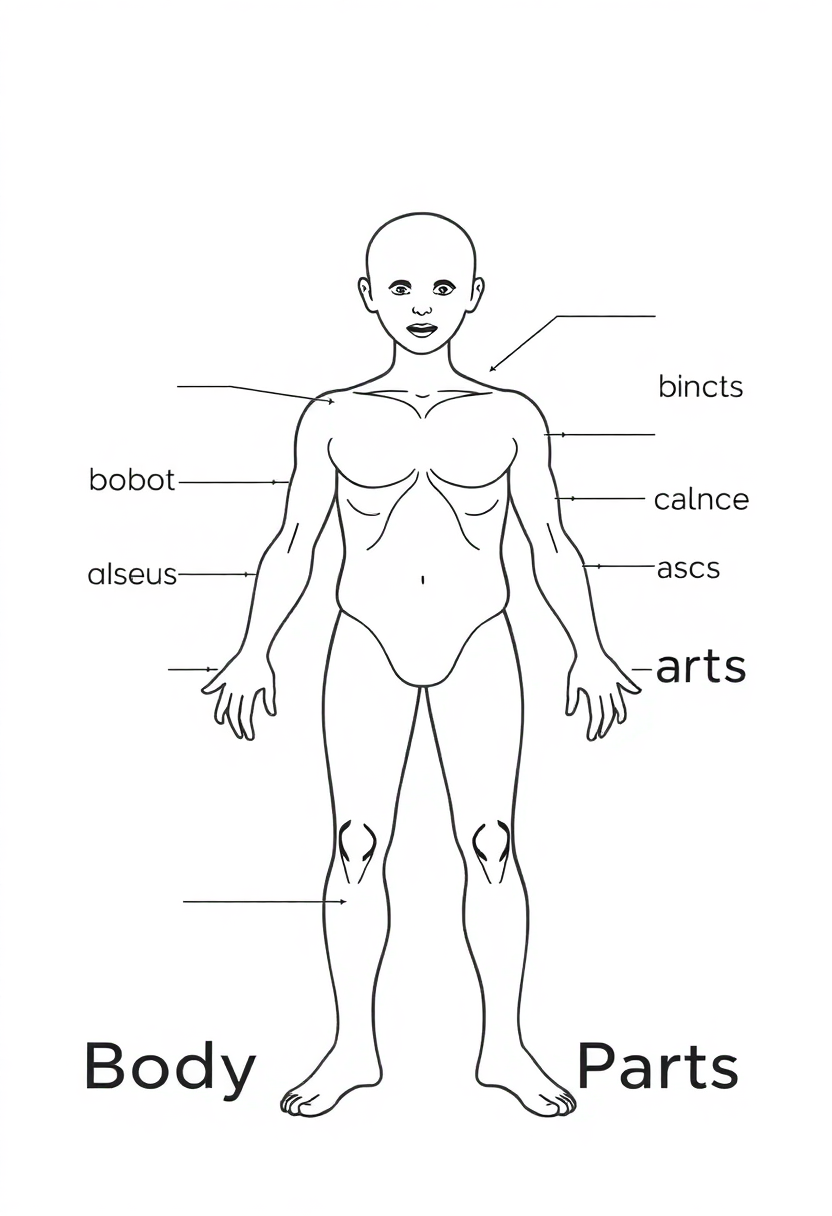
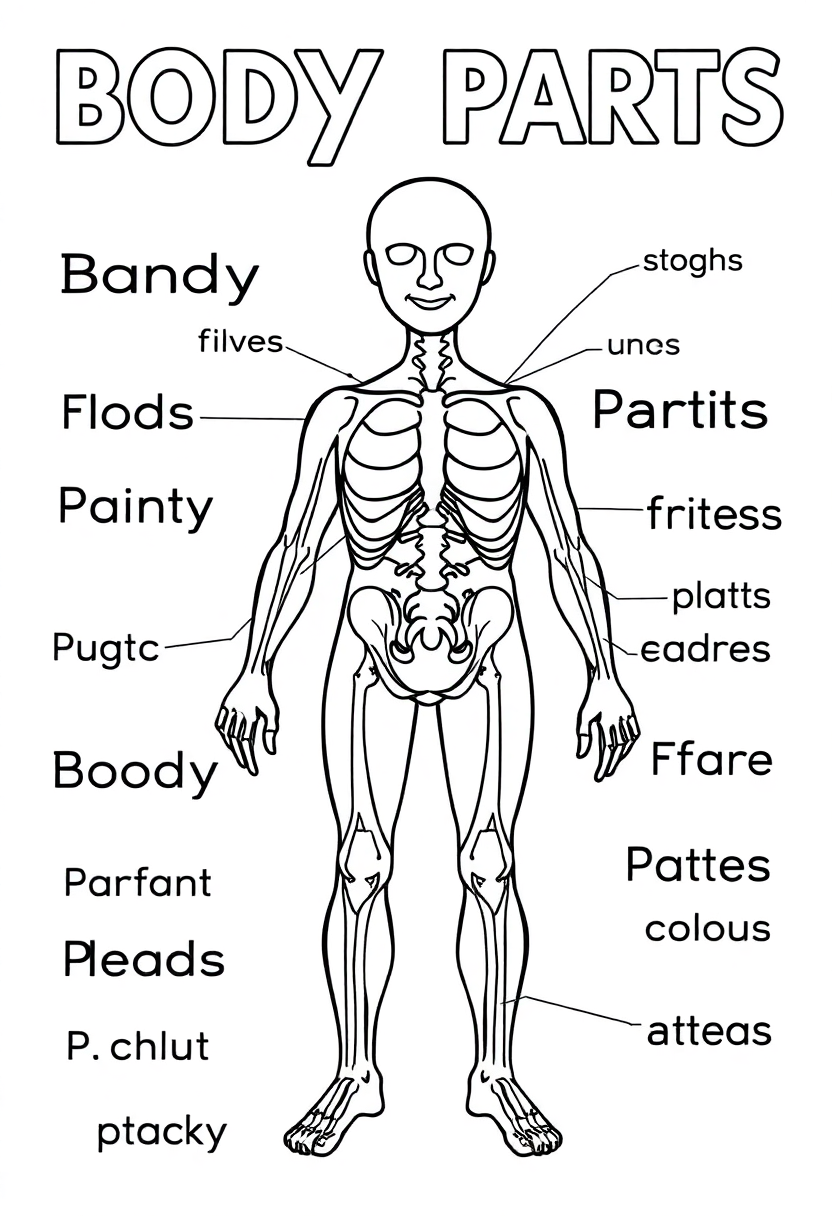
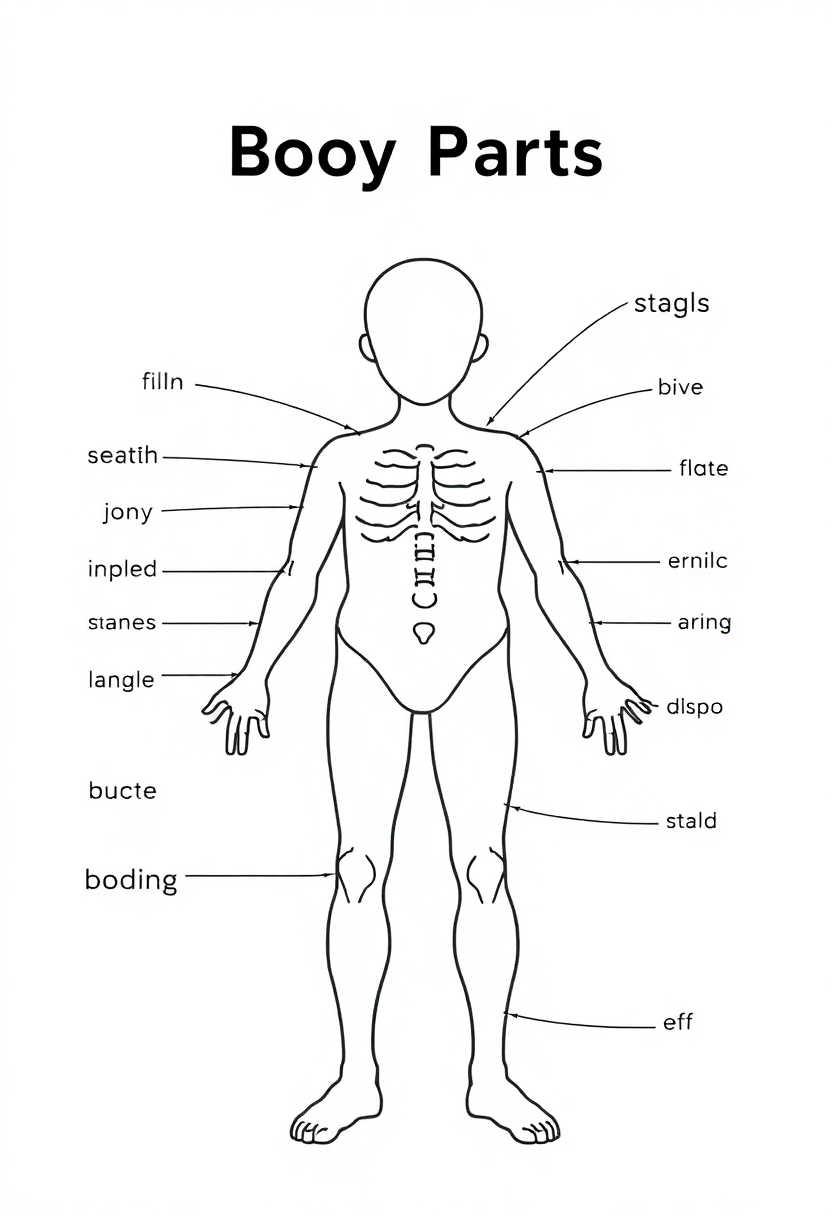
Body Parts Words Coloring Pages
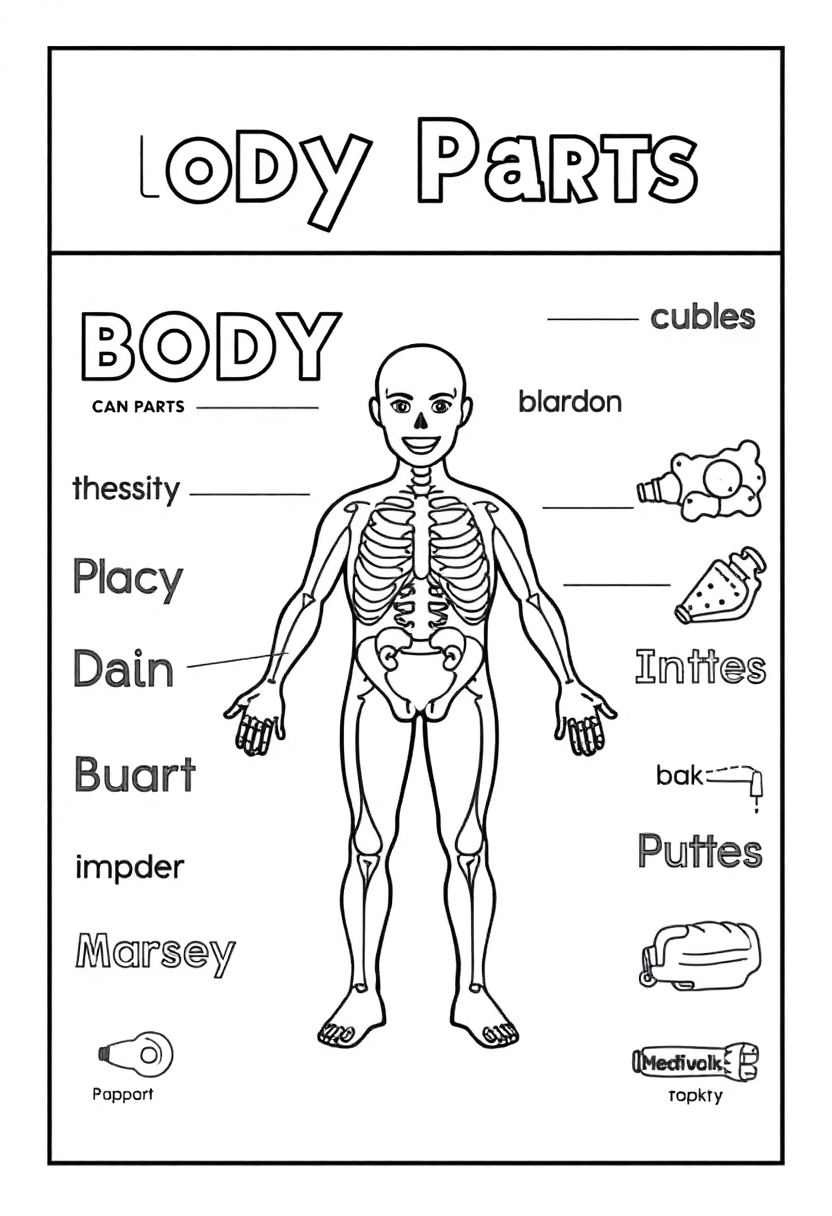
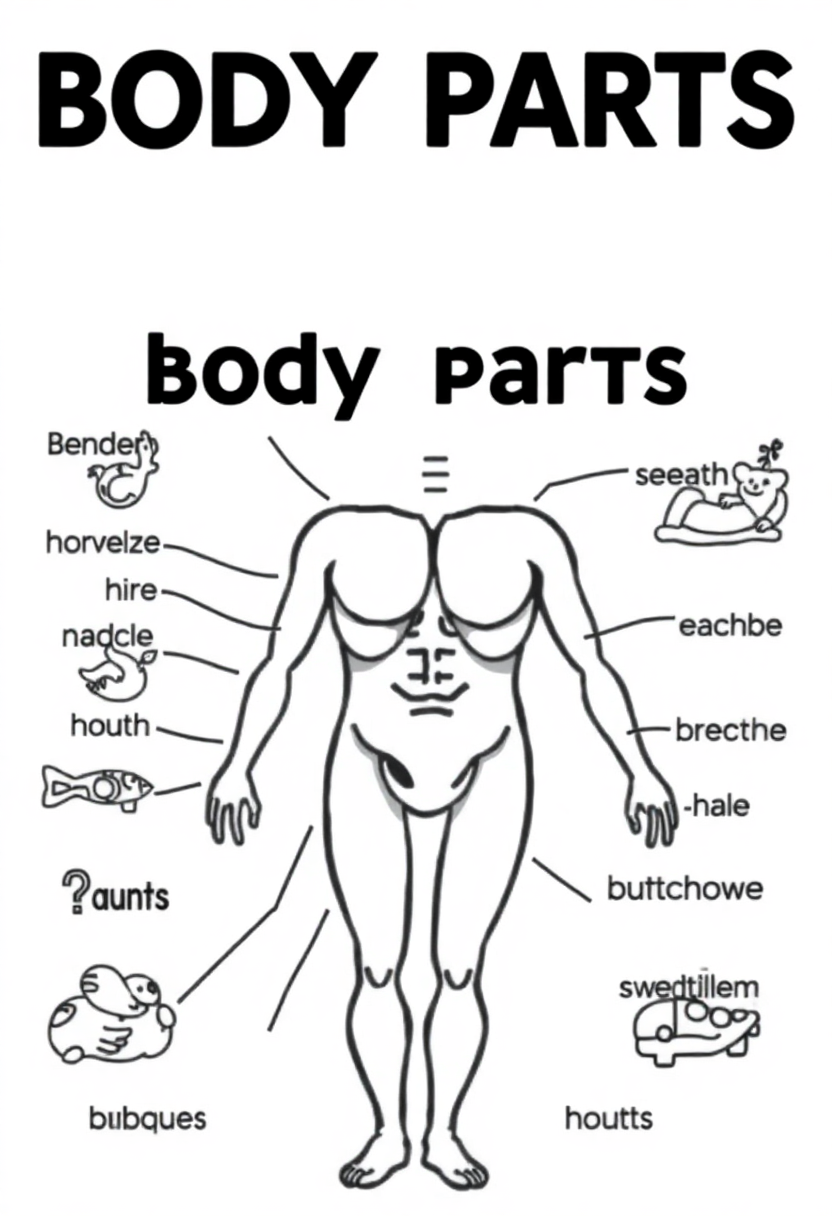
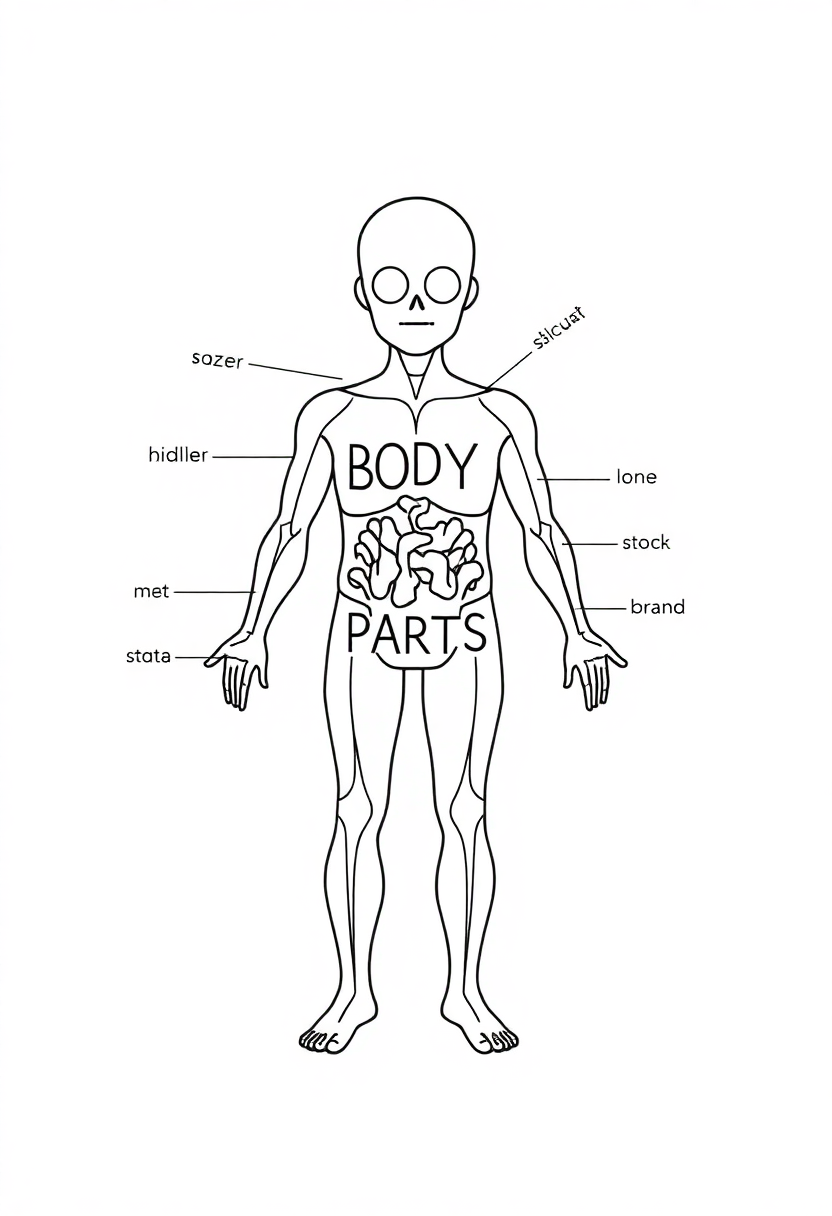
6 free printable designs including Standard, Standard, Standard, Standard and more.
Learning body parts vocabulary is essential for kids aged 8 to 14 as they develop language skills and anatomical awareness. Whether you're studying human anatomy, learning a new language, or simply expanding your vocabulary, understanding body parts helps you communicate effectively and understand how your body works. Our free printable coloring page combines fun artistic activity with educational word practice, making it perfect for classroom learning or at-home enrichment. These body parts word activities engage both creative and analytical thinking while reinforcing spelling and recognition skills. Download and print your free printable coloring page today to make learning vocabulary enjoyable and memorable.
Read more →Read less ↑
Choose a style
Did you know?
Fun facts about Body Parts Words
Your tongue is the only muscle in your body that's attached on only one end, making it incredibly flexible and capable of performing precise movements for eating and speaking.
Adults shed approximately 30,000 to 40,000 dead skin cells every minute, meaning your entire outer skin layer is replaced roughly every 28 days.
Your nose can remember approximately 1 trillion different scents, making it far more powerful than your eyes at distinguishing between different things in your environment.
The smallest bone in the human body is the stapes in your middle ear, measuring only 3.3 millimeters long and weighing less than a grain of salt.
Your heart pumps about 2,000 gallons of blood through your body every single day, traveling through approximately 60,000 miles of blood vessels if stretched out end to end.
About Body Parts Words
Why is learning body parts vocabulary important?
Body parts vocabulary is foundational for communication, health education, and language development. Students need this vocabulary to discuss health, describe injuries to doctors, participate in physical education, and understand medical information. It's one of the first vocabulary sets taught in language classes worldwide, making it essential for both native speakers and language learners.
How many bones does the human body have?
Adults have 206 bones, but babies are born with approximately 270 bones made of cartilage. As children grow, many of these bones fuse together, which is why kids have more bones than adults. Interestingly, the exact number can vary slightly between individuals based on anatomy.
What's the difference between muscles and bones?
Bones are hard, rigid structures that provide framework and support for your body, while muscles are soft tissues that attach to bones and contract to create movement. Bones protect organs and store minerals, whereas muscles enable action and generate heat. Together, they form the musculoskeletal system that lets you move and function.
Why do we have different types of joints in our body?
Different joints allow different types of movement based on their structure and function. Ball-and-socket joints like shoulders enable rotation, hinge joints like elbows allow bending, and pivot joints like the neck permit twisting. This variety ensures optimal movement and protection for different body regions and activities.
How do internal organs differ from external body parts?
External body parts are visible, like skin, hair, and ears, while internal organs are hidden inside the body cavity. Internal organs such as the heart, lungs, liver, and stomach perform vital functions like circulation, respiration, and digestion. Learning both types creates comprehensive anatomical understanding essential for health and science education.
What role does the nervous system play in body parts?
The nervous system connects your brain to all body parts through nerves, enabling communication and control. It transmits signals that allow muscles to contract, skin to feel sensations, and organs to function properly. Understanding this connection helps students grasp how body parts work together as an integrated system rather than independent structures.
More Words coloring pages
Coloring page FAQs
Are these Body Parts Words coloring pages free?
Yes, absolutely! All of our Body Parts Words coloring pages are completely free to download and print. Simply visit Sol Coloring, select your page, and print instantly without any signup, registration, or hidden fees. You can enjoy unlimited printing for home, school, or community use.
What age are these Body Parts Words coloring pages for?
These Body Parts Words coloring pages are designed for kids and adults aged 8 to 14, though they're enjoyable for any age. We offer varying difficulty levels: beginner pages focus on common body parts, while advanced versions include internal organs and specialized terminology for older learners.
How do I print these Body Parts Words coloring pages?
Printing is simple and straightforward. Download the PDF file to your computer, then open it with any PDF reader. Print on standard A4 or Letter-size paper using your home or school printer. No special software, account creation, or app installation is required.