Words
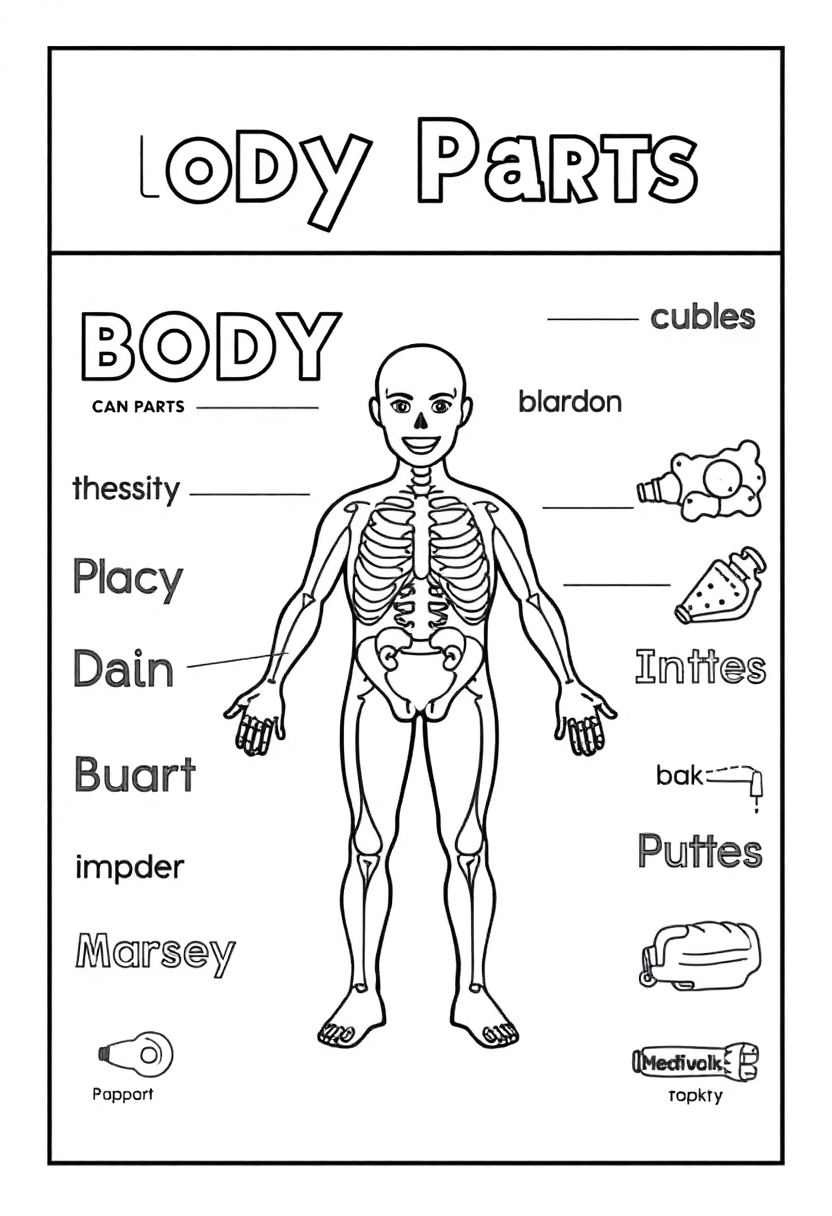
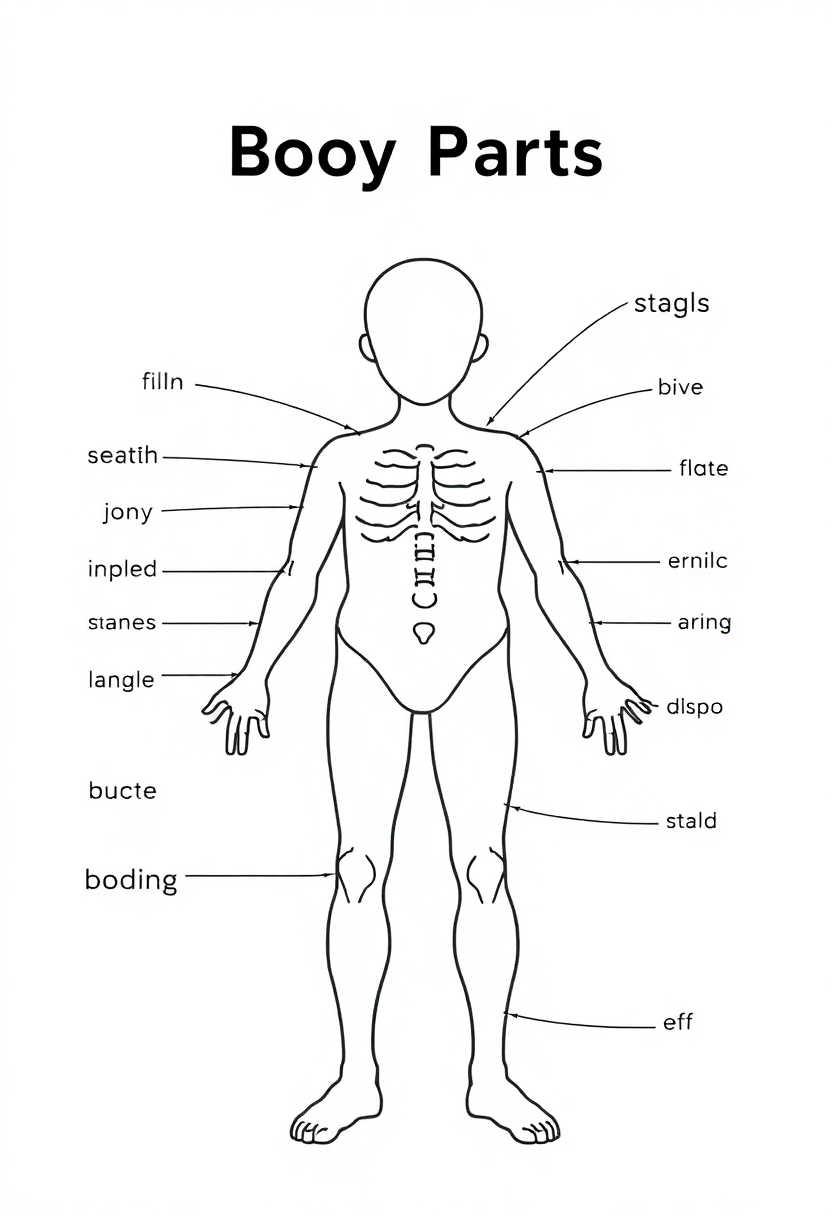
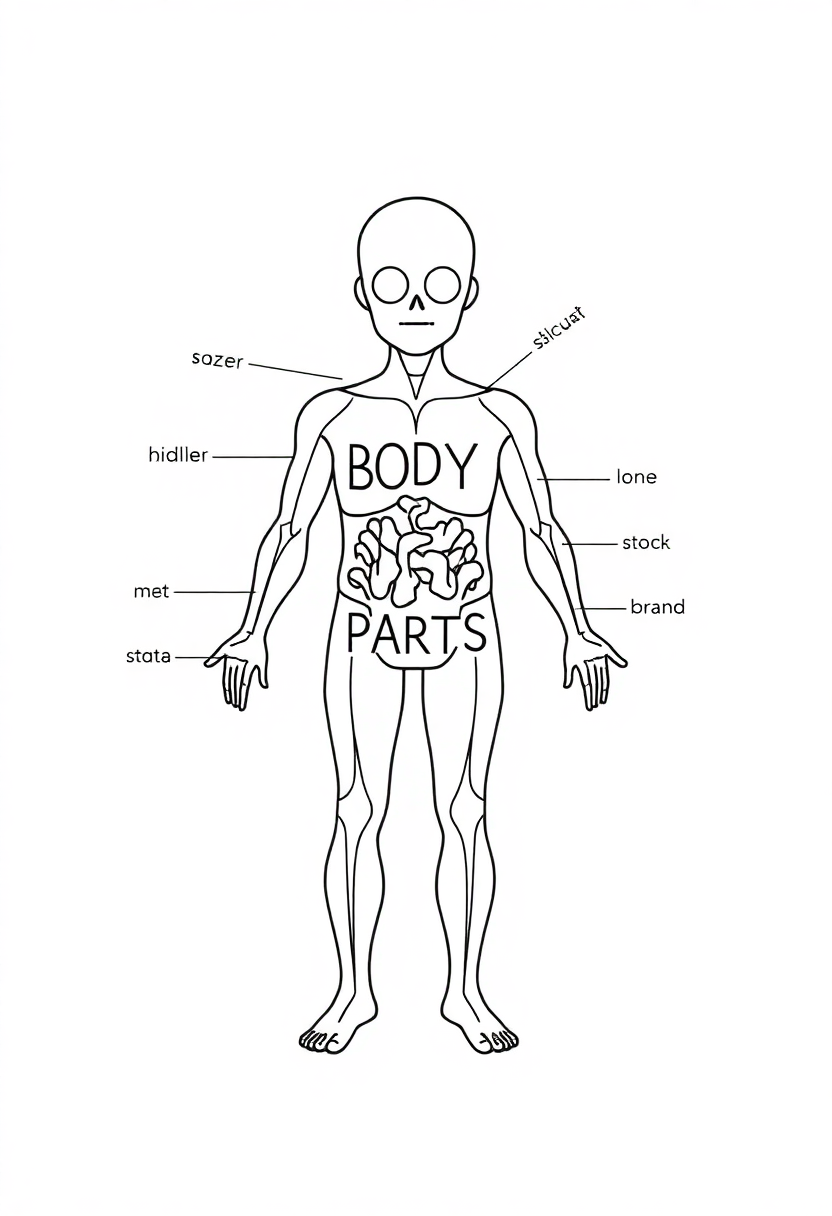
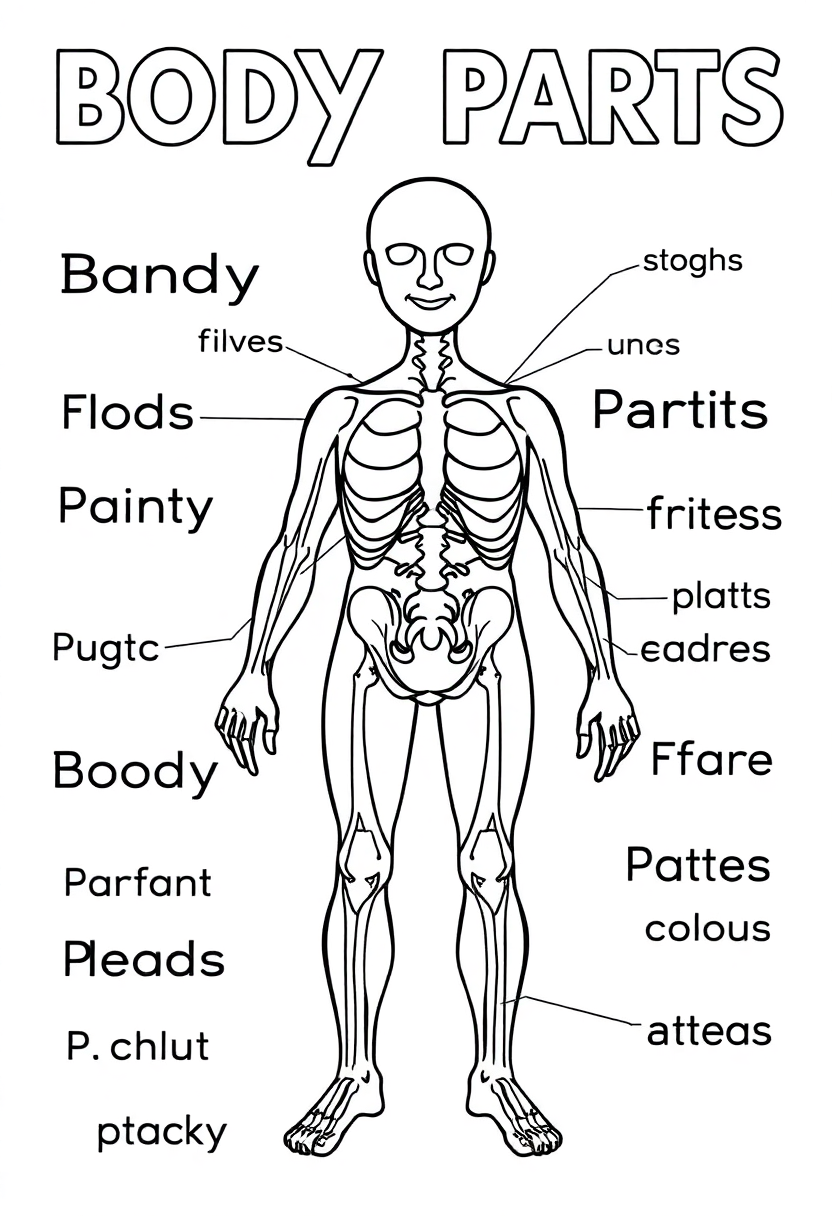
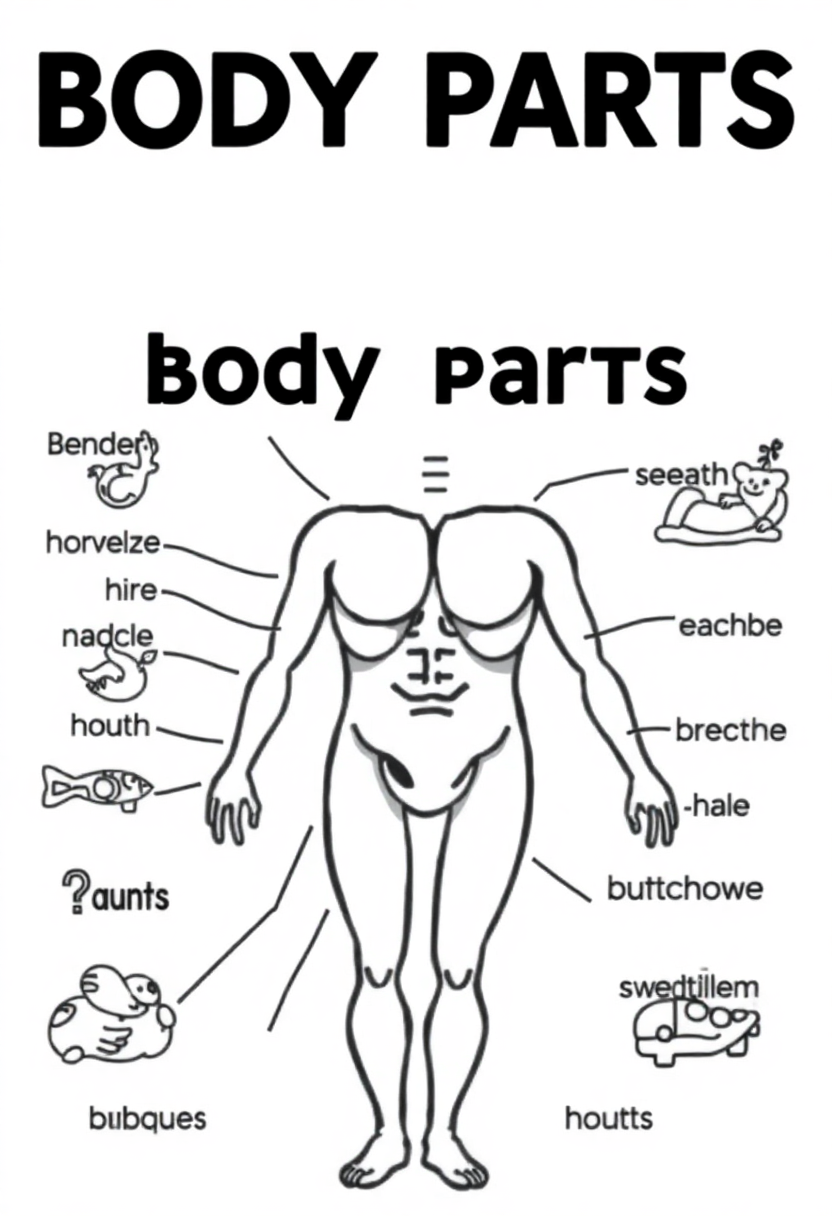
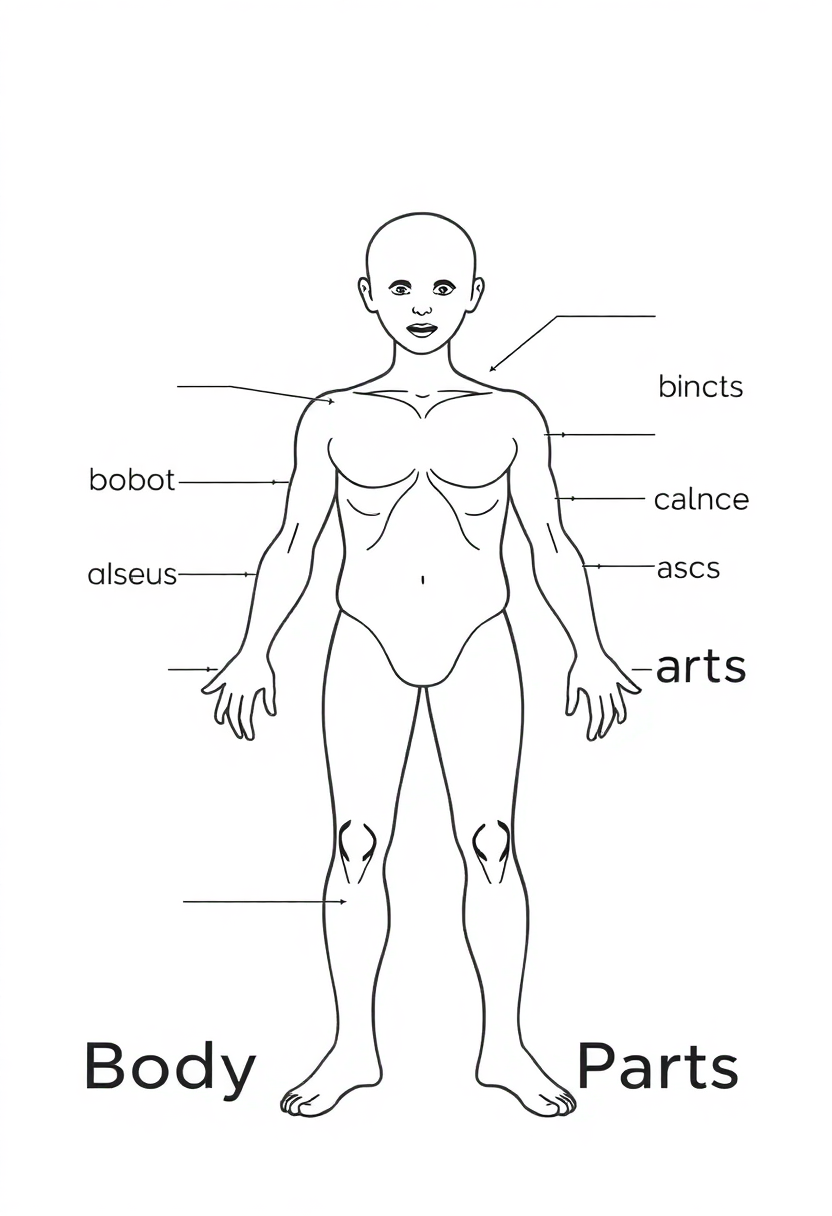
Body Parts Words Coloring Page
Standard style
About this coloring page
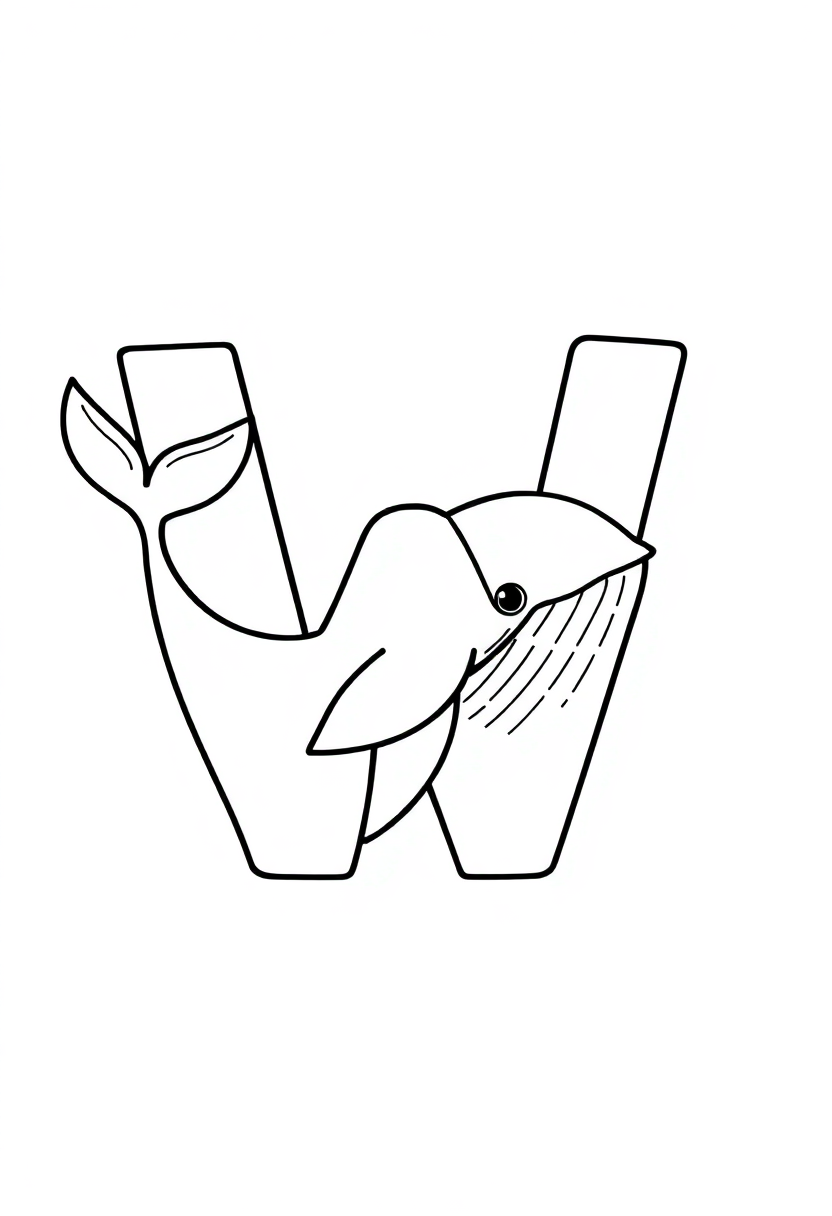
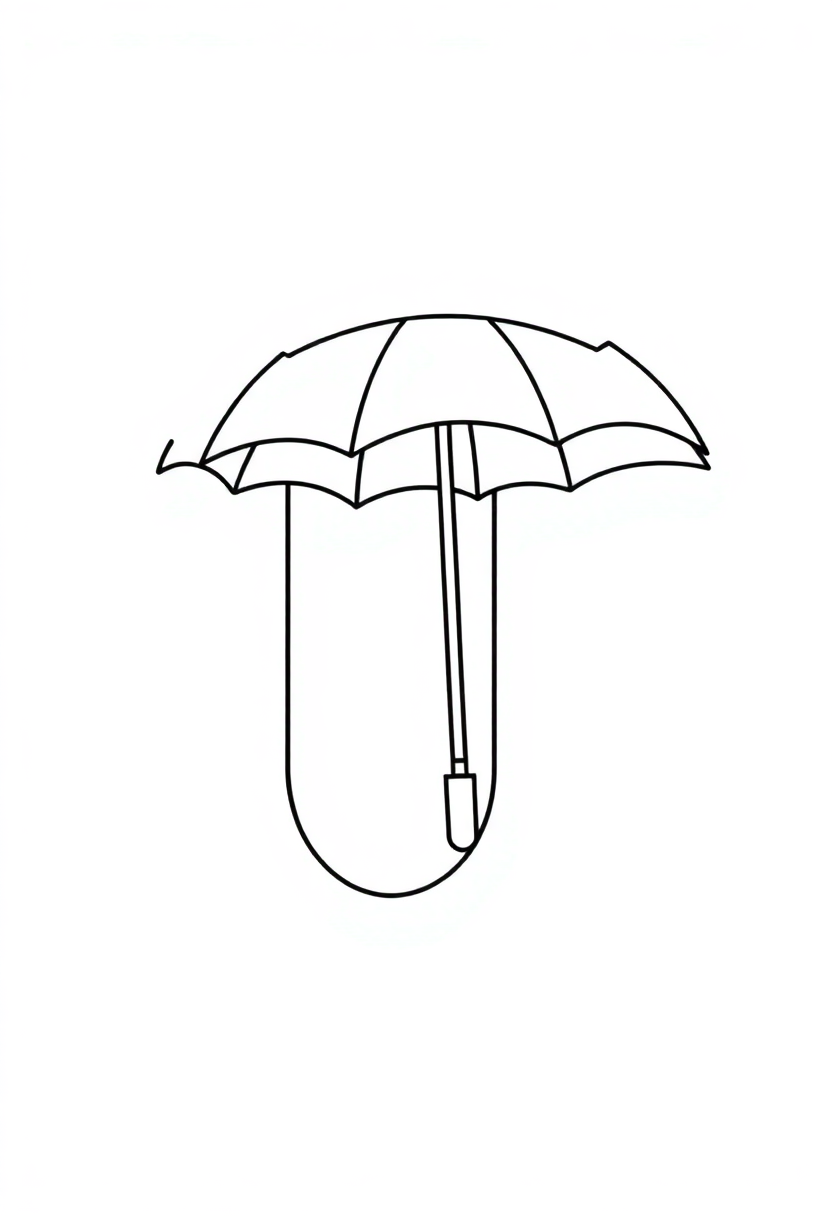
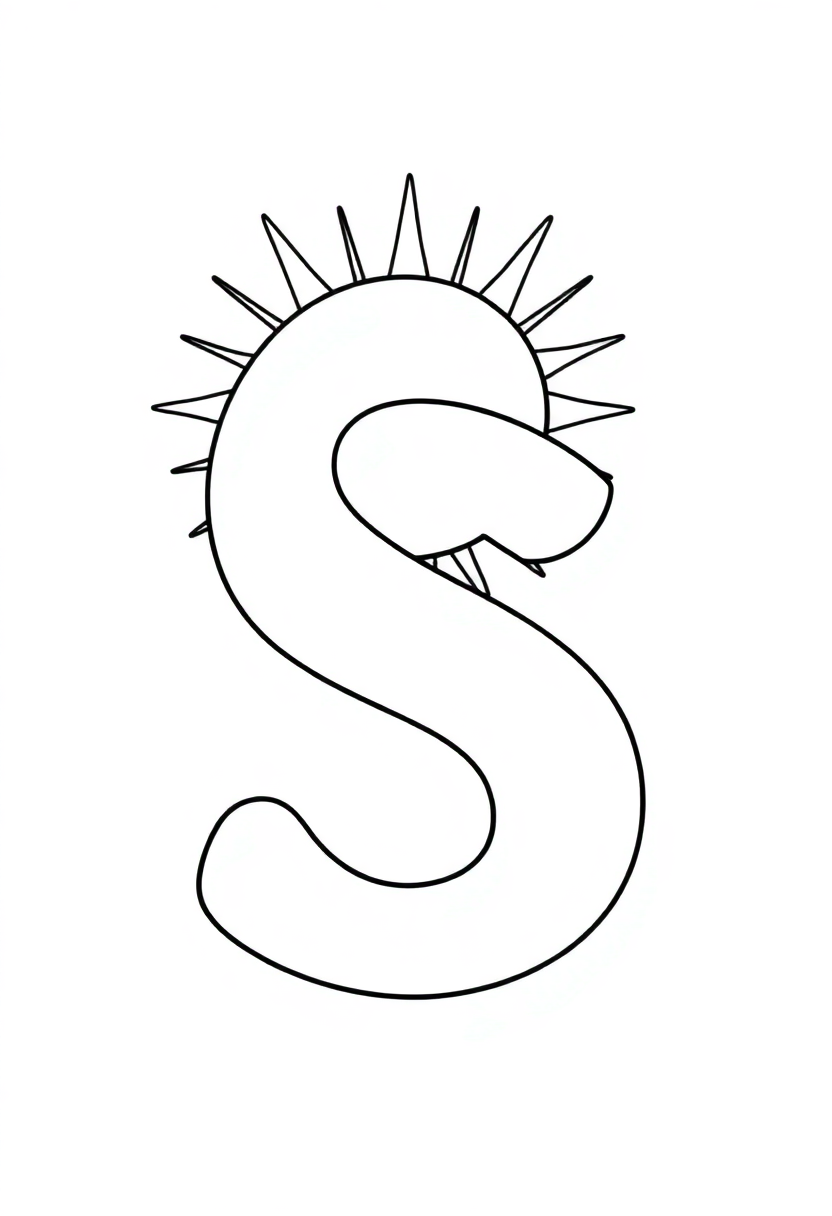
This engaging Body Parts Words coloring page features clear illustrations of various body parts paired with their corresponding words in bold, easy-to-read lettering. Perfect for young learners, this free printable combines educational vocabulary building with creative coloring fun, featuring thick outlines that make it ideal for children developing their fine motor skills.
Frequently asked
Why is learning body parts vocabulary important?
Body parts vocabulary is foundational for communication, health education, and language development. Students need this vocabulary to discuss health, describe injuries to doctors, participate in physical education, and understand medical information. It's one of the first vocabulary sets taught in language classes worldwide, making it essential for both native speakers and language learners.
How many bones does the human body have?
Adults have 206 bones, but babies are born with approximately 270 bones made of cartilage. As children grow, many of these bones fuse together, which is why kids have more bones than adults. Interestingly, the exact number can vary slightly between individuals based on anatomy.
What's the difference between muscles and bones?
Bones are hard, rigid structures that provide framework and support for your body, while muscles are soft tissues that attach to bones and contract to create movement. Bones protect organs and store minerals, whereas muscles enable action and generate heat. Together, they form the musculoskeletal system that lets you move and function.
Are these Body Parts Words coloring pages free?
Yes, absolutely! All of our Body Parts Words coloring pages are completely free to download and print. Simply visit Sol Coloring, select your page, and print instantly without any signup, registration, or hidden fees. You can enjoy unlimited printing for home, school, or community use.
What age are these Body Parts Words coloring pages for?
These Body Parts Words coloring pages are designed for kids and adults aged 8 to 14, though they're enjoyable for any age. We offer varying difficulty levels: beginner pages focus on common body parts, while advanced versions include internal organs and specialized terminology for older learners.