Scientists
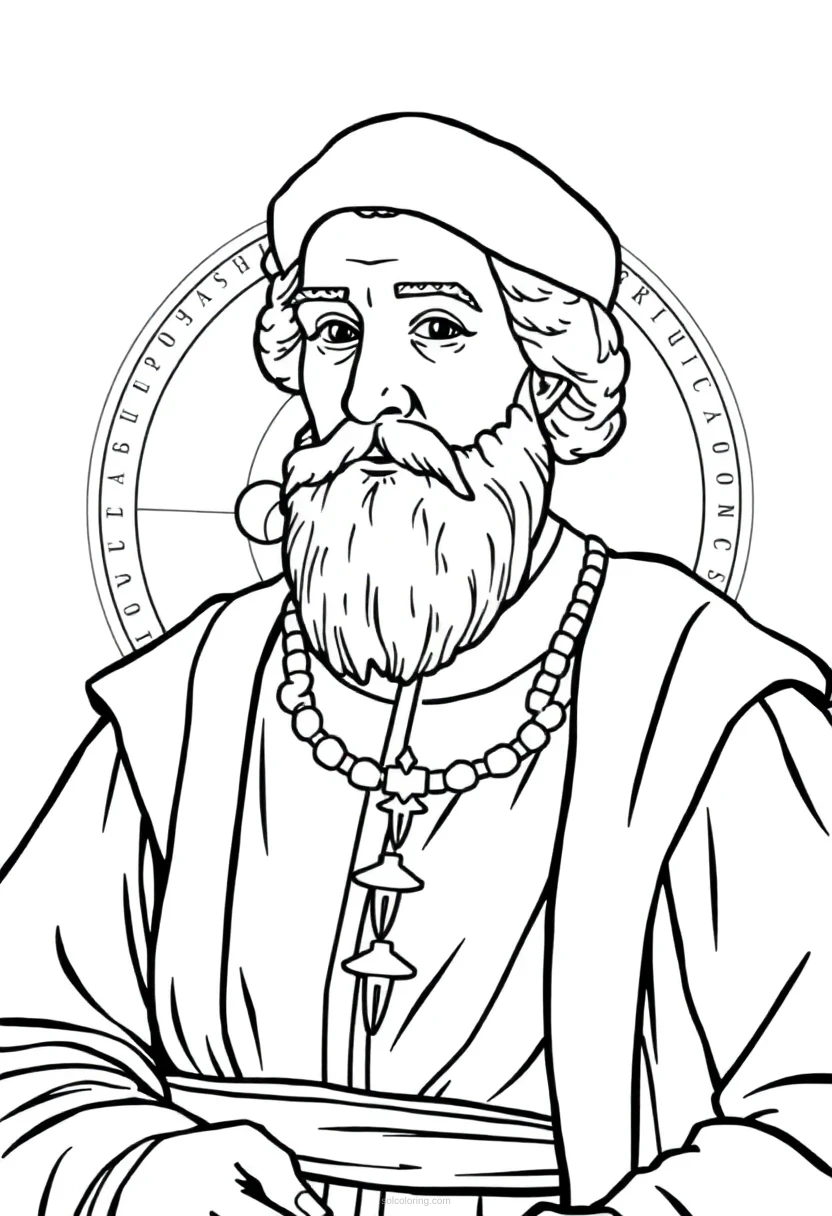
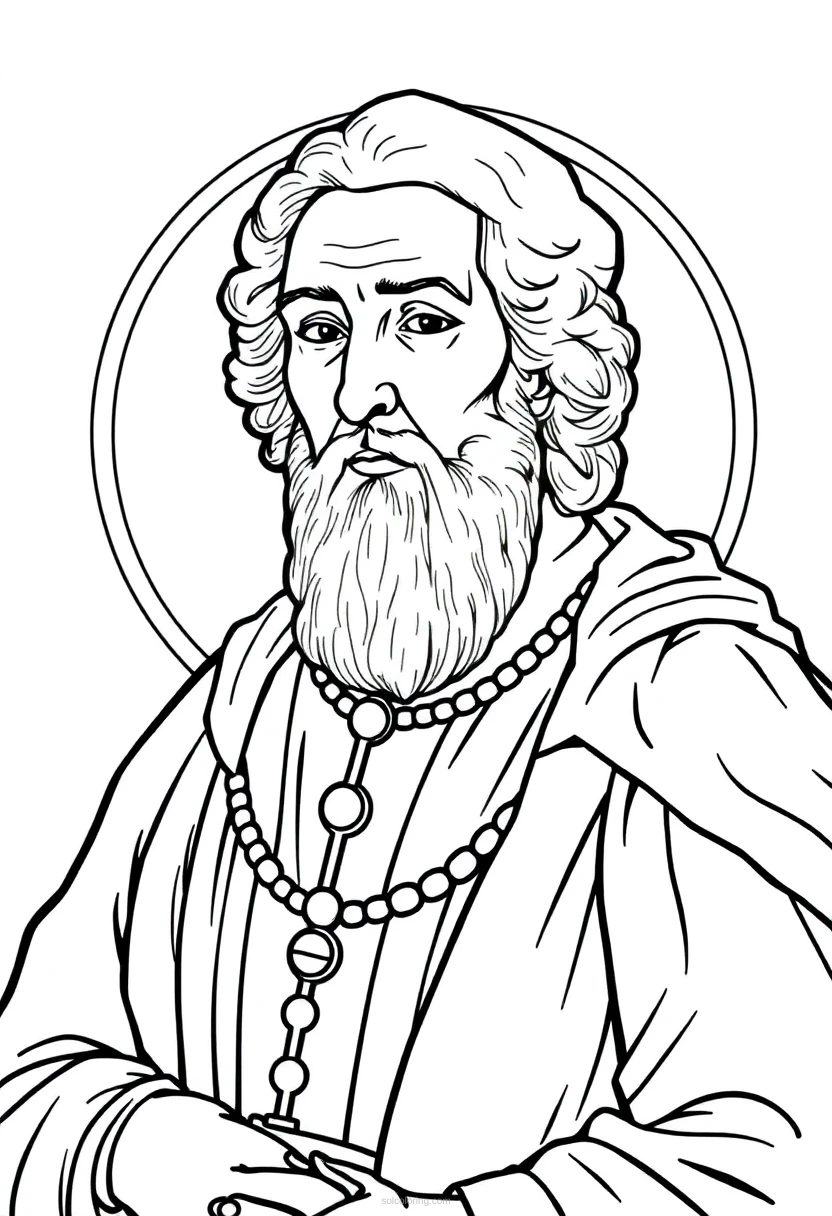
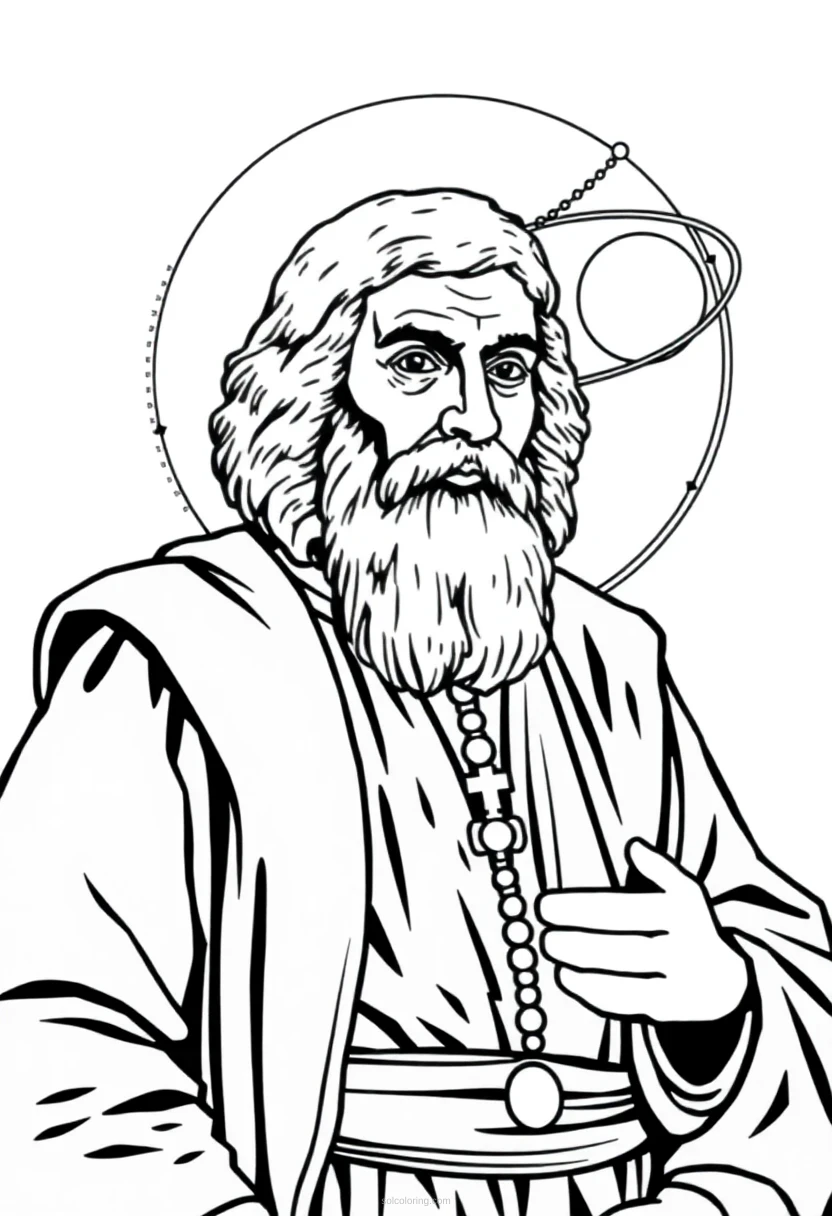
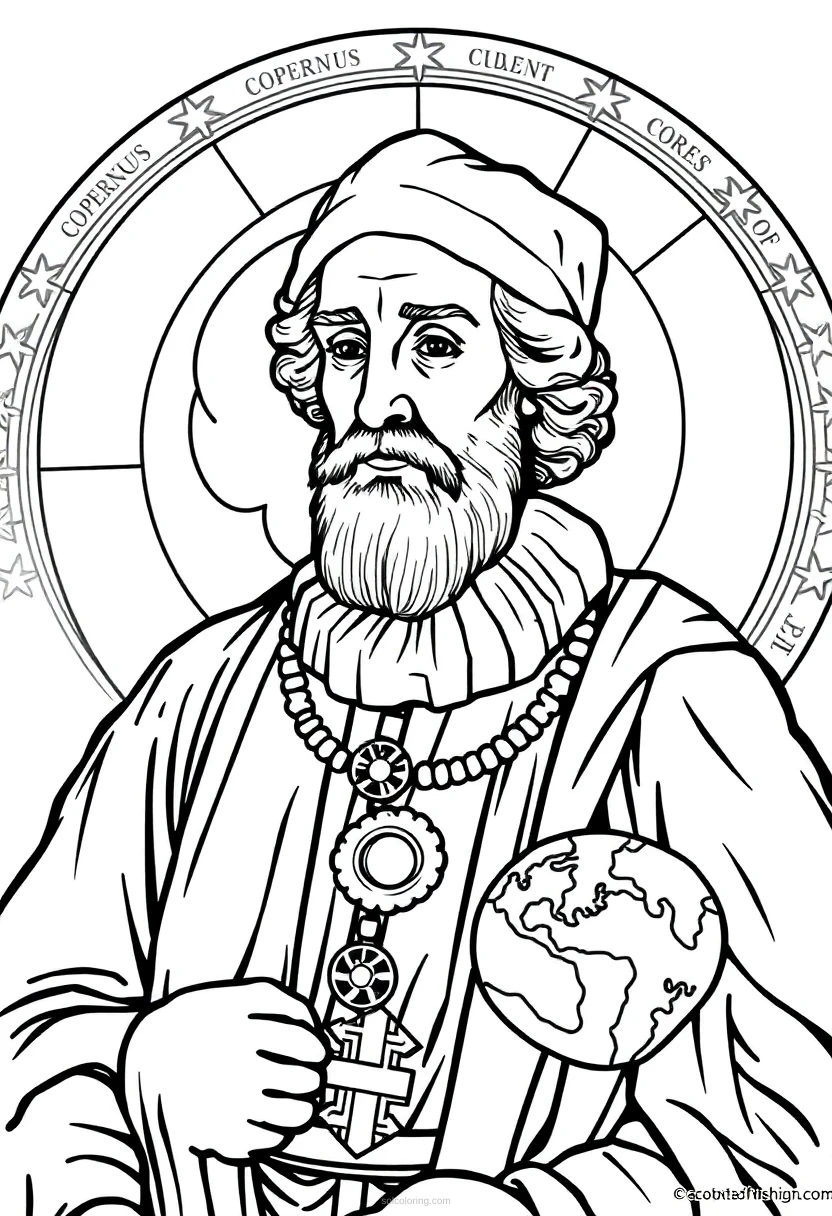
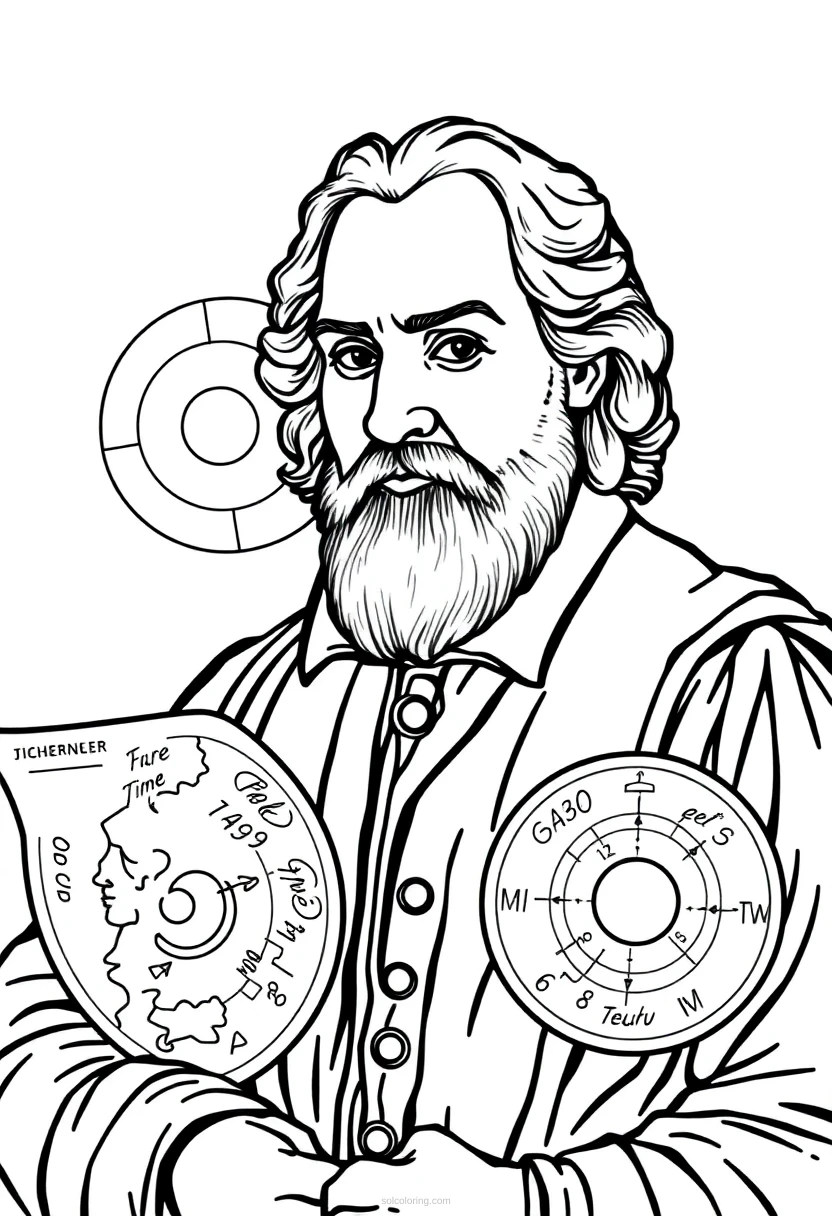
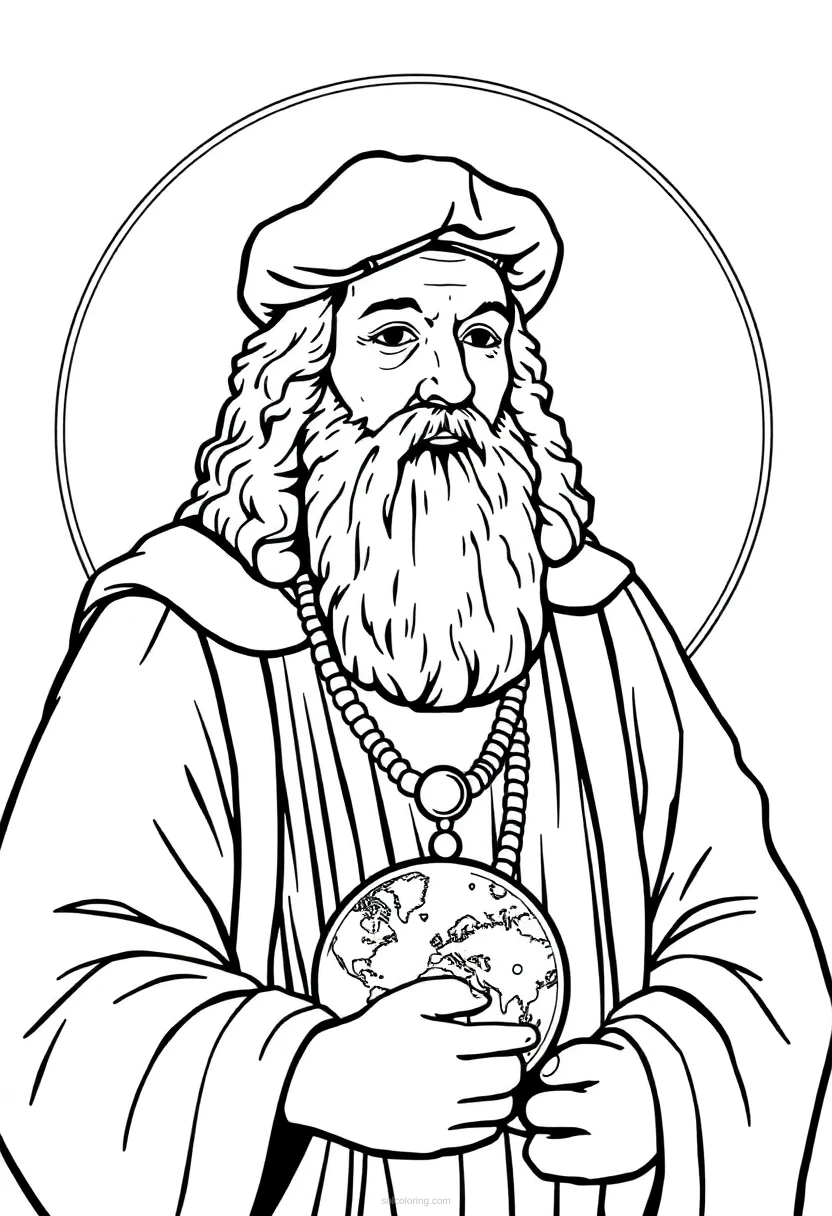
Copernicus with Solar System Model Coloring Page
Standard style
About this coloring page
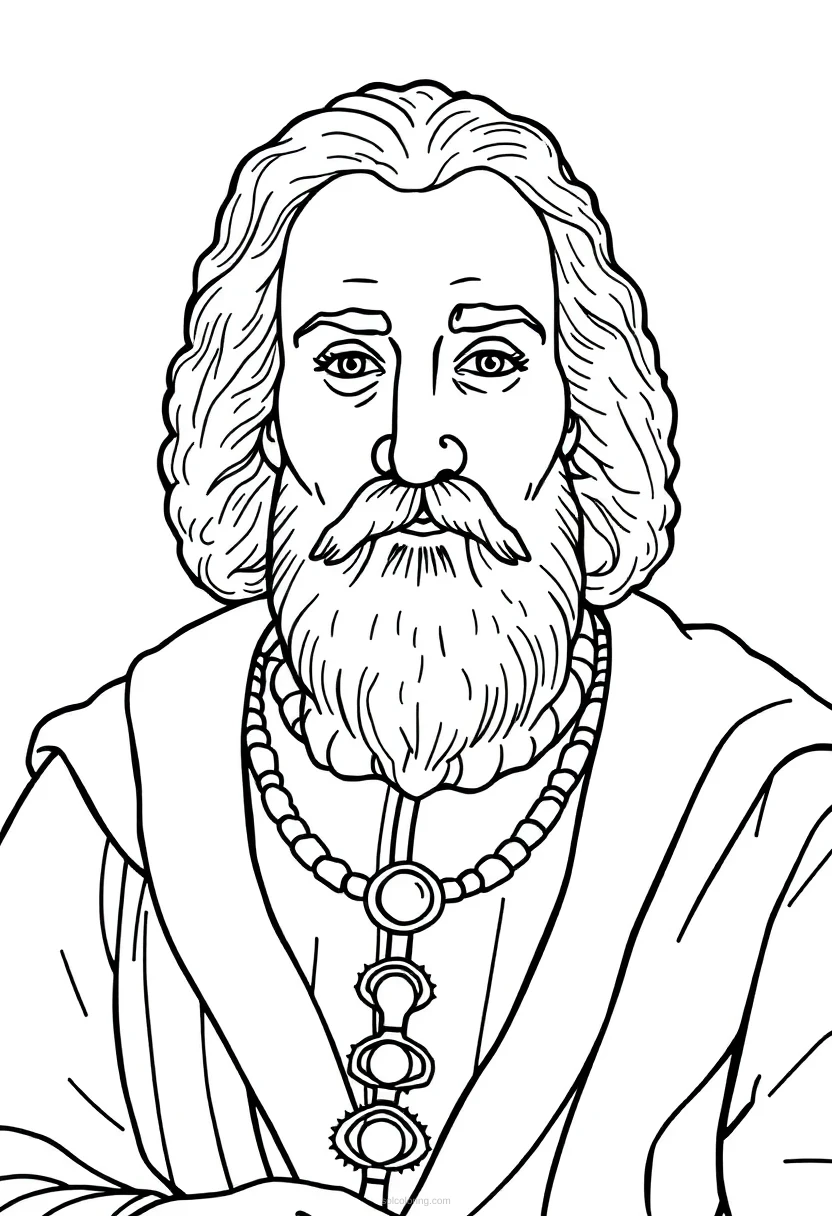
This detailed Copernicus with Solar System Model coloring page features the famous Polish astronomer presenting his groundbreaking heliocentric theory with the sun at the center surrounded by orbiting planets. The free printable design includes bold, clear outlines perfect for intermediate colorists who want to explore both history and astronomy while developing their artistic skills.
Frequently asked
Why was Copernicus afraid to publish his solar system theory?
Copernicus delayed publishing his heliocentric theory until near his death because it contradicted the Church's teachings and centuries of accepted beliefs. He worried about being called a heretic and facing serious consequences. His caution shows how dangerous new scientific ideas were in the 1500s.
What did Copernicus call his revolutionary theory?
Copernicus called his theory heliocentrism, from the Greek word 'helios' meaning Sun. This placed the Sun at the center of the solar system with planets orbiting around it. His book, 'De Revolutionibus Orbium Coelestium,' published in 1543, fundamentally changed astronomy forever.
How did Copernicus come up with his solar system model?
Copernicus used mathematics, observations, and logical reasoning to develop his model. He noticed that assuming the Sun was central made planetary motions easier to explain mathematically. Ancient Greek ideas also inspired him. His brilliant deduction proved that careful thinking could reveal profound cosmic truths.
Are these Copernicus With Solar System Model coloring pages free?
Yes, all our coloring pages are completely free to download and print. No signup, no hidden costs, no ads blocking your content. Simply visit Sol Coloring, find your favorite free printable coloring page, and start creating your masterpiece at home or school.
What age are these Copernicus With Solar System Model coloring pages for?
Our coloring pages are designed for ages 8 to 14, with varying difficulty levels. Younger kids enjoy simpler outlines and larger spaces to fill, while older kids appreciate detailed planetary designs and intricate background elements. All skill levels are welcome.