Ancient Egypt
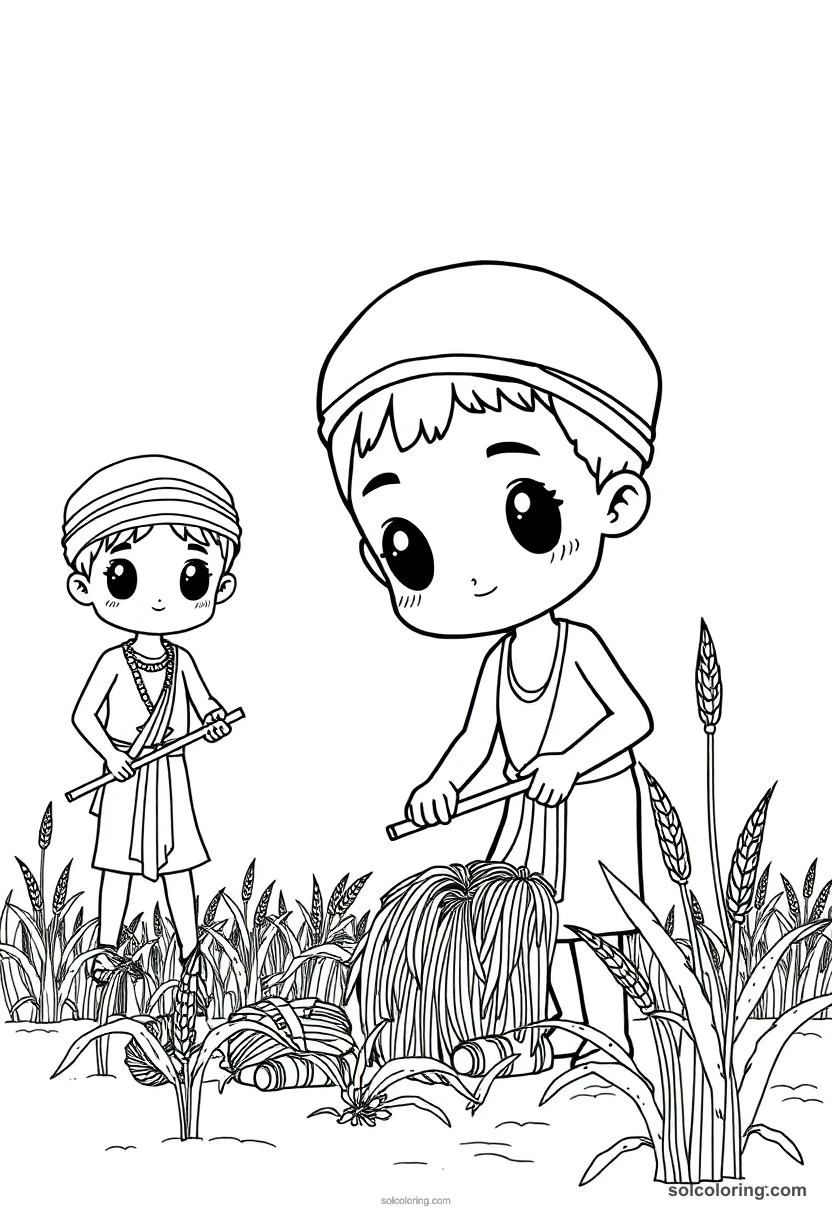
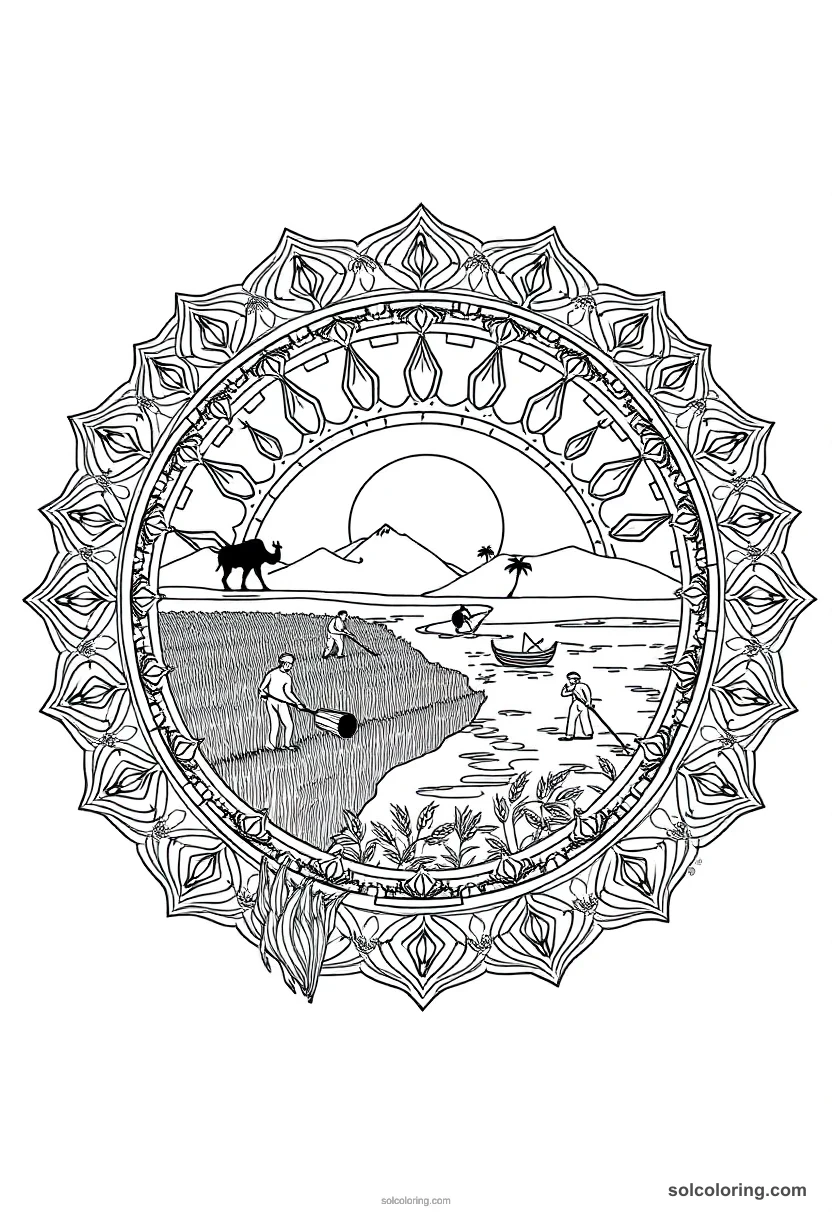
Mandala Farmers Harvesting Wheat Along the Nile Coloring Page
Mandala style
About this coloring page
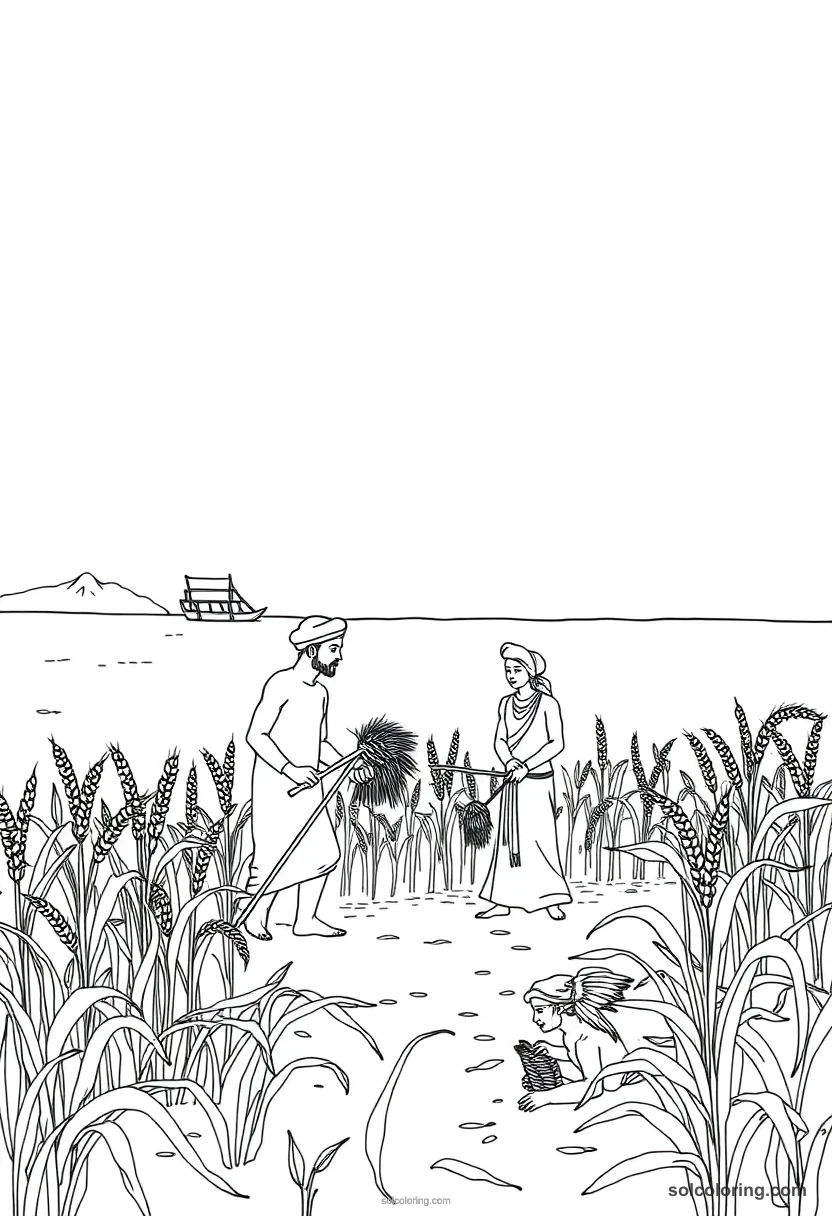
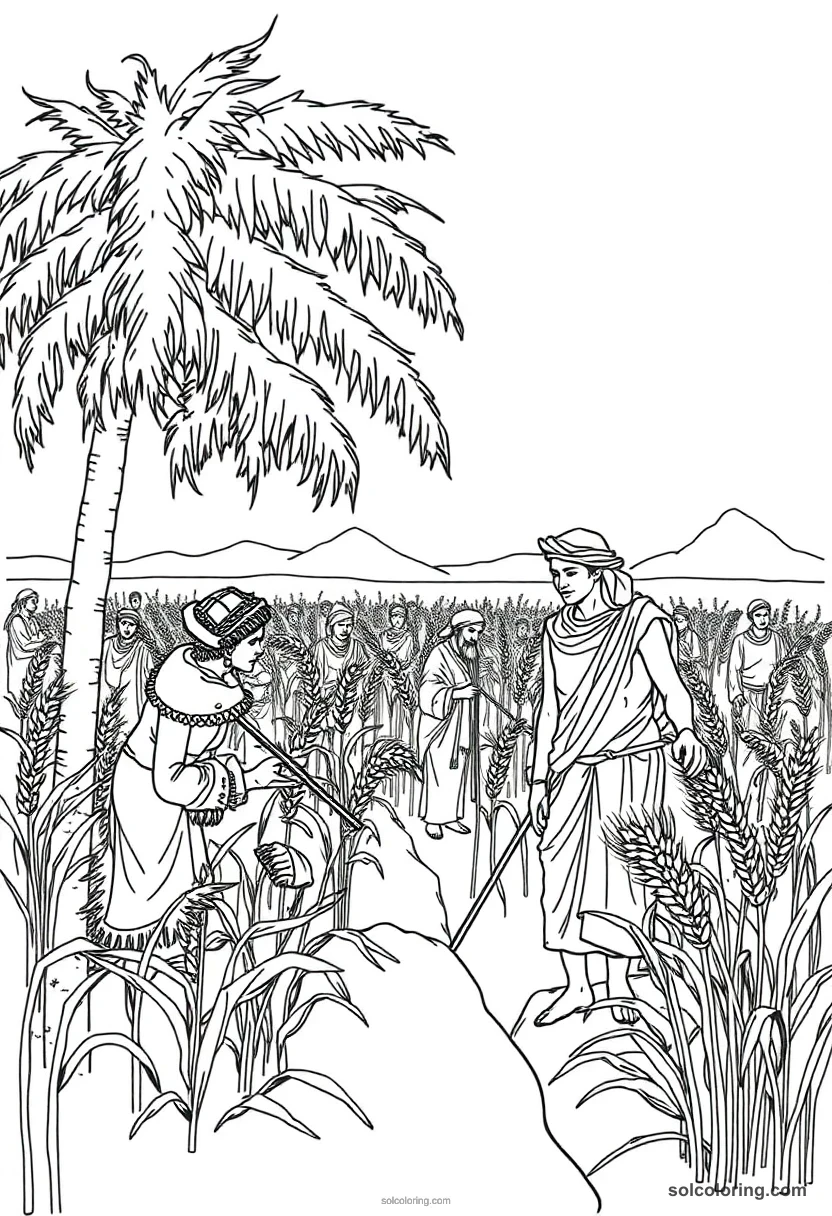
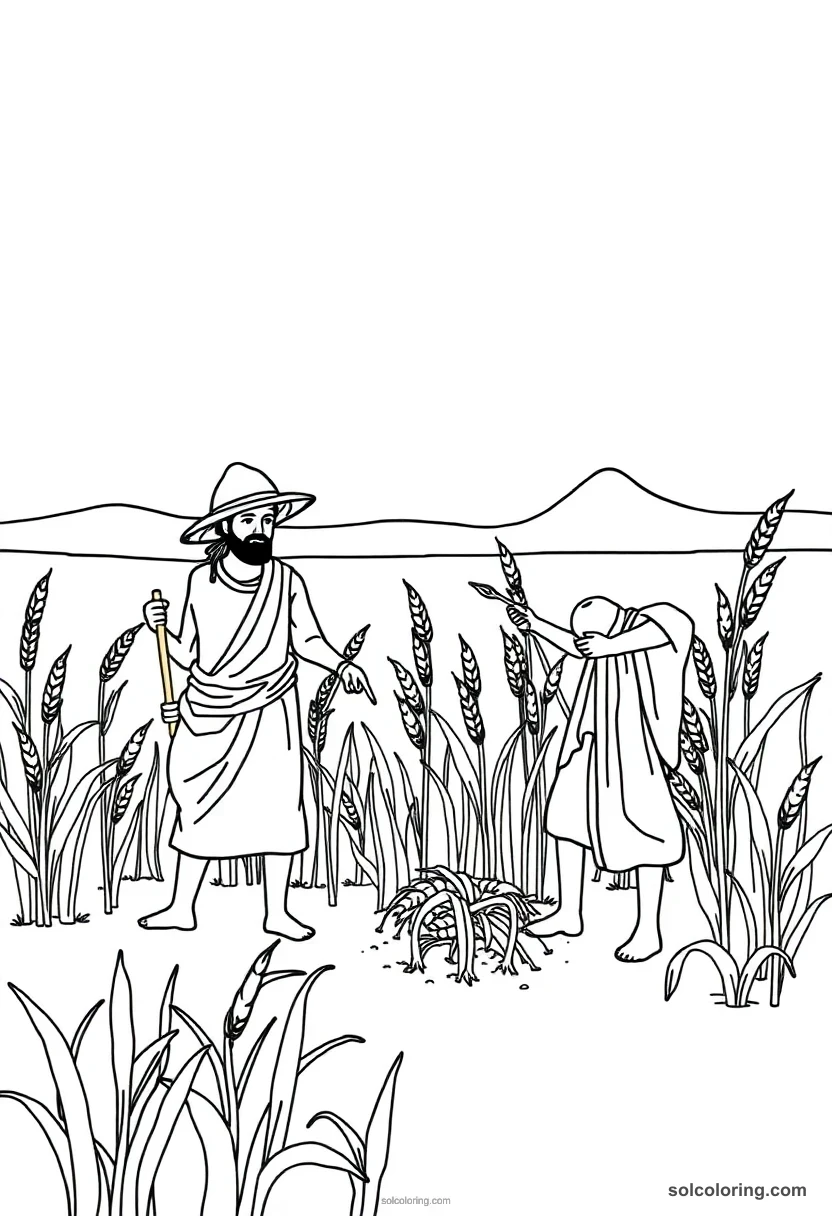
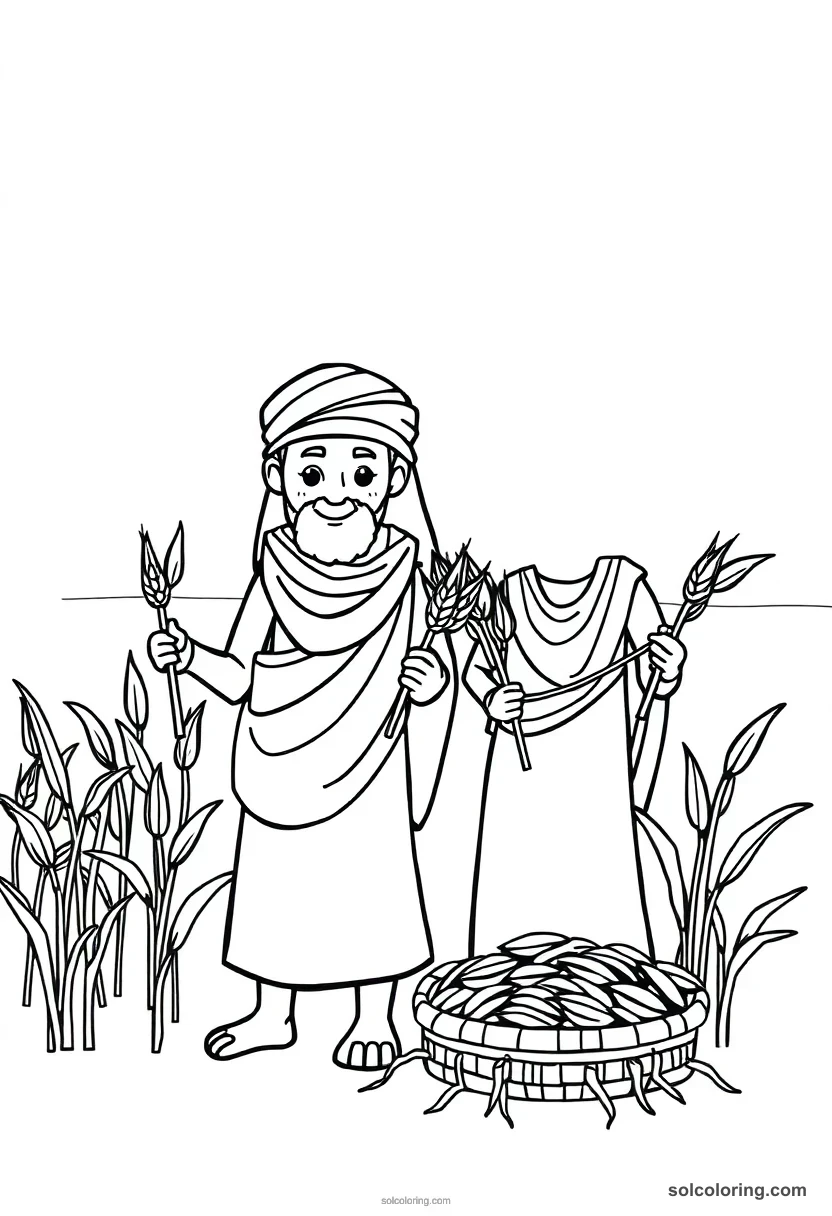
This captivating Mandala Farmers Harvesting Wheat Along the Nile coloring page features ancient Egyptian farmers working in grain fields beside the mighty river, all beautifully arranged in an intricate mandala pattern. The design combines historical agricultural scenes with decorative mandala elements, creating bold outlines that are perfect for intermediate to advanced colorists. Download this free printable coloring page to explore ancient Egyptian culture while enjoying a relaxing and educational coloring experience!
Frequently asked
When did ancient Egyptian farmers harvest their wheat crops?
Egyptian farmers harvested wheat between April and June, after the Nile's annual flood receded and left behind rich, fertile soil. This predictable flooding cycle allowed them to plan their agricultural calendar with remarkable precision for over 3,000 years.
What tools did ancient Egyptian farmers use to harvest wheat?
Farmers used wooden sickles with flint blades to cut wheat stalks, then beat the grain with wooden flails to separate kernels from chaff. They also used simple wooden plows pulled by cattle or oxen to prepare fields for planting.
How important was wheat farming to ancient Egyptian society?
Wheat was absolutely crucial to Egyptian civilization, serving as the primary food source and even used as currency to pay workers. The pharaoh controlled grain distribution, and successful wheat harvests often determined the stability of the entire kingdom and its economy.
Are these Farmers Harvesting Wheat Along The Nile coloring pages free?
Yes! All our ancient Egyptian farming coloring pages are completely free to download and print. Simply click, save to your device, and print as many copies as you need.
What age are these Farmers Harvesting Wheat Along The Nile coloring pages for?
These coloring pages work great for ages 8 to 14. Younger kids will enjoy the simple farming scenes, while older children can appreciate the historical details and Egyptian cultural elements.