Scientists
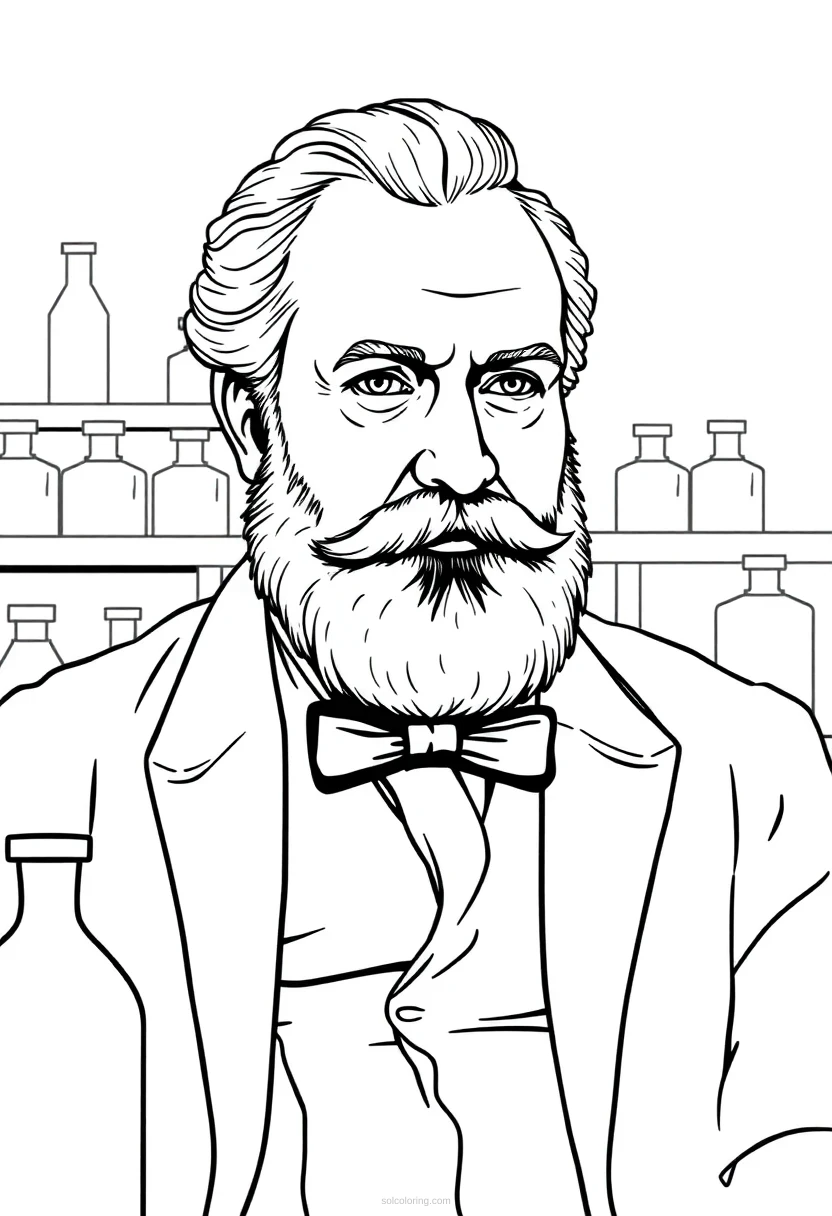
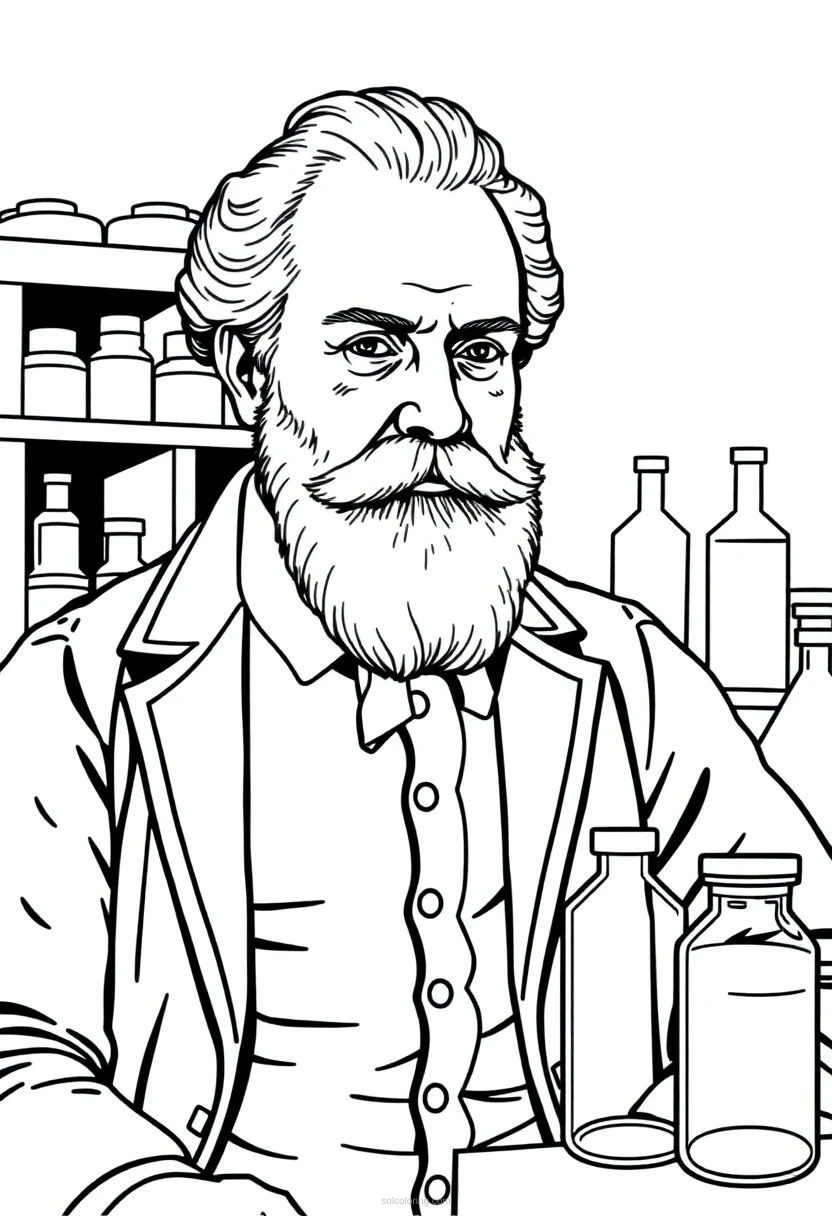
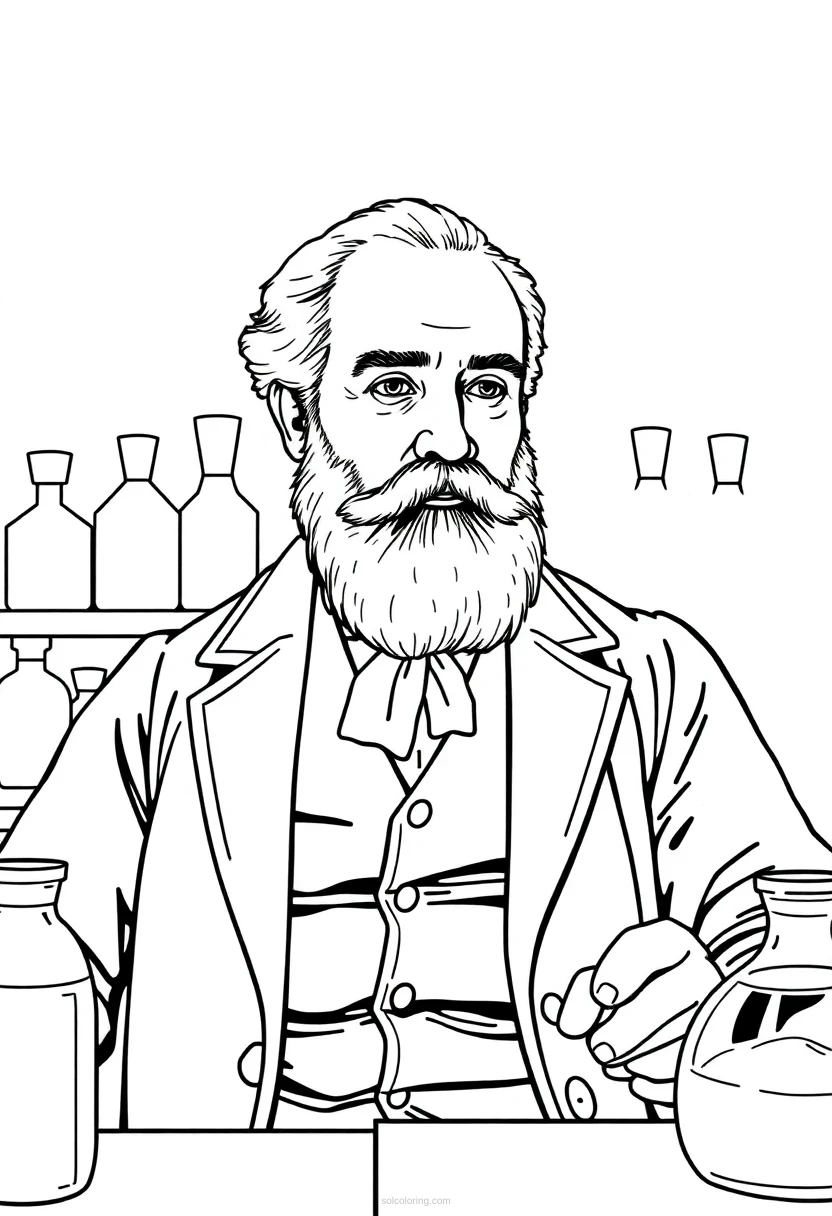
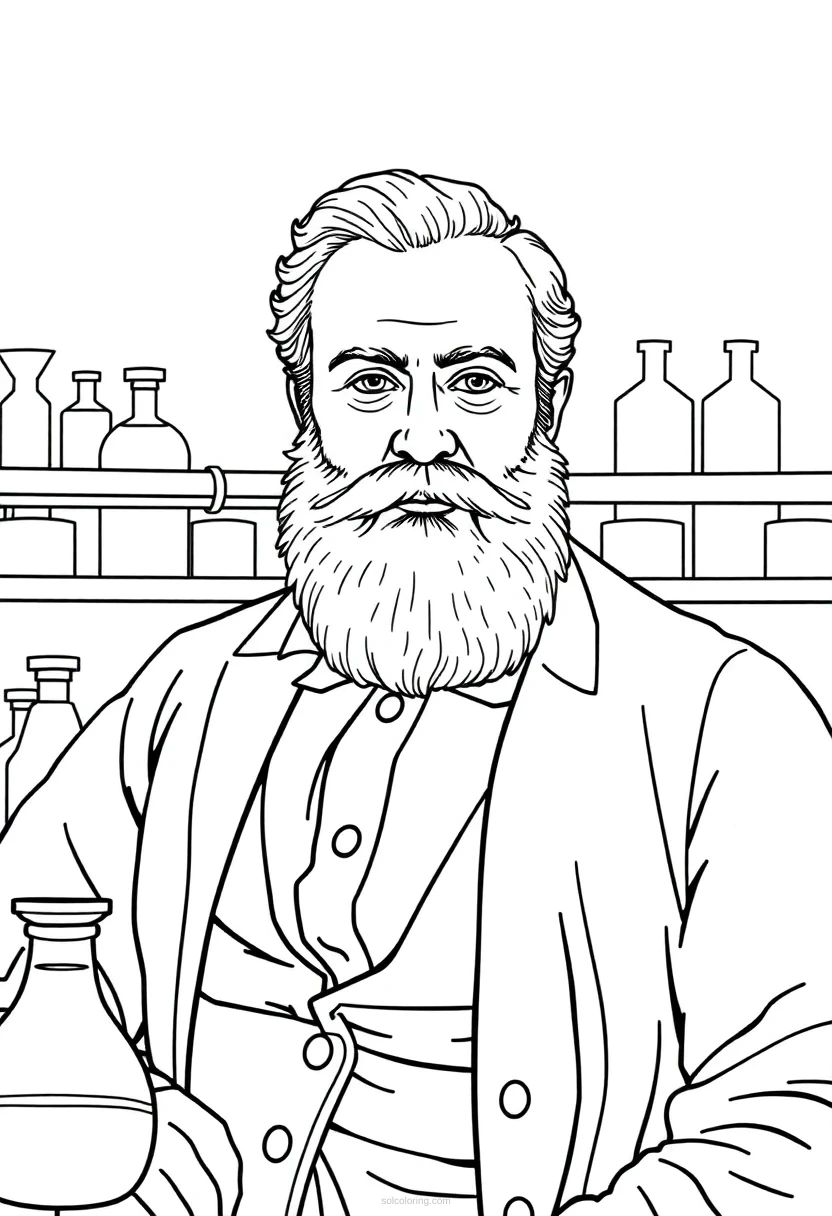
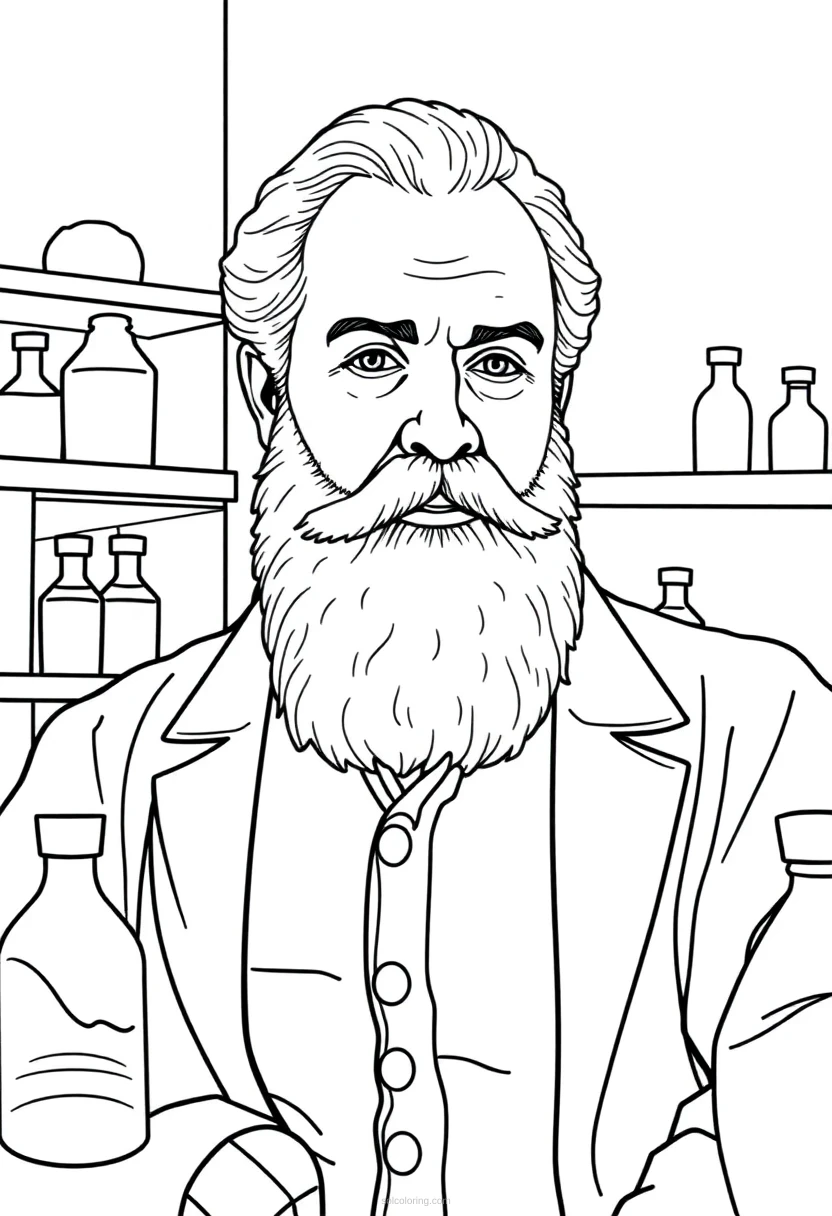
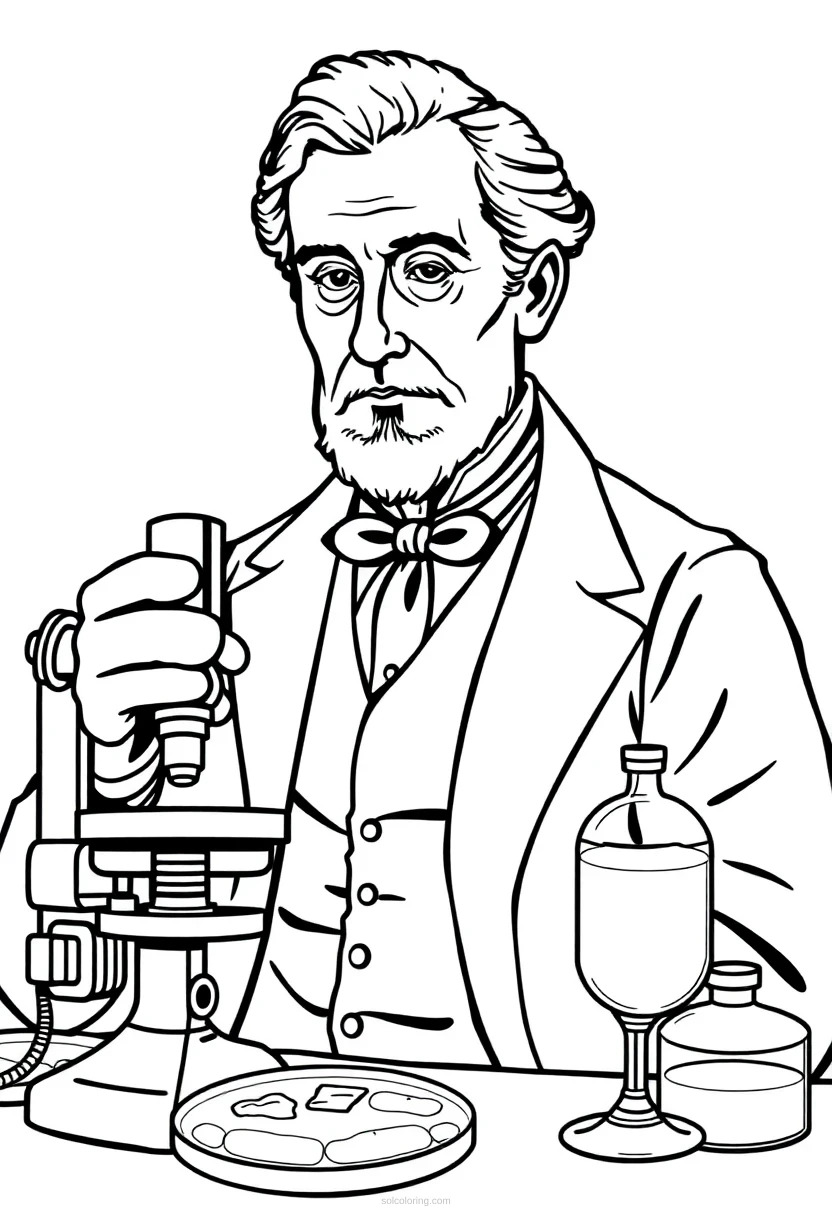
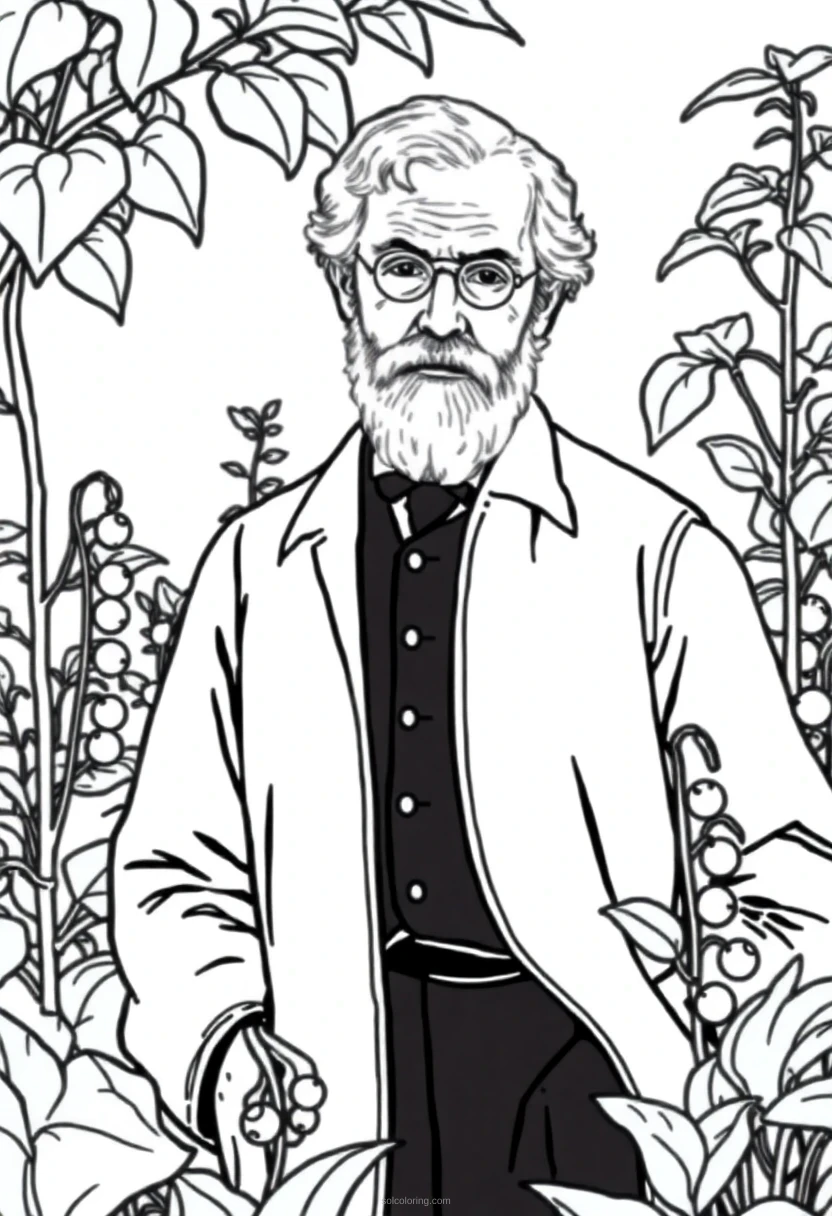
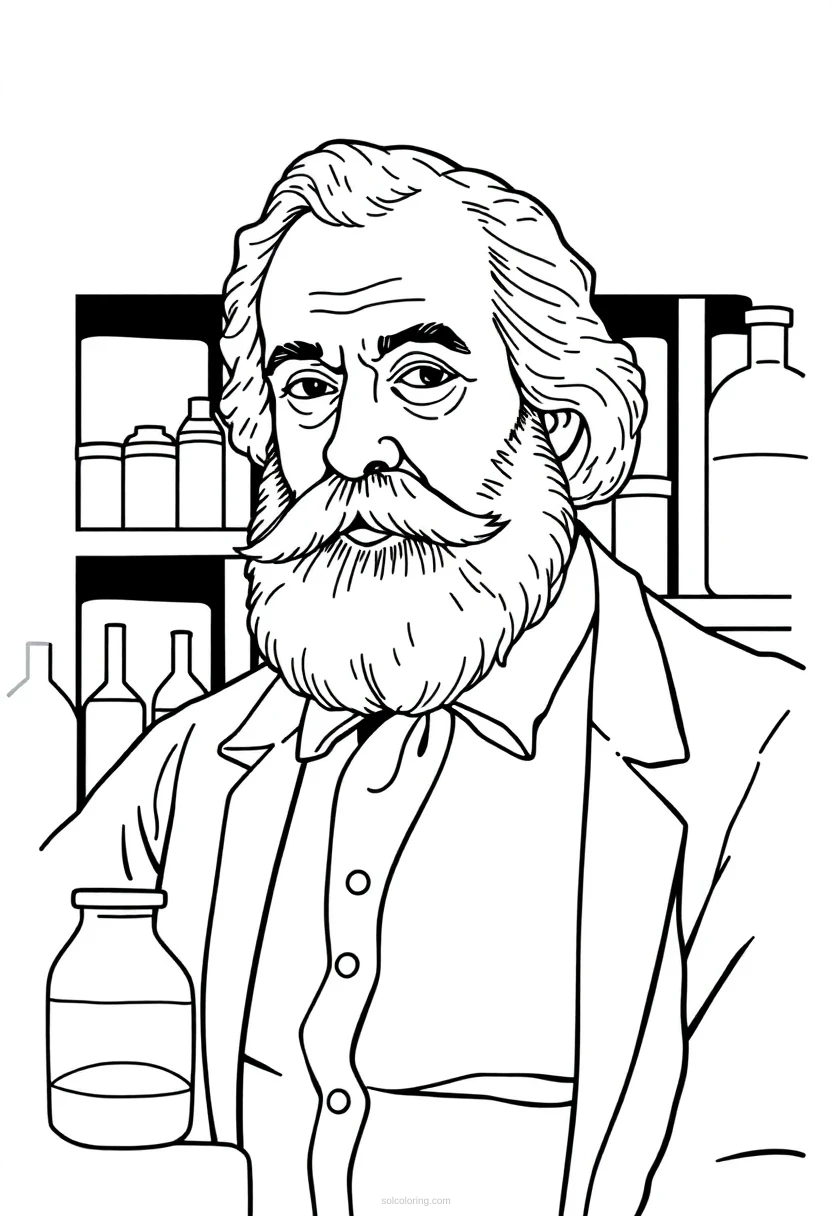
Louis Pasteur in 19th Century Laboratory Coloring Page
Standard style
About this coloring page
This delightful Louis Pasteur in 19th Century Laboratory coloring page features the famous scientist in his historic laboratory, surrounded by vintage equipment like microscopes, test tubes, and glass beakers. The free printable design includes bold, clear outlines perfect for young artists to color while learning about this groundbreaking microbiologist who revolutionized medicine and science.
Frequently asked
Who was Louis Pasteur and why is he so important?
Louis Pasteur was a French chemist and microbiologist born in 1822 who revolutionized medicine and science. He proved that germs cause disease, invented pasteurization to keep milk safe, and created the first rabies vaccine. His discoveries saved millions of lives and founded modern microbiology.
What did Pasteur discover about germs and disease?
Pasteur proved that tiny living creatures called microorganisms cause infections and diseases. Before his work, people didn't understand why wounds got infected or why food spoiled. His germ theory explained disease transmission and led to better hygiene practices in hospitals and homes worldwide.
What is pasteurization and how did Pasteur invent it?
Pasteurization is heating liquid to kill harmful bacteria without ruining the food. Pasteur discovered that heating wine and milk to specific temperatures killed disease-causing germs while keeping the products safe to drink. This simple process revolutionized food safety and is still used today.
Are these Louis Pasteur In 19th Century Laboratory coloring pages free?
Yes, absolutely! All our coloring pages at Sol Coloring are completely free to download and print. No signup, no hidden fees, and no login required. Simply visit our website, find your favorite free printable coloring page, and start creating your masterpiece right away.
What age are these Louis Pasteur In 19th Century Laboratory coloring pages for?
These coloring pages are designed for ages 8 to 14, with varying complexity levels. Younger colorers can enjoy simple, bold outlines, while older kids appreciate the detailed scientific equipment and historical accuracy. Everyone can learn while having creative fun.